The bulk of the work is researching—collecting stories, anecdotes, and data to marshal your argument. The writing is stringing those pieces together.
The strategies that have helped me write 10 books in 10 years
⬇︎⬇︎⬇︎
The bulk of the work is researching—collecting stories, anecdotes, and data to marshal your argument. The writing is stringing those pieces together.
You don’t “find the book as you write.” You have to do the hard work of solving the problem first. You have to figure out the best route, too.
Turn all your bad experiences, your struggles, your pain, your mistakes into material. The obstacle is the way / antifragile…
“To have something to say,” Schopenhauer said, “by itself is virtually a sufficient condition for good style.”
I turn in a book proposal for my next book before my latest one comes out. When I have a commitment that I know I have to meet, Resistance doesn’t have the time or space to creep in. Meet deadline or death.
Success requires greater investment in the creative process. Pay for professional help. There’s that saying: if you think pros are expensive, try hiring an amateur.
I can’t tell you how many times I’ve thought of a great line or solved an intractable writing problem while running or swimming.
Thucydides had Herodotus. Gibbon had Thucydides. Shelby Foote had Gibbon. Every playwright since Shakespeare has had Shakespeare. Everyone has a master to learn from. (For me it’s been @robertgreene)
More from Culture


. THREAD 1/x
David Baddiel is getting lots of coverage and feedback on his book which again focuses on so called 'left wing' antisemitism.
I will start by saying that I have seen antisemitic comments made by Labour members and some genuine cases.
However, I have huge concerns.
2/x
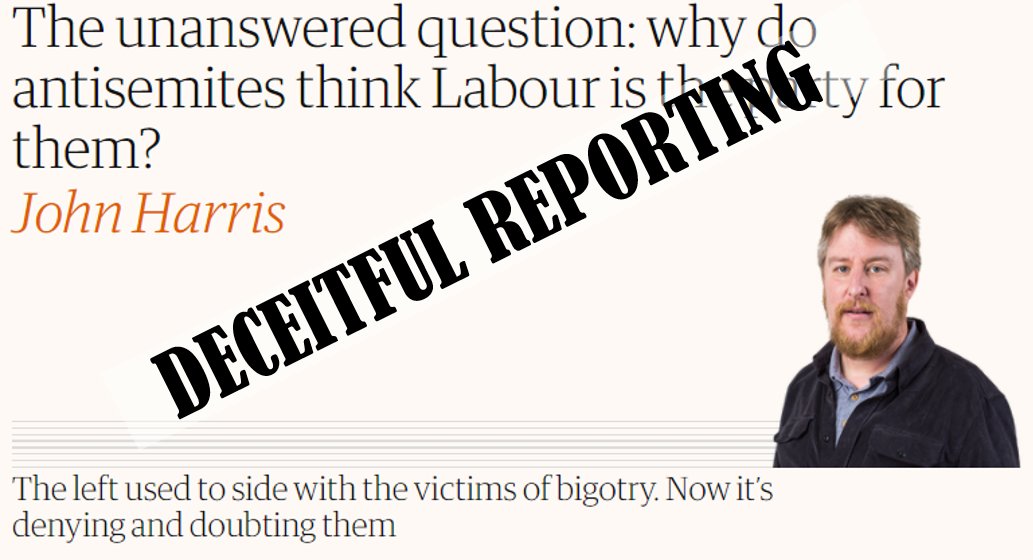
Let's look in detail at this article written in April 2019 in the @Guardian - and I will explain the concerns.
The areas highlighted guide you to believe this was all Labour - IT WASN'T.
It also occurred before 2015! Detail follows...
https://t.co/cK59FP83aG
3/x
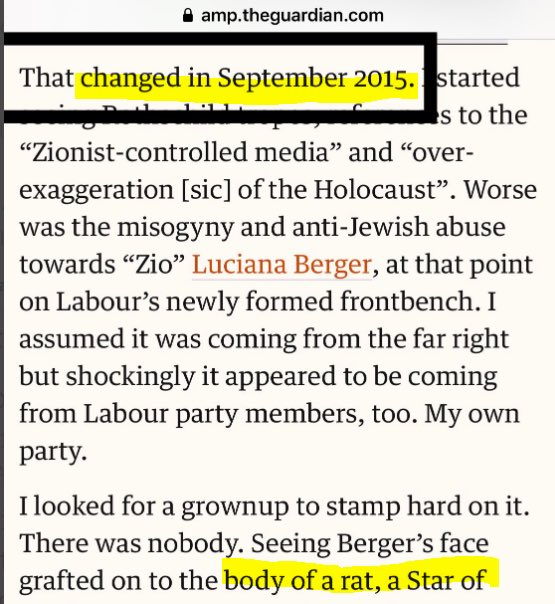
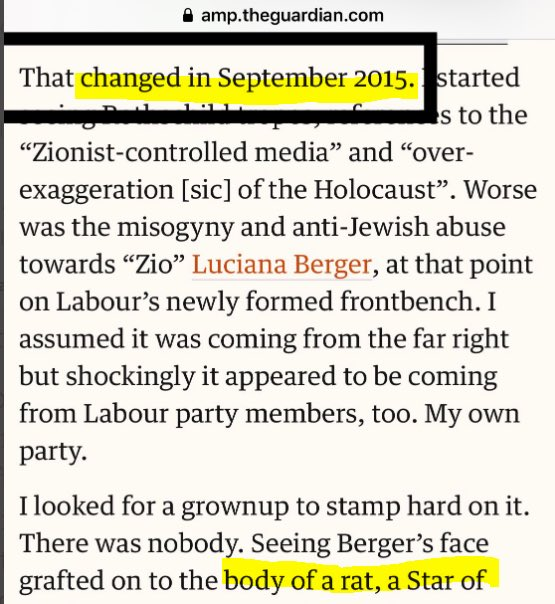
So as you see the writer of this rather deceitful piece starts with
"THAT CHANGED IN SEPTEMBER 2015" 🙄
This was done to point the timeframe as Corbyn's leadership. Yet the article goes on to describe things that are not even related to Labour, which occurred in 2014.
4/x
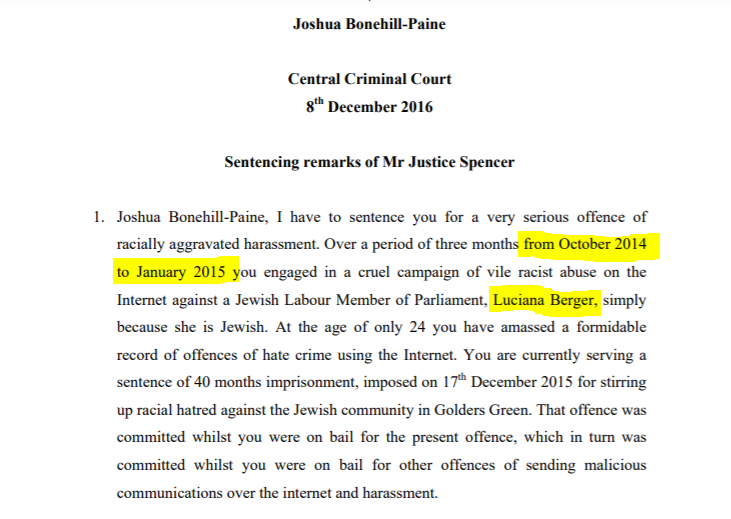
So... What in fact the @Guardian writer is discussing here is this case - where a group of Neo-Nazi's spent months inflicting abuse on Jewish MP Luciana Berger
All the detail is in the Court Notes when Bonehill-Paine was sentenced by the judge.
https://t.co/wAyo6Yro5Q
5/x
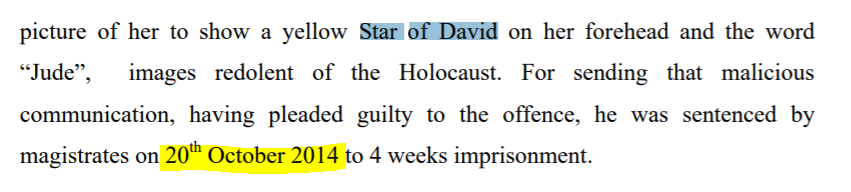
The Justice sentencing remarks to Neo-Nazi explain the previous cases too. See the date 2014.
Yet the Guardian writer refers to this NON LABOUR case to effectively make her article a lie.
"Star of David" - this was Garron Helm another neo-Nazi..
David Baddiel is getting lots of coverage and feedback on his book which again focuses on so called 'left wing' antisemitism.
I will start by saying that I have seen antisemitic comments made by Labour members and some genuine cases.
However, I have huge concerns.
2/x
Let's look in detail at this article written in April 2019 in the @Guardian - and I will explain the concerns.
The areas highlighted guide you to believe this was all Labour - IT WASN'T.
It also occurred before 2015! Detail follows...
https://t.co/cK59FP83aG
3/x
So as you see the writer of this rather deceitful piece starts with
"THAT CHANGED IN SEPTEMBER 2015" 🙄
This was done to point the timeframe as Corbyn's leadership. Yet the article goes on to describe things that are not even related to Labour, which occurred in 2014.
4/x
So... What in fact the @Guardian writer is discussing here is this case - where a group of Neo-Nazi's spent months inflicting abuse on Jewish MP Luciana Berger
All the detail is in the Court Notes when Bonehill-Paine was sentenced by the judge.
https://t.co/wAyo6Yro5Q
5/x
The Justice sentencing remarks to Neo-Nazi explain the previous cases too. See the date 2014.
Yet the Guardian writer refers to this NON LABOUR case to effectively make her article a lie.
"Star of David" - this was Garron Helm another neo-Nazi..