The Calvin and Hobbes comic strip ended 25 years ago, so let’s celebrate a New Years treat by analyzing it! Awhile back I had a students annotate structures in every C&H strip, so we have data on the whole thing. As Calvin says: let’s go exploring! 1/ https://t.co/GAm45Ni1m5


More from Culture






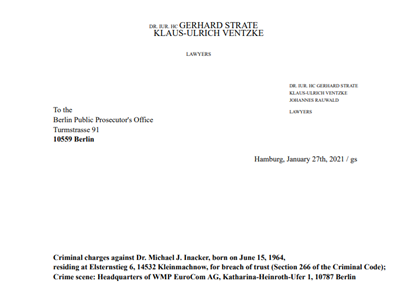
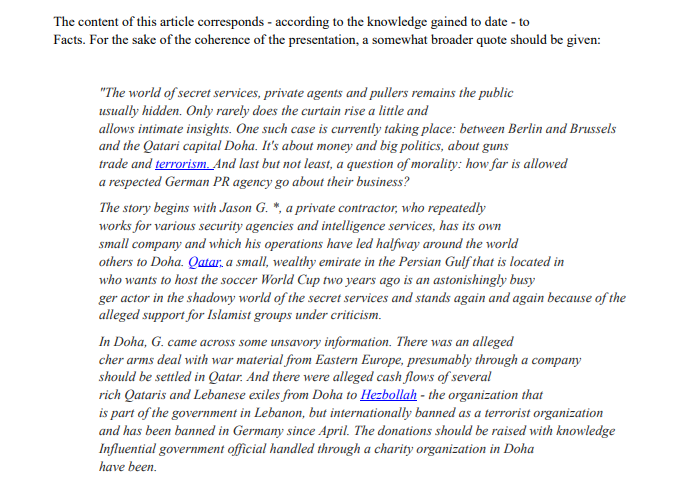
In a recent article published in the Stern, there is now a criminal complaint filed against Michael Inacker, the then CEO of the PR firm WMP for what includes allegations of the knock out payments from the emirate of Qatar to hide a dossier for their role in financing Hezbollah
That allegedly 750,000 euros, which would have been divided between Jason and Michael.
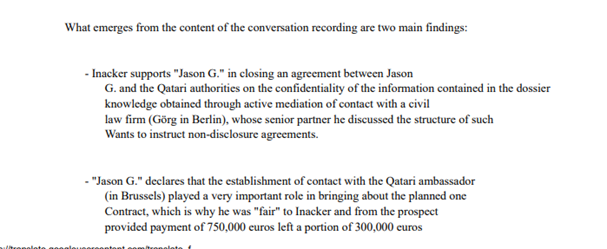
In return, "Jason" was supposed to keep to himself the information he had researched in Qatar, that a high-ranking person in the emirate of Qatar was financially supporting Hezbollah.
https://t.co/TdaAECu35a
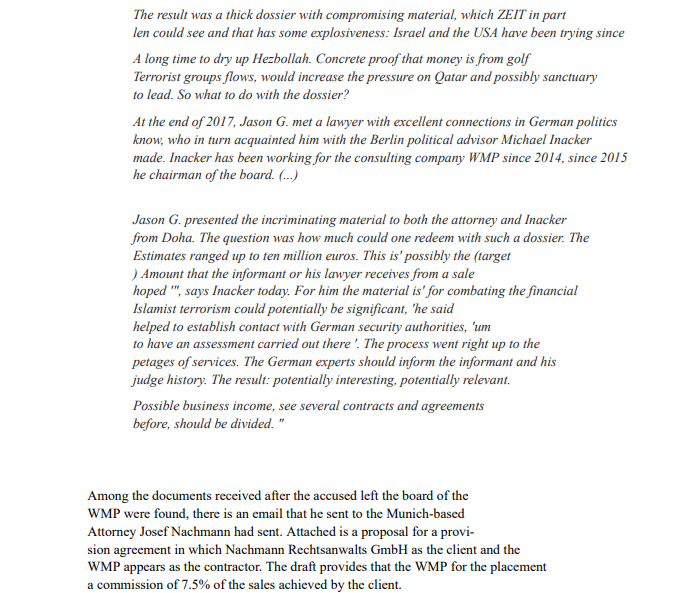
There is an interesting point in the article, WMP (Inacker) still had PR contracts with both Qatar and Saudi and “Jason” had some information about arms deliveries organized by people from Qatar with suppliers in Belarus, Serbia, Macedonia, and Yemen.
That allegedly 750,000 euros, which would have been divided between Jason and Michael.
In return, "Jason" was supposed to keep to himself the information he had researched in Qatar, that a high-ranking person in the emirate of Qatar was financially supporting Hezbollah.
https://t.co/TdaAECu35a
There is an interesting point in the article, WMP (Inacker) still had PR contracts with both Qatar and Saudi and “Jason” had some information about arms deliveries organized by people from Qatar with suppliers in Belarus, Serbia, Macedonia, and Yemen.


.@bellingcat's attempt in their new book, published by
@BloomsburyBooks, to coverup the @OPCW #Douma controversy, promote US and UK gov. war narratives, and whitewash fraudulent conduct within the OPCW, is an exercise in deception through omission @marydejevsky @freddiesayers
1) 2000 words are devoted to the OPCW controversy regarding the alleged chemical weapon attack in #Douma, Syria in 2018 but critical material is omitted from the book. Reading it, one would never know the following:
2) That the controversy started when the original interim report, drafted and agreed by Douma inspection team members, was secretly modified by an unknown OPCW person who had manipulated the findings to suggest an attack had occurred. https://t.co/QtAAyH9WyX… @RobertF40396660
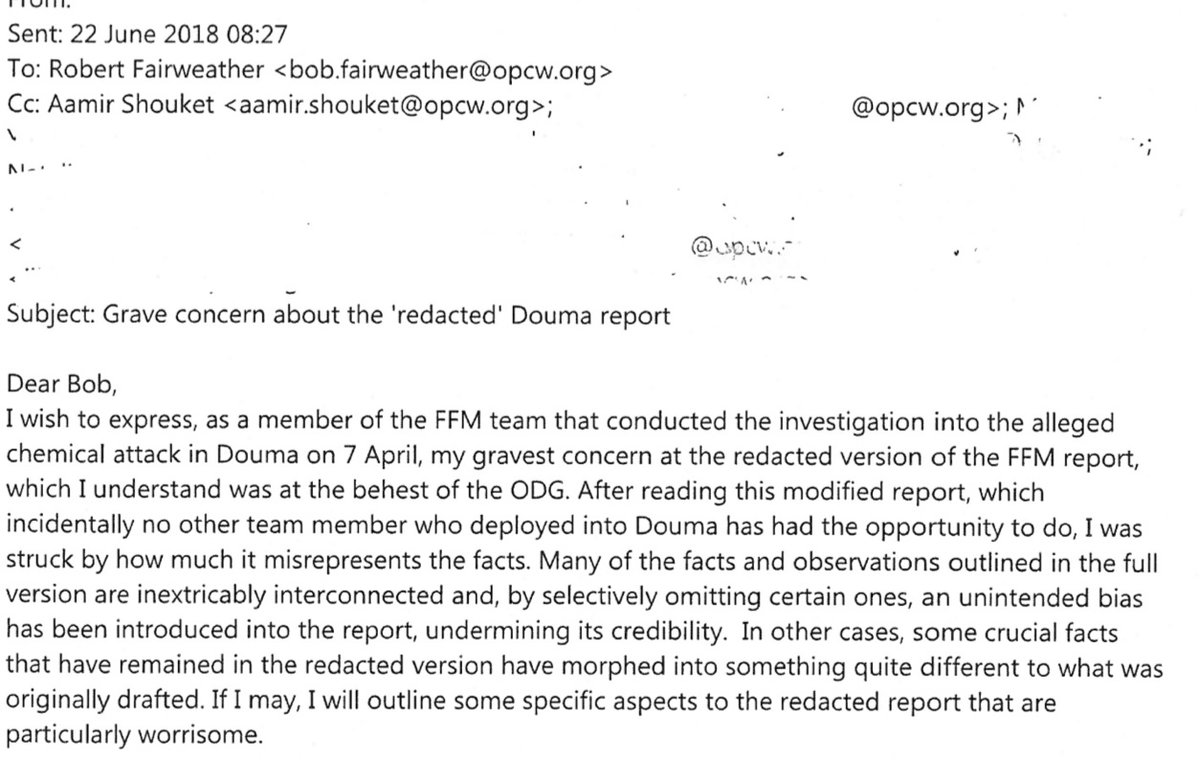
3) This act of attempted deception was only derailed because an inspector discovered the secret changes. The manipulations were reported by @ClarkeMicah
and can be readily observed in documents now available https://t.co/2BUNlD8ZUv….
4) .@bellingcat's book also makes no mention of the @couragefoundation panel, attended by the @opcw's first Director General, Jose Bustani, at which an OPCW official detailed key procedural irregularities and scientific flaws with the Final Douma Report:
@BloomsburyBooks, to coverup the @OPCW #Douma controversy, promote US and UK gov. war narratives, and whitewash fraudulent conduct within the OPCW, is an exercise in deception through omission @marydejevsky @freddiesayers
In response to @marydejevsky seemingly bad faith questions about Bellingcat on @unherd I've written a response providing details of where Bellingcat came from, and why it is like it is https://t.co/5rCsSwpcAm
— Eliot Higgins (@EliotHiggins) February 15, 2021
1) 2000 words are devoted to the OPCW controversy regarding the alleged chemical weapon attack in #Douma, Syria in 2018 but critical material is omitted from the book. Reading it, one would never know the following:
2) That the controversy started when the original interim report, drafted and agreed by Douma inspection team members, was secretly modified by an unknown OPCW person who had manipulated the findings to suggest an attack had occurred. https://t.co/QtAAyH9WyX… @RobertF40396660
3) This act of attempted deception was only derailed because an inspector discovered the secret changes. The manipulations were reported by @ClarkeMicah
and can be readily observed in documents now available https://t.co/2BUNlD8ZUv….
4) .@bellingcat's book also makes no mention of the @couragefoundation panel, attended by the @opcw's first Director General, Jose Bustani, at which an OPCW official detailed key procedural irregularities and scientific flaws with the Final Douma Report: