1. Last night I finished #ItsASin @russelldavies63, the director, amazing cast have given us a beautiful gift with #ItsASin. The 80s music, the politics, the friendship. Perfect. Fun but also serious. By episode 3 (no spoilers) I was in bits. Tears continued until the end #La

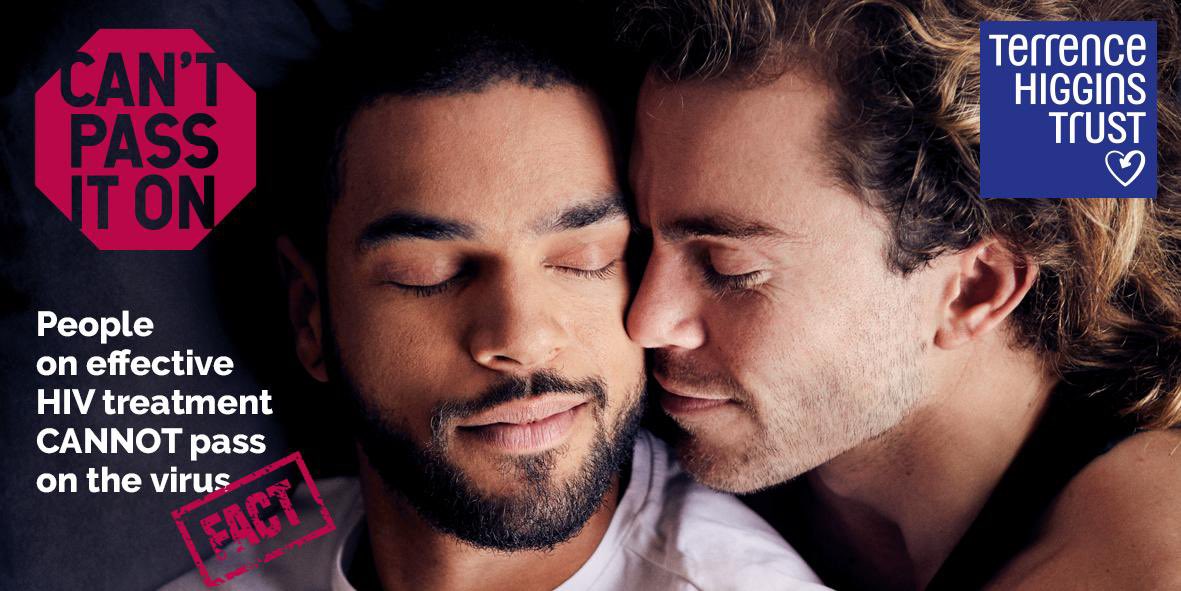
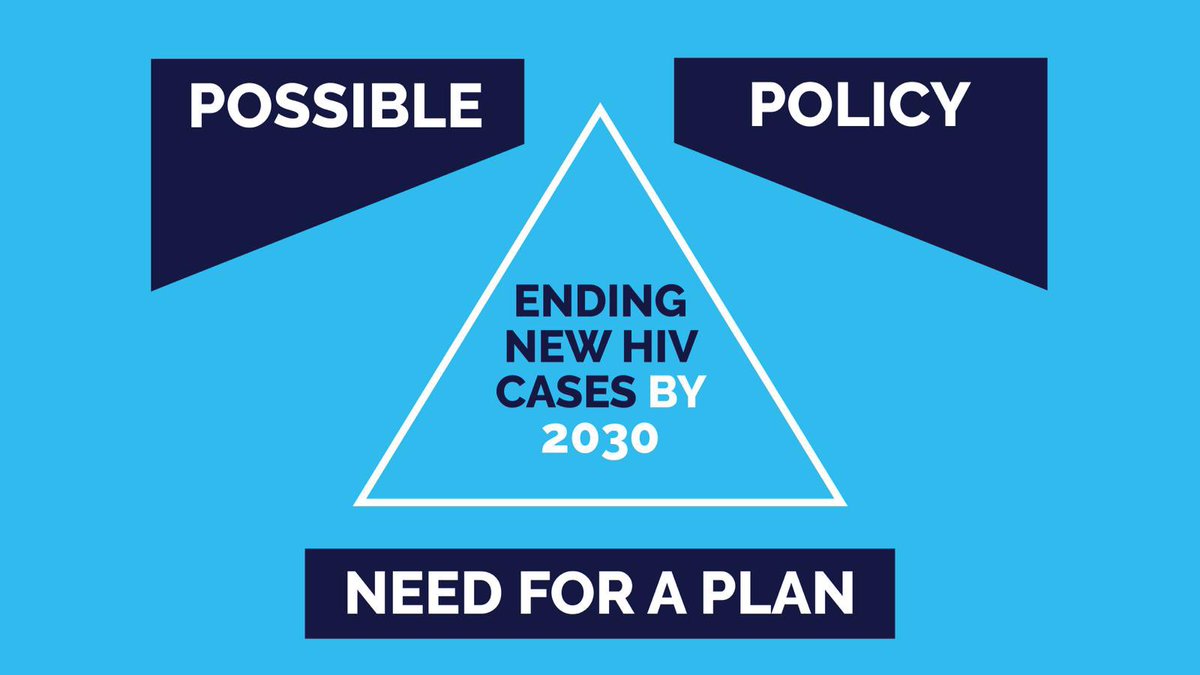
\u201cThere\u2019s nothing stopping progress but political will. We have 10 years, but not a minute to wait.\u201d
— Terrence Higgins Trust (@THTorguk) December 1, 2020
Thank you @Keir_Starmer for committing @UKLabour to ending new cases of HIV by 2030. #0HIVby30 pic.twitter.com/Au0LS8vJ6s
1. Fund opt-out HIV testing across the NHS
3. Action on late diagnoses and returning patients to care
4. A massive anti-stigma campaign
5. Mental health support for those living with HIV
In addition, @LGBTLabour have not one but two events with @THTorguk & @AlexNorrisNN. Sign up now: https://t.co/gzckIg8CoK
Get a T-shirt here: https://t.co/lg7uUwVrgm
More from Culture


@bellingcat's attempt in their new book, published by
@BloomsburyBooks, to coverup the @OPCW #Douma controversy, promote US and UK gov. war narratives, and whitewash fraudulent conduct within the OPCW, is an exercise in deception through omission. @BloomsburyPub @Tim_Hayward_
1) 2000 words are devoted to the OPCW controversy regarding the alleged chemical weapon attack in #Douma, Syria in 2018 but critical material is omitted from the book. Reading it, one would never know the following:
2) That the controversy started when the original interim report, drafted and agreed by Douma inspection team members, was secretly modified by an unknown OPCW person who had manipulated the findings to suggest an attack had occurred. https://t.co/QtAAyH9WyX… @RobertF40396660
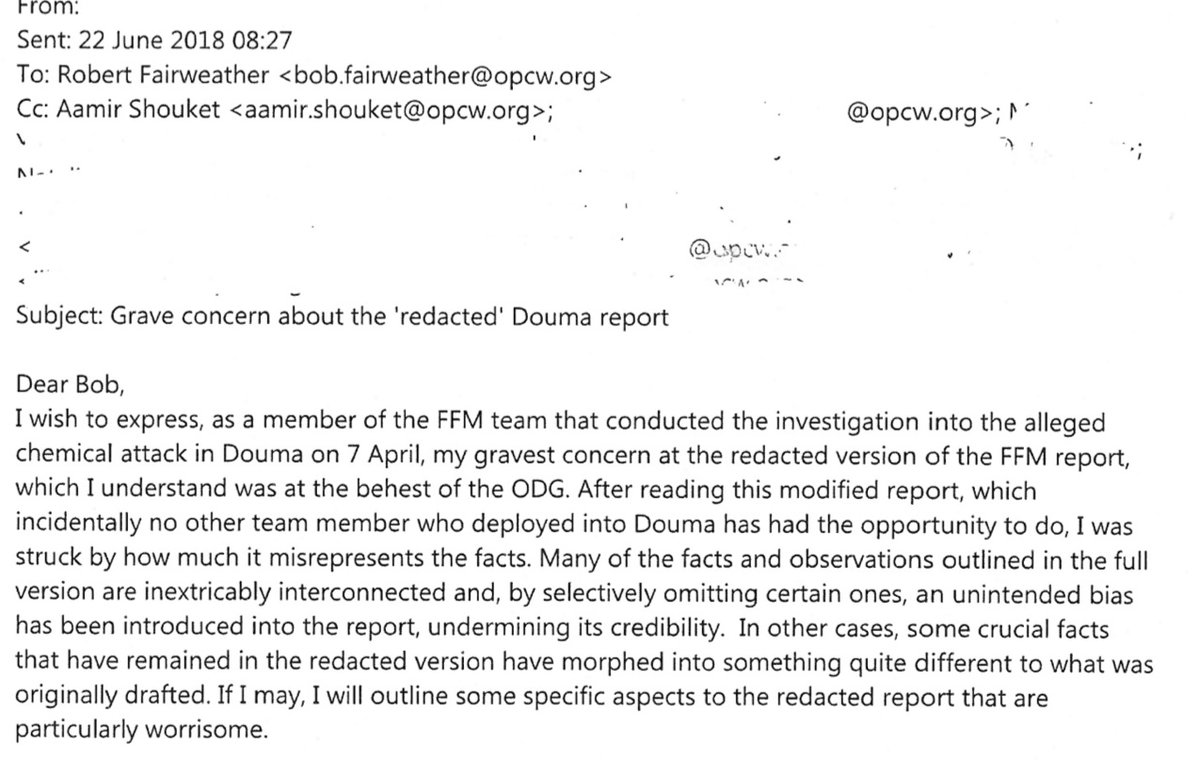
3) This act of attempted deception was only derailed because an inspector discovered the secret changes. The manipulations were reported by @ClarkeMicah
and can be readily observed in documents now available https://t.co/2BUNlD8ZUv….
4) @bellingcat's book also makes no mention of the @couragefoundation panel, attended by the @opcw's first Director General, Jose Bustani, at which an OPCW official detailed key procedural irregularities and scientific flaws with the Final Douma Report:
@BloomsburyBooks, to coverup the @OPCW #Douma controversy, promote US and UK gov. war narratives, and whitewash fraudulent conduct within the OPCW, is an exercise in deception through omission. @BloomsburyPub @Tim_Hayward_
\u201cAllegations of our involvement with the intelligence services are of course false,\u201d says Bellingcat founder @EliotHiggins https://t.co/55V7sJV9or
— UnHerd (@unherd) February 15, 2021
1) 2000 words are devoted to the OPCW controversy regarding the alleged chemical weapon attack in #Douma, Syria in 2018 but critical material is omitted from the book. Reading it, one would never know the following:
2) That the controversy started when the original interim report, drafted and agreed by Douma inspection team members, was secretly modified by an unknown OPCW person who had manipulated the findings to suggest an attack had occurred. https://t.co/QtAAyH9WyX… @RobertF40396660
3) This act of attempted deception was only derailed because an inspector discovered the secret changes. The manipulations were reported by @ClarkeMicah
and can be readily observed in documents now available https://t.co/2BUNlD8ZUv….
4) @bellingcat's book also makes no mention of the @couragefoundation panel, attended by the @opcw's first Director General, Jose Bustani, at which an OPCW official detailed key procedural irregularities and scientific flaws with the Final Douma Report: