attempt in their new book, published by
@BloomsburyBooks, to coverup the @OPCW #Douma controversy, promote US and UK gov. war narratives, and whitewash fraudulent conduct within the OPCW, is an exercise in deception through omission. @BloomsburyPub @Tim_Hayward_
\u201cAllegations of our involvement with the intelligence services are of course false,\u201d says Bellingcat founder @EliotHiggins https://t.co/55V7sJV9or
— UnHerd (@unherd) February 15, 2021
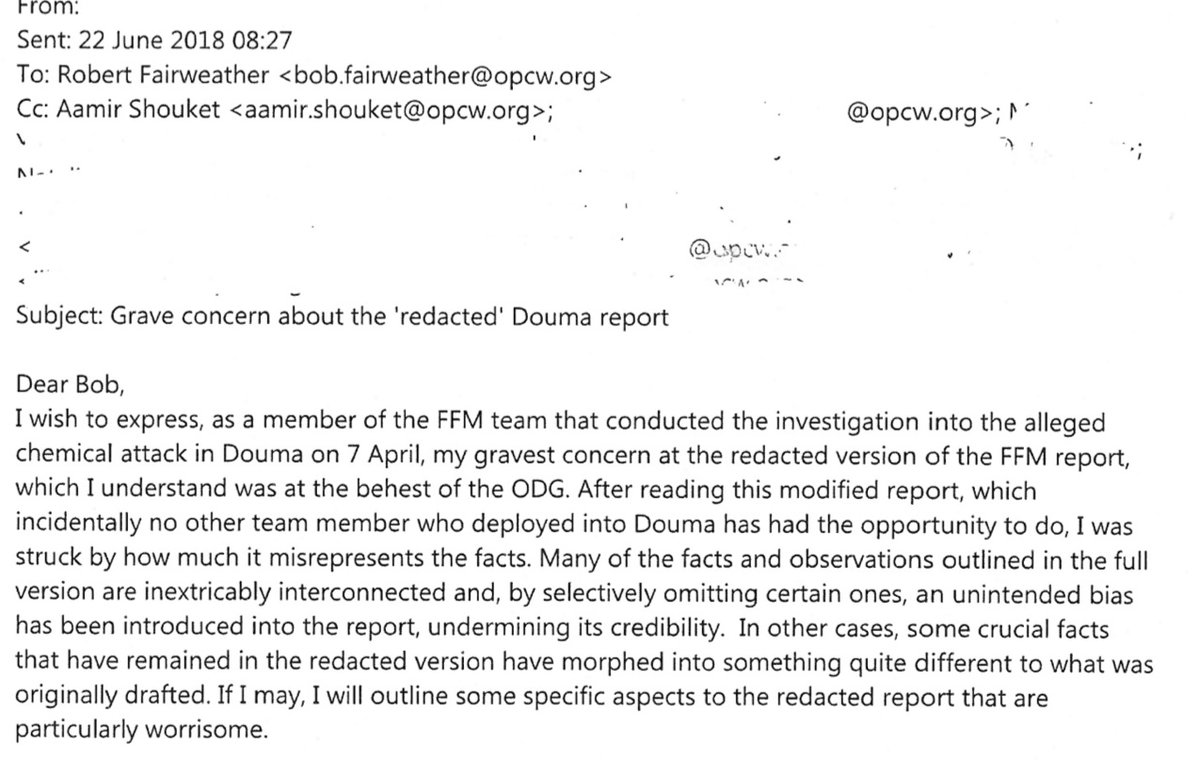
and can be readily observed in documents now available https://t.co/2BUNlD8ZUv…. https://t.co/9kEMqb6wR7
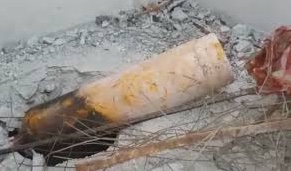
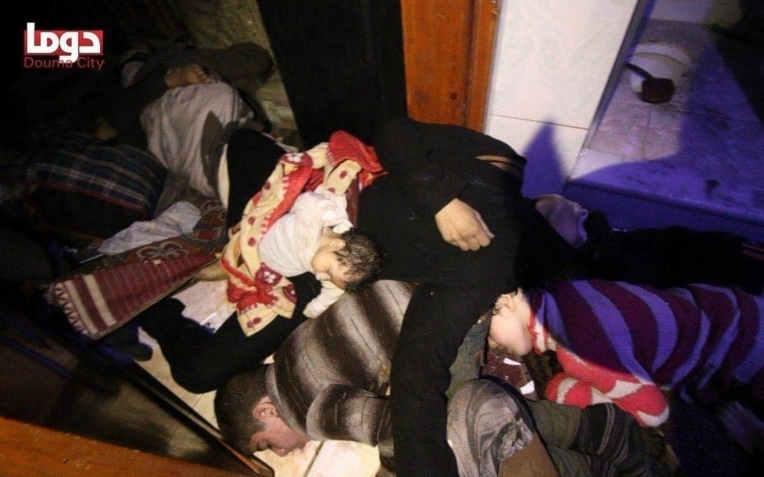
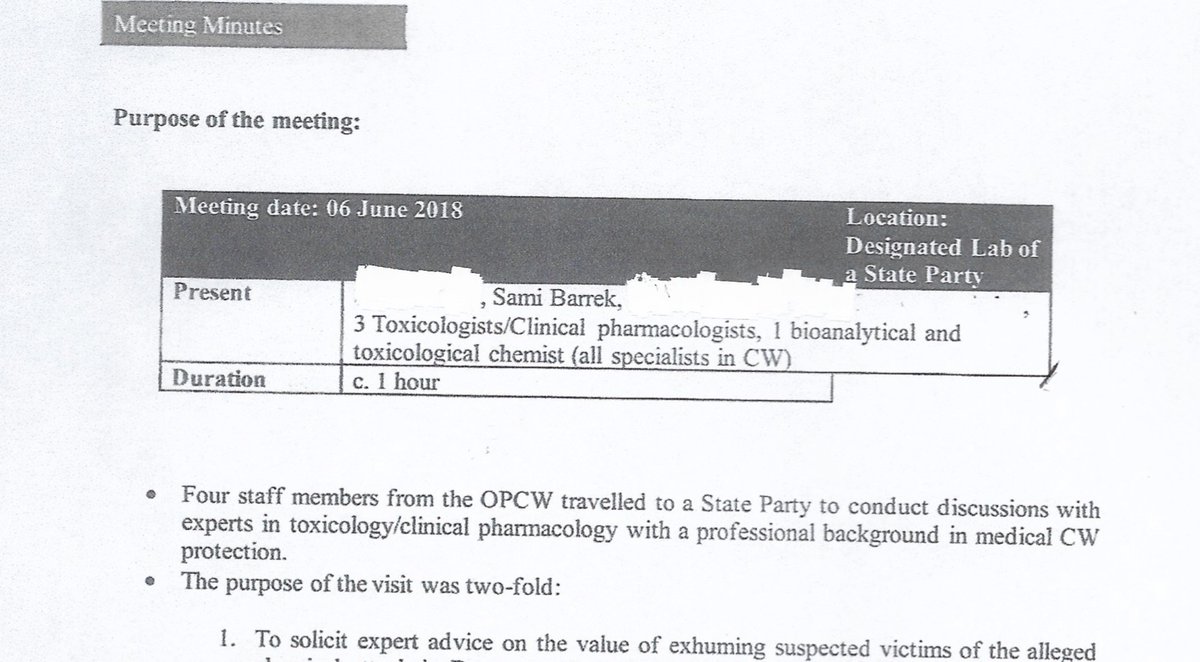
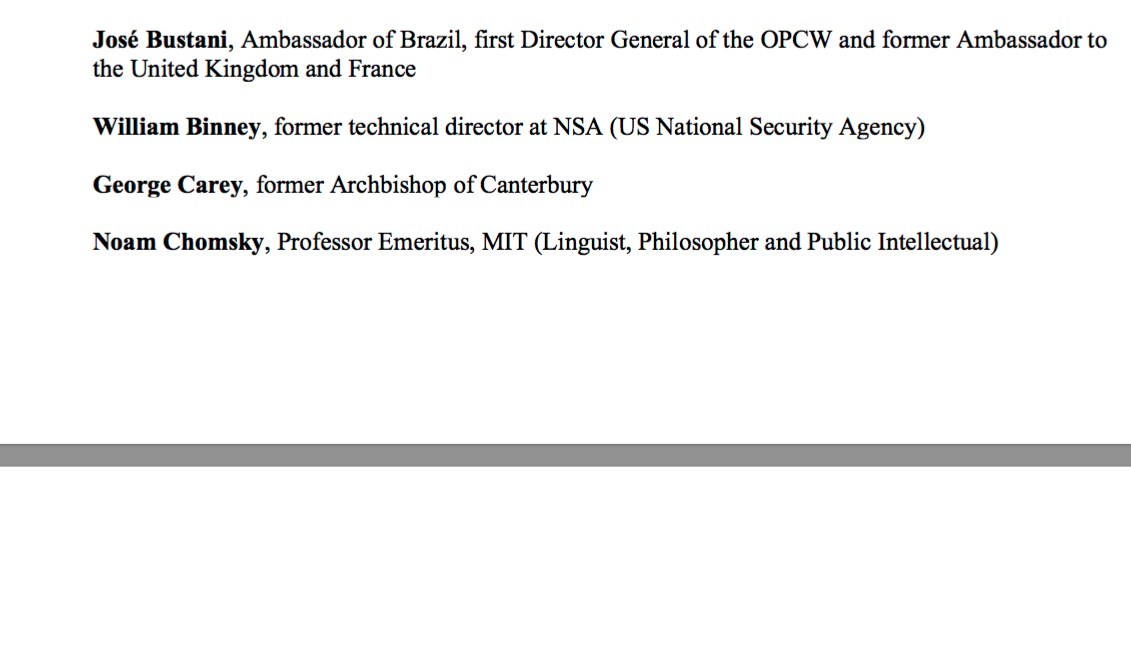
@couragefound panel that an open letter, signed by eminent figures including Noam Chomsky and Hans von Sponeck, was sent to all OPCW member states-https://t.co/IAp9lOcBZE But you will not learn about that in the Bellingcat book
@aaronjmate @thomasphipps @SJobDigital @McCormack_Tara
@RealDeeptiC @UK_OPCW @CanadaOPCW @NLatOPCW
@ClarkeMicah in the Mail on Sunday:- https://t.co/ZkluynYRmt…. @PeterCronau @OborneTweets @alextomo
controversy also conveniently forgets to mention the claim from a @BBC producer @Dalatrm that he could confirm the hospital scenes shot at Douma were staged:- https://t.co/YZwfPITgbr… @bbclysedoucet @BreesAnna @cerumol
After almost 6 months of investigations, i can prove without a doubt that the #Douma Hospital scene was staged. No fatalities occurred in the hospital.
— Riam Dalati (@Dalatrm) February 13, 2019
All the #WH, activists and people i spoke to are either in #Idlib or #EuphratesShield areas.
Only one person was in #Damascus.
#Douma #DoumaMassacre #DoumaProvocation
— Michael Kobs (@MichaKobs) April 13, 2018
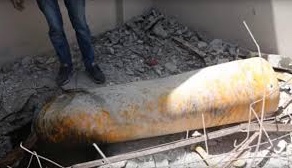
The tweet deleted by Eliot Higgins proves some serious manipulation of the chlorine cylinder. Probably this is the reason why he deleted it. Compare the deleted version to the later White Helmet version. pic.twitter.com/4JcyzIlFtm
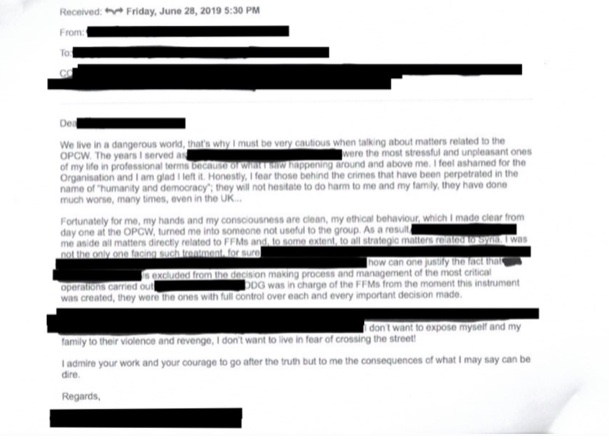
@bellingcat serve as their conduit. The description of the conditions within the OPCW described by this official appear accurate
@opcw Douma issue are available https://t.co/Giy4xbJ6wF…. And, in the coming months, more voices will come to be heard.
More from Culture






You May Also Like



I think a plausible explanation is that whatever Corbyn says or does, his critics will denounce - no matter how much hypocrisy it necessitates.
Corbyn opposes the exploitation of foreign sweatshop-workers - Labour MPs complain he's like Nigel
He speaks up in defence of migrants - Labour MPs whinge that he's not listening to the public's very real concerns about immigration:
He's wrong to prioritise Labour Party members over the public:
He's wrong to prioritise the public over Labour Party
One of the oddest features of the Labour tax row is how raising allowances, which the media allowed the LDs to describe as progressive (in spite of evidence to contrary) through the coalition years, is now seen by everyone as very right wing
— Tom Clark (@prospect_clark) November 2, 2018
Corbyn opposes the exploitation of foreign sweatshop-workers - Labour MPs complain he's like Nigel
He speaks up in defence of migrants - Labour MPs whinge that he's not listening to the public's very real concerns about immigration:
He's wrong to prioritise Labour Party members over the public:
He's wrong to prioritise the public over Labour Party