Why is it so difficult to understand what Bitcoin involves?

Because it affects various mental models.

Thread.

Inflection Point / Critical Mass:

The increase in the liquidity of the FED in 2020 due to Covid has generated a turning point in the BTC.

Investors have gone from thinking of BTC as a risky asset to thinking that the risk is not having it, increasing confidence towards it.
Compound Interest / Velocity:

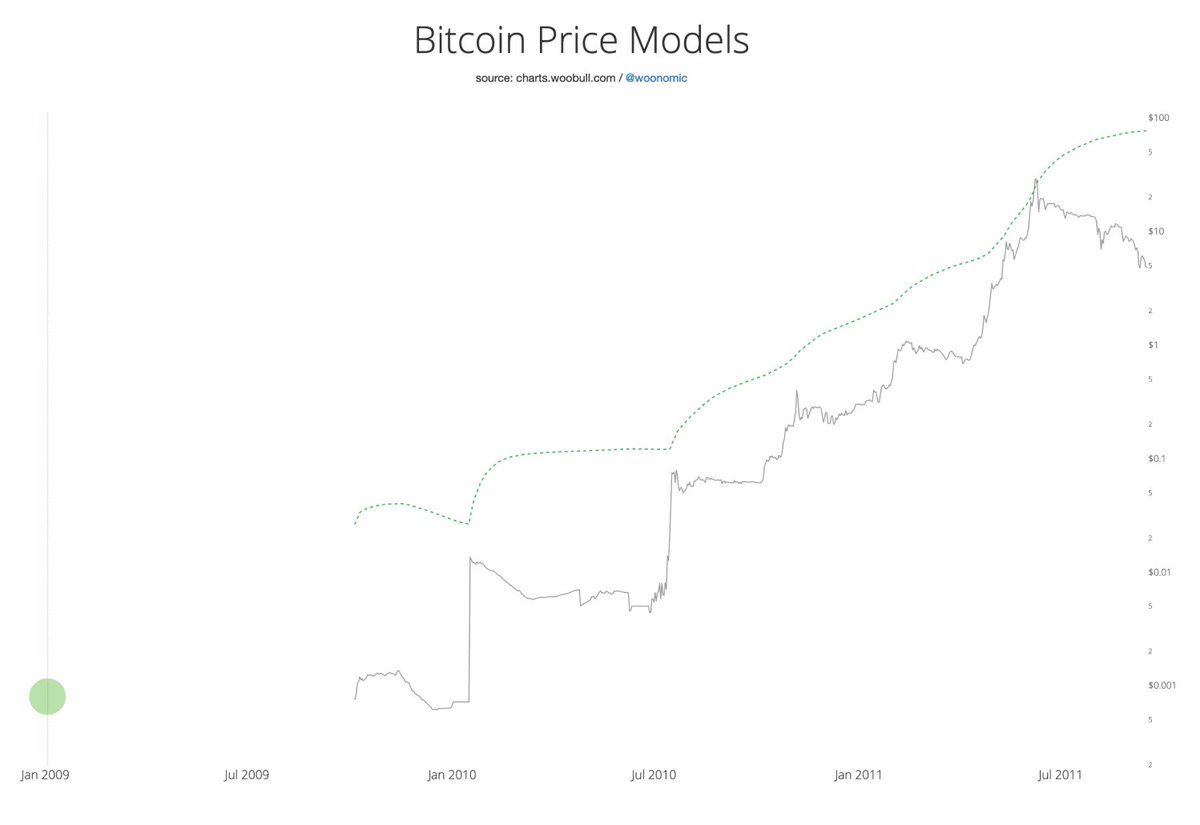
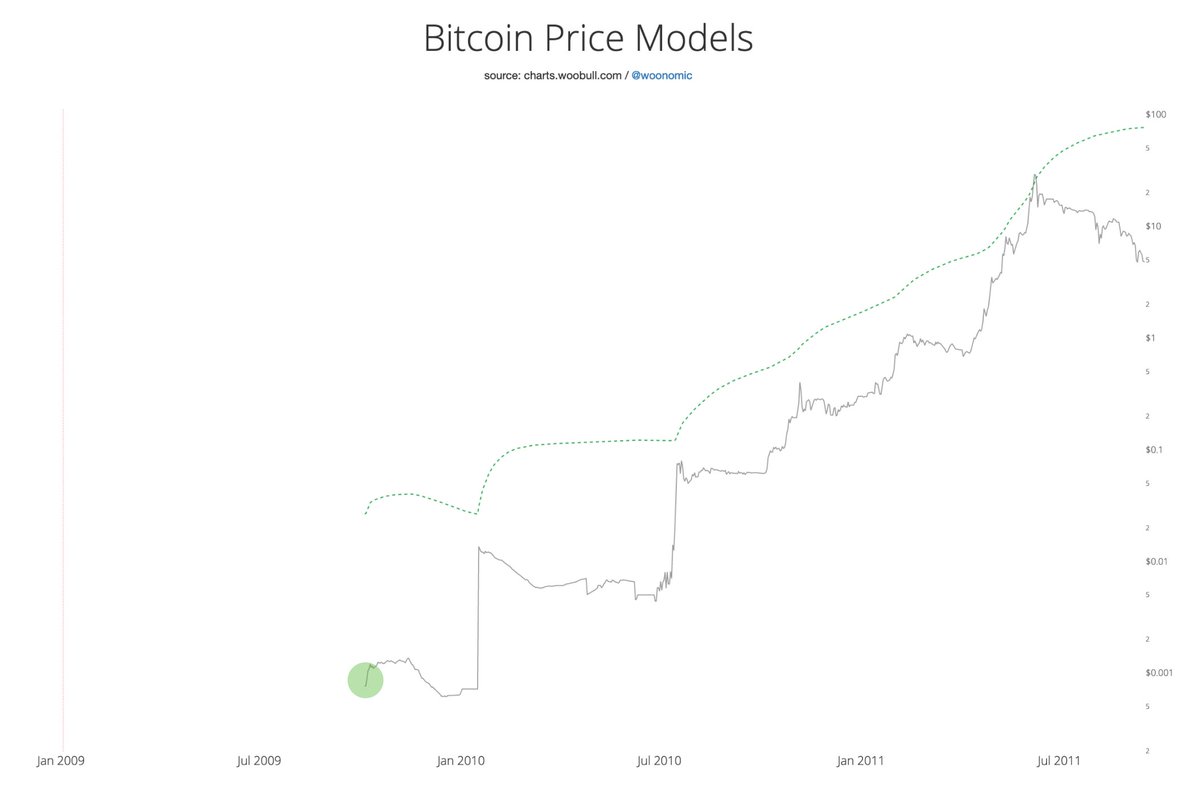
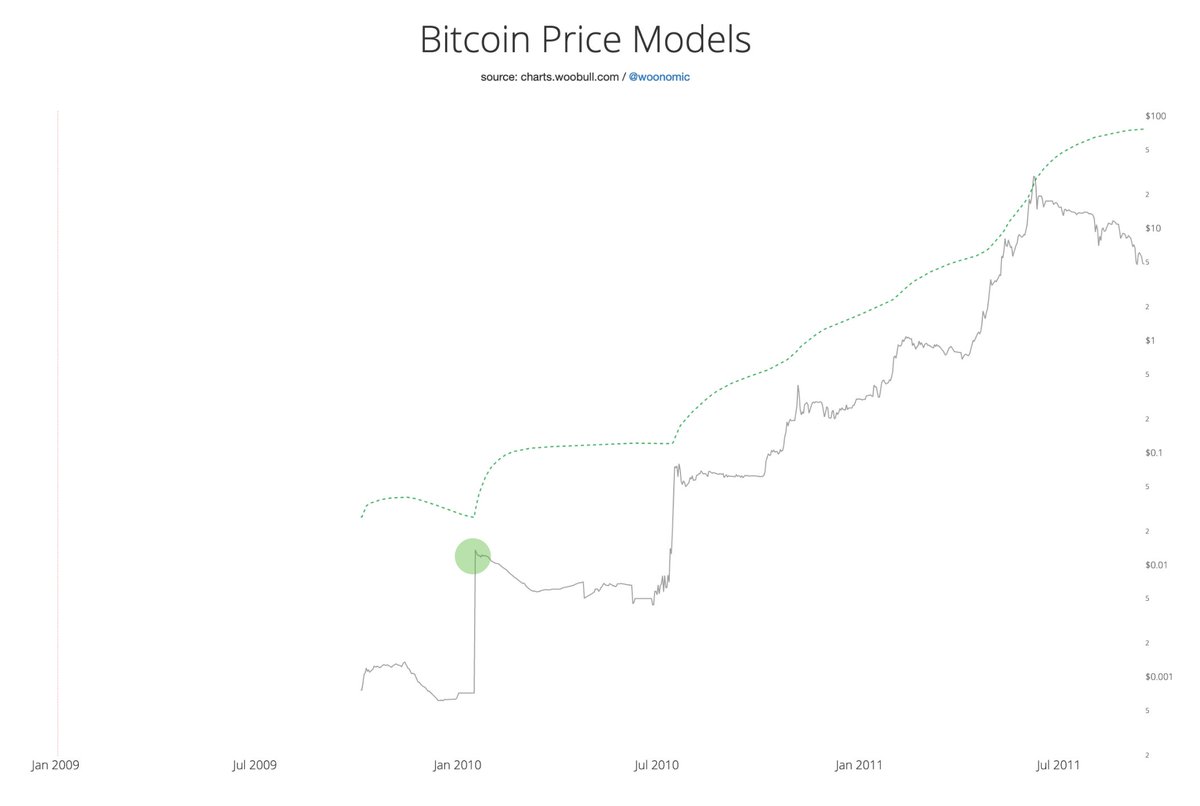
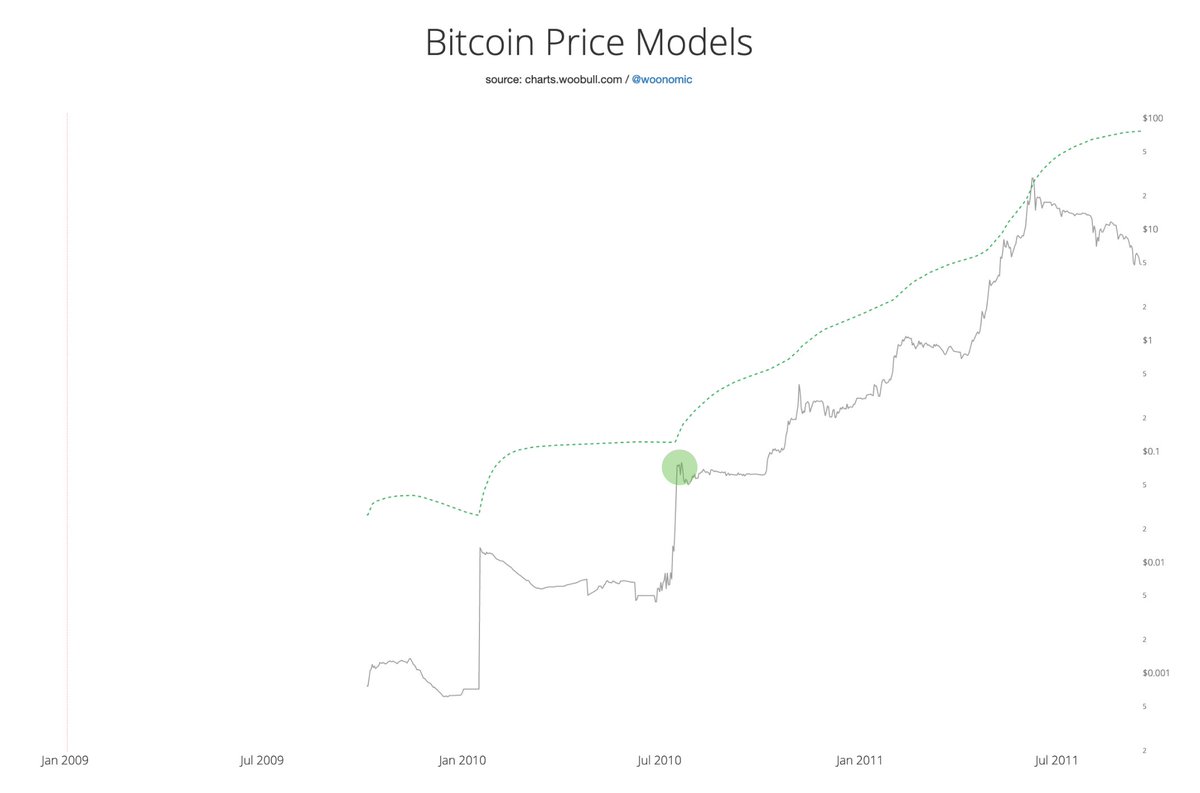
The BTC has gone from $400 to $40k in 5 years, which represents an annual return of 150%, 15 times more than the average stock market return.

This has been one of the largest and fastest creations of wealth in history.
Scarcity / Supply and Demand:

The greater the scarcity of an asset, the greater its value.

As BTC becomes popular, its demand increases, while its supply does not vary. Which makes the price go up.
Cooperation:

The BTC is decentralized.

Their trust is not based on the authority of a central bank, but on the cooperation of the population.

The greater the cooperation, the greater the trust and therefore the greater the value.
Opportunity cost:

More and more investors think that the opportunity cost of not having BTC is greater than having it, and therefore they buy it and its price continues to increase.

MOFO thinking increases.
Social-Proof Tendency / Feedback Loops:

We are social animals.

The more popular BTC is, the more we think we should buy it, and this increases its popularity and its price, making more people want to join and buy.
Network Effects:

In network-based systems, the first participant usually has a definite advantage over the followers.

There are other currencies similar to BTC, but its popularity means that the more people are connected to BTC, the more powerful it will be.
Incentives / Principal-Agent Problem / Inclusive Economic and Political Institutions:

Fiat currencies are issued by the agent (central banks), who don't have the same incentives as the principal (the population), devaluing the currency.

Especially relevant in corrupt countries.
Black Swan / Antifragility / Resilience:

Globalization increases the impact of unforeseeable events. Covid in 2020 is a good example. Faced with all these events, safe haven assets increase in value.

The greater the crisis, the greater the value of the safe haven assets.
Creative Destruction / Historic Recurrence:

For there to be progress, old models must be destroyed.

The monetary standard has changed throughout history, from salt to the dollar, to silver and gold.

Many think that BTC will be the new monetary standard.
If you want to think from mental models, get your copy:

https://t.co/IA6hnR1Lp6

More from Crypto

Michael Pettis @michaelxpettis argues that it is not always obvious who (China or the U.S.) adjusts best to "turbulent changes."
Bitcoin answers that question.
Thread:


World economies currently suffer four major redistribution challenges:
The most important is increasing government stealth use of the monetary system to confiscate assets from productive actors.
/2

That process is exacerbated by "Cantillon Effect" transfers to interest groups close to government ("the entitled class," public sector workers, the medical industrial complex, academia, etc....), which is destroying much of that wealth /3

The shadow nature (see Keynes) of government inflation makes the process unidentifiable, un-addressable and undemocratic.
The biggest victims (America's poorly educated young) are unequipped to counter generational confiscation tactics of today's wily senior beneficiaries. /4

Government control of the numéraire in key economic statistics (GDP, inflation, etc...) makes it impossible for economic actors to measure progress and liabilities. /5

You May Also Like