🚨🇬🇧🇪🇺🏴🇮🇪🚚🚚🇬🇧🇪🇺🚨
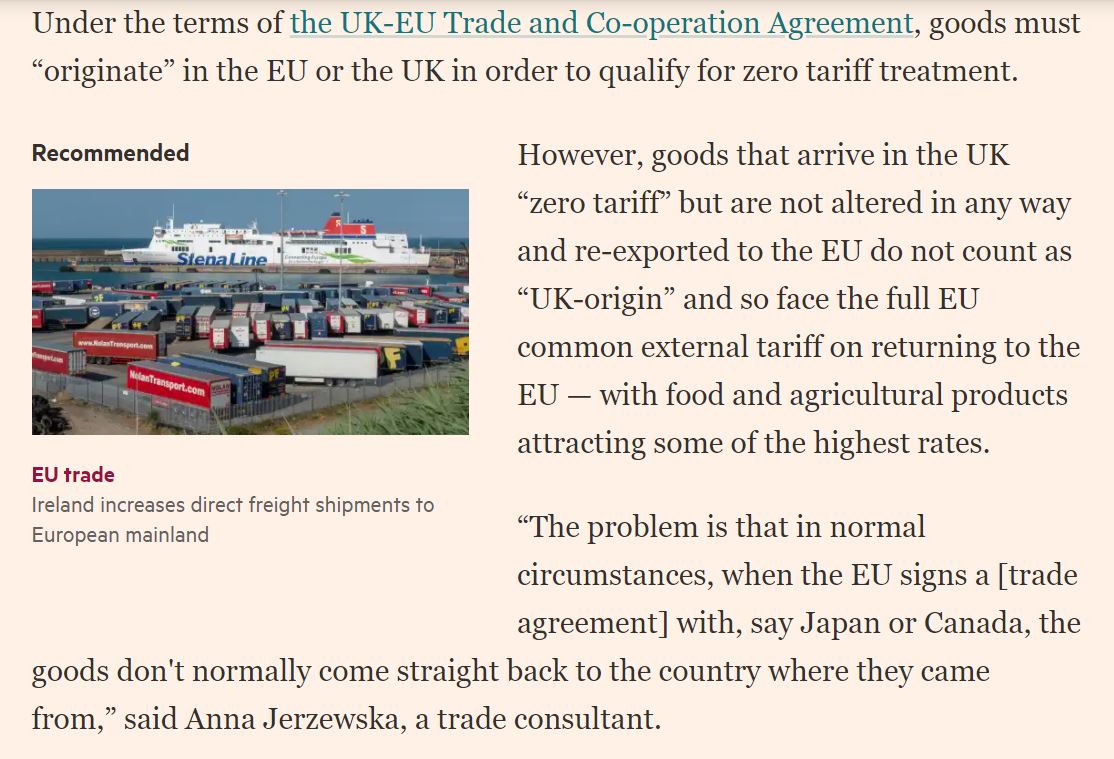
As #brexit talks drift towards the rocks, trade groups say plans for Irish Sea trade border after Brexit are ‘in a mess’ via, my latest via @FT ...this is an issue coming deal or no deal. Stay with me 1/

https://t.co/vSgU5LlZ31


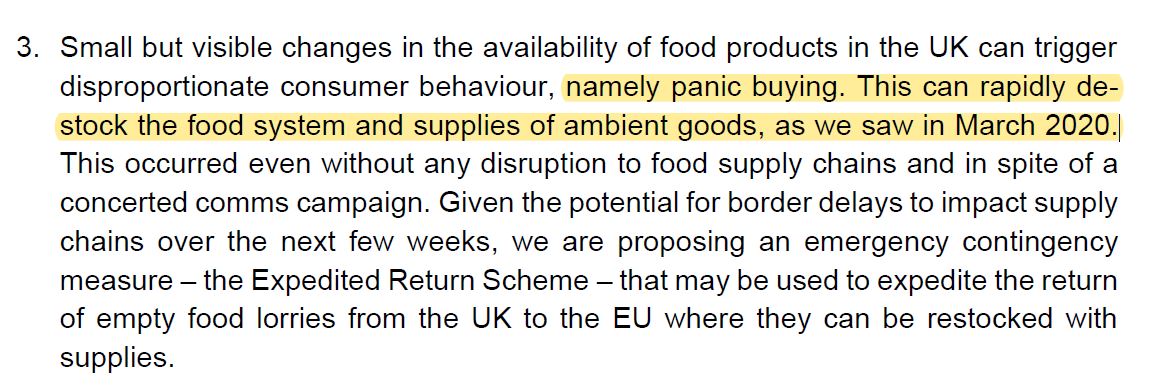
At the same time Defra is unable to answer basic questions..../11
Leaving aside how chicken currently in cold storage will get a health certificate which it will need after Jan 1 if going to NI...but didn't when it was delivered?
It can be make to work, but its complex and needs time /13
Negotiatiors on both sides say a one-year 'implementation' period won't happen...but there will need to be flexibility /15
More from Peter Foster
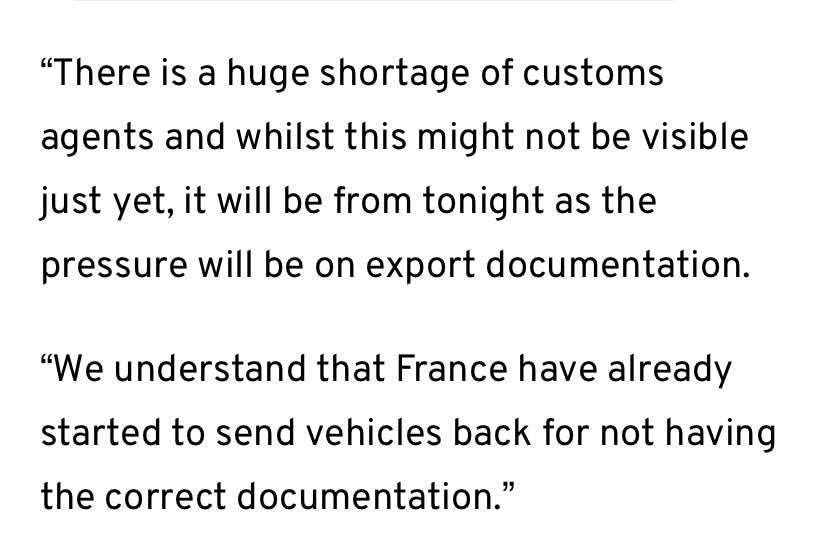
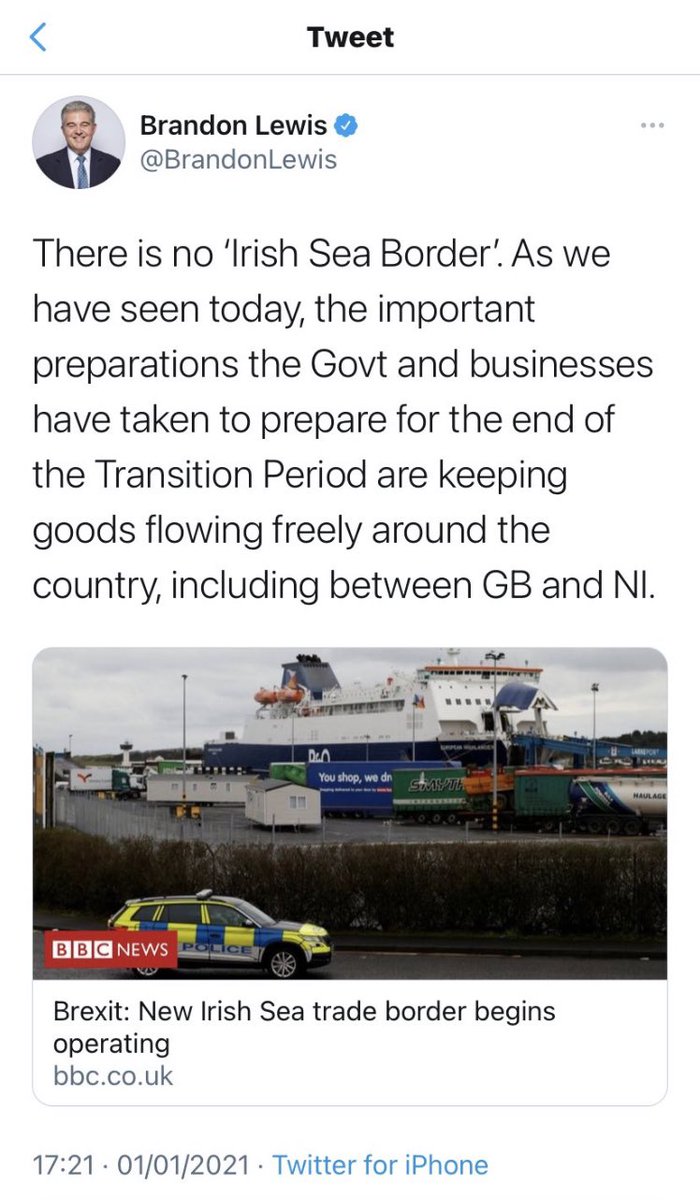
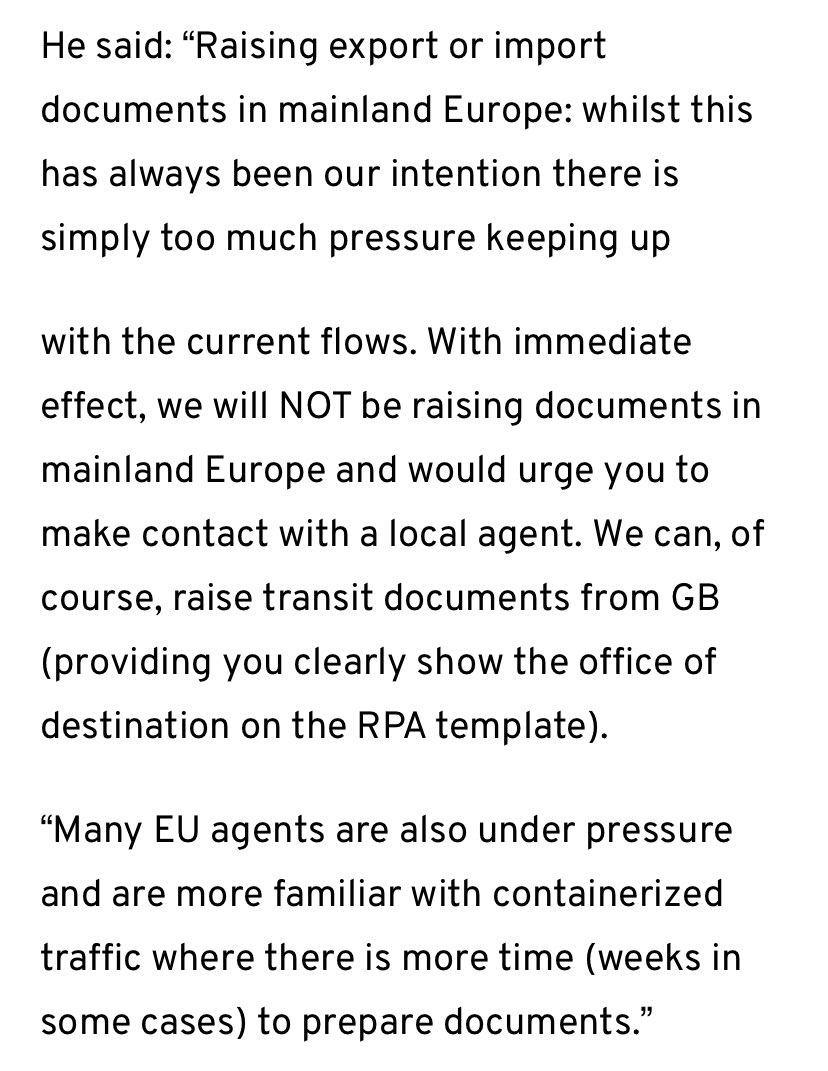

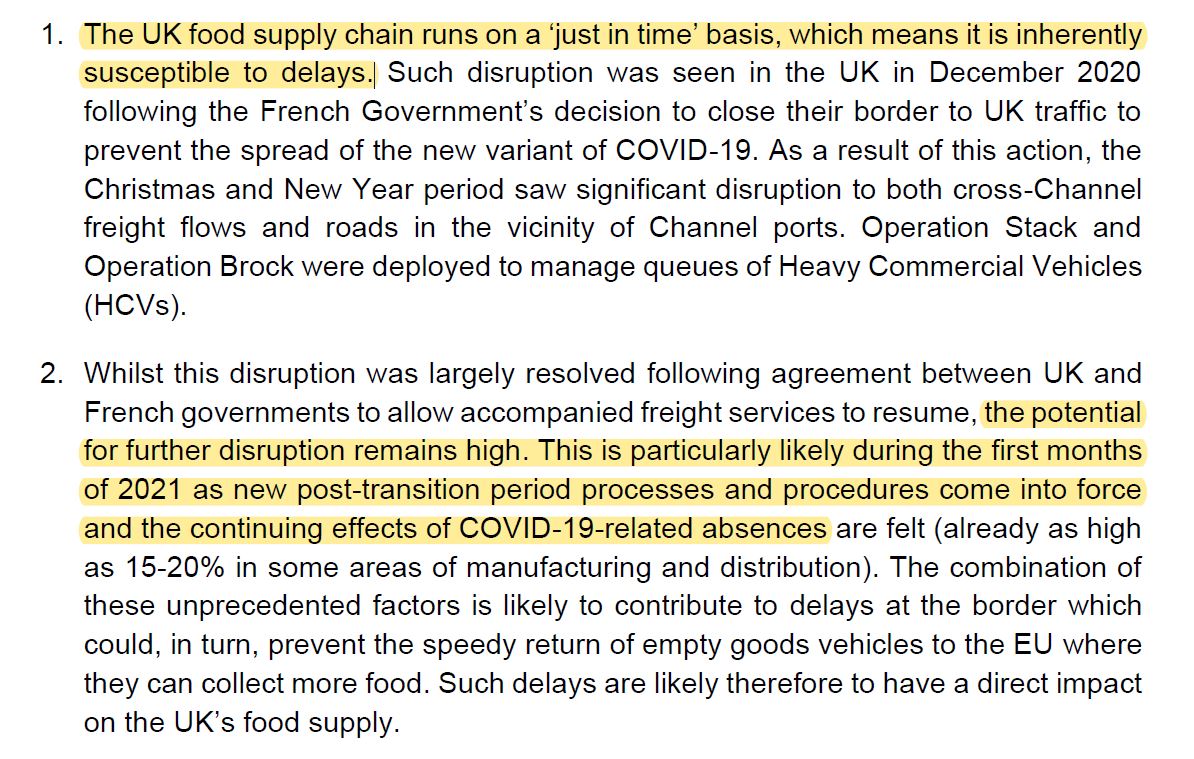
So. The hunt is on in Whitehall for #brexit dividends...to show some clear value in the freedoms given by Brexit.
As we report today one area being looked at is workers' rights...but it is politically difficult territory.
No cabinet decisions have been taken, but per sources, three potential areas been identified in Business Dept...
- the 48 Hour Week
- holiday pay/overtime calculations
- new EU rules on reporting hours worked...
All potentially possible post #brexit /2
The government says it has no intention of “lowering” workers’ rights....and notes that UK has actually gold-plated many EU regulations...BUT (think of government saying it won't "lower" animal welfare standards)...the devil will all be in the detail, if and when it comes /3
So the government likes to talk about ensuring workers’ rights are protected but ALSO making sure businesses has freedoms and flexibility to grow...so one man's reduction in rights is another freedom to get richer/work harder/be more prosperous. It depends how you sell it. /4
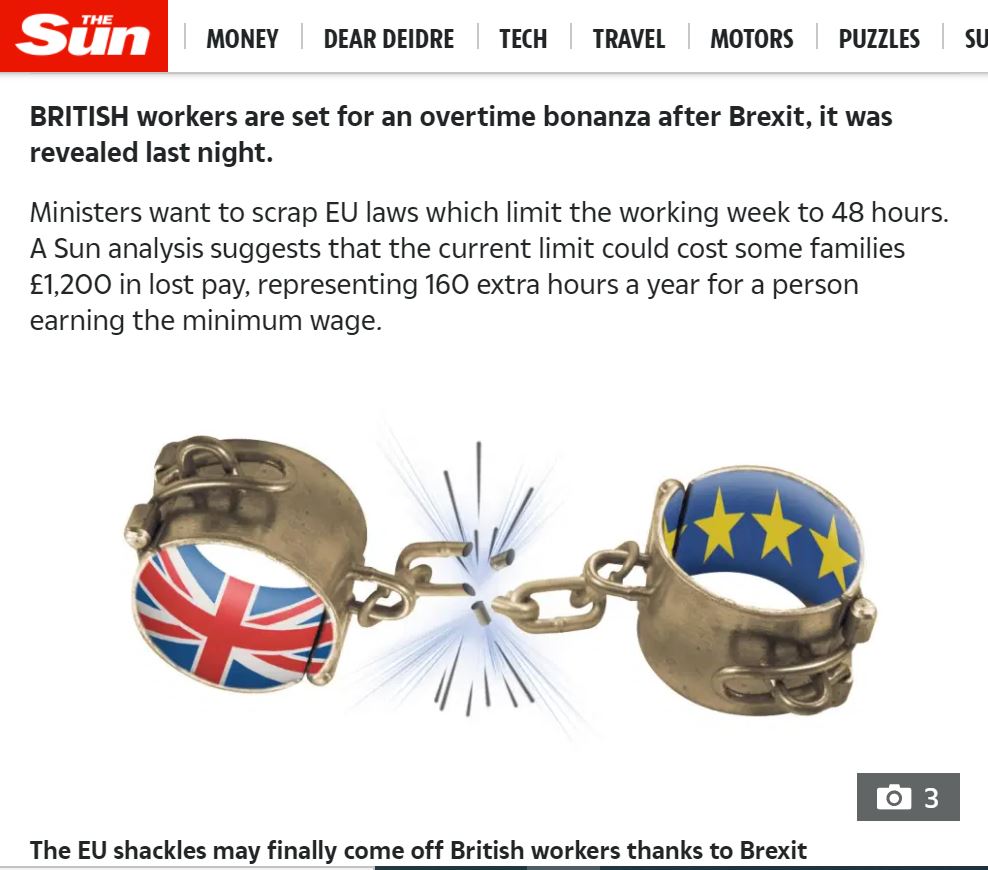
So take this 2017 story from The Sun on the cash bonanza that will be rained down on hardworking families by Brexiteers' (long standing) desire to scrap the 48-hour week. Overtime booooom..../5
https://t.co/QLqQ7rCzkv
As we report today one area being looked at is workers' rights...but it is politically difficult territory.
No cabinet decisions have been taken, but per sources, three potential areas been identified in Business Dept...
- the 48 Hour Week
- holiday pay/overtime calculations
- new EU rules on reporting hours worked...
All potentially possible post #brexit /2
The government says it has no intention of “lowering” workers’ rights....and notes that UK has actually gold-plated many EU regulations...BUT (think of government saying it won't "lower" animal welfare standards)...the devil will all be in the detail, if and when it comes /3
So the government likes to talk about ensuring workers’ rights are protected but ALSO making sure businesses has freedoms and flexibility to grow...so one man's reduction in rights is another freedom to get richer/work harder/be more prosperous. It depends how you sell it. /4
So take this 2017 story from The Sun on the cash bonanza that will be rained down on hardworking families by Brexiteers' (long standing) desire to scrap the 48-hour week. Overtime booooom..../5
https://t.co/QLqQ7rCzkv
More from Brexit


Two excellent questions at the end of a very sensible thread summarising the post-Brexit UK FP debate. My own take at attempting to offer an answer - ahead of the IR is as follow:
1. The two versions have a converging point: a tilt to the Indo-pacific doesn’t preclude a role as a convening power on global issues;
2. On the contrary, it underwrites the credibility for leadership on global issues, by seeking to strike two points:
A. Engaging with a part of the world in which world order and global issues are central to security, prosperity, and - not least - values;
B. Propelling the UK towards a more diversified set of economic, political, and security ties;
3. The tilt towards the Indo-Pacific whilst structurally based on a realist perception of the world, it is also deeply multilateral. Central to it is the notion of a Britain that is a convening power.
4. It is as a result a notion that stands on the ability to renew diplomacy;
5. It puts in relation to this a premium on under-utilised formats such as FPDA, 5Eyes, and indeed the Commonwealth - especially South Pacific islands;
6. It equally puts a premium on exploring new bilateral and multilateral formats. On former, Japan, Australia. On latter, Quad;
Both the @ChathamHouse and @Policy_Exchange reports are excellent and leave a healthy tension to the UK foreign policy debate. I\u2019m left with two questions that won\u2019t go away. Is the first underestimating how the world has changed. Is the second overestimating Britain\u2019s capacity?
— Ben Judah (@b_judah) January 11, 2021
1. The two versions have a converging point: a tilt to the Indo-pacific doesn’t preclude a role as a convening power on global issues;
2. On the contrary, it underwrites the credibility for leadership on global issues, by seeking to strike two points:
A. Engaging with a part of the world in which world order and global issues are central to security, prosperity, and - not least - values;
B. Propelling the UK towards a more diversified set of economic, political, and security ties;
3. The tilt towards the Indo-Pacific whilst structurally based on a realist perception of the world, it is also deeply multilateral. Central to it is the notion of a Britain that is a convening power.
4. It is as a result a notion that stands on the ability to renew diplomacy;
5. It puts in relation to this a premium on under-utilised formats such as FPDA, 5Eyes, and indeed the Commonwealth - especially South Pacific islands;
6. It equally puts a premium on exploring new bilateral and multilateral formats. On former, Japan, Australia. On latter, Quad;