Much Required New Website and
More from Tar ⚡
120: It's just a power exchange
250: Electricity in India won't grow
300: It just makes 4paise per trade
350: MBED will erode it's profitablilty
500: Maybe what @itsTarH said about IEX = NSE + Zerodha was right
570: Buys IEX
#JourneyOfAPessimist
250: Electricity in India won't grow
300: It just makes 4paise per trade
350: MBED will erode it's profitablilty
500: Maybe what @itsTarH said about IEX = NSE + Zerodha was right
570: Buys IEX
#JourneyOfAPessimist
Zerodha + NSE = IEX \U0001f4a1\u26a1\ufe0f
— Tar \u26a1 (@itsTarH) June 20, 2021
And just to clarify before people start posting
"Rocket Emojis with to the moon tags"
this business wouldn't hit 3lk cr market cap in next 3 yrs but it can steadily compound at 25-30% YoY for next 10 yrs
At 25% CAGR over 10 yrs, you get a 10 bagger
Keep expectations in check.
"Rocket Emojis with to the moon tags"
this business wouldn't hit 3lk cr market cap in next 3 yrs but it can steadily compound at 25-30% YoY for next 10 yrs
At 25% CAGR over 10 yrs, you get a 10 bagger
Keep expectations in check.
Lets talk results #lauruslabs
— Tar \u26a1 (@itsTarH) July 29, 2021
Always zoom out and view the results, never take a QoQ approach.
Here is how Sales, Op.Profit and PAT looks like when you zoom out.
The upwards trends continues.
No business will move linearly up or linearly down. pic.twitter.com/O9UUt1rEE5


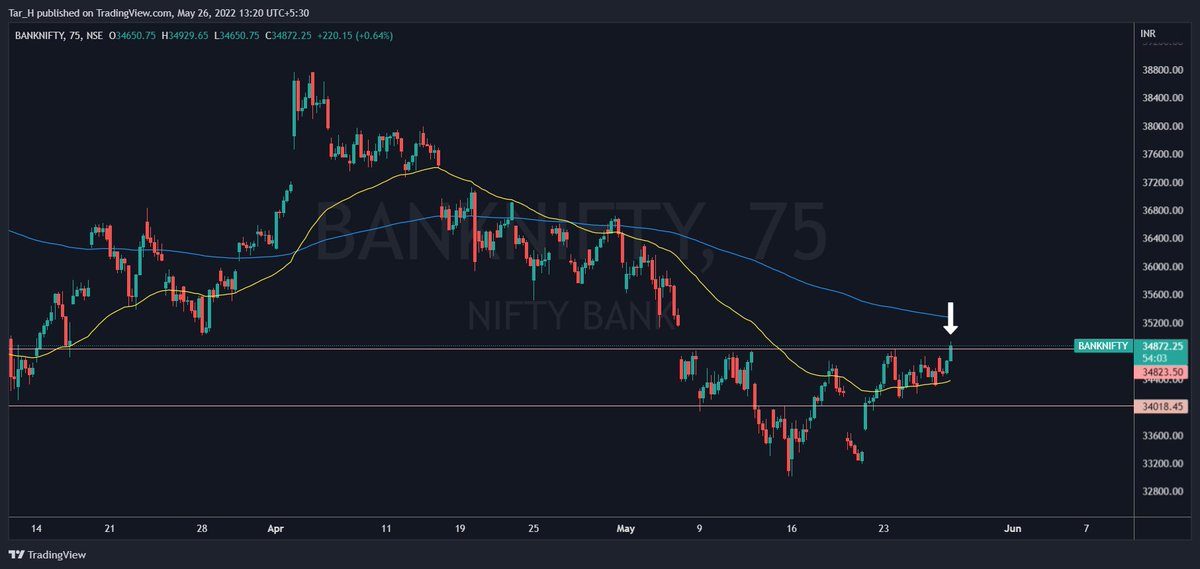
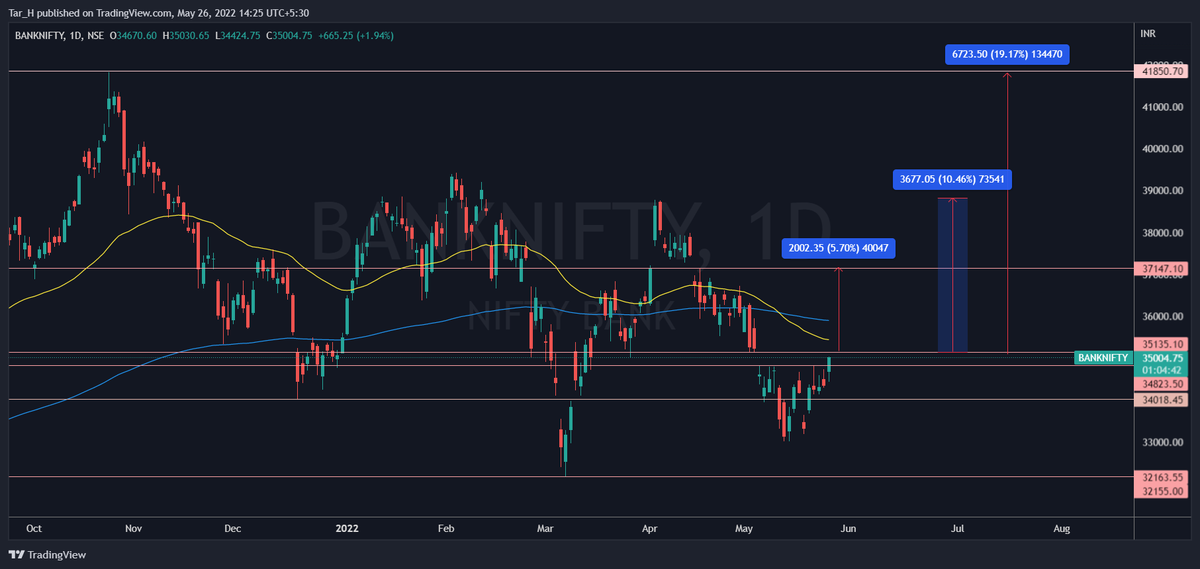
Most of the indices are entering oversold territories
Take small cap index for example
Whenever Monthly RSI is below or around 40, the index bottoms out
We are getting there.
If I had 50% cash, I would have deployed some in beaten down stocks where earnings growth is intact. https://t.co/t5WwgH1V5o
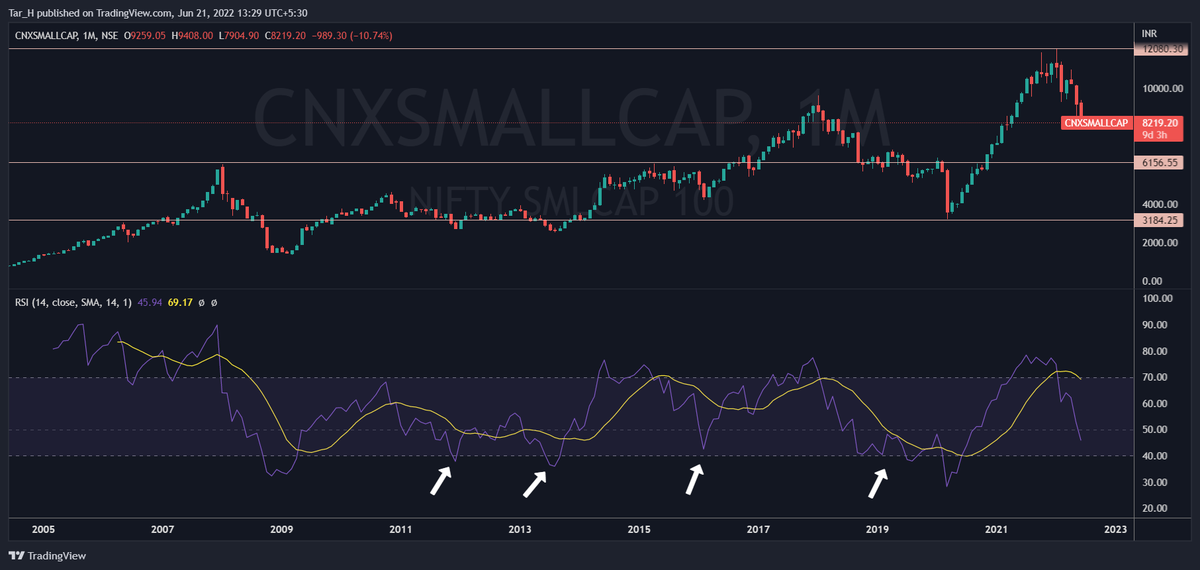
Take small cap index for example
Whenever Monthly RSI is below or around 40, the index bottoms out
We are getting there.
If I had 50% cash, I would have deployed some in beaten down stocks where earnings growth is intact. https://t.co/t5WwgH1V5o
I have more than 50% cash but still worried if this is a good time. Will invest 20% by EoY
— Tamil Metaverse (@TamilMetaverse) June 21, 2022
You May Also Like

To people who are under the impression that you can get rich quickly by working on an app, here are the stats for https://t.co/az8F12pf02
📈 ~12000 vistis
☑️ 109 transactions
💰 353€ profit (285 after tax)
I have spent 1.5 months on this app. You can make more $ in 2 days.
🤷♂️

I'm still happy that I launched a paid app bcs it involved extra work:
- backend for processing payments (+ permissions, webhooks, etc)
- integration with payment processor
- UI for license activation in Electron
- machine activation limit
- autoupdates
- mailgun emails
etc.
These things seemed super scary at first. I always thought it was way too much work and something would break. But I'm glad I persisted. So far the only problem I have is that mailgun is not delivering the license keys to certain domains like https://t.co/6Bqn0FUYXo etc. 👌
omg I just realized that me . com is an Apple domain, of course something wouldn't work with these dicks
📈 ~12000 vistis
☑️ 109 transactions
💰 353€ profit (285 after tax)
I have spent 1.5 months on this app. You can make more $ in 2 days.
🤷♂️
I'm still happy that I launched a paid app bcs it involved extra work:
- backend for processing payments (+ permissions, webhooks, etc)
- integration with payment processor
- UI for license activation in Electron
- machine activation limit
- autoupdates
- mailgun emails
etc.
These things seemed super scary at first. I always thought it was way too much work and something would break. But I'm glad I persisted. So far the only problem I have is that mailgun is not delivering the license keys to certain domains like https://t.co/6Bqn0FUYXo etc. 👌
omg I just realized that me . com is an Apple domain, of course something wouldn't work with these dicks