1/ Satoshi’s Vision™ is a silly endeavor, as it doesn’t matter what it was, we are where we are now. However, those pushing the “Bitcoin was first made for payments” narrative insist on cherry-picking sentences from the white paper and forum posts to champion their perspective.
“[with Bitcoin] we can win a major battle in the arms race and gain a new territory of freedom for several years.” — Satoshi Nakamoto
“Bitcoin [is] more like a collectible or commodity.” - Satoshi
Satoshi here clearly highlights that Bitcoin’s scarcity gives it value… as a SoV. Limited supply is meaningless for VISA
Bitcoin’s launch during the 08' financial crisis was not coincidental. Satoshi had been coding Bitcoin for the last 2 years. Let’s look at the sequence of events
Sept 15: Lehman Brothers files for bankruptcy, the largest in U.S. history ($600B)
Sept 17: Investors withdrew a record $144B from their money market accounts. During a typical week, only about $7B is withdrawn
Oct 13: Treasury Secretary Paulson talks with 9 major bank CEOs. The total bailout package ~$2.25T
Oct 21: Fed lends $540B to bail out money market funds
Oct 31: Satoshi publishes the Bitcoin whitepaper
https://t.co/Bf8X1VI7Qo
“A purely peer-to-peer version of electronic [bearer assets] that would allow online payments to be sent directly from one party to another without going through a financial institution."
@pierre_rochard
Aka the whitepaper was marketing, the important details are coming.
“The Times 03/Jan/2009 Chancellor on brink of second bailout for banks”
What he was trying to accomplish was clear, he wanted to build a new backbone for the financial system. Bitcoin isn't merely digital cash, but an alternative to banks.
SoV and MoE aren’t mutually exclusive. It’s about where in the cycle of appreciation we’re in. At maturity, the payment use case finally makes sense.
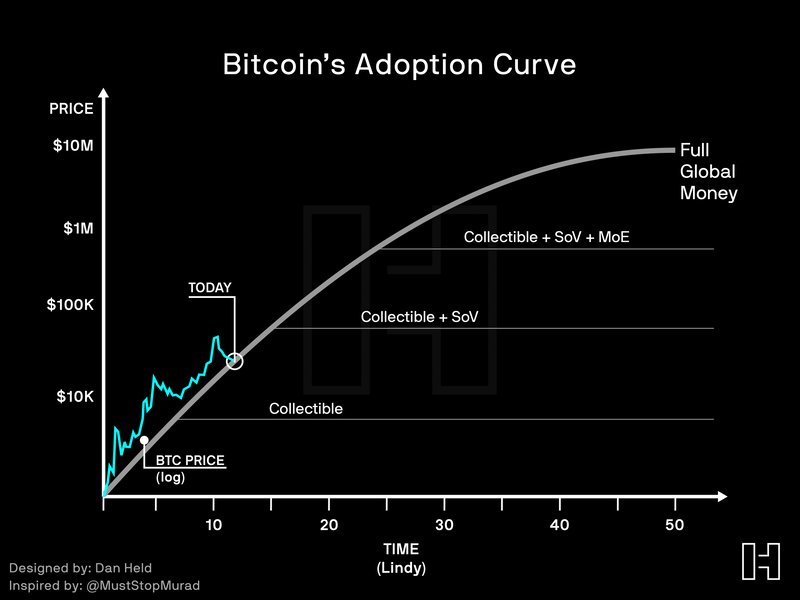
https://t.co/C6kpf8cjKX
A/ Satoshi used it to attract the cypherpunks
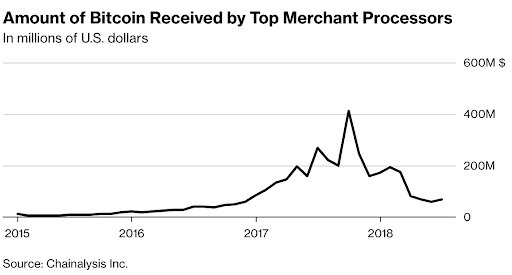
B/ HODLing isn’t good for business. In order to command higher valuations, startups latched onto narratives that VCs would fund. And in 2013-2016 that was “merchant processing.”
and @ChangeTip, both attempted to get people to use Bitcoin for payments. Consumers couldn't care less, which is entirely intuitive: right now it’s not faster, cheaper, or easier to use for 99.99% of use cases.
https://t.co/TYJDEruzvc
More from Dan Held
1/ [December Bitcoin yield update]
Over the last year and a half, I’ve earned ~1.2BTC with various yield generating services to earn an average of 5% on 30 BTC.
Here’s my journey and how to guide👇
2/ Here are the ways you can earn yield:
Lending (Easiest/most popular)
Yield: 3-6%
- Ledn: https://t.co/4x0YATuQ0v
- BlockFi: https://t.co/90Xtg2cNka
Covered calls (Harder)
Yield: 1-80%
- Deribit: https://t.co/2iQVkXlylP
- LedgerX:
3/ Earning a yield enables you to stack more sats (what I’m doing), or reduce the temptation to sell your coin through earning an income.
The yield you earn comes with RISK!
Below is my current allocation for Dec (will update MoM)
(yellow = changes)
https://t.co/PZwVYs8lFT
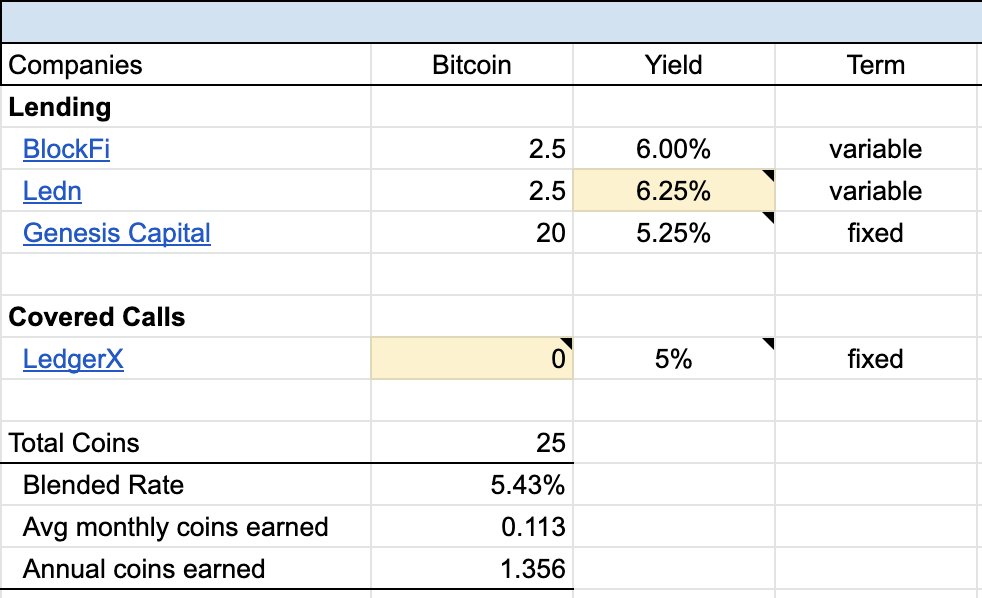
4a/ [Nov > Dec Changelog]
- Covered calls: approx. 4 BTC was in $40k 12/28/20 contracts. Those closed without them being exercised (a good outcome for me). However, I was nervous about my January 1/28 $50k contract so I decided to close out my position at a small loss.
4b/ [Nov > Dec Changelog]
- In process of reallocating the 5 BTC (probably will be a lending platform).
- I incorrectly had my Ledn rate at 6.5%, it's 6.25%
Over the last year and a half, I’ve earned ~1.2BTC with various yield generating services to earn an average of 5% on 30 BTC.
Here’s my journey and how to guide👇
2/ Here are the ways you can earn yield:
Lending (Easiest/most popular)
Yield: 3-6%
- Ledn: https://t.co/4x0YATuQ0v
- BlockFi: https://t.co/90Xtg2cNka
Covered calls (Harder)
Yield: 1-80%
- Deribit: https://t.co/2iQVkXlylP
- LedgerX:
3/ Earning a yield enables you to stack more sats (what I’m doing), or reduce the temptation to sell your coin through earning an income.
The yield you earn comes with RISK!
Below is my current allocation for Dec (will update MoM)
(yellow = changes)
https://t.co/PZwVYs8lFT
4a/ [Nov > Dec Changelog]
- Covered calls: approx. 4 BTC was in $40k 12/28/20 contracts. Those closed without them being exercised (a good outcome for me). However, I was nervous about my January 1/28 $50k contract so I decided to close out my position at a small loss.
4b/ [Nov > Dec Changelog]
- In process of reallocating the 5 BTC (probably will be a lending platform).
- I incorrectly had my Ledn rate at 6.5%, it's 6.25%

More from Bitcoin

$BTC: Two Bitcoin FUDs to address this Thanksgiving weekend:
1. China PlusToken FUD: Old news. Please see linked thread.
2. U.S. Treasury FUD: Read thread below...
1/ These news are much more relevant, as they imply severe trade-offs for people who want to keep their bitcoins undoxxed, with the cost and risks of doing so. I would not disqualify the tweet as mere FUD in the sense that what he posted is false. It should be taken seriously.
2/ For all we know, his decision of making it public before TG weekend may come out of the urgency of informing CT of a poignant anti-Bitcoin move by a Trump administration trying to cut lose ends before leaving office—not just "price manipulation" as I've seen suggested around.
3/ It implies the acceleration of a process already planned for for months in advance, not something he just came up with to "crash the market."
4/ In practicality, assuming this passes, it will have two major consencuences:
a. Armstrong's analysis is correct. And I would go further in saying, this regulation would leave the U.S. severely handicapped to continue to be the leader in the cryptocurrency industry worldwide.
1. China PlusToken FUD: Old news. Please see linked thread.
2. U.S. Treasury FUD: Read thread below...
$BTC:
— David Puell (@kenoshaking) November 27, 2020
1/ So here's the deal with all the PlusToken news we've been seeing recently in the crypto media. Thing is, tho it's just being reported now after the Chinese government put out official balances, @ErgoBTC blew this story open for the on-chain community over a year ago... https://t.co/epNjZaNcJ1
1/ These news are much more relevant, as they imply severe trade-offs for people who want to keep their bitcoins undoxxed, with the cost and risks of doing so. I would not disqualify the tweet as mere FUD in the sense that what he posted is false. It should be taken seriously.
2/ For all we know, his decision of making it public before TG weekend may come out of the urgency of informing CT of a poignant anti-Bitcoin move by a Trump administration trying to cut lose ends before leaving office—not just "price manipulation" as I've seen suggested around.
3/ It implies the acceleration of a process already planned for for months in advance, not something he just came up with to "crash the market."
4/ In practicality, assuming this passes, it will have two major consencuences:
a. Armstrong's analysis is correct. And I would go further in saying, this regulation would leave the U.S. severely handicapped to continue to be the leader in the cryptocurrency industry worldwide.



I have a different take on bitcoin, tether, and dollars
Can also speak with authority on nation state violence
"Nothing makes you feel more free than taking another person's freedom"
and @profplum99 concerns with tether, bitcoin, and decentralization make sense yet I remain long BTC
They are correct on force, I worked in decentralized societies, they are dangerous because the state does not have a monopoly on violence
For those in the first world who have never seen a milita ride out of the desert, kill and enslave farmers, and the government cannot stop it because the 21st century slave trade pays better than the UN, the reality of decentralization is might equals right
I know, that isn't the decentralized future Buterin talks about while wearing a t-shirt with a cat fighting space invaders on it (love those shirts)
But we need to be real, disrupting the global centralized economy won't be like Uber putting taxis out of work
It will be war and faminine level disruption as old empires come alive again
For decentralization to rise the centralized global power of the last 70 years (US Hegemony) has to weaken
Yes we will be rich, but as the Big Short says,
"you can be happy, just don't fucking dance"
Can also speak with authority on nation state violence
"Nothing makes you feel more free than taking another person's freedom"
After much investigation and conversations with people on here, I\u2019ve formed a relatively robust theory of what may be happening with Tether.
— Travis Kimmel (@coloradotravis) January 18, 2021
This thread will attempt to lay it out with neutral language for the purpose of discussion.
1/
and @profplum99 concerns with tether, bitcoin, and decentralization make sense yet I remain long BTC
They are correct on force, I worked in decentralized societies, they are dangerous because the state does not have a monopoly on violence
For those in the first world who have never seen a milita ride out of the desert, kill and enslave farmers, and the government cannot stop it because the 21st century slave trade pays better than the UN, the reality of decentralization is might equals right
I know, that isn't the decentralized future Buterin talks about while wearing a t-shirt with a cat fighting space invaders on it (love those shirts)
But we need to be real, disrupting the global centralized economy won't be like Uber putting taxis out of work
It will be war and faminine level disruption as old empires come alive again
For decentralization to rise the centralized global power of the last 70 years (US Hegemony) has to weaken
Yes we will be rich, but as the Big Short says,
"you can be happy, just don't fucking dance"




You May Also Like





"I really want to break into Product Management"
make products.
"If only someone would tell me how I can get a startup to notice me."
Make Products.
"I guess it's impossible and I'll never break into the industry."
MAKE PRODUCTS.
Courtesy of @edbrisson's wonderful thread on breaking into comics – https://t.co/TgNblNSCBj – here is why the same applies to Product Management, too.
There is no better way of learning the craft of product, or proving your potential to employers, than just doing it.
You do not need anybody's permission. We don't have diplomas, nor doctorates. We can barely agree on a single standard of what a Product Manager is supposed to do.
But – there is at least one blindingly obvious industry consensus – a Product Manager makes Products.
And they don't need to be kept at the exact right temperature, given endless resource, or carefully protected in order to do this.
They find their own way.
make products.
"If only someone would tell me how I can get a startup to notice me."
Make Products.
"I guess it's impossible and I'll never break into the industry."
MAKE PRODUCTS.
Courtesy of @edbrisson's wonderful thread on breaking into comics – https://t.co/TgNblNSCBj – here is why the same applies to Product Management, too.
"I really want to break into comics"
— Ed Brisson (@edbrisson) December 4, 2018
make comics.
"If only someone would tell me how I can get an editor to notice me."
Make Comics.
"I guess it's impossible and I'll never break into the industry."
MAKE COMICS.
There is no better way of learning the craft of product, or proving your potential to employers, than just doing it.
You do not need anybody's permission. We don't have diplomas, nor doctorates. We can barely agree on a single standard of what a Product Manager is supposed to do.
But – there is at least one blindingly obvious industry consensus – a Product Manager makes Products.
And they don't need to be kept at the exact right temperature, given endless resource, or carefully protected in order to do this.
They find their own way.

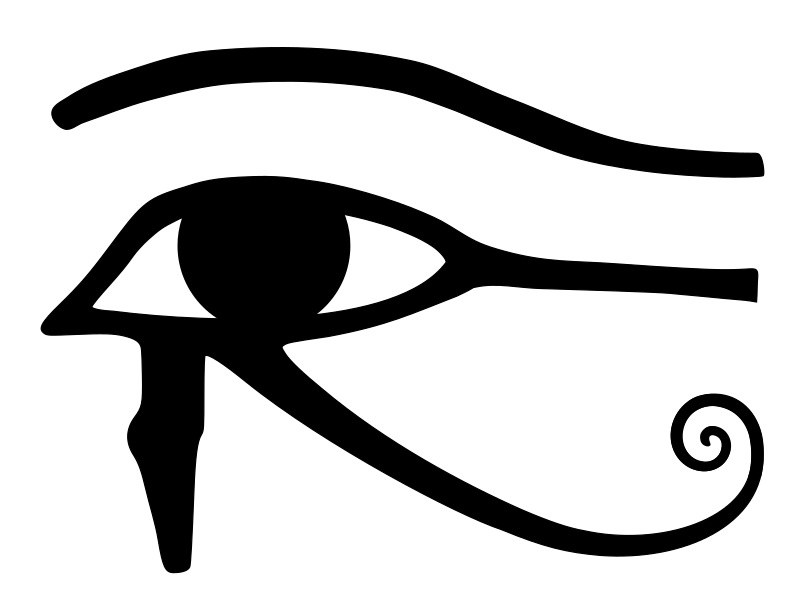
The Eye of Horus. 1/*
I believe that @ripple_crippler and @looP_rM311_7211 are the same person. I know, nobody believes that. 2/*
Today I want to prove that Mr Pool smile faces mean XRP and price increase. In Ripple_Crippler, previous to Mr Pool existence, smile faces were frequent. They were very similar to the ones Mr Pool posts. The eyes also were usually a couple of "x", in fact, XRP logo. 3/*

The smile XRP-eyed face also appears related to the Moon. XRP going to the Moon. 4/*

And smile XRP-eyed faces also appear related to Egypt. In particular, to the Eye of Horus. https://t.co/i4rRzuQ0gZ 5/*

I believe that @ripple_crippler and @looP_rM311_7211 are the same person. I know, nobody believes that. 2/*
Today I want to prove that Mr Pool smile faces mean XRP and price increase. In Ripple_Crippler, previous to Mr Pool existence, smile faces were frequent. They were very similar to the ones Mr Pool posts. The eyes also were usually a couple of "x", in fact, XRP logo. 3/*
The smile XRP-eyed face also appears related to the Moon. XRP going to the Moon. 4/*
And smile XRP-eyed faces also appear related to Egypt. In particular, to the Eye of Horus. https://t.co/i4rRzuQ0gZ 5/*