Technology is becoming pervasive in our lives. Critical components of our world are increasingly becoming more dependent on the internet. We're putting critical infrastructure, and home appliances online.
Everything that's wrong with tech journalism, in one tweet.
when you get access. pic.twitter.com/CHVz1VnzHf
— Mark Di Stefano \U0001f919\U0001f3fb (@MarkDiStef) October 18, 2018
Technology is becoming pervasive in our lives. Critical components of our world are increasingly becoming more dependent on the internet. We're putting critical infrastructure, and home appliances online.
Nations have already successfully swayed other nations' elections or at least popular beliefs with mediocre disinformation campaigns.
More from All









ChatGPT is a phenomenal AI Tool.
But don't limit yourself to just ChatGPT.
Here're 8 AI-powered tools you should try in 2023:
1. KaiberAI
@KaiberAI helps you generate beautiful videos in minutes.
Transform your ideas into the visual stories of your dreams with this Amazing Tool.
New features:
1. Upload your custom music
2. Prompt Templates
3. Camera Movements:
Check here
https://t.co/ivnDRf628L

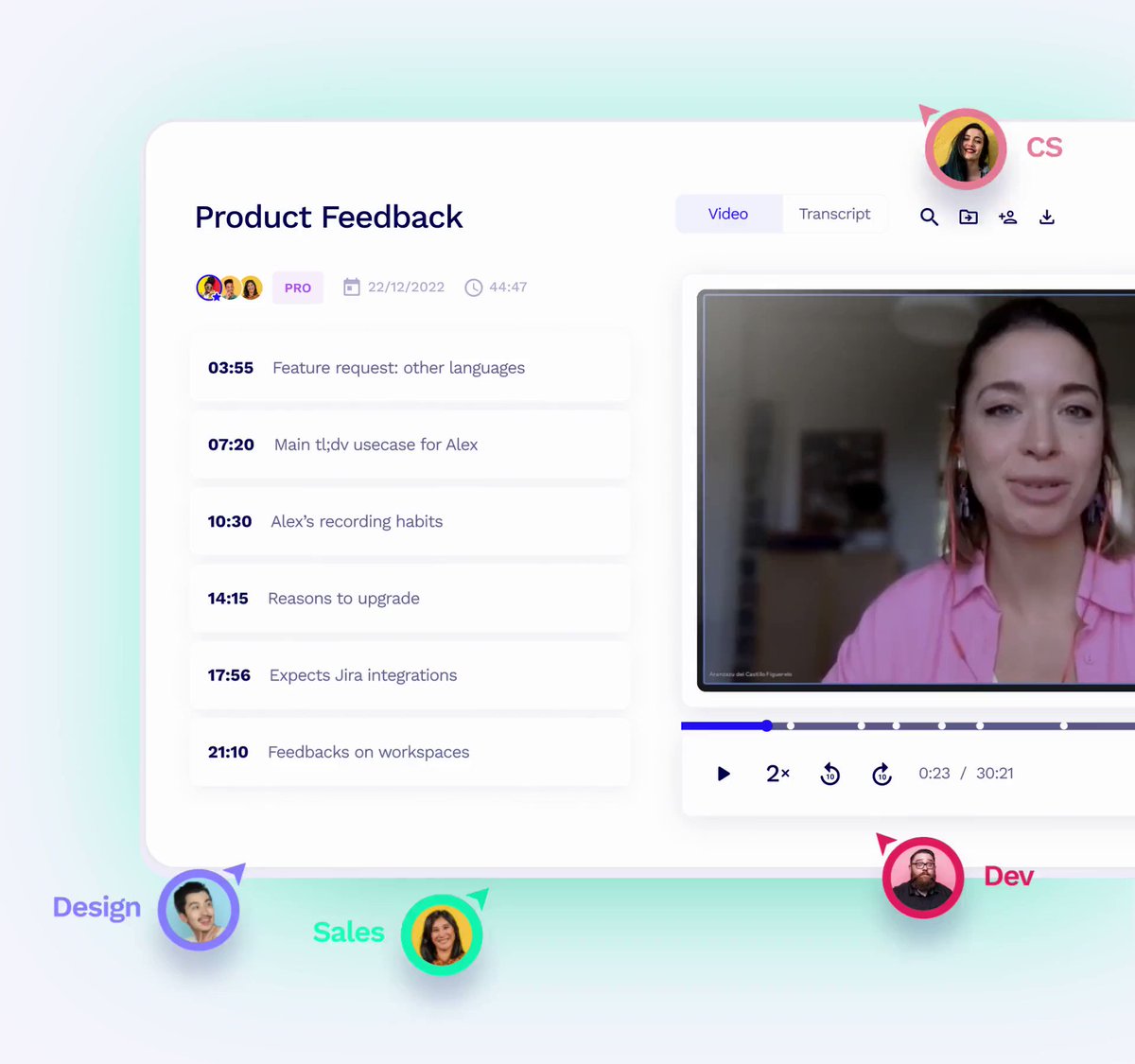
2. @tldview TLDV
Best ChatGPT Alternative for meetings.
Make your meetings 10X more productive with this amazing tool.
Try it now:
https://t.co/vOy3sS4QfJ
3. ComposeAI
Use ComposeAI for generating any text using AI.
It’s will help you write better content in seconds.
Try it here:
https://t.co/ksj5aop5ZI

4. Browser AI
Use this AI tool to extract and monitor data from any website.
Train a robot in 2 minutes to do your work.
No coding required.
https://t.co/nNiawtUMyO

But don't limit yourself to just ChatGPT.
Here're 8 AI-powered tools you should try in 2023:
1. KaiberAI
@KaiberAI helps you generate beautiful videos in minutes.
Transform your ideas into the visual stories of your dreams with this Amazing Tool.
New features:
1. Upload your custom music
2. Prompt Templates
3. Camera Movements:
Check here
https://t.co/ivnDRf628L
2. @tldview TLDV
Best ChatGPT Alternative for meetings.
Make your meetings 10X more productive with this amazing tool.
Try it now:
https://t.co/vOy3sS4QfJ
3. ComposeAI
Use ComposeAI for generating any text using AI.
It’s will help you write better content in seconds.
Try it here:
https://t.co/ksj5aop5ZI
4. Browser AI
Use this AI tool to extract and monitor data from any website.
Train a robot in 2 minutes to do your work.
No coding required.
https://t.co/nNiawtUMyO

You May Also Like


A THREAD ON @SarangSood
Decoded his way of analysis/logics for everyone to easily understand.
Have covered:
1. Analysis of volatility, how to foresee/signs.
2. Workbook
3. When to sell options
4. Diff category of days
5. How movement of option prices tell us what will happen
1. Keeps following volatility super closely.
Makes 7-8 different strategies to give him a sense of what's going on.
Whichever gives highest profit he trades in.
2. Theta falls when market moves.
Falls where market is headed towards not on our original position.
3. If you're an options seller then sell only when volatility is dropping, there is a high probability of you making the right trade and getting profit as a result
He believes in a market operator, if market mover sells volatility Sarang Sir joins him.
4. Theta decay vs Fall in vega
Sell when Vega is falling rather than for theta decay. You won't be trapped and higher probability of making profit.
Decoded his way of analysis/logics for everyone to easily understand.
Have covered:
1. Analysis of volatility, how to foresee/signs.
2. Workbook
3. When to sell options
4. Diff category of days
5. How movement of option prices tell us what will happen
1. Keeps following volatility super closely.
Makes 7-8 different strategies to give him a sense of what's going on.
Whichever gives highest profit he trades in.
I am quite different from your style. I follow the market's volatility very closely. I have mock positions in 7-8 different strategies which allows me to stay connected. Whichever gives best profit is usually the one i trade in.
— Sarang Sood (@SarangSood) August 13, 2019
2. Theta falls when market moves.
Falls where market is headed towards not on our original position.
Anilji most of the time these days Theta only falls when market moves. So the Theta actually falls where market has moved to, not where our position was in the first place. By shifting we can come close to capturing the Theta fall but not always.
— Sarang Sood (@SarangSood) June 24, 2019
3. If you're an options seller then sell only when volatility is dropping, there is a high probability of you making the right trade and getting profit as a result
He believes in a market operator, if market mover sells volatility Sarang Sir joins him.
This week has been great so far. The main aim is to be in the right side of the volatility, rest the market will reward.
— Sarang Sood (@SarangSood) July 3, 2019
4. Theta decay vs Fall in vega
Sell when Vega is falling rather than for theta decay. You won't be trapped and higher probability of making profit.
There is a difference between theta decay & fall in vega. Decay is certain but there is no guaranteed profit as delta moves can increase cost. Fall in vega on the other hand is backed by a powerful force that sells options and gives handsome returns. Our job is to identify them.
— Sarang Sood (@SarangSood) February 12, 2020