Hello All!
As some of you might know I am the buyer for the largest bookstore in the country and a Russia/Eastern Europe watcher. Sitting on the convergence of these two interests of mine, I feel it would be a good idea to share a few books about the situation in 🇺🇦 🇷🇺
Probably the most commonly found book in British bookshops is ‘The Gates of Europe’ by @SPlokhy who is one of the most popular Ukraine scholars in the West, a professor at Harvard and director of Harvard Ukraine Inst. You’ll see his books come up again

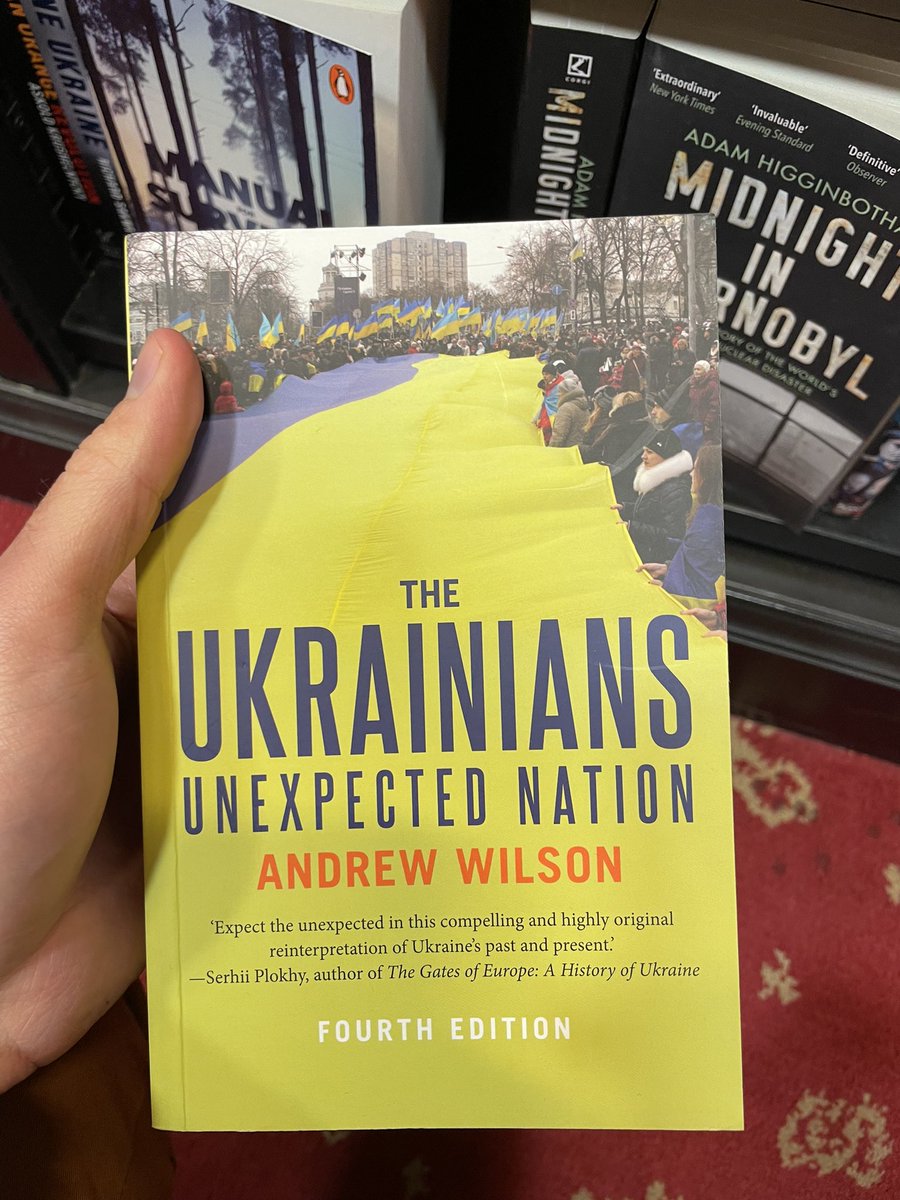

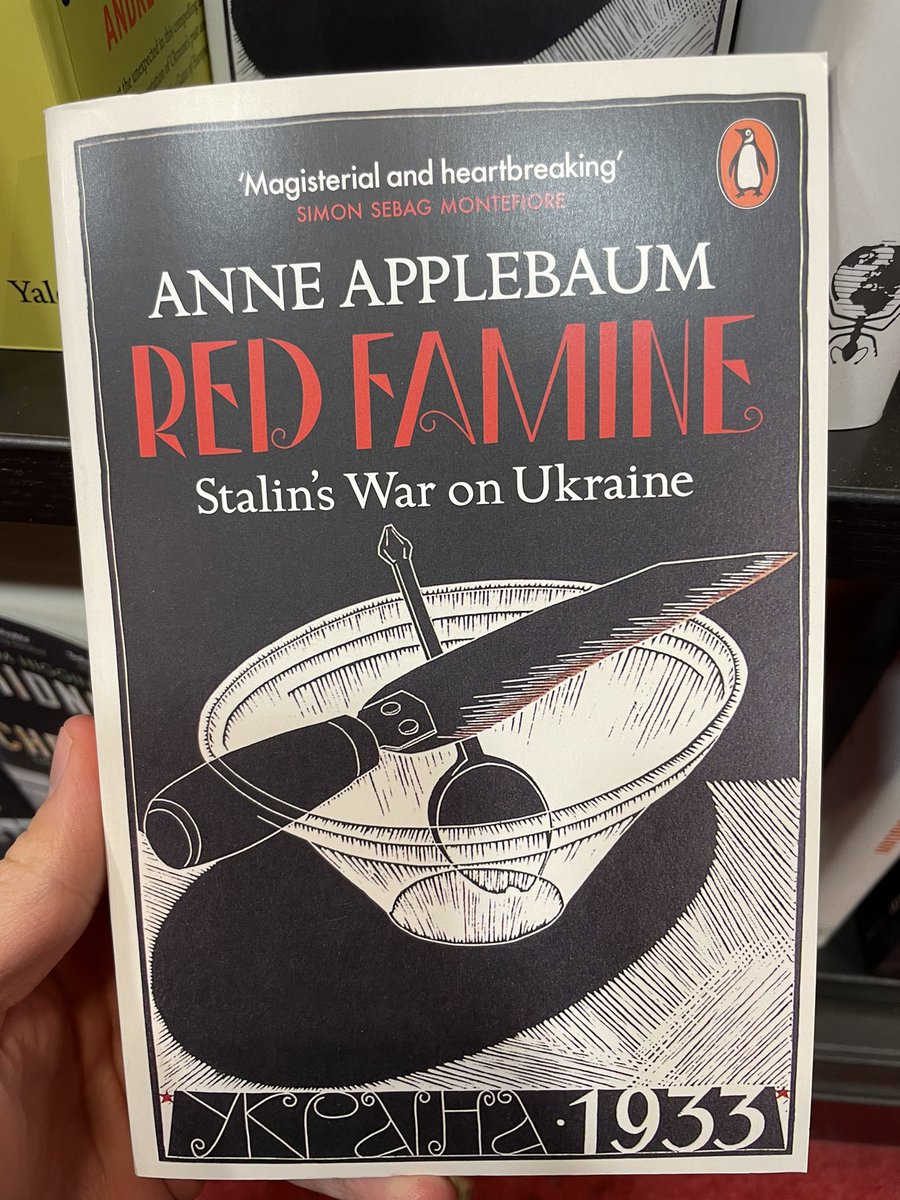

I’ve really enjoyed the @timjudah1 book ‘In Wartime’. It’s a beautiful portrait of the human side of the conflict. Life behind frontlines and the barricades. Really helps understanding what normal Ukrainians are living with.
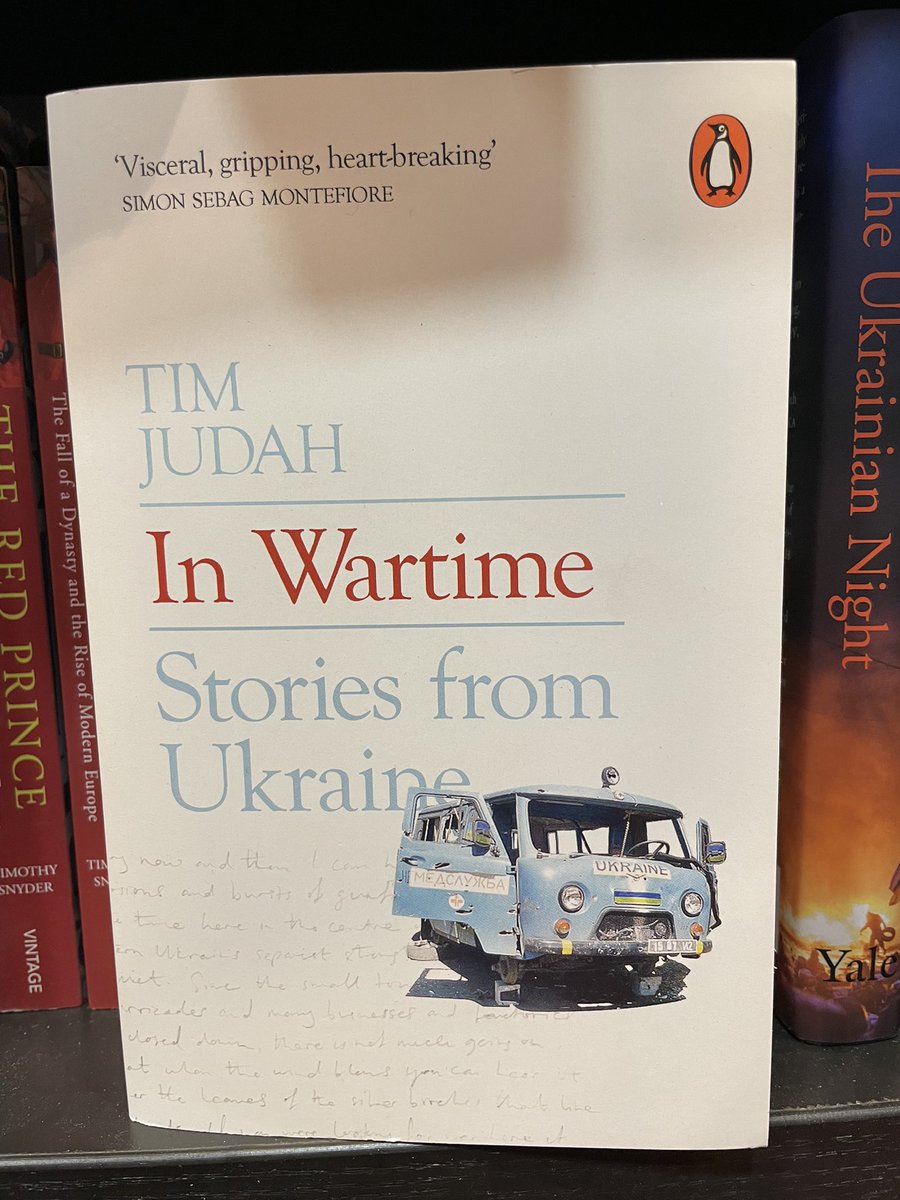
Obviously if I was to list all the best books on Russian history, this thread would never end so only adding a few relevant to the current crisis
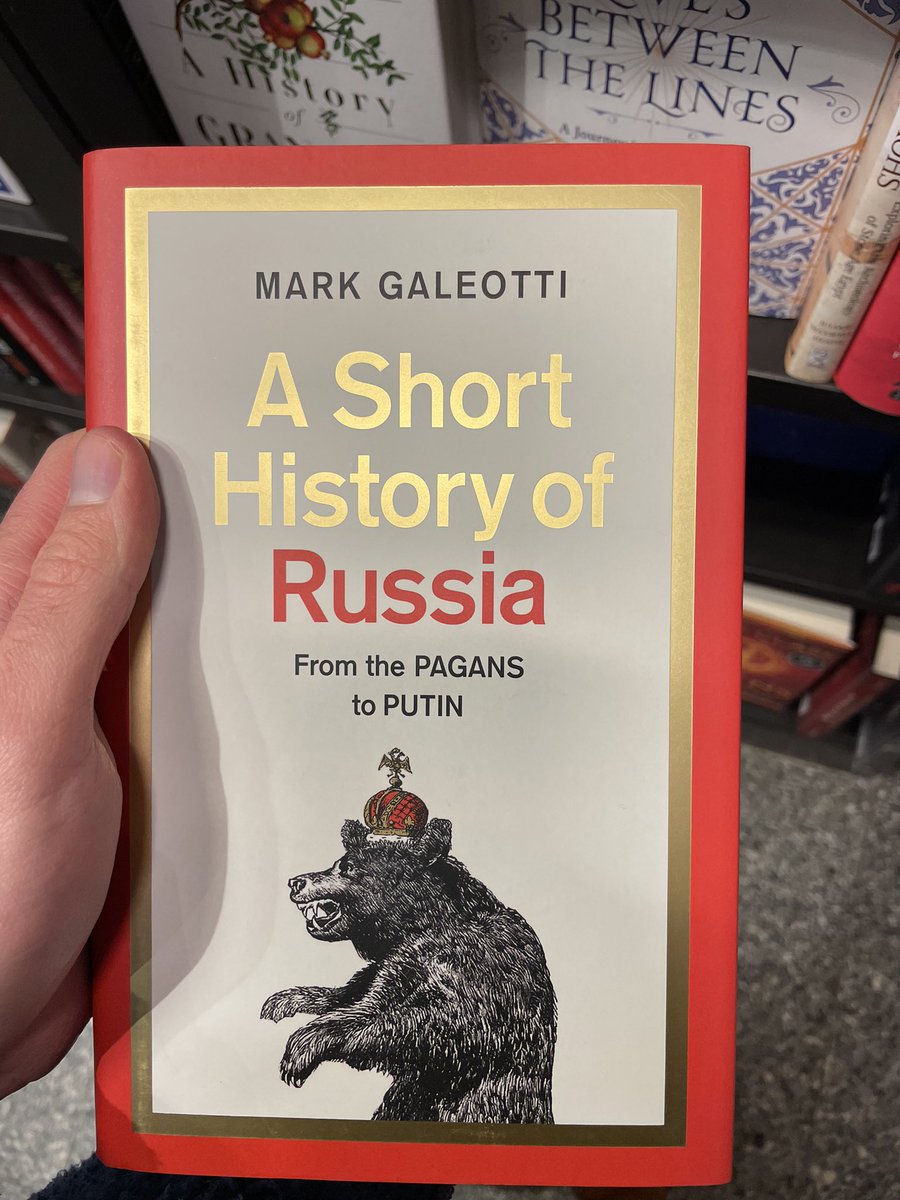
Starting with a general and short but no less impressive and fresh history of Russia by the one and only @MarkGaleotti
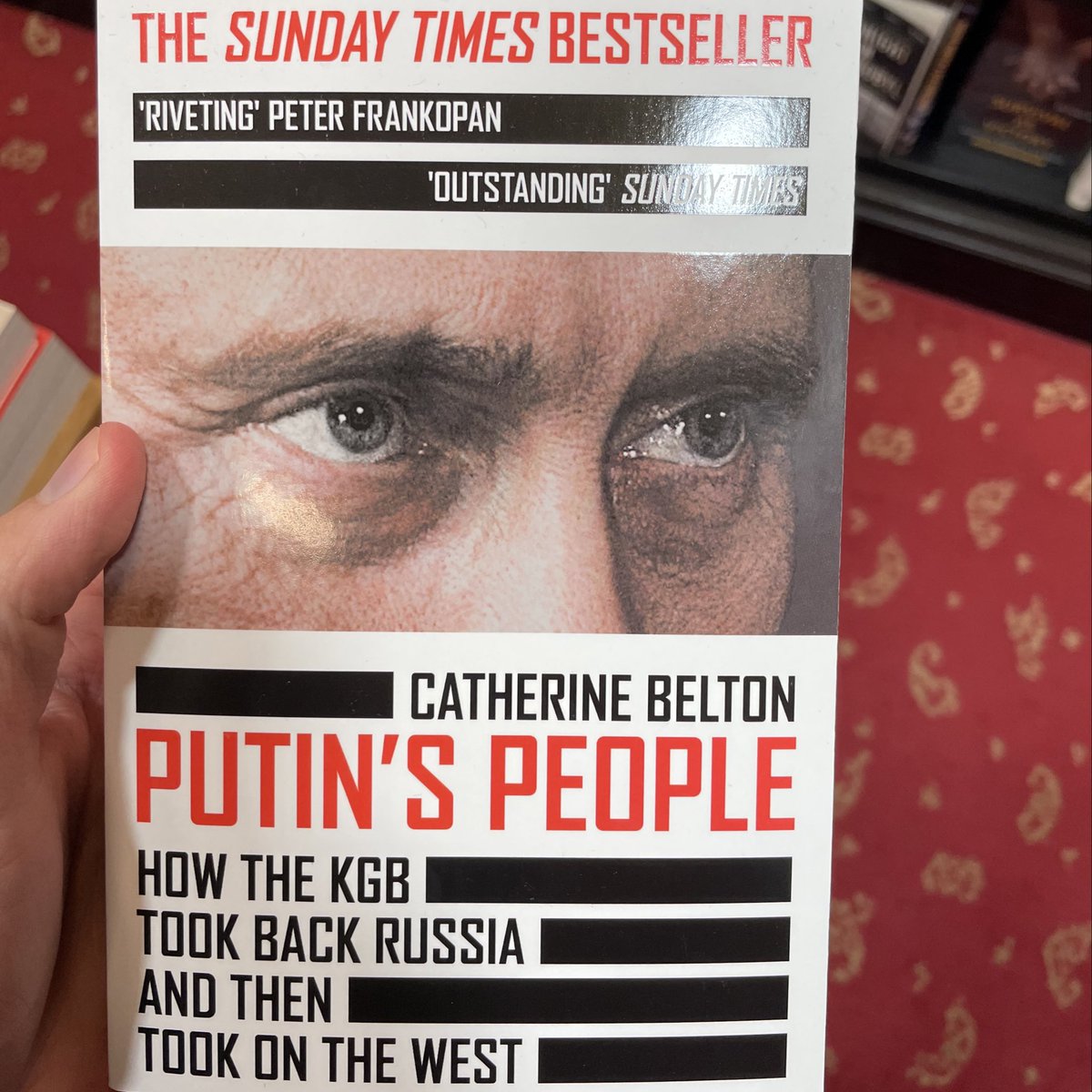
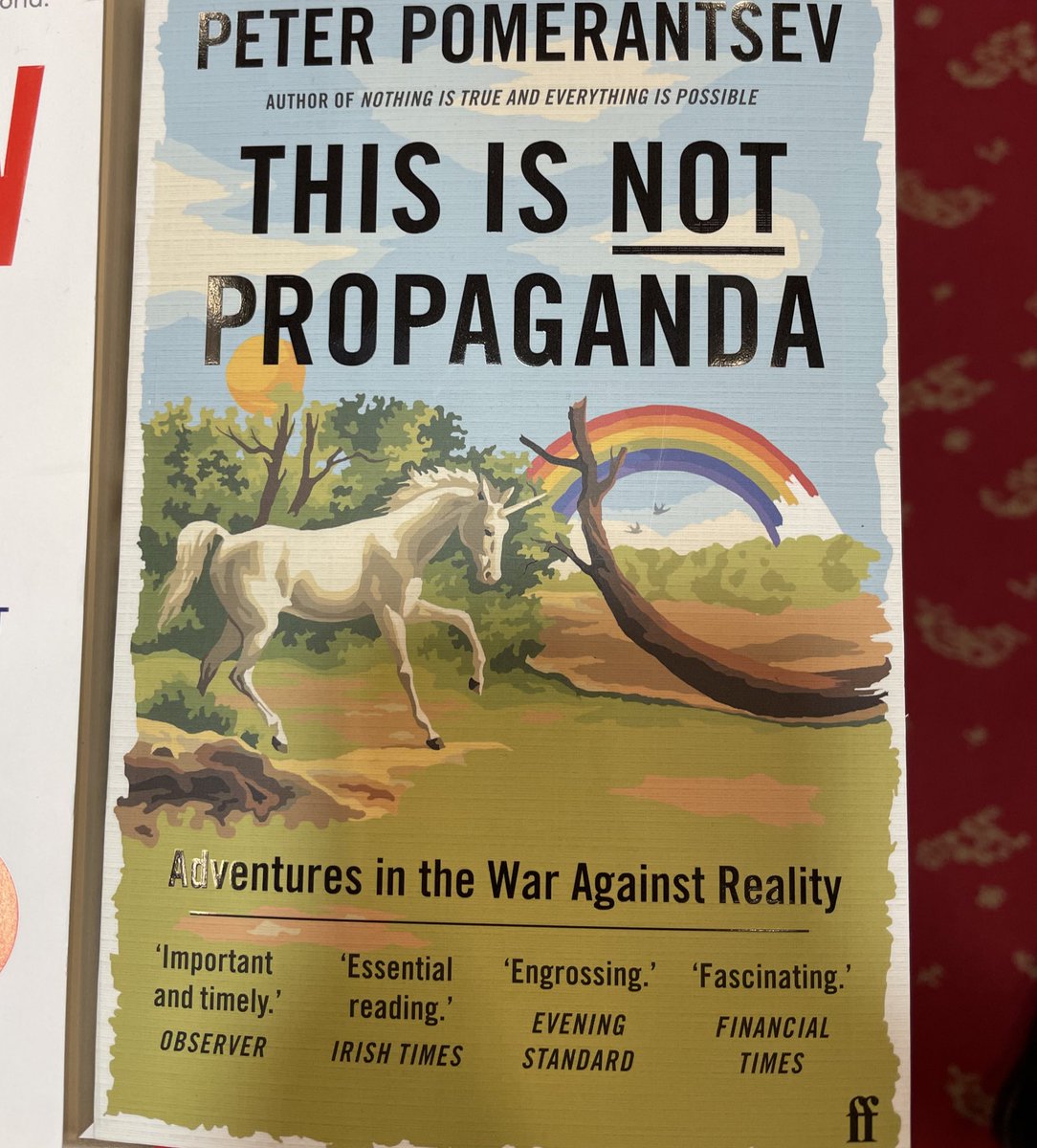

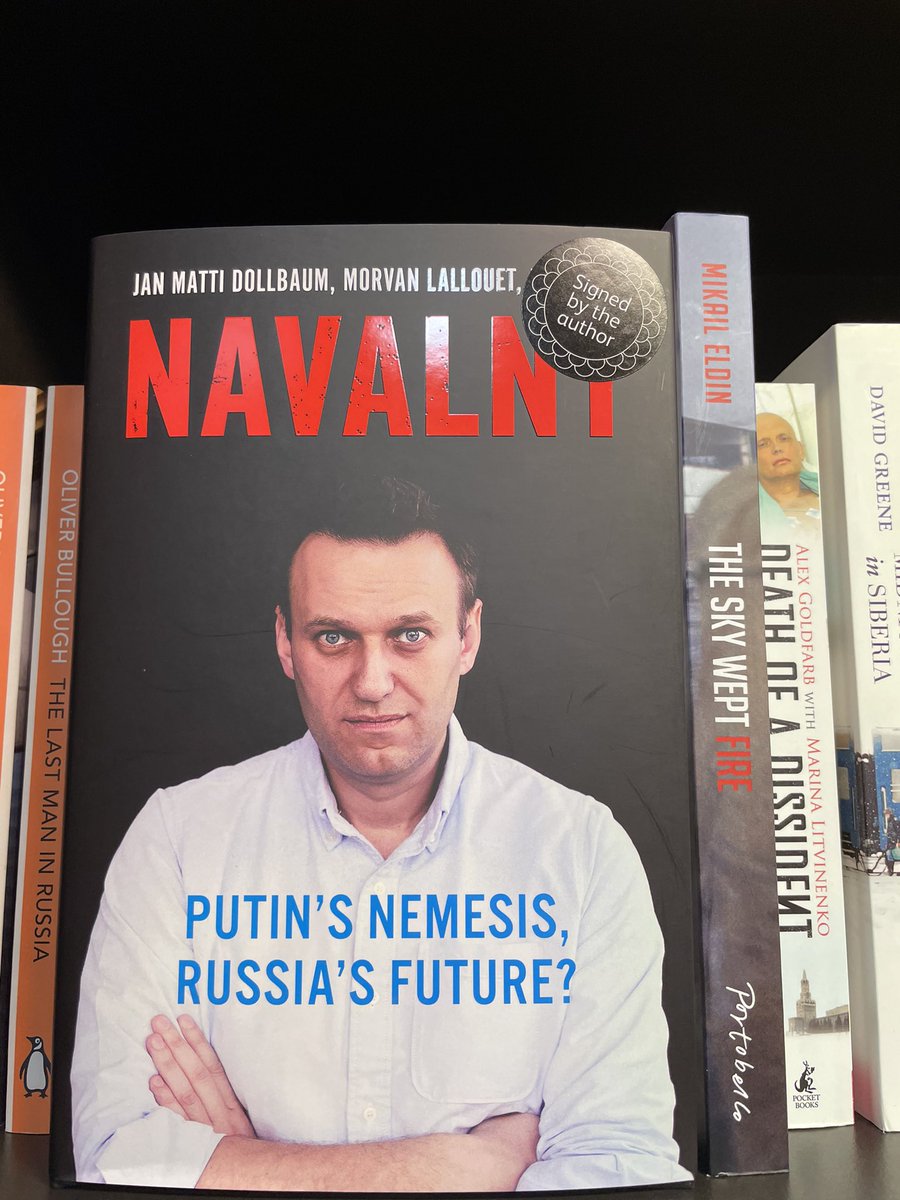

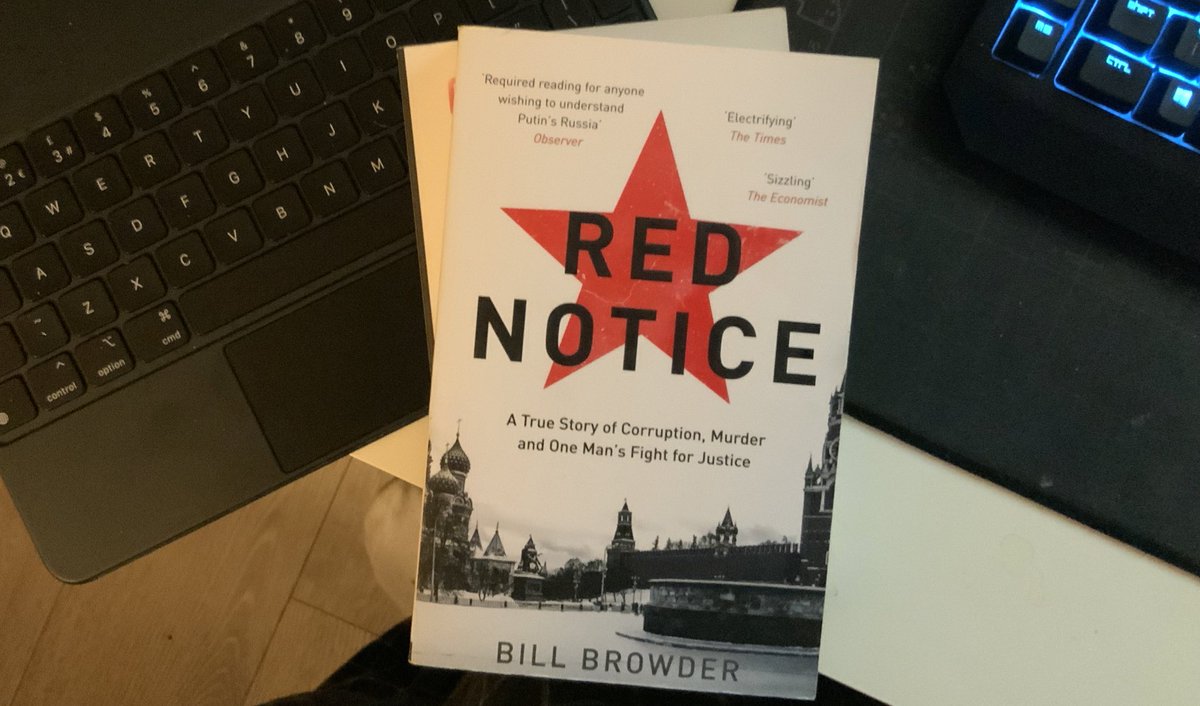
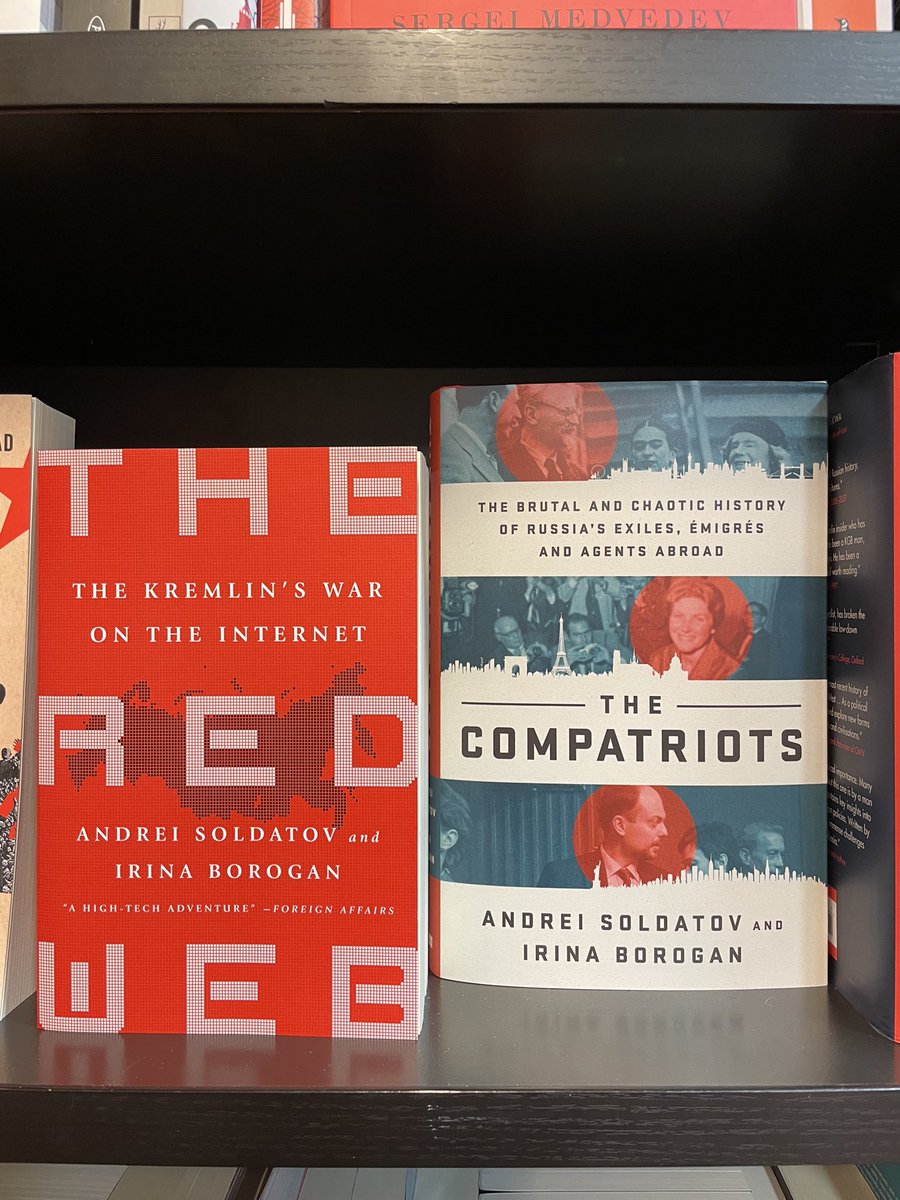
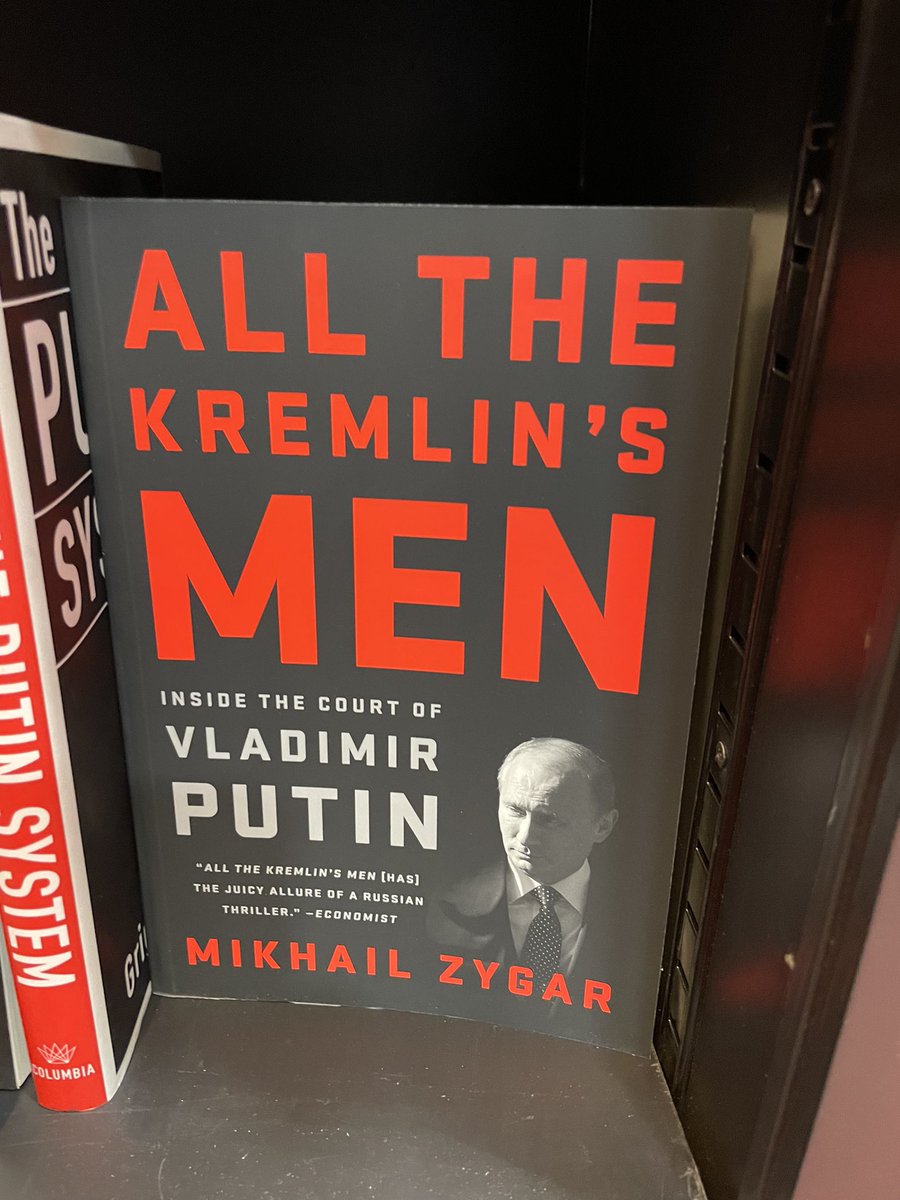
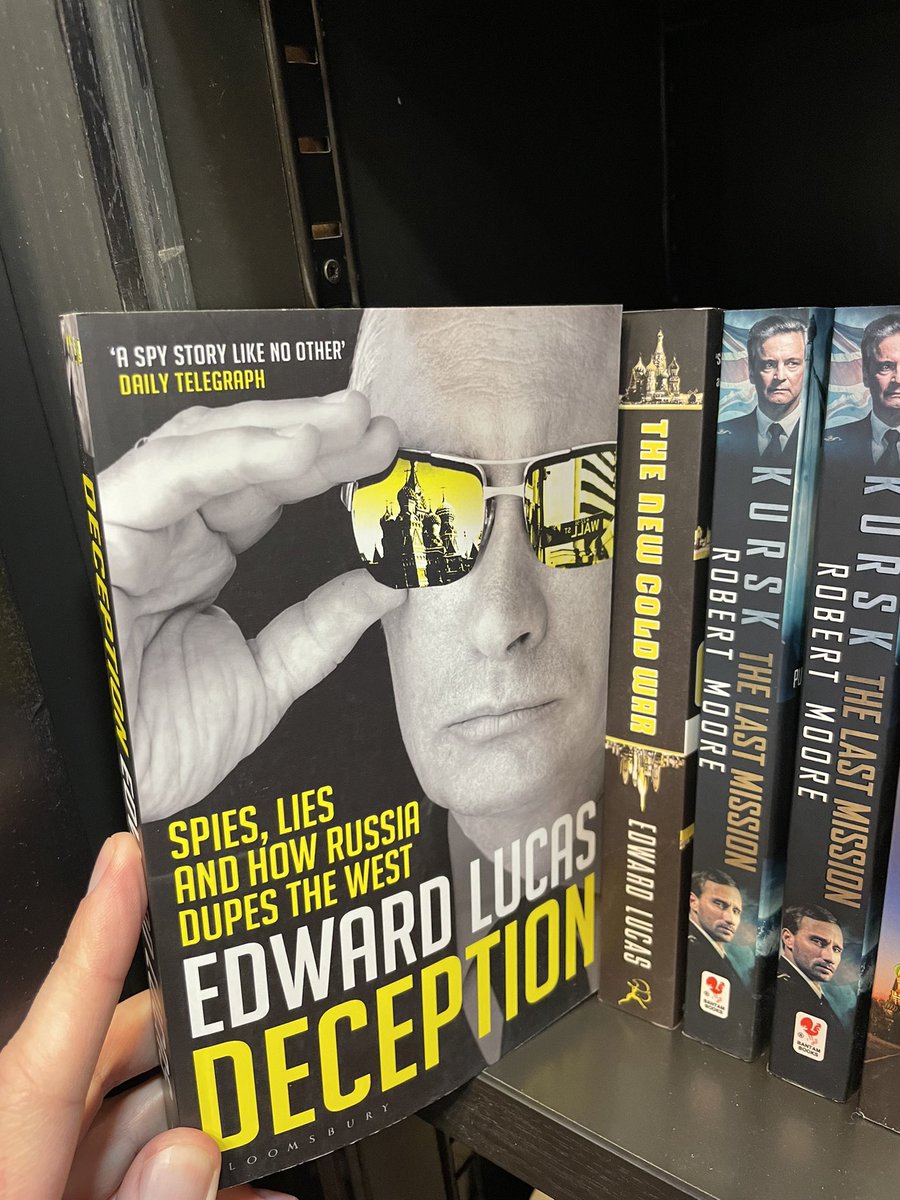
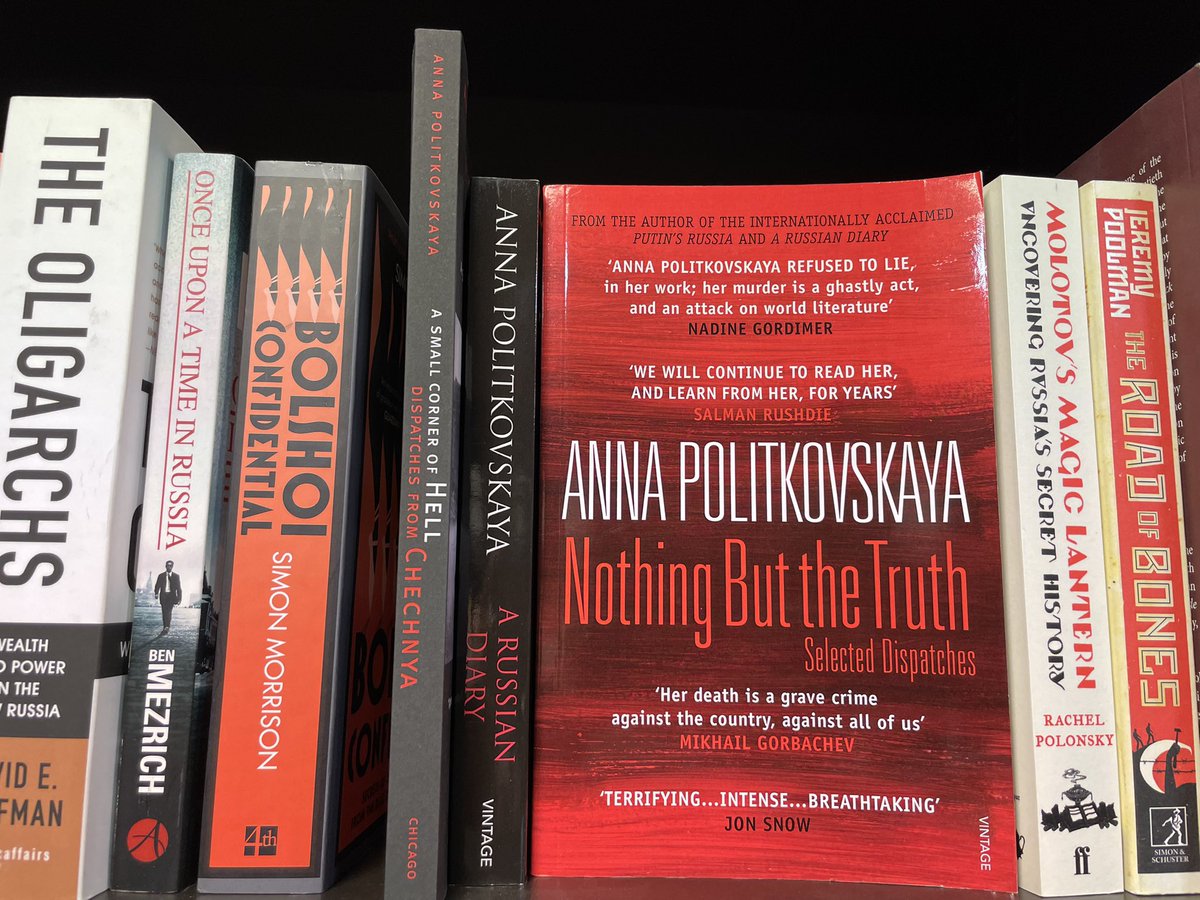
There is nothing more prophetic than the writing of Anna Politkovskaya . The reading of her books and articles formed my first opinions on Russia. She spoke Nothing but the Truth but paid the ultimate price…
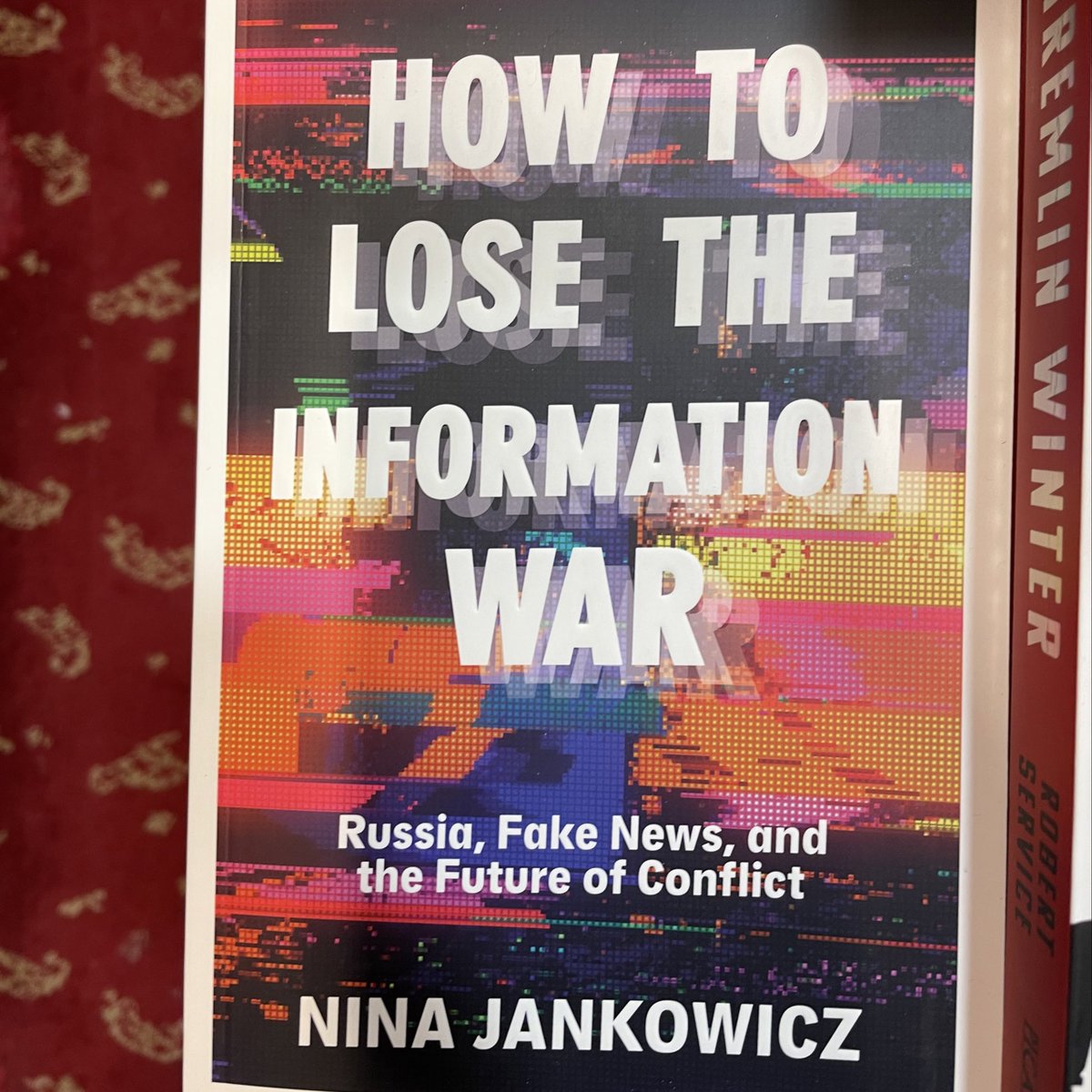
@wiczipedia published the brilliant investigation into the nature of Russian disinformation campaigns in US during the Trump times but also in Ukraine and Georgia (the latter chapter fascinating) so if you enjoyed Peter Pomerantsev you’ll love this

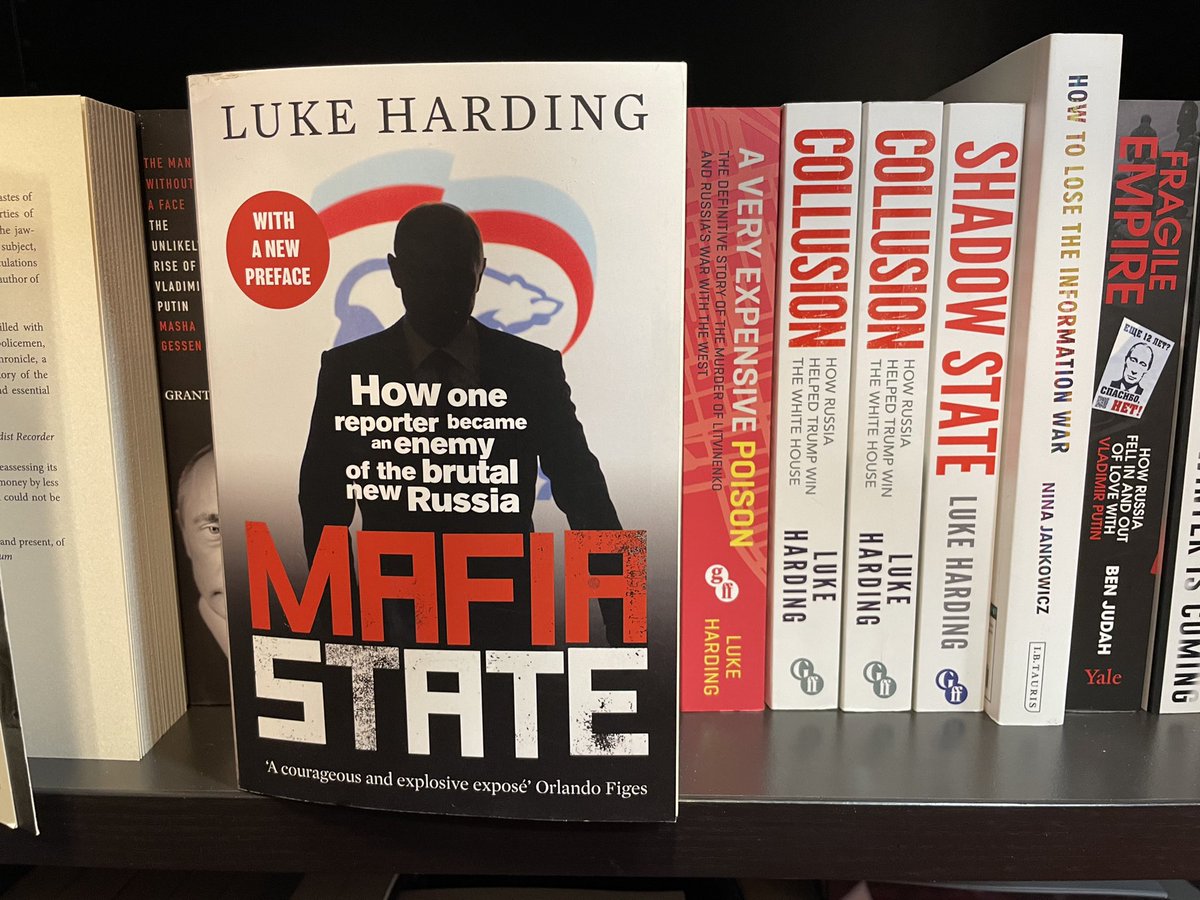
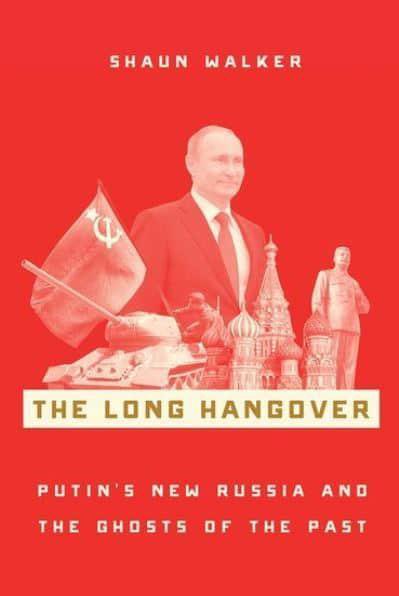

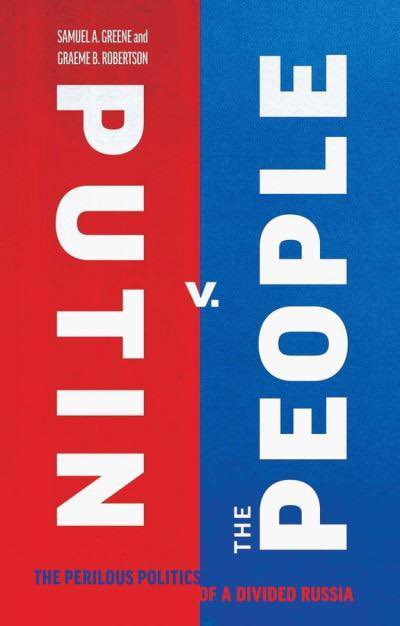
Be nice to authors and ban the trolls.
Goodnight x
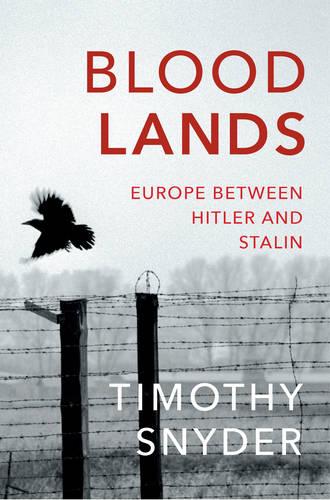
The above list is missing 'Bloodlands' by Timothy Snyder. It's my favourite book of all time and is about the fate of living between Russia and Europe. I've only not listed it because the author's more recent and Putin specific book is there. Bad omission by me. Read it.
More from All








https://t.co/6cRR2B3jBE
Viruses and other pathogens are often studied as stand-alone entities, despite that, in nature, they mostly live in multispecies associations called biofilms—both externally and within the host.
https://t.co/FBfXhUrH5d

Microorganisms in biofilms are enclosed by an extracellular matrix that confers protection and improves survival. Previous studies have shown that viruses can secondarily colonize preexisting biofilms, and viral biofilms have also been described.

...we raise the perspective that CoVs can persistently infect bats due to their association with biofilm structures. This phenomenon potentially provides an optimal environment for nonpathogenic & well-adapted viruses to interact with the host, as well as for viral recombination.

Biofilms can also enhance virion viability in extracellular environments, such as on fomites and in aquatic sediments, allowing viral persistence and dissemination.

Viruses and other pathogens are often studied as stand-alone entities, despite that, in nature, they mostly live in multispecies associations called biofilms—both externally and within the host.
https://t.co/FBfXhUrH5d
Microorganisms in biofilms are enclosed by an extracellular matrix that confers protection and improves survival. Previous studies have shown that viruses can secondarily colonize preexisting biofilms, and viral biofilms have also been described.
...we raise the perspective that CoVs can persistently infect bats due to their association with biofilm structures. This phenomenon potentially provides an optimal environment for nonpathogenic & well-adapted viruses to interact with the host, as well as for viral recombination.
Biofilms can also enhance virion viability in extracellular environments, such as on fomites and in aquatic sediments, allowing viral persistence and dissemination.


You May Also Like




The entire discussion around Facebook’s disclosures of what happened in 2016 is very frustrating. No exec stopped any investigations, but there were a lot of heated discussions about what to publish and when.
In the spring and summer of 2016, as reported by the Times, activity we traced to GRU was reported to the FBI. This was the standard model of interaction companies used for nation-state attacks against likely US targeted.
In the Spring of 2017, after a deep dive into the Fake News phenomena, the security team wanted to publish an update that covered what we had learned. At this point, we didn’t have any advertising content or the big IRA cluster, but we did know about the GRU model.
This report when through dozens of edits as different equities were represented. I did not have any meetings with Sheryl on the paper, but I can’t speak to whether she was in the loop with my higher-ups.
In the end, the difficult question of attribution was settled by us pointing to the DNI report instead of saying Russia or GRU directly. In my pre-briefs with members of Congress, I made it clear that we believed this action was GRU.
The story doesn\u2019t say you were told not to... it says you did so without approval and they tried to obfuscate what you found. Is that true?
— Sarah Frier (@sarahfrier) November 15, 2018
In the spring and summer of 2016, as reported by the Times, activity we traced to GRU was reported to the FBI. This was the standard model of interaction companies used for nation-state attacks against likely US targeted.
In the Spring of 2017, after a deep dive into the Fake News phenomena, the security team wanted to publish an update that covered what we had learned. At this point, we didn’t have any advertising content or the big IRA cluster, but we did know about the GRU model.
This report when through dozens of edits as different equities were represented. I did not have any meetings with Sheryl on the paper, but I can’t speak to whether she was in the loop with my higher-ups.
In the end, the difficult question of attribution was settled by us pointing to the DNI report instead of saying Russia or GRU directly. In my pre-briefs with members of Congress, I made it clear that we believed this action was GRU.