Why Web 3 matters ЁЯз╡

Web 1 (roughly 1990-2005) was about open protocols that were decentralized and community-governed. Most of the value accrued to the edges of the network тАФ users and builders.
Web 2 (roughly 2005-2020) was about siloed, centralized services run by corporations. Most of the value accrued to a handful of companies like Google, Apple, Amazon, and Facebook.
We are now at the beginning of the Web 3 era, which combines the decentralized, community-governed ethos of Web 1 with the advanced, modern functionality of Web 2.
Web 3 is the internet owned by the builders and users, orchestrated with tokens.
(Thanks to @packym for this definition.)
Why does Web 3 matter?

First, letтАЩs look at the problems with centralized platforms. (I wrote more about this back in 2018 here https://t.co/KvyyhalCos)
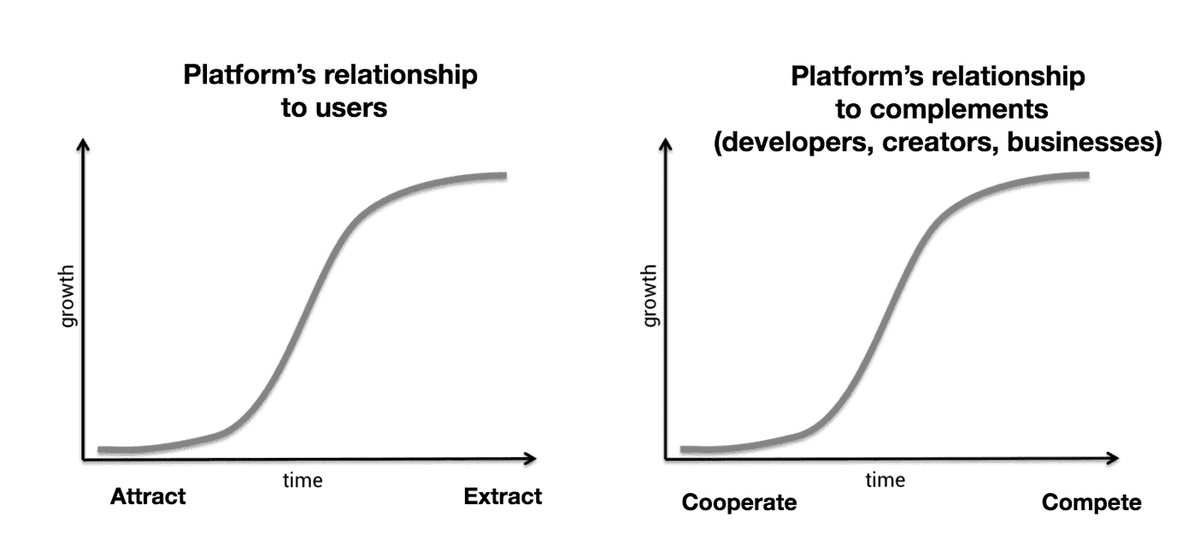
Centralized platforms follow a predictable life cycle. At first, they do everything they can to recruit users and 3rd-party complements like creators, developers, and businesses.
They do this to strengthen their network effect. As platforms move up the adoption S-curve, their power over users and 3rd parties steadily grows.
When they hit the top of the S-curve, their relationships with network participants change from positive-sum to zero-sum. To continue growing requires extracting data from users and competing with (former) partners.
Famous examples of this are Microsoft vs. Netscape, Google vs. Yelp, Facebook vs. Zynga, Twitter vs. its 3rd-party clients, and Epic vs Apple.
For 3rd parties, the transition from cooperation to competition feels like a bait-and-switch. Over time, the best entrepreneurs, developers, and investors have learned to not build on top of centralized platforms. This has stifled innovation.
Now letтАЩs talk about Web 3. In Web 3, ownership and control is decentralized. Users and builders can own pieces of internet services by owning tokens, both non-fungible (NFTs) and fungible.
Tokens give users property rights: the ability to own a piece of the internet.
NFTs give users the ability to own objects, which can be art, photos, code, music, text, game objects, credentials, governance rights, access passes, and whatever else people dream up next.
NFTs exist on top of blockchains like Ethereum. Ethereum is a decentralized global computer that is owned and operated by its users.
Blockchains are special computers that anyone can access but no one owns.
Ethereum is powered by a fungible token, ETH, which is used to incentivize the physical computers that underlie the system. ETH is also the systemтАЩs native currency for transactions, like NFT purchases.
There are many ways for users to acquire fungible and non-fungible tokens. You can buy them, but there are also ways to earn them.
Uniswap famously retroactively airdropped 15% of its governance tokens to early users of the protocol. Community grants like this have become common in Web 3 as a way to build goodwill and incentivize adoption.
You can also earn tokens through creative and entrepreneurial activities. For example, people are earning roughly $100M worth of ETH per day selling NFTs.
Tokens align network participants to work together toward a common goal тАФ the growth of the network and the appreciation of the token.
This fixes the core problem of centralized networks, where the value is accumulated by one company, and the company ends up fighting its own users and partners.
Before Web 3, users and builders had to choose between the limited functionality of Web 1 or the corporate, centralized model of Web 2.
Web 3 offers a new way that combines the best aspects of the previous eras. ItтАЩs very early in this movement and a great time to get involved.

More from All

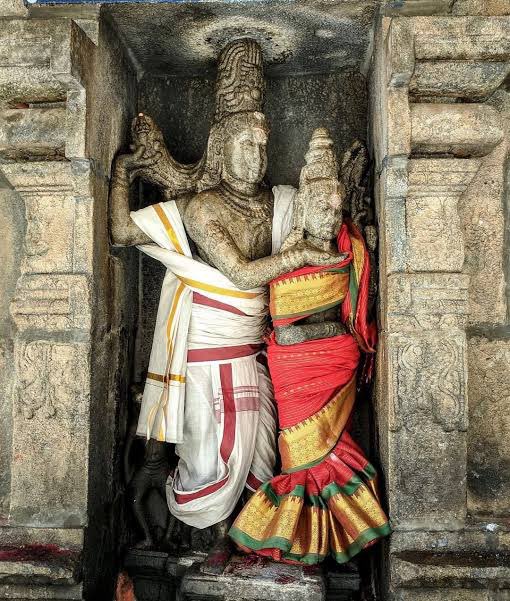
#роЖродро┐родрпНродро┐ропро╣рпНро░рпБродропроорпН ро╕рпНродрпЛродрпНродро┐ро░роорпН
роЗродрпБ роЪрпВро░ро┐роп роХрпБро▓родрпНродро┐ро▓рпН роЙродро┐родрпНрод роЗро░ро╛роорокро┐ро░ро╛ройрпБроХрпНроХрпБ родрооро┐ро┤рпН роорпБройро┐ро╡ро░рпН роЕроХродрпНродро┐ропро░рпН роЙрокродрпЗроЪро┐родрпНродродро╛роХ ро╡ро╛ро▓рпНроорпАроХро┐ роЗро░ро╛рооро╛ропрогродрпНродро┐ро▓рпН ро╡ро░рпБроХро┐ро▒родрпБ. роЖродро┐родрпНроп ро╣рпНро░рпБродропродрпНродрпИродрпН родро┐ройроорпБроорпН роУродро┐ройро╛ро▓рпН рокрпЖро░рпБроорпН рокропройрпН рокрпЖро▒ро▓ро╛роорпН роОрой роороХро╛ройрпНроХро│рпБроорпН роЮро╛ройро┐роХро│рпБроорпН роХро╛ро▓роорпН роХро╛ро▓рооро╛роХроХрпН роХрпВро▒ро┐ ро╡ро░рпБроХро┐ройрпНро▒ройро░рпН. ро░ро╛роо-ро░ро╛ро╡рог ропрпБродрпНродродрпНродрпИ


родрпЗро╡ро░рпНроХро│рпБроЯройрпН роЪрпЗро░рпНроирпНродрпБ рокро╛ро░рпНроХрпНроХ ро╡роирпНродро┐ро░рпБроирпНрод роЕроХродрпНродро┐ропро░рпН, роЕрокрпНрокрпЛродрпБ рокрпЛро░ро┐ройро╛ро▓рпН роХро│рпИродрпНродрпБ, роХро╡ро▓рпИропрпБроЯройрпН роХро╛рогрокрпНрокроЯрпНроЯ ро░ро╛роорокро┐ро░ро╛ройрпИ роЕрогрпБроХро┐, рооройро┐родро░рпНроХро│ро┐ро▓рпЗропрпЗ роЪро┐ро▒роирпНродро╡ройро╛рой ро░ро╛рооро╛ рокрпЛро░ро┐ро▓рпН роОроирпНрод роороирпНродро┐ро░родрпНродрпИрокрпН рокро╛ро░ро╛ропрогроорпН роЪрпЖропрпНродро╛ро▓рпН роОро▓рпНро▓ро╛ рокроХрпИро╡ро░рпНроХро│рпИропрпБроорпН ро╡рпЖро▓рпНро▓ роорпБроЯро┐ропрпБроорпЛ роЕроирпНрод ро░роХроЪро┐роп роороирпНродро┐ро░родрпНродрпИ, ро╡рпЗродродрпНродро┐ро▓рпН роЪрпКро▓рпНро▓рокрпНрокроЯрпНроЯрпБро│рпНро│родрпИ роЙройроХрпНроХрпБ

роиро╛ройрпН роЙрокродрпЗроЪро┐роХрпНроХро┐ро▒рпЗройрпН, роХрпЗро│рпН роОройрпНро▒рпБ роХрпВро▒ро┐ роЙрокродрпЗроЪро┐родрпНродро╛ро░рпН. роорпБродро▓рпН роЗро░рпБ роЪрпБро▓рпЛроХроЩрпНроХро│рпН роЪрпВро┤рпНроиро┐ро▓рпИропрпИ ро╡ро┐ро╡ро░ро┐роХрпНроХро┐ройрпНро▒рой. роорпВройрпНро▒ро╛ро╡родрпБ роЪрпБро▓рпЛроХроорпН роЕроХродрпНродро┐ропро░рпН роЗро░ро╛роорокро┐ро░ро╛ройрпИ ро╡ро┐ро│ро┐родрпНродрпБроХрпН роХрпВро▒рпБро╡родро╛роХ роЕроорпИроирпНродро┐ро░рпБроХрпНроХро┐ро▒родрпБ. роиро╛ройрпНроХро╛ро╡родрпБ роЪрпБро▓рпЛроХроорпН роорпБродро▓рпН роорпБрокрпНрокродро╛роорпН роЪрпБро▓рпЛроХроорпН ро╡ро░рпИ роЖродро┐родрпНроп ро╣рпНро░рпБродропроорпН роОройрпНройрпБроорпН роирпВро▓рпН. роорпБрокрпНрокродрпНродро┐ роТройрпНро▒ро╛роорпН роЪрпБро▓рпЛроХроорпН

роЗроирпНродродрпН родрпБродро┐ропро╛ро▓рпН роороХро┐ро┤рпНроирпНрод роЪрпВро░ро┐ропройрпН роЗро░ро╛рооройрпИ ро╡ро╛ро┤рпНродрпНродрпБро╡родрпИроХрпН роХрпВро▒рпБро╡родро╛роХ роЕроорпИроирпНродро┐ро░рпБроХрпНроХро┐ро▒родрпБ.
роРроирпНродро╛ро╡родрпБ ро╕рпНро▓рпЛроХроорпН:
ро╕ро░рпНро╡ роороЩрпНроХро│рпН рооро╛роЩрпНроХро▓рпНропроорпН ро╕ро░рпНро╡ рокро╛рок рокрпНро░роиро╛роЪройроорпН
роЪро┐роирпНродро╛ роЪрпЛроХ рокрпНро░роЪрооройроорпН роЖропрпБро░рпН ро╡ро░рпНродрпНродройроорпН роЙродрпНродроороорпН
рокрпКро░рпБро│рпН: роЗроирпНрод роЕродро┐родрпНроп ро╣рпНро░рпБродропроорпН роОройрпНро▒ родрпБродро┐ роороЩрпНроХро│роЩрпНроХро│ро┐ро▓рпН роЪро┐ро▒роирпНродродрпБ, рокро╛ро╡роЩрпНроХро│рпИропрпБроорпН роХро╡ро▓рпИроХро│рпИропрпБроорпН


роХрпБро┤рокрпНрокроЩрпНроХро│рпИропрпБроорпН роирпАроХрпНроХрпБро╡родрпБ, ро╡ро╛ро┤рпНроиро╛ро│рпИ роирпАроЯрпНроЯро┐рокрпНрокродрпБ, рооро┐роХро╡рпБроорпН роЪро┐ро▒роирпНродродрпБ. роЗродропродрпНродро┐ро▓рпН ро╡роЪро┐роХрпНроХрпБроорпН рокроХро╡ро╛ройрпБроЯрпИроп роЕройрпБроХрпНро░роХродрпНродрпИ роЕро│ро┐рокрпНрокродро╛роХрпБроорпН.
роорпБро┤рпБ ро╕рпНро▓рпЛроХ ро▓ро┐роЩрпНроХрпН рокрпКро░рпБро│рпБроЯройрпН роЗроЩрпНроХрпЗ роЙро│рпНро│родрпБ
https://t.co/Q3qm1TfPmk
роЪрпВро░ро┐ропройрпН роЙро▓роХ роЗропроХрпНроХродрпНродро┐ро▒рпНроХрпБ рооро┐роХ роорпБроХрпНроХро┐ропрооро╛ройро╡ро░рпН. роЪрпВро░ро┐роп роЪроХрпНродро┐ропро╛ро▓рпНродро╛ройрпН роЬрпАро╡ро░ро╛роЪро┐роХро│рпН, рокропро┐ро░рпНроХро│рпН
How can we use language supervision to learn better visual representations for robotics?

Introducing Voltron: Language-Driven Representation Learning for Robotics!

Paper: https://t.co/gIsRPtSjKz
Models: https://t.co/NOB3cpATYG
Evaluation: https://t.co/aOzQu95J8z

ЁЯз╡ЁЯСЗ(1 / 12)


Videos of humans performing everyday tasks (Something-Something-v2, Ego4D) offer a rich and diverse resource for learning representations for robotic manipulation.

Yet, an underused part of these datasets are the rich, natural language annotations accompanying each video. (2/12)

The Voltron framework offers a simple way to use language supervision to shape representation learning, building off of prior work in representations for robotics like MVP (
https://t.co/Pb0mk9hb4i) and R3M (https://t.co/o2Fkc3fP0e).

The secret is *balance* (3/12)

Starting with a masked autoencoder over frames from these video clips, make a choice:

1) Condition on language and improve our ability to reconstruct the scene.

2) Generate language given the visual representation and improve our ability to describe what's happening. (4/12)

By trading off *conditioning* and *generation* we show that we can learn 1) better representations than prior methods, and 2) explicitly shape the balance of low and high-level features captured.

Why is the ability to shape this balance important? (5/12)

You May Also Like

These 10 threads will teach you more than reading 100 books

Five billionaires share their top lessons on startups, life and entrepreneurship (1/10)


10 competitive advantages that will trump talent (2/10)


Some harsh truths you probably donтАЩt want to hear (3/10)


10 significant lies youтАЩre told about the world (4/10)