1
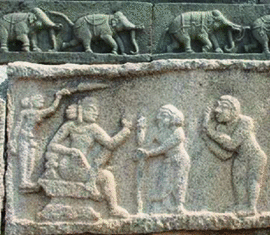
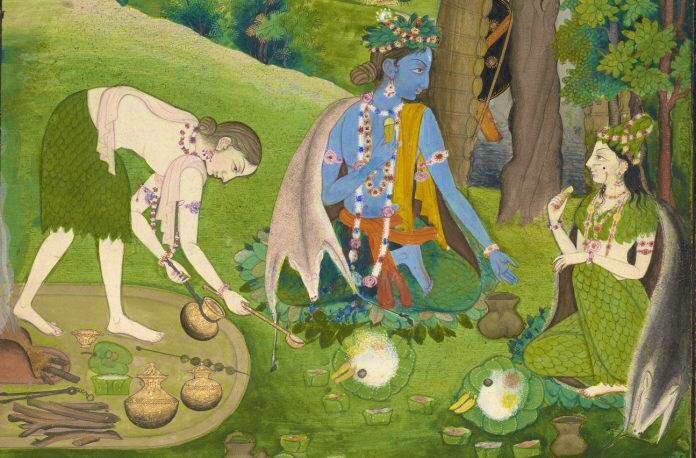
Vijayanagar (1336–1646 AD) was one of the greatest Hindu empires of India. When N.India was enslaved by Islamic savagery, Vijayanagar followed Hindu tradition to empower women with education, property rights, & financial/administrative control.
#OurTrueHistory
@ShefVaidya

2
Inscriptions, historical texts & foreign traveler's accounts describe the women of Vijayanagar as possessing property & financial independence. Many donated property to worthy causes such as temple improvements, civil works & welfare schemes. Others volunteered their services.
3
Women were educated from a young age to become literate in Sanskrit, Kannada, Telugu, etc.. The great king Krishnadevaraya himself patronized several female writers and poets & encouraged centers of learning. Women authors wrote timeless Kavyas & literature during this era
4
Young girls were also taught music, dance & painting. This education proved invaluable in preserving & furthering the classical Hindu arts. Auditoriums were designed for female musicians & dancers to practice. Temple dancers were showered with wealth & highly respected.
5
Women’s education was not limited to the arts; many served as accountants, astronomers, astrologers & chefs. There were female judges, bailiffs, & guards employed for state services. Their power can be gauged by the fact that women also held administrative control.
6
Women even performed physical, labor-intensive jobs such as carrying luggage, working in the fields, guarding the royal offices & washing laundry. Women warriors were also trained in military arts such as wrestling, sword play, archery, riding elephants & horses.
7
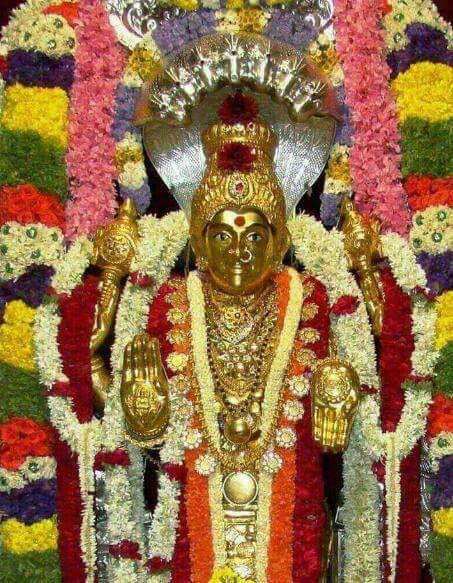
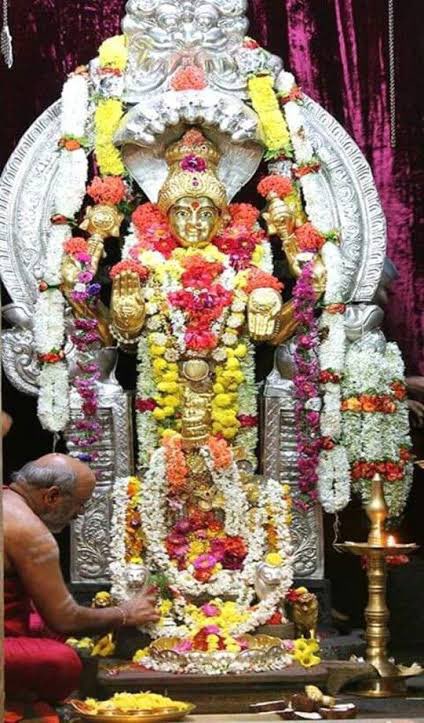
Festivals & events such as Shakti Yatra, Vijayadashami celebrated the power of women. Women of all castes & tribes participated in these festivals. The capital Hampi was named after goddess Parvati, as a timeless testament to Vijayanagar's reverence for the feminine divine.
8
Foreign travelers described Vijayanagar’s women as elaborately dressed with rich jewelry, hairstyles & accessories, showing prosperity across all classes. Their safety was guaranteed by strictly enforced laws, as criminals who molested women were given stringent punishment
9
While India reeled under the savagery of Islamic onslaughts, Vijayanagar upheld the Hindu tradition of elevating women. The freedom to learn, work, create & earn empowered women to contribute in making Vijayanagar one of the most prosperous & progressive societies in the world
10
References:
The Vijayanagar Empire: Chronicles of Paes & Nuniz
Women in Vijayanagar- Sri Lakshmi Katragadda
Economic Life in the Vijayanagara Empire- T.V. Mahalingam
A Forgotten Empire( Vijayanagara)- Robert Sewell

More from Savitri Mumukshu - सावित्री मुमुक्षु

More from All

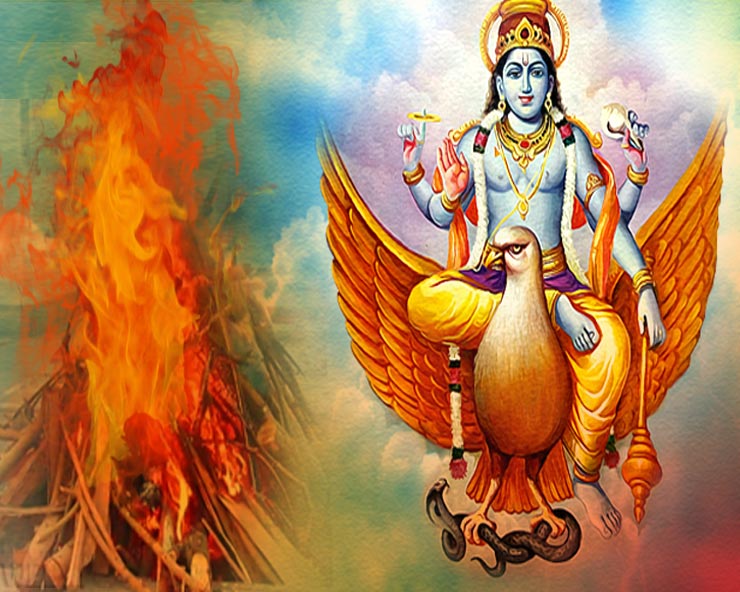
🌺श्री गरुड़ पुराण - संक्षिप्त वर्णन🌺

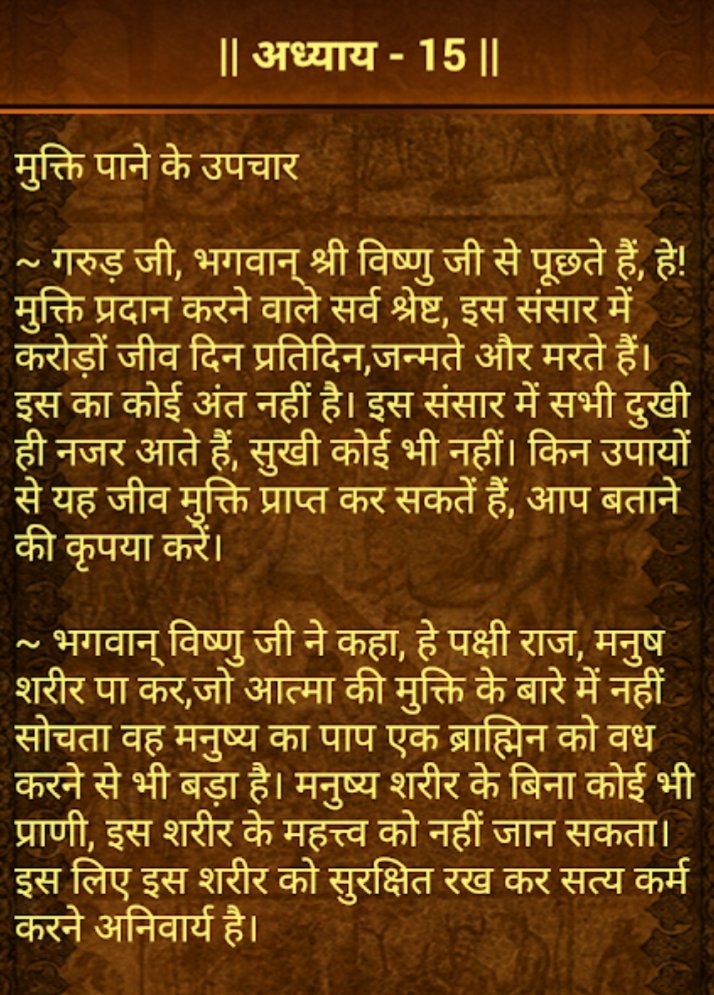
हिन्दु धर्म के 18 पुराणों में से एक गरुड़ पुराण का हिन्दु धर्म में बड़ा महत्व है। गरुड़ पुराण में मृत्यु के बाद सद्गती की व्याख्या मिलती है। इस पुराण के अधिष्ठातृ देव भगवान विष्णु हैं, इसलिए ये वैष्णव पुराण है।


गरुड़ पुराण के अनुसार हमारे कर्मों का फल हमें हमारे जीवन-काल में तो मिलता ही है परंतु मृत्यु के बाद भी अच्छे बुरे कार्यों का उनके अनुसार फल मिलता है। इस कारण इस पुराण में निहित ज्ञान को प्राप्त करने के लिए घर के किसी सदस्य की मृत्यु के बाद का समय निर्धारित किया गया है...

..ताकि उस समय हम जीवन-मरण से जुड़े सभी सत्य जान सकें और मृत्यु के कारण बिछडने वाले सदस्य का दुख कम हो सके।
गरुड़ पुराण में विष्णु की भक्ति व अवतारों का विस्तार से उसी प्रकार वर्णन मिलता है जिस प्रकार भगवत पुराण में।आरम्भ में मनु से सृष्टि की उत्पत्ति,ध्रुव चरित्र की कथा मिलती है।


तदुपरांत सुर्य व चंद्र ग्रहों के मंत्र, शिव-पार्वती मंत्र,इन्द्र सम्बंधित मंत्र,सरस्वती मंत्र और नौ शक्तियों के बारे में विस्तार से बताया गया है।
इस पुराण में उन्नीस हज़ार श्लोक बताए जाते हैं और इसे दो भागों में कहा जाता है।
प्रथम भाग में विष्णुभक्ति और पूजा विधियों का उल्लेख है।

मृत्यु के उपरांत गरुड़ पुराण के श्रवण का प्रावधान है ।
पुराण के द्वितीय भाग में 'प्रेतकल्प' का विस्तार से वर्णन और नरकों में जीव के पड़ने का वृत्तांत मिलता है। मरने के बाद मनुष्य की क्या गति होती है, उसका किस प्रकार की योनियों में जन्म होता है, प्रेत योनि से मुक्ति के उपाय...

You May Also Like

“We don’t negotiate salaries” is a negotiation tactic.

Always. No, your company is not an exception.

A tactic I don’t appreciate at all because of how unfairly it penalizes low-leverage, junior employees, and those loyal enough not to question it, but that’s negotiation for you after all. Weaponized information asymmetry.

Listen to Aditya


And by the way, you should never be worried that an offer would be withdrawn if you politely negotiate.

I have seen this happen *extremely* rarely, mostly to women, and anyway is a giant red flag. It suggests you probably didn’t want to work there.

You wish there was no negotiating so it would all be more fair? I feel you, but it’s not happening.

Instead, negotiate hard, use your privilege, and then go and share numbers with your underrepresented and underpaid colleagues. […]