I've helped ~2000 entrepreneurs in their journeys.

There's 1 rare factor that makes the difference between success and failure.

🧵 Here's what you should implement:

I'm passionate about helping startups scale.

Thankfully, I had great opportunities to work for organisations that ran programs for startups.

Notable:
• EU India Innocenter @EUI_Innocenter,
• T-Hub Foundation @THubHyd,
• Techstars Startup Weekend @startupweekend.
Two specific terms to understand before jumping into "Why startups succeed?"

⮕ What are 'startups': new entities in search of scalable biz models by testing various hypotheses (value prop, TG, distribution, pricing, etc).

⮕ What is 'success': significant product-market fit.
The top 5 reasons for a startup's success:

➊ Idea/Product
➋ Business Model
➌ Team/Execution
➍ Funding
➎ Timing

(no specific order)

Let's see which ONE reason matters the most. 👇
1. Idea 💡 - uniqueness? any differentiators? can we create competitive moats around it?

I've organised StartupWeekends & such hackathons to help people validate their ideas & come up with a prototype or a biz plan.

⮕ You can build a business with any decent idea.
2. Business Model ⚙️ - clear path to generate revenue?

I've run programs where startups had no definite biz model but could still sell.

⮕ To succeed it's not necessary to have a biz model on day 1, you can build one as you go. You'll test & pivot/improve it anyway.
3. Team/Execution 👩‍💻 - Skilled enough to adapt? Effective & efficient enough to get work done?

It has to the be the most imp reason, right? Nope!

A good team is crucial. It's up there but not the no.1 reason.

⮕ Like in sports, the best teams don't always win championships.
4. Funding 💰 - money raised? from whom?

Funding will never outweigh the drawbacks of a bad idea/execution. It's true.

⮕ In the last 8 years, I've met quite a few founders who're doing very well & haven't raised any money yet. Doable.
5. Timing ⏱- when did you execute your idea wrt the market/world?

On-time/early/late?

No point introducing your solution if the problem doesn't exist on a significant scale.

⮕ How can you provide value if enough people don't need it?

This is it, TIMING matters the most. 🏆
Change is continuous & irrational. You need to adapt continuously to progress within a system.

⮕ "TIMING is the ability to act at the right exact time".

Product-Market fit is key & it is the outcome of consistent "good-timing"! 💎
I've built systems for & ran various programs- startup incubation/acceleration, corporate innovation, market access, investment readiness & mentoring.

I've done a lot of primary research & realised that the overrated "luck factor" in a startup's success is basically TIMING ⏱.

More from All

You May Also Like

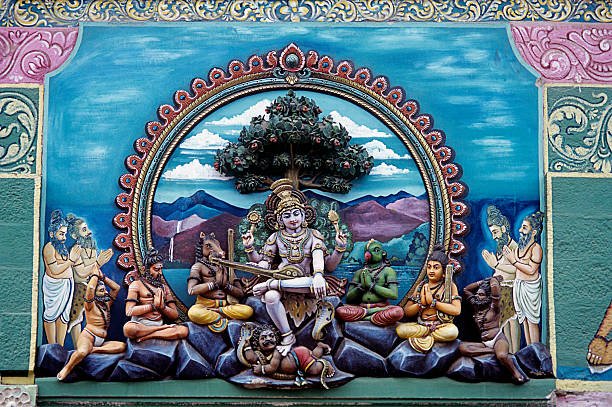
🌺श्री गरुड़ पुराण - संक्षिप्त वर्णन🌺

हिन्दु धर्म के 18 पुराणों में से एक गरुड़ पुराण का हिन्दु धर्म में बड़ा महत्व है। गरुड़ पुराण में मृत्यु के बाद सद्गती की व्याख्या मिलती है। इस पुराण के अधिष्ठातृ देव भगवान विष्णु हैं, इसलिए ये वैष्णव पुराण है।


गरुड़ पुराण के अनुसार हमारे कर्मों का फल हमें हमारे जीवन-काल में तो मिलता ही है परंतु मृत्यु के बाद भी अच्छे बुरे कार्यों का उनके अनुसार फल मिलता है। इस कारण इस पुराण में निहित ज्ञान को प्राप्त करने के लिए घर के किसी सदस्य की मृत्यु के बाद का समय निर्धारित किया गया है...

..ताकि उस समय हम जीवन-मरण से जुड़े सभी सत्य जान सकें और मृत्यु के कारण बिछडने वाले सदस्य का दुख कम हो सके।
गरुड़ पुराण में विष्णु की भक्ति व अवतारों का विस्तार से उसी प्रकार वर्णन मिलता है जिस प्रकार भगवत पुराण में।आरम्भ में मनु से सृष्टि की उत्पत्ति,ध्रुव चरित्र की कथा मिलती है।


तदुपरांत सुर्य व चंद्र ग्रहों के मंत्र, शिव-पार्वती मंत्र,इन्द्र सम्बंधित मंत्र,सरस्वती मंत्र और नौ शक्तियों के बारे में विस्तार से बताया गया है।
इस पुराण में उन्नीस हज़ार श्लोक बताए जाते हैं और इसे दो भागों में कहा जाता है।
प्रथम भाग में विष्णुभक्ति और पूजा विधियों का उल्लेख है।

मृत्यु के उपरांत गरुड़ पुराण के श्रवण का प्रावधान है ।
पुराण के द्वितीय भाग में 'प्रेतकल्प' का विस्तार से वर्णन और नरकों में जीव के पड़ने का वृत्तांत मिलता है। मरने के बाद मनुष्य की क्या गति होती है, उसका किस प्रकार की योनियों में जन्म होता है, प्रेत योनि से मुक्ति के उपाय...
“We don’t negotiate salaries” is a negotiation tactic.

Always. No, your company is not an exception.

A tactic I don’t appreciate at all because of how unfairly it penalizes low-leverage, junior employees, and those loyal enough not to question it, but that’s negotiation for you after all. Weaponized information asymmetry.

Listen to Aditya


And by the way, you should never be worried that an offer would be withdrawn if you politely negotiate.

I have seen this happen *extremely* rarely, mostly to women, and anyway is a giant red flag. It suggests you probably didn’t want to work there.

You wish there was no negotiating so it would all be more fair? I feel you, but it’s not happening.

Instead, negotiate hard, use your privilege, and then go and share numbers with your underrepresented and underpaid colleagues. […]