#Vedas #Talavakaropanisat #Kenopanisat

This post is a preamble for a series of posts over next many days.

Who is the Rsi for Talavakaropanisat? What is the meter? Who is the Deity?

In today's post, we will focus on the Rsi aspect only.

1/

* In beginning of creation, all jnana emerged from Hayagriva form of Bhagwan - HAYAGRIVAD-IMA VIDYAH

* Hayagriva : 1st Rsi of knowledge & Talavakaropanisat

* Brahma is the next Rsi - MUNIR-BRAHMAKHILASYA CA

* In 3rd stage, Garuda is Rsi for all Vedas - GARUDA SARVA-VEDANAM

2/
* Garudavahana - Bhagwan in the form of veda scriptures should come closer to us

* Garuda should bring him into the seats within our hearts

* For Sama Veda - Mukhya-prana & Candra are Rsis - SOMAS-SAMANAM

3/
* Surya & Candra enlighten the spiritual world - 2 eyes of Veda Scriptures

* To all Veda schools - Veda Vyasa is basic root

* Vyasa preached the 4 schools to 4 Rsis
- Rg : Paila
- Yajur : Vaisampayana
- Sama : Jaimini
- Atharva : Sumantu

4/
* Sama Veda - First Rsi is Jaimini Rsi

* Next : Talavakara Rsis

* Next come the Rsis specific to this Upanisat - Initially though there is no clue, there is subsequent commentary by Madhwacharya that resolves this conundrum

5/
* This is a dialogue between Father (Brahma) & Son (Sadasiva)

* This is in the form of questions & answers - Topic of discussion is Vishnu - Father of Brahma

* Hence, Brahma & Sadasiva are Rsis of this Upanisat

* Vishnu is the advocated deity

6/
* Vishnu Principle is the propounded subject

* Putting all together one can infer that Talavakaropanisat / Kenopanisat is about the Trimurtis

🙏🕉️🙏
cc: @chittukuruvi4

More from GunduHuduga| ಗುಂಡು ಹುಡುಗ|🕉

#Ramayana #LecturesOnTheRamayana

Today, I will quote a few verses on Lakshmana's famous anger and his unflinching devotion towards Sri Rama. There are couple of instances where his Bhakti towards his brother is intense.

Thread below

1/

In Ayodhya Kanda, Sarga 21, Lakshmana on being told about the course of events goes into his famous rage. He even threatens to kill anyone who supports Bharatha.

However, what he says to Kausalya is what touches one's soul. A couple of shlokas below

2/

अनुरक्तोऽस्मि भावेन भ्रातरं देवि तत्त्वतः।
सत्येन धनुषा चैव दत्तेनेष्टेन ते शपे।।16।।

O mother, (Lakshmana says to Kausalya) I am truly loyal to my brother from the bottom of my heart. I swear this by my bow, on my merits earned through charity, ...

3/

by my truthfulness & by the good deeds I have done

दीप्तमग्निमरण्यं वा यदि रामः प्रवेक्ष्यति।
प्रविष्टं तत्र मां देवि त्वं पूर्वमवधारय।।17।।

O mother rest assured should Rama enter a blazing fire or a forest I must have already entered it

4/

This is fiercely violent sentiment .. One of pure unbridled emotion where he swears by all his karma that he will be the first face dangers before Rama has to endure it.

Is this unlimited Bhakti ? Or protective nature towards his Rama?

5/
#Ramayana #LecturesOnTheRamayana

Today, I will share a very touching, quite surprising unconventional thought process from Ramayana.

When Lakshmana erected the hut in Panchavati, Rama said something which is quite strange & unexpected. Thread on this incident below:

1/

We all know about Lakshmana's unflinching devotion and respect for Rama. We will visit this theme quite often in this series.

In the context where Lakshmana has just built the hut, Rama gave a glowing tribute as below

Section: Aranyaa Kanda, Sarga 15

2/

Verse 27

सुसंहृष्टः परिष्वज्य बाहुभ्यां लक्ष्मणं तदा।
अतिस्निग्धं च गाढं च वचनं चेदमब्रवीत्।।

Deeply pleased with Lakshmana, he hugged him tightly and said those loving words :

3/

Verse 28

प्रीतोऽस्मि ते महत्कर्म त्वया कृतमिदं प्रभो।
प्रदेयो यन्निमित्तं ते परिष्वङ्गो मया कृतः।।

O my master, you have done a great task for which I have given you what I could give at the moment a hug.

4/

Verse 29

भावज्ञेन कृतज्ञेन धर्मज्ञेन च लक्ष्मण।
त्वया पुत्रेण धर्मात्मा न संवृत्तः पिता मम।।

O Lakshmana with a son like you who can understand others' feelings, who has a sense of gratitude and a sense of duty my father is not dead yet.

5/

More from All

🌺श्री गरुड़ पुराण - संक्षिप्त वर्णन🌺

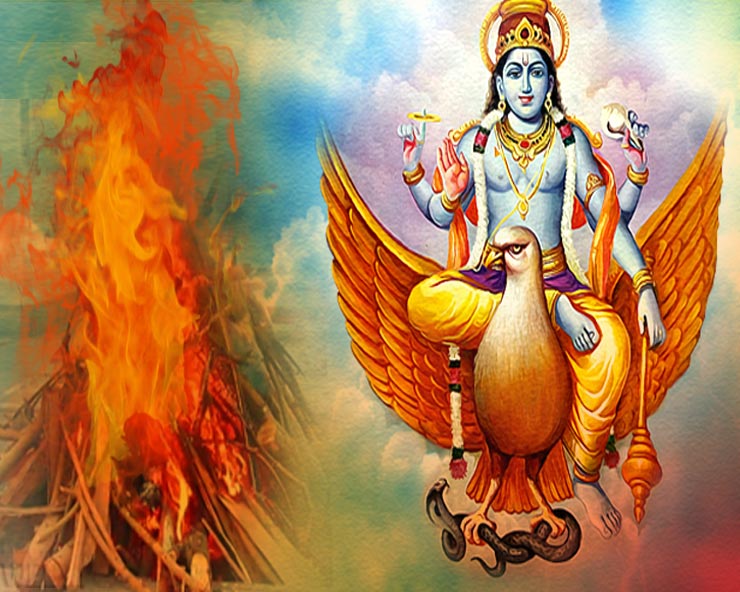
हिन्दु धर्म के 18 पुराणों में से एक गरुड़ पुराण का हिन्दु धर्म में बड़ा महत्व है। गरुड़ पुराण में मृत्यु के बाद सद्गती की व्याख्या मिलती है। इस पुराण के अधिष्ठातृ देव भगवान विष्णु हैं, इसलिए ये वैष्णव पुराण है।


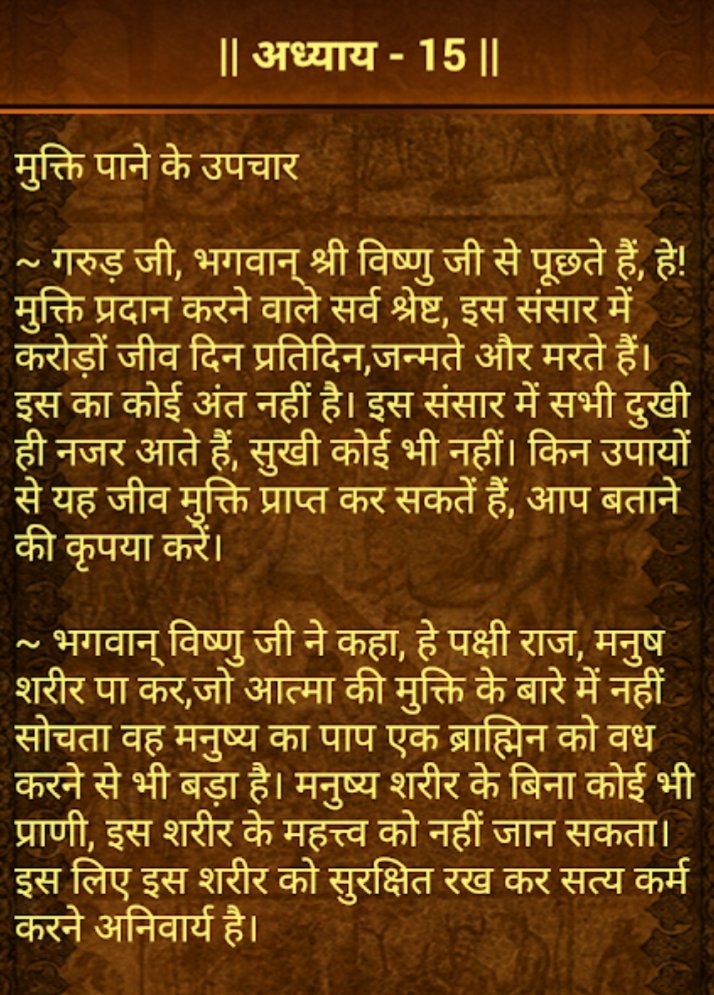
गरुड़ पुराण के अनुसार हमारे कर्मों का फल हमें हमारे जीवन-काल में तो मिलता ही है परंतु मृत्यु के बाद भी अच्छे बुरे कार्यों का उनके अनुसार फल मिलता है। इस कारण इस पुराण में निहित ज्ञान को प्राप्त करने के लिए घर के किसी सदस्य की मृत्यु के बाद का समय निर्धारित किया गया है...

..ताकि उस समय हम जीवन-मरण से जुड़े सभी सत्य जान सकें और मृत्यु के कारण बिछडने वाले सदस्य का दुख कम हो सके।
गरुड़ पुराण में विष्णु की भक्ति व अवतारों का विस्तार से उसी प्रकार वर्णन मिलता है जिस प्रकार भगवत पुराण में।आरम्भ में मनु से सृष्टि की उत्पत्ति,ध्रुव चरित्र की कथा मिलती है।


तदुपरांत सुर्य व चंद्र ग्रहों के मंत्र, शिव-पार्वती मंत्र,इन्द्र सम्बंधित मंत्र,सरस्वती मंत्र और नौ शक्तियों के बारे में विस्तार से बताया गया है।
इस पुराण में उन्नीस हज़ार श्लोक बताए जाते हैं और इसे दो भागों में कहा जाता है।
प्रथम भाग में विष्णुभक्ति और पूजा विधियों का उल्लेख है।

मृत्यु के उपरांत गरुड़ पुराण के श्रवण का प्रावधान है ।
पुराण के द्वितीय भाग में 'प्रेतकल्प' का विस्तार से वर्णन और नरकों में जीव के पड़ने का वृत्तांत मिलता है। मरने के बाद मनुष्य की क्या गति होती है, उसका किस प्रकार की योनियों में जन्म होता है, प्रेत योनि से मुक्ति के उपाय...

You May Also Like

#தினம்_ஒரு_திருவாசகம்
தொல்லை இரும்பிறவிச் சூழும் தளை நீக்கி
அல்லல் அறுத்து ஆனந்தம் ஆக்கியதே – எல்லை
மருவா நெறியளிக்கும் வாதவூர் எங்கோன்
திருவாசகம் என்னும் தேன்

பொருள்:
1.எப்போது ஆரம்பித்தது என அறியப்படமுடியாத தொலை காலமாக (தொல்லை)

2. இருந்து வரும் (இரும்)


3.பிறவிப் பயணத்திலே ஆழ்த்துகின்ற (பிறவி சூழும்)

4.அறியாமையாகிய இடரை (தளை)

5.அகற்றி (நீக்கி),

6.அதன் விளைவால் சுகதுக்கமெனும் துயரங்கள் விலக (அல்லல் அறுத்து),

7.முழுநிறைவாய்த் தன்னுளே இறைவனை உணர்த்துவதே (ஆனந்த மாக்கியதே),

8.பிறந்து இறக்கும் காலவெளிகளில் (எல்லை)

9.பிணைக்காமல் (மருவா)

10.காக்கும் மெய்யறிவினைத் தருகின்ற (நெறியளிக்கும்),

11.என் தலைவனான மாணிக்க வாசகரின் (வாதவூரெங்கோன்)

12.திருவாசகம் எனும் தேன் (திருவா சகமென்னுந் தேன்)

முதல்வரி: பிறவி என்பது முன்வினை விதையால் முளைப்பதோர் பெருமரம். அந்த ‘முன்வினை’ எங்கு ஆரம்பித்தது எனச் சொல்ல இயலாது. ஆனால் ‘அறியாமை’ ஒன்றே ஆசைக்கும்,, அச்சத்துக்கும் காரணம் என்பதால், அவையே வினைகளை விளைவிப்பன என்பதால், தொடர்ந்து வரும் பிறவிகளுக்கு, ‘அறியாமையே’ காரணம்

அறியாமைக்கு ஆரம்பம் கிடையாது. நமக்கு ஒரு பொருளைப் பற்றிய அறிவு எப்போதிருந்து இல்லை? அதைச் சொல்ல முடியாது. அதனாலேதான் முதலடியில், ஆரம்பமில்லாத அஞ்ஞானத்தை பிறவிகளுக்குக் காரணமாகச் சொல்லியது. ஆனால் அறியாமை, அறிவின் எழுச்சியால், அப்போதே முடிந்து விடும்.