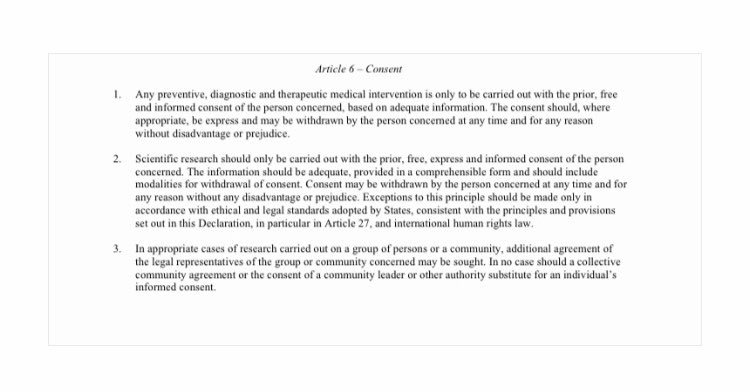
Robin Monotti enquiring about Article 6 of the UNESCO Universal Declaration on Bioethics and Human
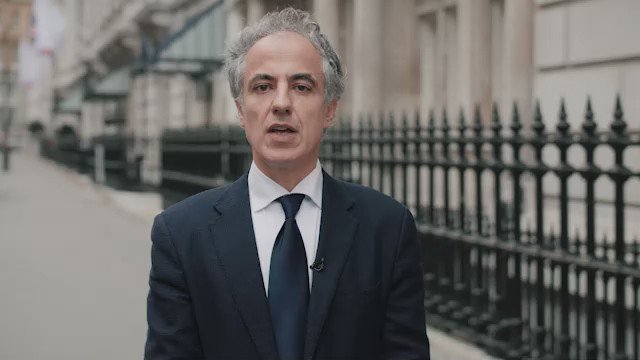
I'll tell you why. 👇🏼
"The need to use human augmentation may ultimately be dictated by national interest."
In essence -
People will have to submit to the 💉 in the name of "National Security. https://t.co/oJDfVwtNKD
This should terrify you.
— Maria Sederholm (on Gab too) (@Wordofbeak) June 25, 2021
"There may be a moral obligation to augment people... It could be argued that treatments involving novel vaccination processes and gene and cell therapies are examples of human augmentation already in the pipeline..." https://t.co/2ukFs3d5RT pic.twitter.com/YSAdsqM96C
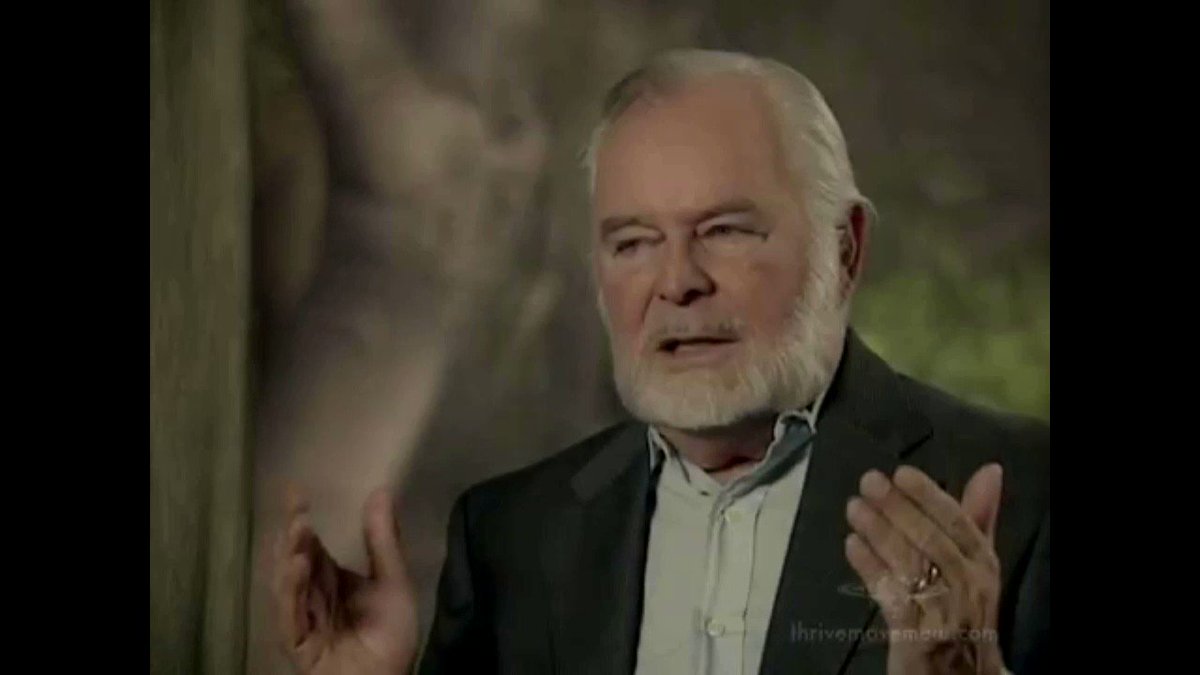
"Anybody who would read the UN documents with just as much care as they would read a used car sales contract, they would never sign on to this system."
- @GEdward_Griffin
Make no mistake, the LEGALLY BINDING Pandemic Treaty, will undoubtedly include MANDATORY VACCINATIONS and VACCINE PASSPORTS. Fighting this is therefor our most important task at this moment in time. WE CANNOT AFFORD TO LOOSE this fight.
https://t.co/dVBMvfyx2P
The UNESCO Universal Declaration on Bioethics and Human Rights is NOT a legally binding instrument. A Pandemic Treaty (currently in the works) WILL BE, and will undoubtebly encompass MANDATORY VACCINATIONS & VACCINE PASSPORTS. > https://t.co/l7k2p0JUuA
You May Also Like
I’m torn on how to approach the idea of luck. I’m the first to admit that I am one of the luckiest people on the planet. To be born into a prosperous American family in 1960 with smart parents is to start life on third base. The odds against my very existence are astronomical.
I’ve always felt that the luckiest people I know had a talent for recognizing circumstances, not of their own making, that were conducive to a favorable outcome and their ability to quickly take advantage of them.
In other words, dumb luck was just that, it required no awareness on the person’s part, whereas “smart” luck involved awareness followed by action before the circumstances changed.
So, was I “lucky” to be born when I was—nothing I had any control over—and that I came of age just as huge databases and computers were advancing to the point where I could use those tools to write “What Works on Wall Street?” Absolutely.
Was I lucky to start my stock market investments near the peak of interest rates which allowed me to spend the majority of my adult life in a falling rate environment? Yup.
Ironies of Luck https://t.co/5BPWGbAxFi
— Morgan Housel (@morganhousel) March 14, 2018
"Luck is the flip side of risk. They are mirrored cousins, driven by the same thing: You are one person in a 7 billion player game, and the accidental impact of other people\u2019s actions can be more consequential than your own."
I’ve always felt that the luckiest people I know had a talent for recognizing circumstances, not of their own making, that were conducive to a favorable outcome and their ability to quickly take advantage of them.
In other words, dumb luck was just that, it required no awareness on the person’s part, whereas “smart” luck involved awareness followed by action before the circumstances changed.
So, was I “lucky” to be born when I was—nothing I had any control over—and that I came of age just as huge databases and computers were advancing to the point where I could use those tools to write “What Works on Wall Street?” Absolutely.
Was I lucky to start my stock market investments near the peak of interest rates which allowed me to spend the majority of my adult life in a falling rate environment? Yup.