
Their decision came with a tradeoff: A spike in volatility could be very, very bad 2/X
Robinhood is not the only brokerage that limited buys on GameStop this week, so why is it catching all the heat?
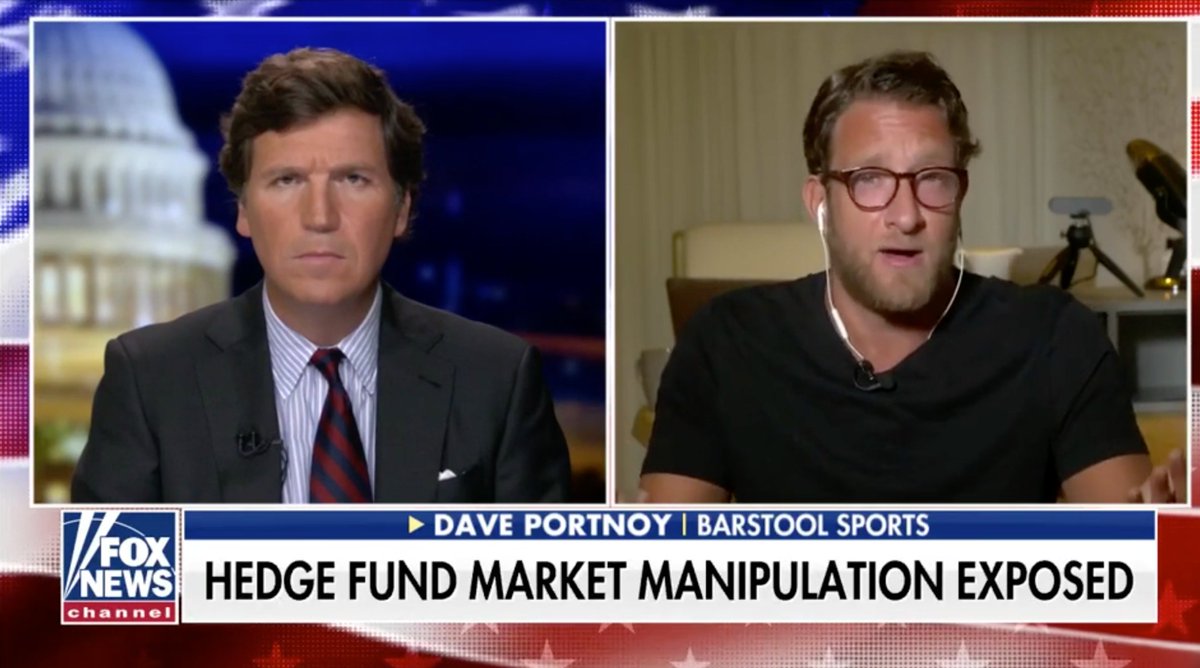
Maybe because @stoolpresidente & others were quick to spread a theory that hedge funds must have forced the move? Or, Robinhood acted alone
A thread on facts 1/X
Their decision came with a tradeoff: A spike in volatility could be very, very bad 2/X
They carry some liability in the days it takes for your trade to settle. That usually isn't a problem, but can become one if a stock swings fast 3/X
But Robinhood in 2018 decided to cut ties with Apex to build their own clearing house called Clearing By Robinhood 4/X
In Robinhood's own blog they trumpeted their achievement as the "only clearing system built from scratch, and on modern technology, in the last decade." 5/X
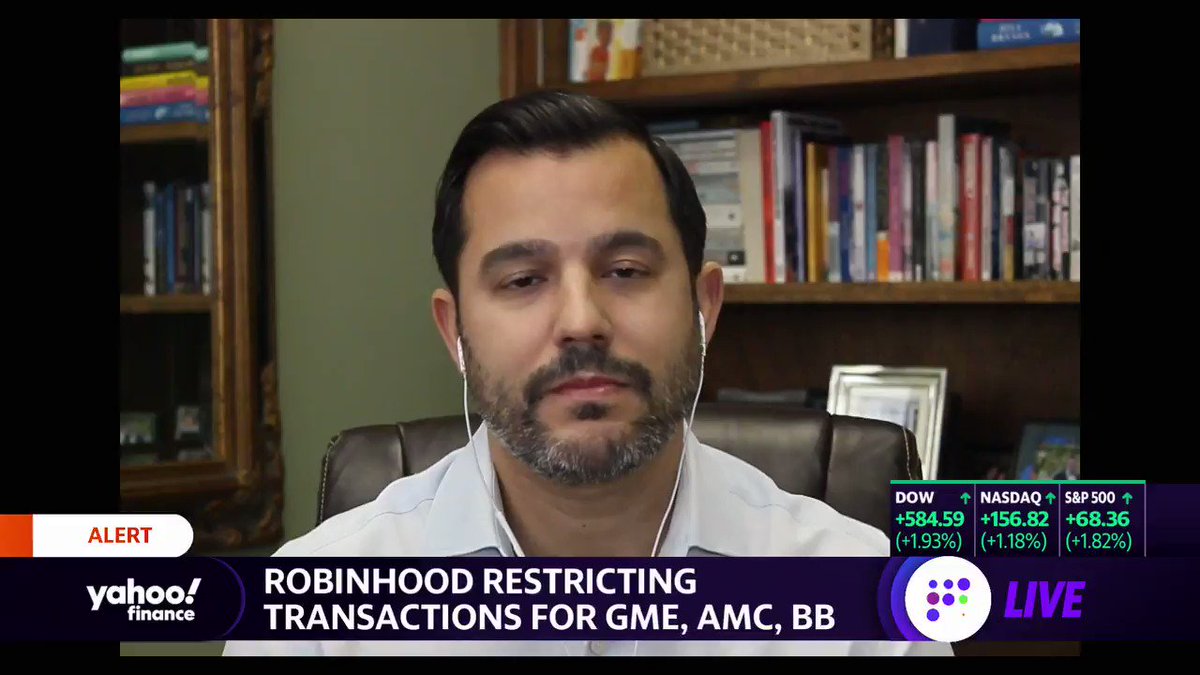
So what took Robinhood so long? 7/X
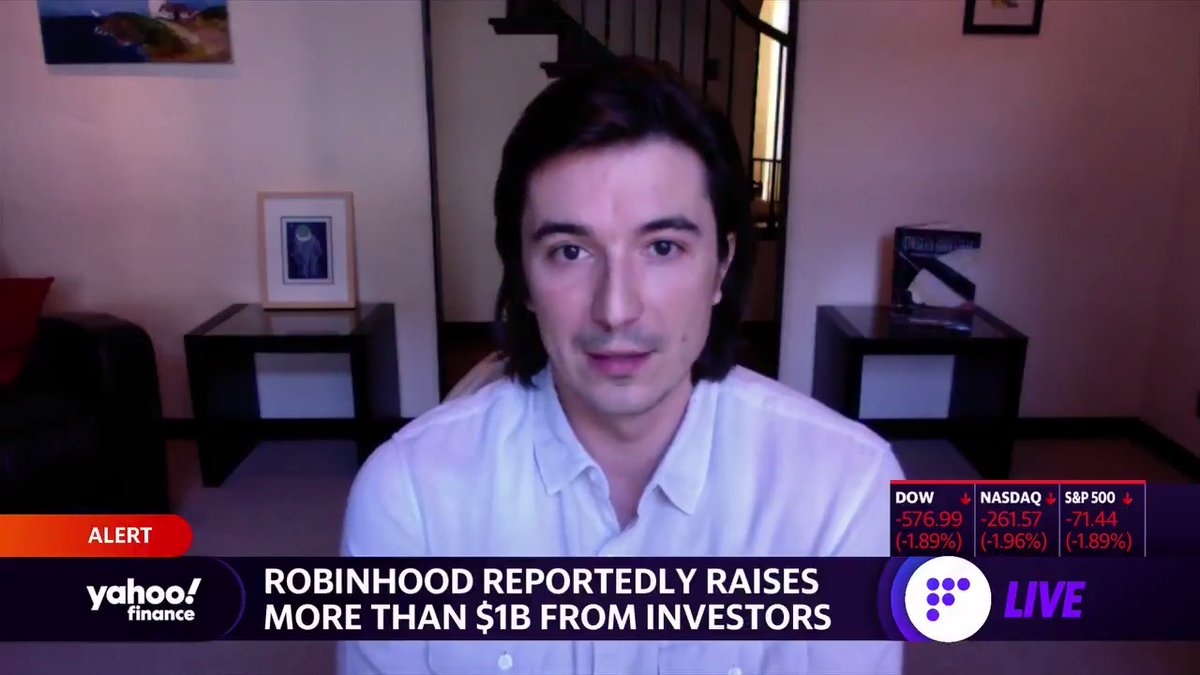
Building their own clearing house came with added risks - it just seems no one saw GameStop rising 500% in a week 8/X
Letting customers continue to buy GameStop stock was like selling lottery tickets while knowing there could be problems with the drawing 9/X
Messaging to customers that this wasn't about "protection" could have come sooner
The SEC could've done something (anything) and *market wide* to protect the lopsided impact to protect the market's poorest investors 10/X
But running with a theory that hedge funds pressured them into anything before those facts exist is dangerous and endangers any real change 11/X
I'm just as angry about it as everyone else (even Mama Guz couldn't trade on Robinhood!) I'll keep chasing the truth.
https://t.co/CGhDIqjRk1
More from Trading


You May Also Like




**Thread on Bravery of Sikhs**
(I am forced to do this due to continuous hounding of Sikh Extremists since yesterday)
Rani Jindan Kaur, wife of Maharaja Ranjit Singh had illegitimate relations with Lal Singh (PM of Ranjit Singh). Along with Lal Singh, she attacked Jammu, burnt - https://t.co/EfjAq59AyI

Hindu villages of Jasrota, caused rebellion in Jammu, attacked Kishtwar.
Ancestors of Raja Ranjit Singh, The Sansi Tribe used to give daughters as concubines to Jahangir.

The Ludhiana Political Agency (Later NW Fronties Prov) was formed by less than 4000 British soldiers who advanced from Delhi and reached Ludhiana, receiving submissions of all sikh chiefs along the way. The submission of the troops of Raja of Lahore (Ranjit Singh) at Ambala.
Dabistan a contemporary book on Sikh History tells us that Guru Hargobind broke Naina devi Idol Same source describes Guru Hargobind serving a eunuch
YarKhan. (ref was proudly shared by a sikh on twitter)
Gobind Singh followed Bahadur Shah to Deccan to fight for him.

In Zafarnama, Guru Gobind Singh states that the reason he was in conflict with the Hill Rajas was that while they were worshiping idols, while he was an idol-breaker.
And idiot Hindus place him along Maharana, Prithviraj and Shivaji as saviours of Dharma.

(I am forced to do this due to continuous hounding of Sikh Extremists since yesterday)
Rani Jindan Kaur, wife of Maharaja Ranjit Singh had illegitimate relations with Lal Singh (PM of Ranjit Singh). Along with Lal Singh, she attacked Jammu, burnt - https://t.co/EfjAq59AyI
Tomorrow again same thing happens bcoz fudus like you are creating a narrative oh Khalistan. when farmers are asking MSP. (RSS ki tatti khane wale Kerni sena ke kutte).
— Ancient Economist (@_stock_tips) December 5, 2020
U kill sikhs in 1984 just politics. To BC low IQ fudu Saale entire history was politics.
Hindu villages of Jasrota, caused rebellion in Jammu, attacked Kishtwar.
Ancestors of Raja Ranjit Singh, The Sansi Tribe used to give daughters as concubines to Jahangir.
The Ludhiana Political Agency (Later NW Fronties Prov) was formed by less than 4000 British soldiers who advanced from Delhi and reached Ludhiana, receiving submissions of all sikh chiefs along the way. The submission of the troops of Raja of Lahore (Ranjit Singh) at Ambala.
Dabistan a contemporary book on Sikh History tells us that Guru Hargobind broke Naina devi Idol Same source describes Guru Hargobind serving a eunuch
YarKhan. (ref was proudly shared by a sikh on twitter)
Gobind Singh followed Bahadur Shah to Deccan to fight for him.
In Zafarnama, Guru Gobind Singh states that the reason he was in conflict with the Hill Rajas was that while they were worshiping idols, while he was an idol-breaker.
And idiot Hindus place him along Maharana, Prithviraj and Shivaji as saviours of Dharma.


