
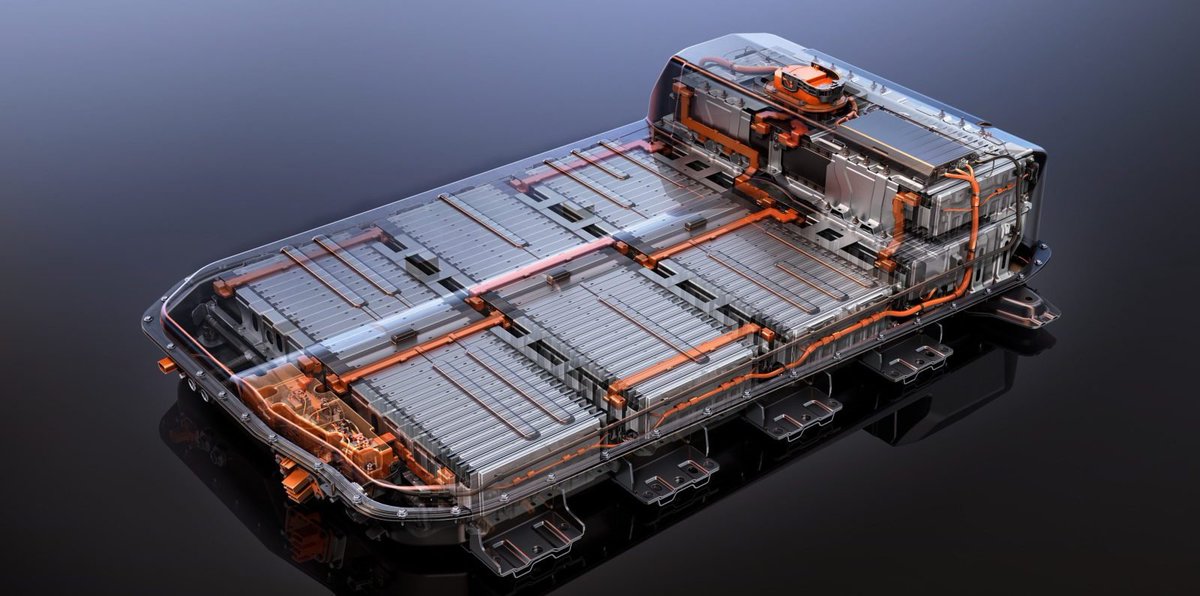
EV Battery overview
Batteries are the key differentiator between the various EV manufacturers. The amount of energy stored in the battery determines the range of the EV, thought to be a major limitation on EV sales.
Batteries are the key differentiator between the various EV manufacturers. The amount of energy stored in the battery determines the range of the EV, thought to be a major limitation on EV sales.
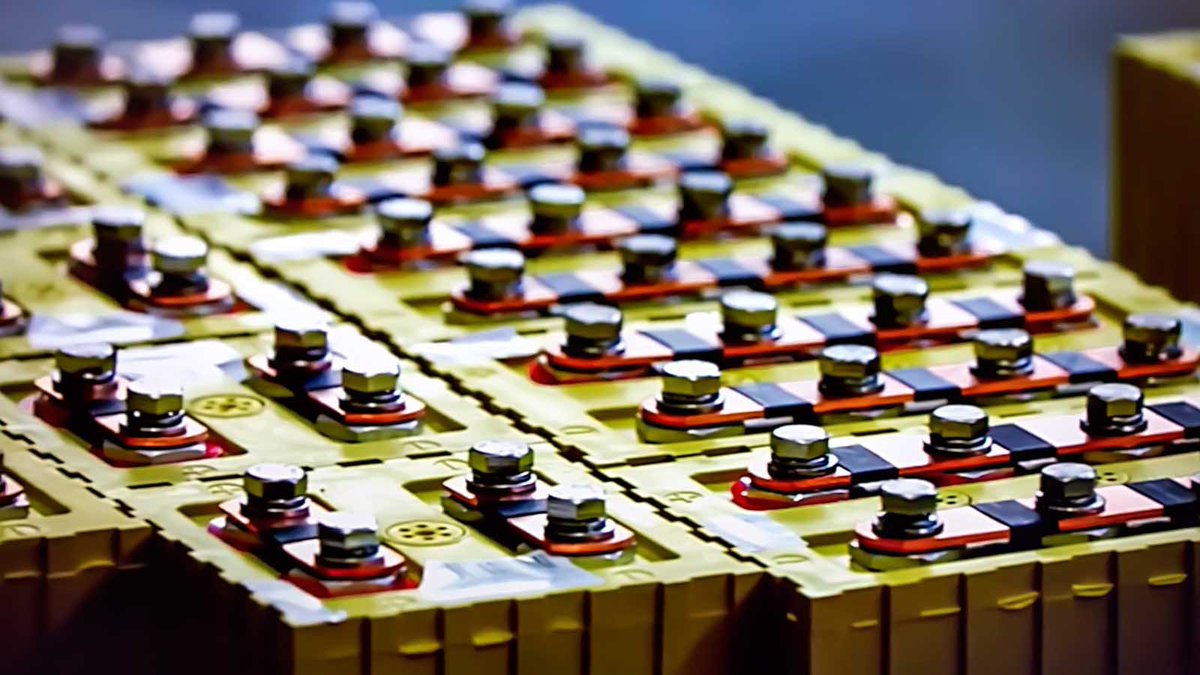
BNEF projects that global production capacity for lithium-ion batteries will increase from 103 gigawatt-hours (GWh) in the first quarter of 2017 to 273 GWh by 2021.
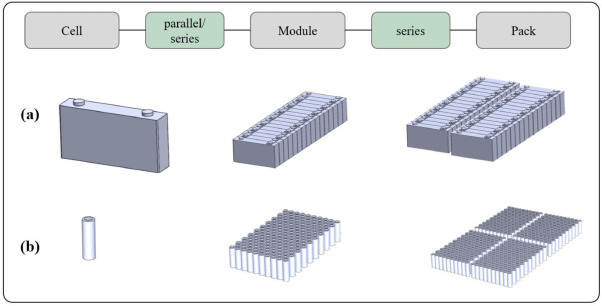
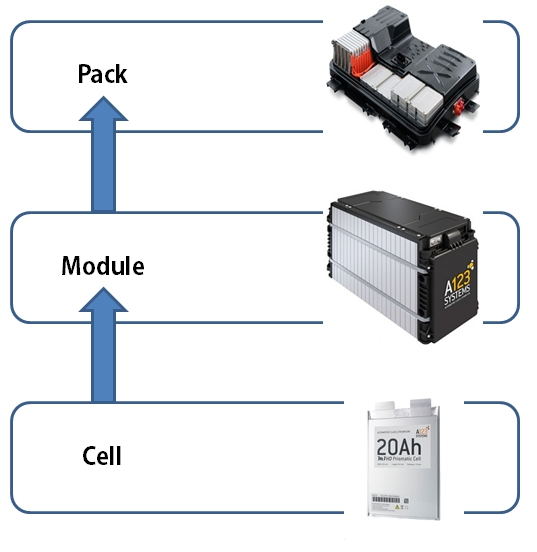
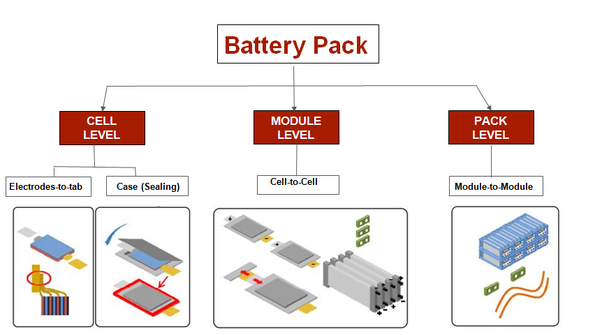
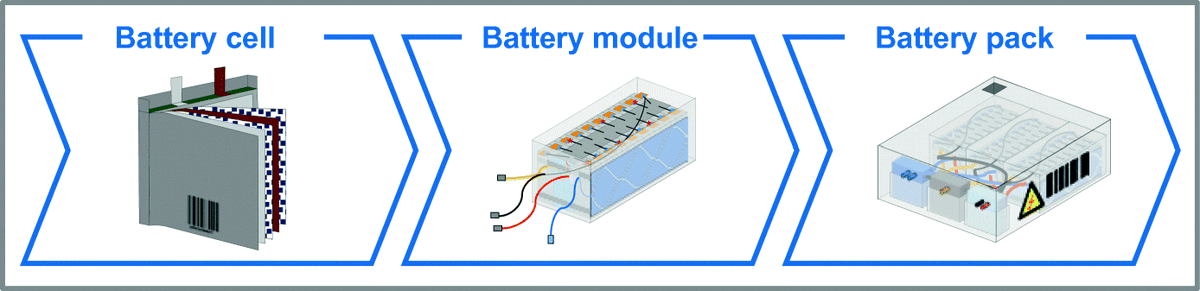
cell manufacturing,
module manufacturing, and
pack assembly.
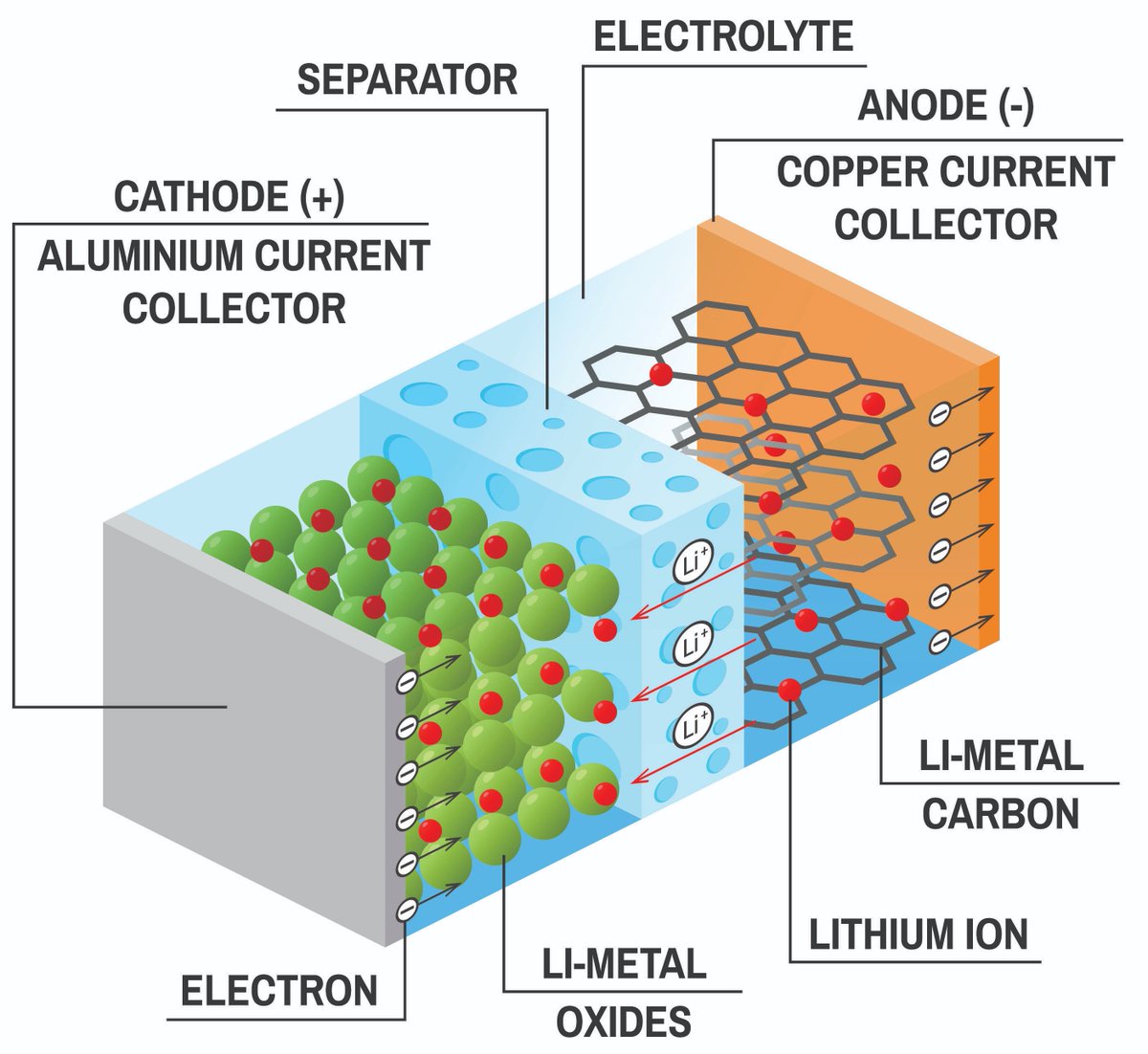
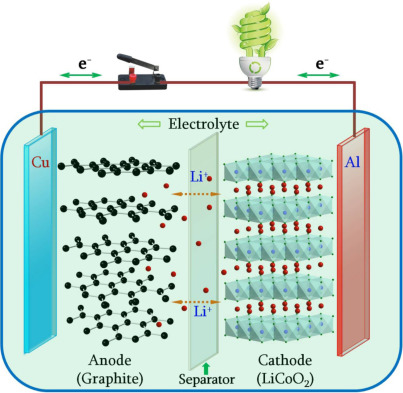
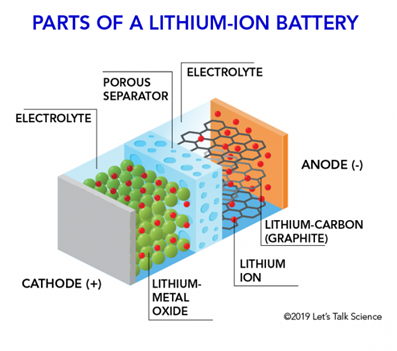
electrochemical cell,
which consists of three major parts: a cathode and an anode separated physically but connected electrically by an electrolyte.
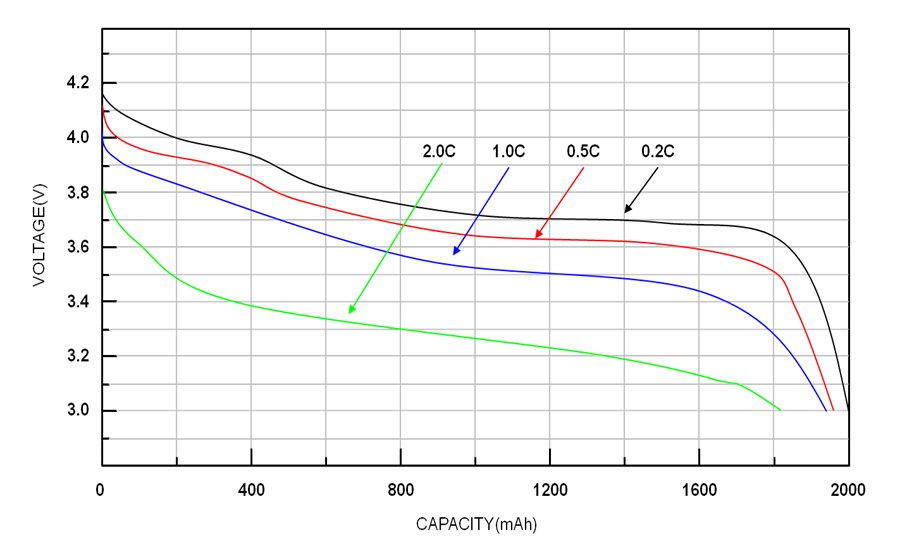
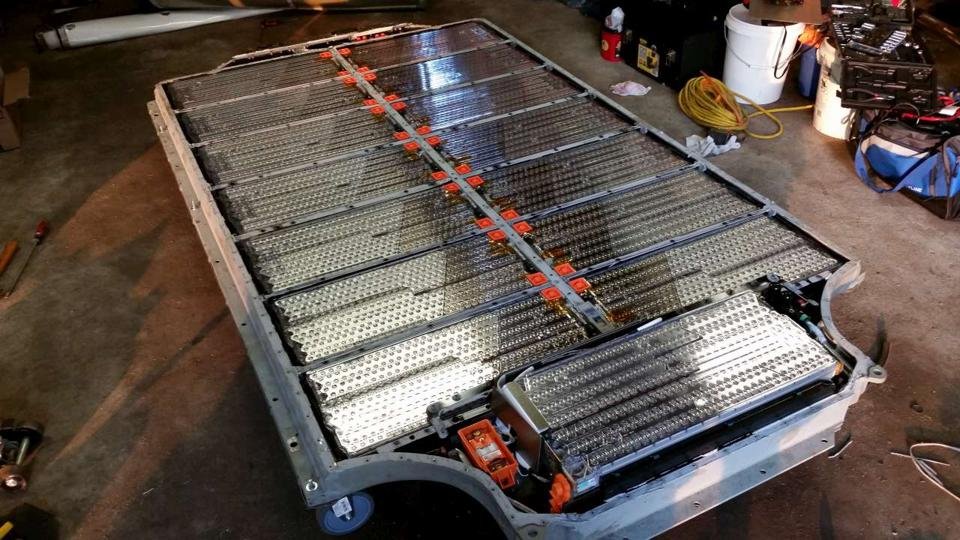
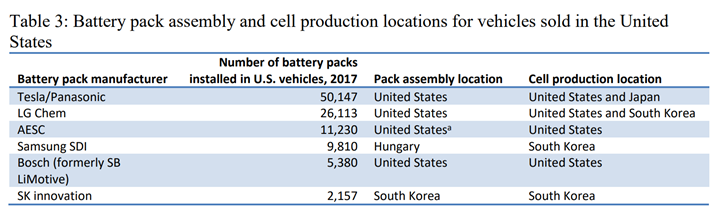
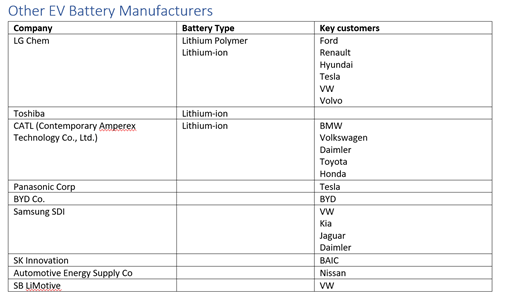
Tesla’s battery packs use cells from Gigafactory, while cells for the Model S & X are produced by Panasonic
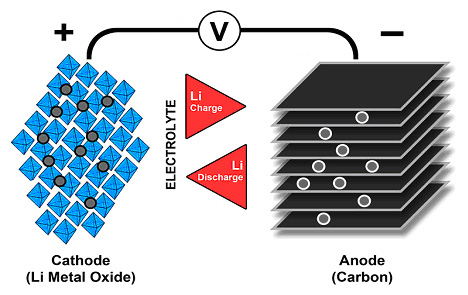
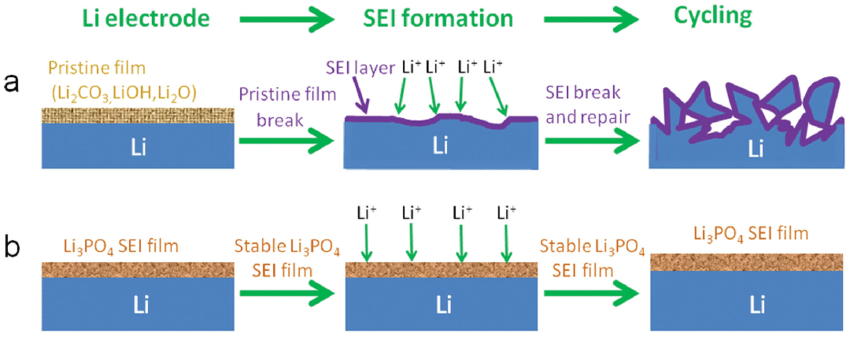
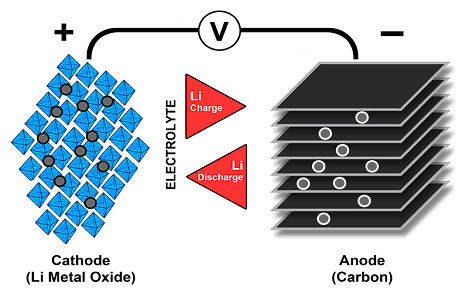

Graphite is used in the anode of many EVs.
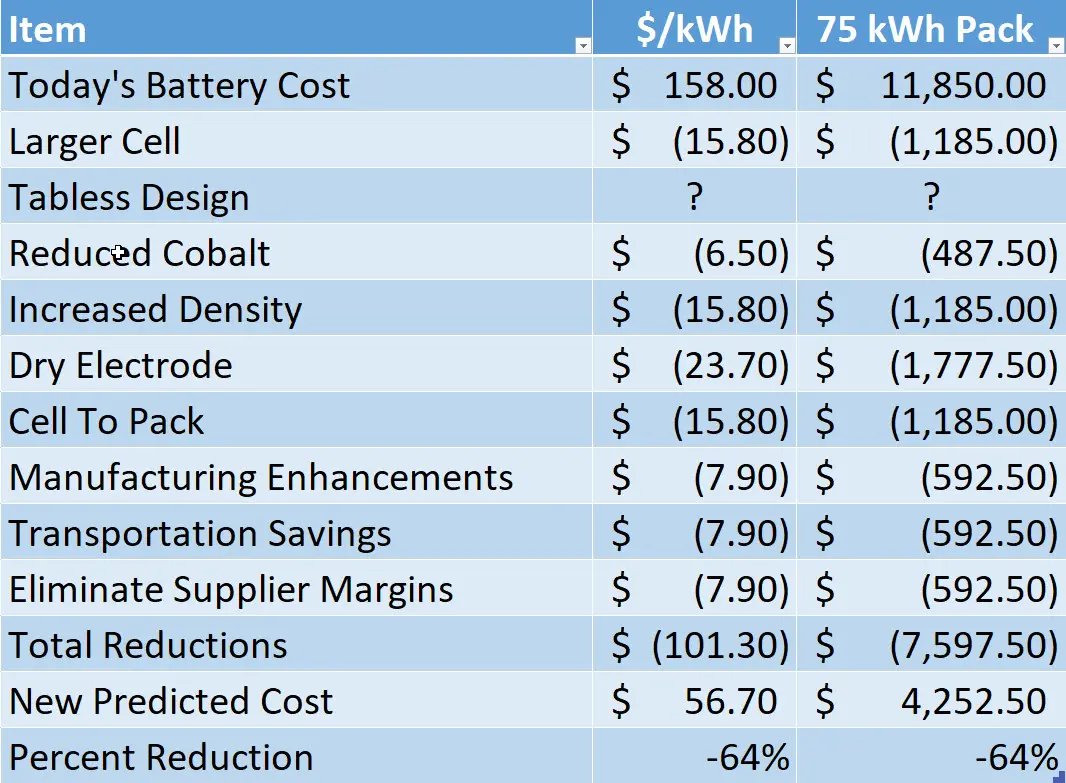
$TSLA is aiming to reduce the cost of future packs to less than $6,000, which would put the cell cost at well under $100/kWh.
More from Tech



You May Also Like


The entire discussion around Facebook’s disclosures of what happened in 2016 is very frustrating. No exec stopped any investigations, but there were a lot of heated discussions about what to publish and when.
In the spring and summer of 2016, as reported by the Times, activity we traced to GRU was reported to the FBI. This was the standard model of interaction companies used for nation-state attacks against likely US targeted.
In the Spring of 2017, after a deep dive into the Fake News phenomena, the security team wanted to publish an update that covered what we had learned. At this point, we didn’t have any advertising content or the big IRA cluster, but we did know about the GRU model.
This report when through dozens of edits as different equities were represented. I did not have any meetings with Sheryl on the paper, but I can’t speak to whether she was in the loop with my higher-ups.
In the end, the difficult question of attribution was settled by us pointing to the DNI report instead of saying Russia or GRU directly. In my pre-briefs with members of Congress, I made it clear that we believed this action was GRU.
The story doesn\u2019t say you were told not to... it says you did so without approval and they tried to obfuscate what you found. Is that true?
— Sarah Frier (@sarahfrier) November 15, 2018
In the spring and summer of 2016, as reported by the Times, activity we traced to GRU was reported to the FBI. This was the standard model of interaction companies used for nation-state attacks against likely US targeted.
In the Spring of 2017, after a deep dive into the Fake News phenomena, the security team wanted to publish an update that covered what we had learned. At this point, we didn’t have any advertising content or the big IRA cluster, but we did know about the GRU model.
This report when through dozens of edits as different equities were represented. I did not have any meetings with Sheryl on the paper, but I can’t speak to whether she was in the loop with my higher-ups.
In the end, the difficult question of attribution was settled by us pointing to the DNI report instead of saying Russia or GRU directly. In my pre-briefs with members of Congress, I made it clear that we believed this action was GRU.

