Price Anchoring:
Anchoring is a psychological bias that overemphasizes the first piece of information received.
Here's how its used:
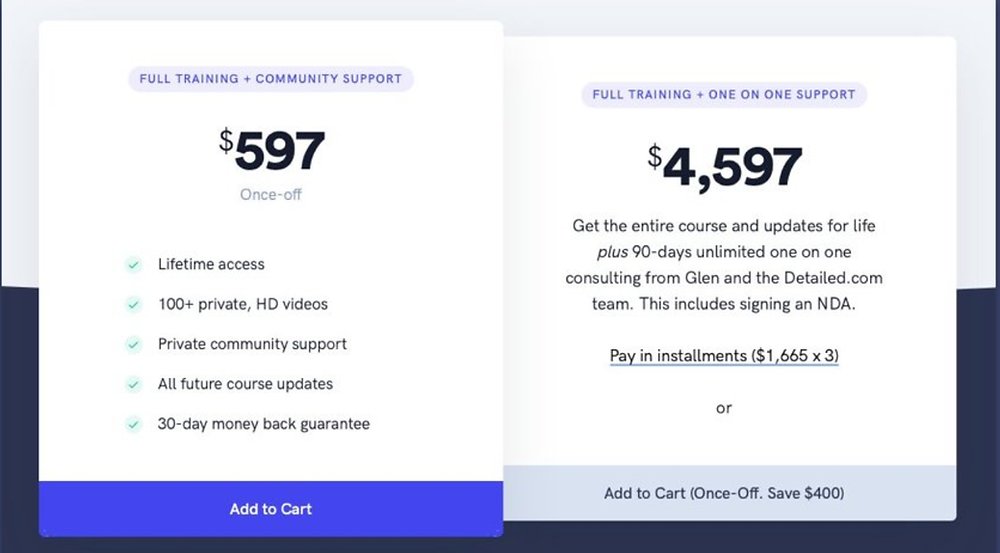
Sellers show prospects a high number and then follow it up with a lower price to increase perceived value.
More value = more sales
Decoy Pricing:
It's common to see pricing options that comes in three's.
One of the options is a "decoy" or a fake designed to increase sales of a cheaper plan.
For example:
The presence of the £1680 plan increases the sales of the £560 because its relatively cheaper.
Freemium Pricing:
Companies allow partial use of their products in exchange for creating an account.
Typically, top features are restricted or the user cannot have their experience ad free.
Free versions are effective at "warming up" prospects to become paid users.
Price Reframing:
Divide the monthly or annual prices by the number of days in that period to show the daily price, or smallest number possible.
Also, compare pricing to everyday objects like a cup of coffee to make bigger costs more palatable.
Lower number = less friction.
Charm Pricing:
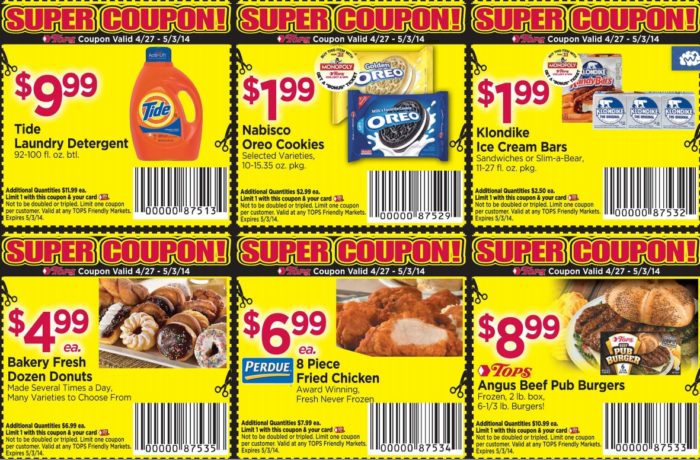
Prices ending in 9 cause a wire trip in the human brain.
It's been proven that prices ending in 9s lead to ATLEAST an 8% increase in sales.
Consumers will even pay MORE for the same product if the price ends in 9s compared another number.
Loss Leaders:
Price certain items below cost to increase traffic/visibility in order to sell higher margin products.
Grocery stores often price milk (a necessity) below profitability.
Shoppers will see/need other items while in the store increasing their total order value.
Dynamic Pricing:
Is a strategy to harmonize supply and demand to maximize profit based on inventory or time availability.
Concert venues, airlines, and hotels employ this approach to ensure they sell all their inventory or get max value for highly coveted tickets/rooms.
High-Low Pricing:
Set an initial high price and then reduce during a sale or discount.
The goal is to create urgency because this GREAT price won't always be available.
The high-price remains visible to keep the perceived value high persuading to take advantage.
Appeal to Ethics:
Consumers, especially Millennials and Gen-Z, don't purchase solely on price.
They support companies that share their beliefs and vision for the future.
For example:
Amazon displays certain products as "climate pledge friendly," making price less relevant.
Product Bundling:
Rather than selling multiple items at different prices it's more effective to combine them into a single offer.
Usually, bundled items complement one another and provide some cost savings.
The convenience and savings of bundled products increases sales.
Buy Now, Pay Later:
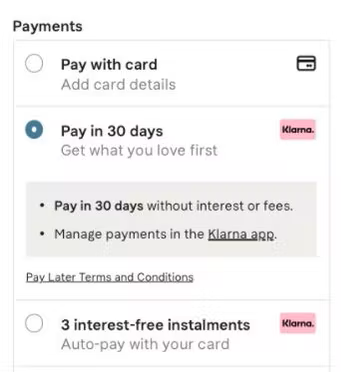
Is a short-term financing option that allows customers to purchase a product now, but pay in installments.
It reduces the pain of purchasing by lowering the out-of-pocket cost at the time of checkout.
By 2025 BNPL will be a $680B industry!
Too many businesses don't stress pricing strategy.
The best companies like Apple, Amazon, and Wal-Mart use a well-researched game plan to maximize profit.
Check out..
"10 Ideas on how Pricing Strategies can Improve Growth" by Daman Soni for some great breakdowns.
If you enjoy content about business, growth, and SEO then follow me:
@barrettjoneill Please comment, like, and RT the tweet below:
https://t.co/vnTuhGG7QA
Please consider subscribing to my newsletter.
When I get 3K subs I will write weekly about:
-
Businesshttps://pbs.twimg.com/card_img/1552664027548897281/XJItuImv?format=jpg&name=240x240 - SEO
-Audience
- Entrepreneurship
- Earned Wisdom
https://t.co/HTTpUtLfHQ