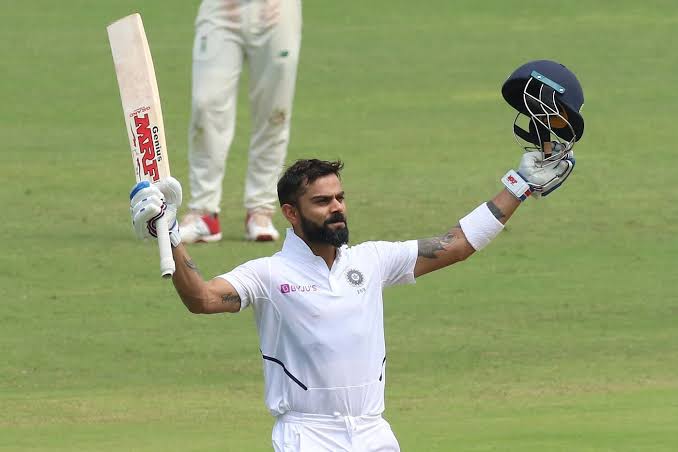
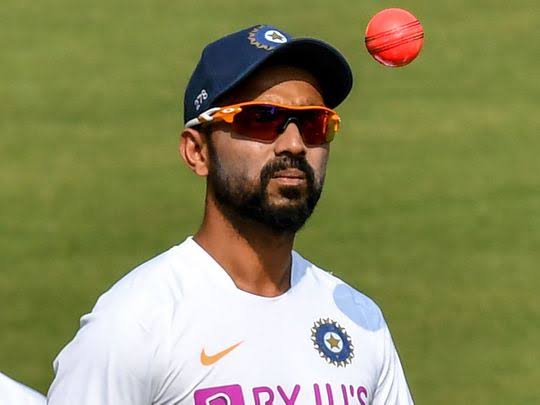
You CANNOT say that in one activity you are helping players build representations/memory (cognitive) and in another activity you’re helping players attune to specifying information in the environment (ecological).
A (long) thread on why Andrew is correct but ultimately incorrect…
Andrew is correct at the neurological level. The cognitive and ecological explanations of the brain and behaviour are completely different. Saying you’re an eclectic coach at this level is like saying you
Many coaches advocate for picking and choosing methods from a variety of theoretical camps, on the premise that which is best \u2018depends\u2019 on the player, the coach, etc and you want the biggest toolkit you can get.
— Andrew D Wilson (@PsychScientists) November 27, 2020
I think this is an error, which I will now attempt to defend
You CANNOT say that in one activity you are helping players build representations/memory (cognitive) and in another activity you’re helping players attune to specifying information in the environment (ecological).
He is basing his critique of an ‘it depends’ stance at a neurological ‘representations vs information’ level (see his thread). But this isn’t the level that
Further, Andrew mentions that picking and choosing coaching methods that ‘come from both camps’ is an incoherent idea for
As a constructivist (cognitive) I can use social constructionist (ecological) methods. And I do! I’m trained in SFBT (a social constructionist therapy)
In summary, coaches can use any method they so choose for their
More from Sport






When thinking about who to play in DM for Leeds the word "role" is important. Let's have a think about the role:
A lot of people think Struijk isn't good enough in the build-up phase. Well, what does the DM do in build-up?
Here's a passing network from last season:
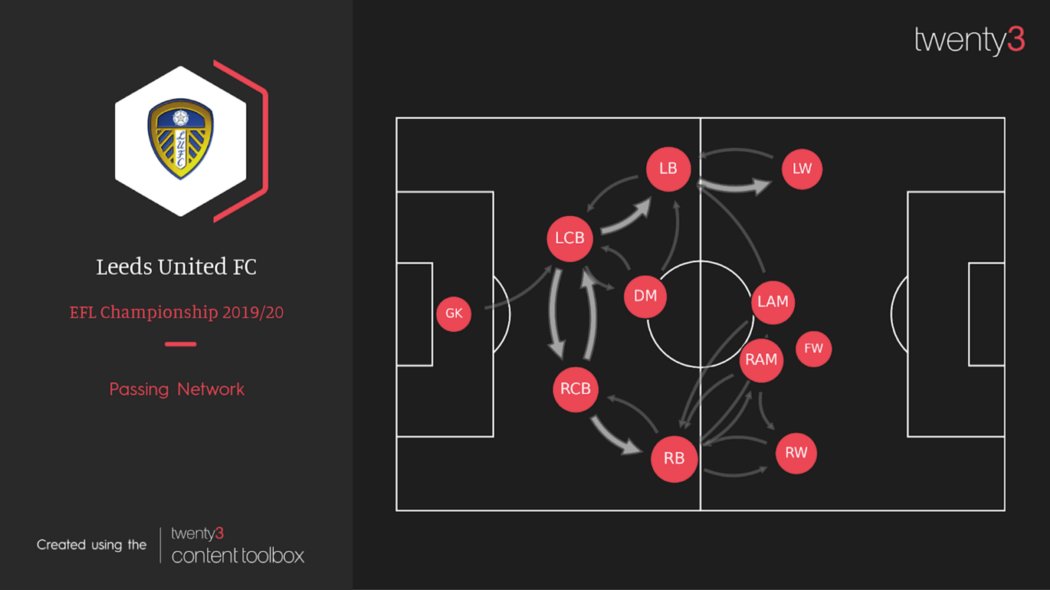
As you can see, Phillips' role in the Championship last season was largely facilitating build up in the wide area (on the left interestingly).
Per Wyscout, Phillips is putting up a figure of 7.03 long passes per 90 minutes and completes around 59%. Last season he was making 6.94 long passes per 90 mins at around 52%.
Per dribbles he's putting up similar numbers across both seasons (between 1 and 1.5 p90) and per duels he's putting up the same number (20 p90).
All of this suggests his role hasn't changed much over the last couple of seasons.
This exactly. I think the 8 and fullback roles in this system share quite a lot of common attributes, even forgetting how Bielsa looks to hybrid them in 3-3-1-3. No wonder that we've seen Dallas, Shackleton, Gotts etc play both. And these roles play to Dallas' strengths.
— Jacob Standbridge (@PocketTrumpeter) February 13, 2021
A lot of people think Struijk isn't good enough in the build-up phase. Well, what does the DM do in build-up?
Here's a passing network from last season:
As you can see, Phillips' role in the Championship last season was largely facilitating build up in the wide area (on the left interestingly).
Per Wyscout, Phillips is putting up a figure of 7.03 long passes per 90 minutes and completes around 59%. Last season he was making 6.94 long passes per 90 mins at around 52%.
Per dribbles he's putting up similar numbers across both seasons (between 1 and 1.5 p90) and per duels he's putting up the same number (20 p90).
All of this suggests his role hasn't changed much over the last couple of seasons.