How Silicon Valley, in a Show of Monopolistic Force, Destroyed
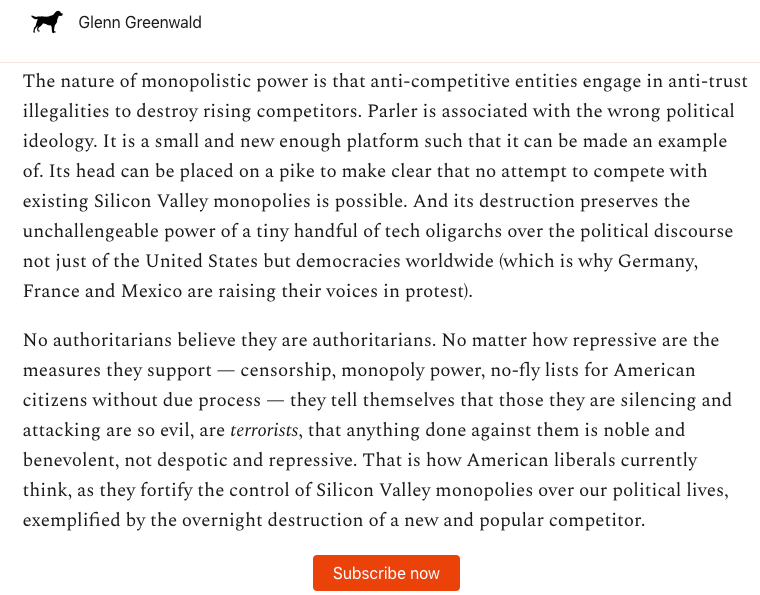
https://t.co/C2om0SHgLb
We wrote a 200 page report on why corporate concentration - including the big tech radicalization engines - worsened under both Democratic and Republican administrations. It has to do with antitrust enforcement, and it's fixable by Biden. https://t.co/K85Kv34t83
— Matt Stoller (@matthewstoller) January 12, 2021
https://t.co/OyElNWwoue
More from Software

🚨 🦮 Seven ways to test for accessibility using only what is already in browser developer tools of Chromium browsers https://t.co/C7kdbigHGE
@MSEdgeDev @EdgeDevTools @ChromiumDev
#tools #accessibility #browsers
Also, a thread: 👇🏼
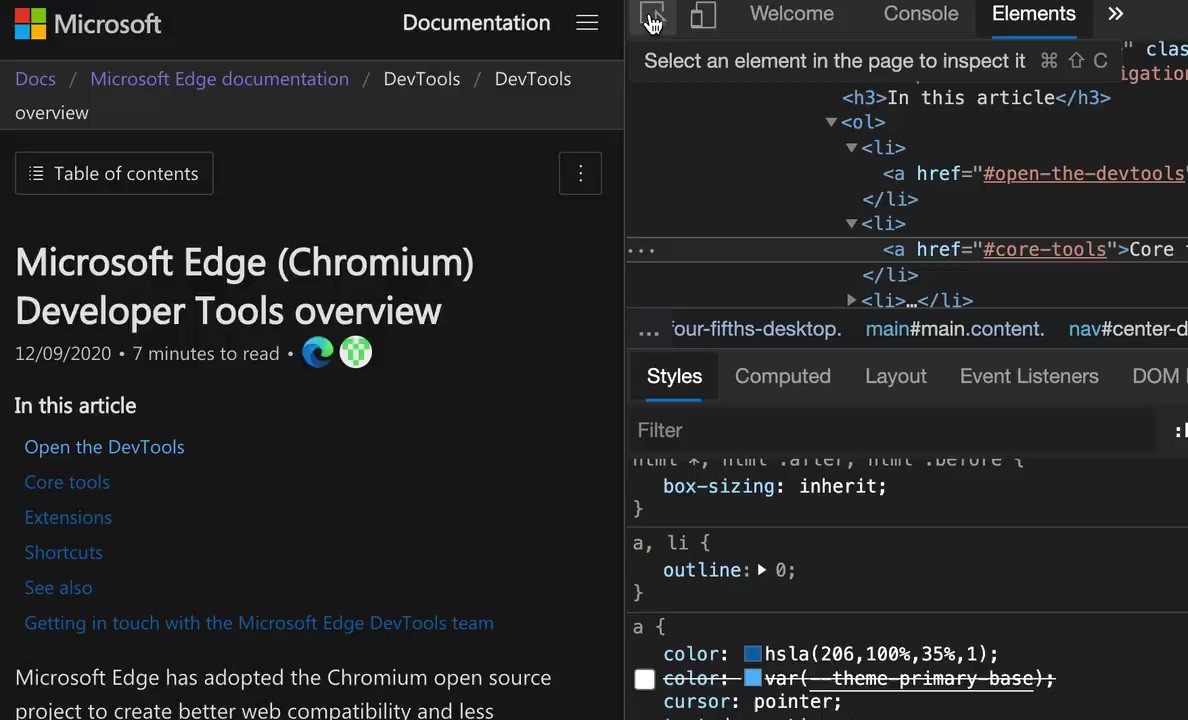
Issues pane, powered by @webhintio, listing accessibility issues with explanations why these are problems, links to more info and direct links to the tools where to fix the problem. https://t.co/4K5RynHhbg
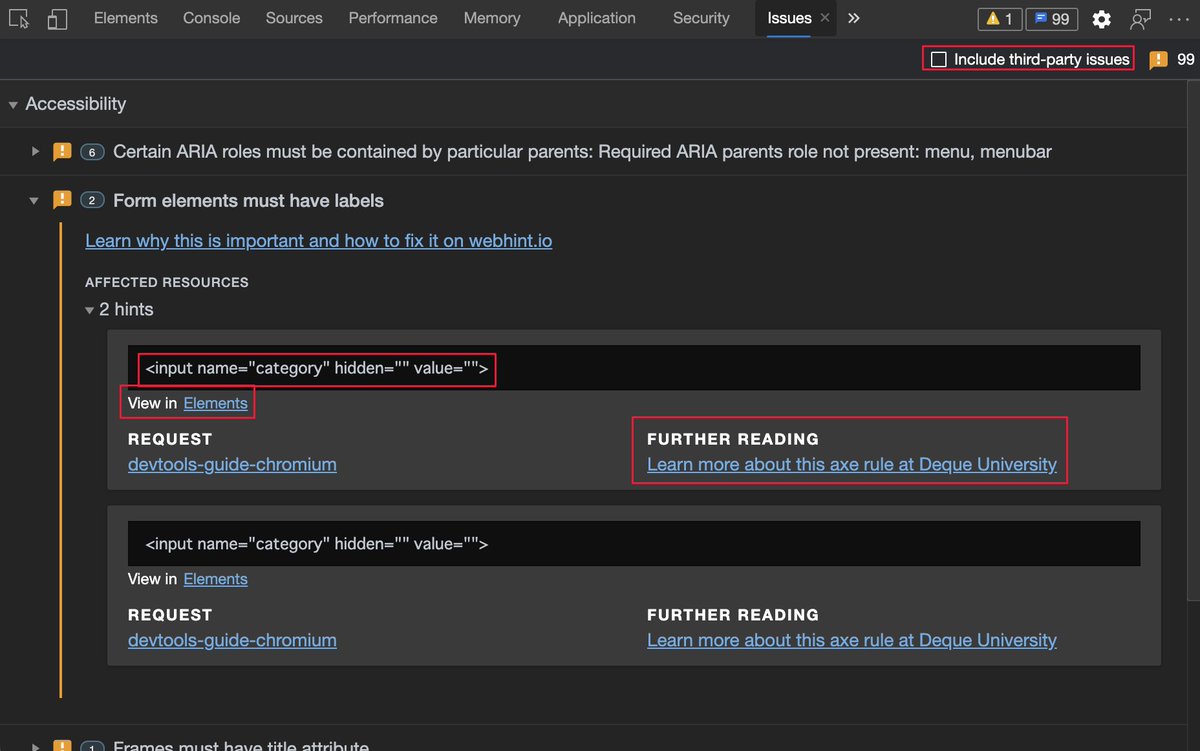
The inspect element overlay showing accessibility relevant information of the element, including contrast information, ARIA name, role and if it can be focused via keyboard.
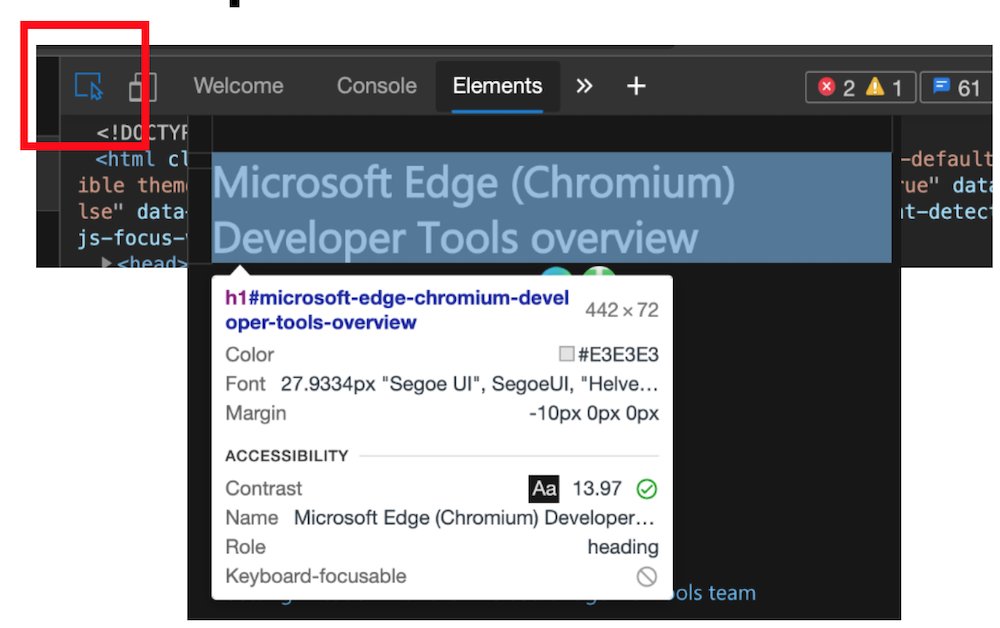
Colour picker with contrast information offering colours that are AA/AAA compliant. You can also see compliant colours indicated by a line on the colour patch.
Note: the current algorithm fails to take font weight into consideration, that's why there will be a new one.

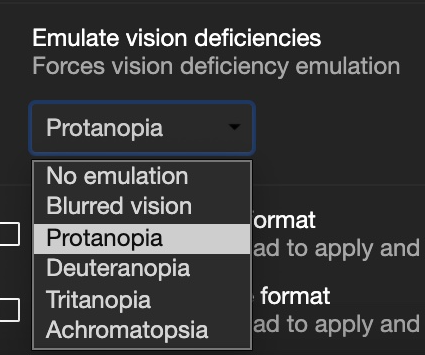
Vision deficit ("colour blindness") emulation. You can see what your product looks like for different visitors.
https://t.co/bxj1vySCAb
@MSEdgeDev @EdgeDevTools @ChromiumDev
#tools #accessibility #browsers
Also, a thread: 👇🏼
Issues pane, powered by @webhintio, listing accessibility issues with explanations why these are problems, links to more info and direct links to the tools where to fix the problem. https://t.co/4K5RynHhbg
The inspect element overlay showing accessibility relevant information of the element, including contrast information, ARIA name, role and if it can be focused via keyboard.
Colour picker with contrast information offering colours that are AA/AAA compliant. You can also see compliant colours indicated by a line on the colour patch.
Note: the current algorithm fails to take font weight into consideration, that's why there will be a new one.
Vision deficit ("colour blindness") emulation. You can see what your product looks like for different visitors.
https://t.co/bxj1vySCAb





Software architecture is in crisis, and the way to fix it is a hefty dose of anarchy.

Some lay the blame for this on @boicy with the whole microservices thing.
(Admittedly, @nicolefv, @jezhumble and @realgenekim didn’t help when they statistically proved that he might have been onto something with all that de-coupling and team-alignment…)
However I don’t blame him at all.
I think he saved us; bringing us back to the path of value-delivery and independent services, but now with added independent teams.

But one thing is clear. Microservices need more architecture, not less (as do other forms of #Accelerate-style software organisation).
(See https://t.co/B2hWmXhIqe if you need convincing)
I mean, all those pesky slices we need to carve up our monoliths (or were they big balls of mud?) That’s a significant amount of work right there…

Some lay the blame for this on @boicy with the whole microservices thing.
(Admittedly, @nicolefv, @jezhumble and @realgenekim didn’t help when they statistically proved that he might have been onto something with all that de-coupling and team-alignment…)
However I don’t blame him at all.
I think he saved us; bringing us back to the path of value-delivery and independent services, but now with added independent teams.
But one thing is clear. Microservices need more architecture, not less (as do other forms of #Accelerate-style software organisation).
(See https://t.co/B2hWmXhIqe if you need convincing)
I mean, all those pesky slices we need to carve up our monoliths (or were they big balls of mud?) That’s a significant amount of work right there…