
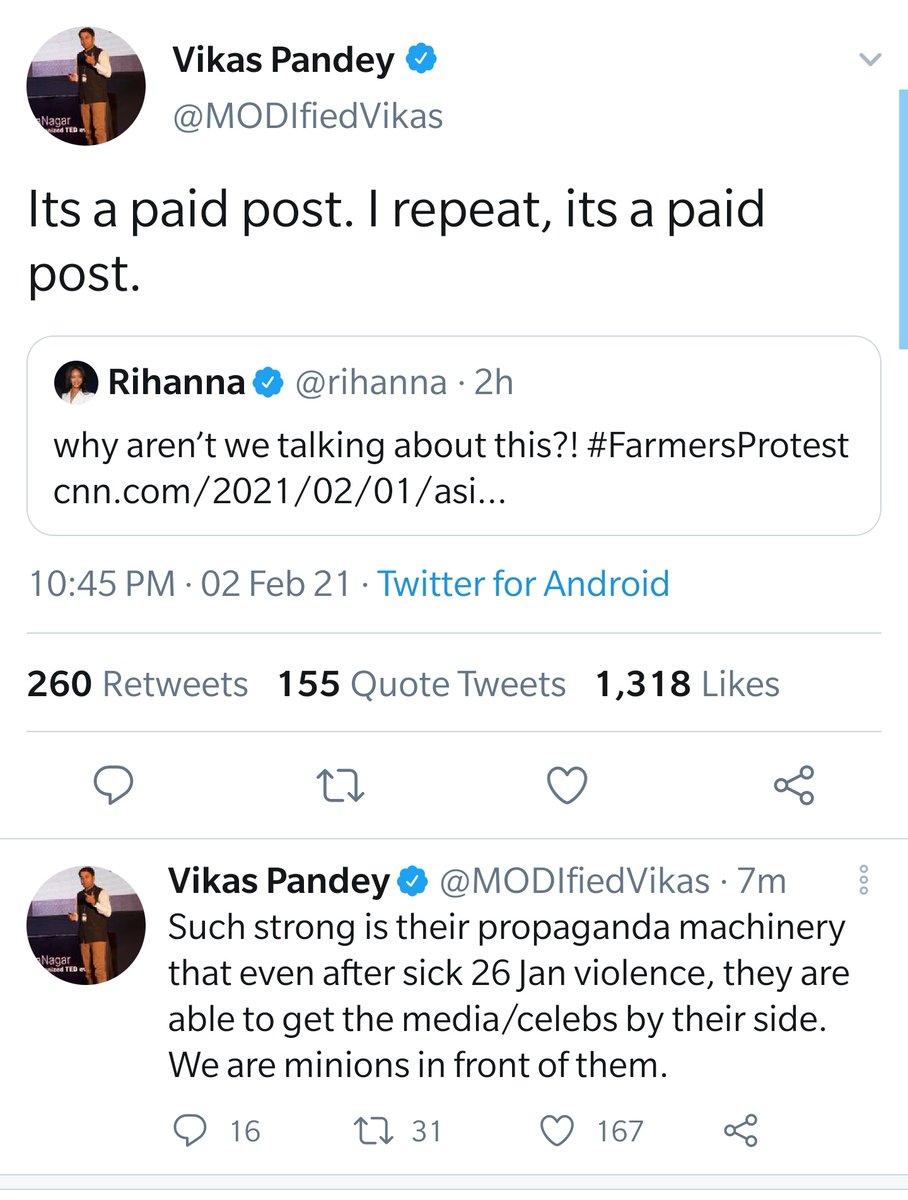
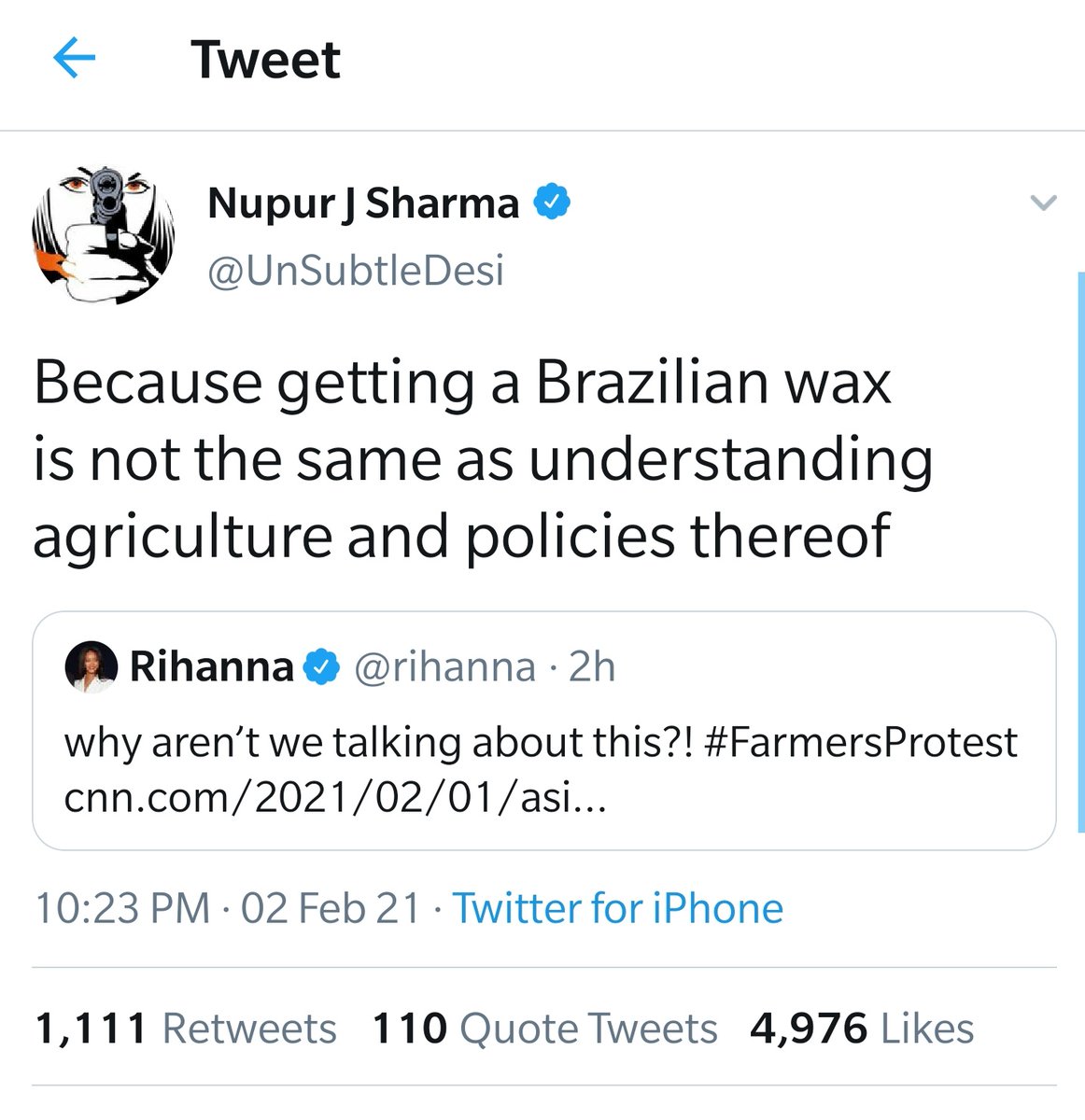
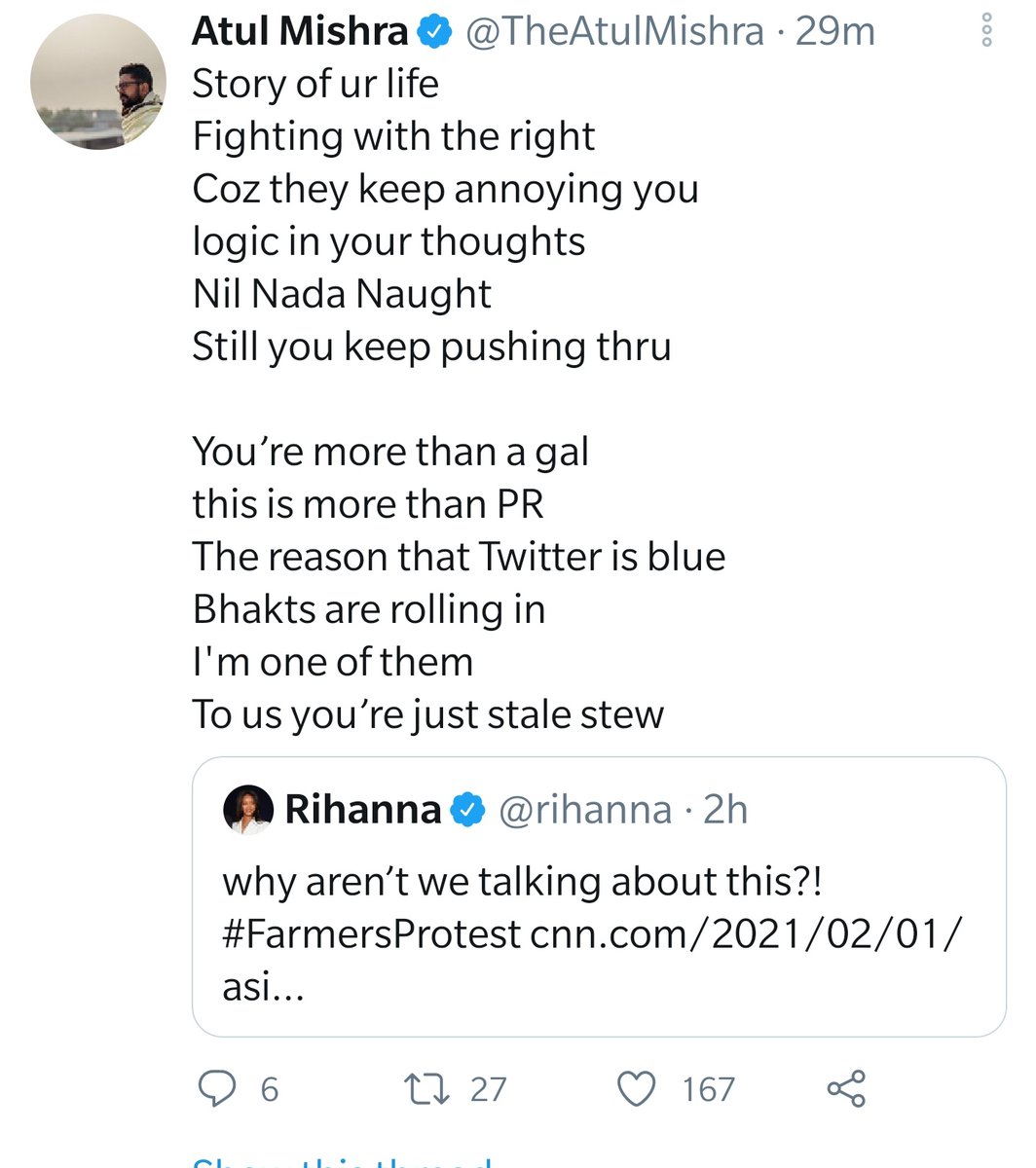
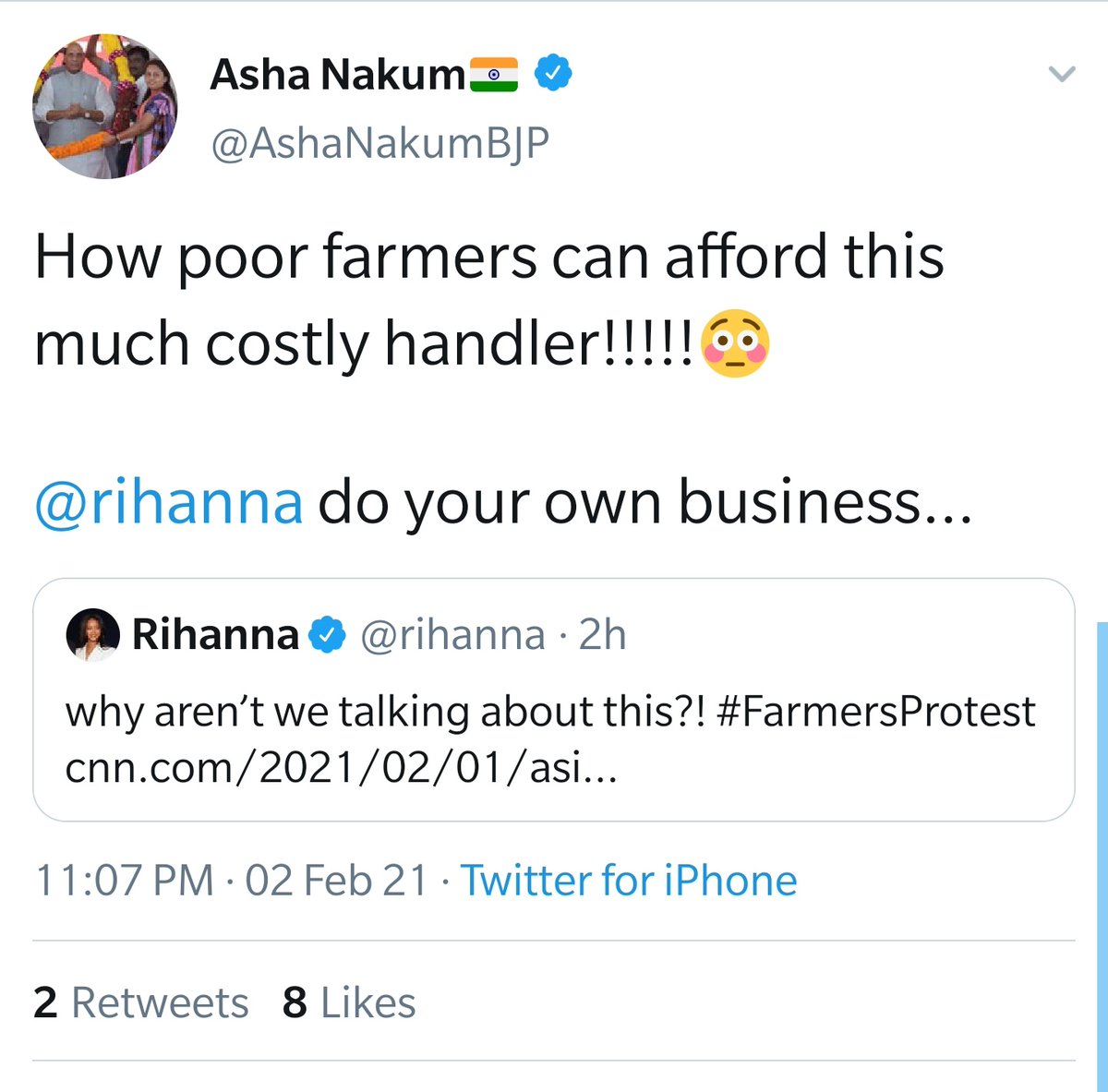
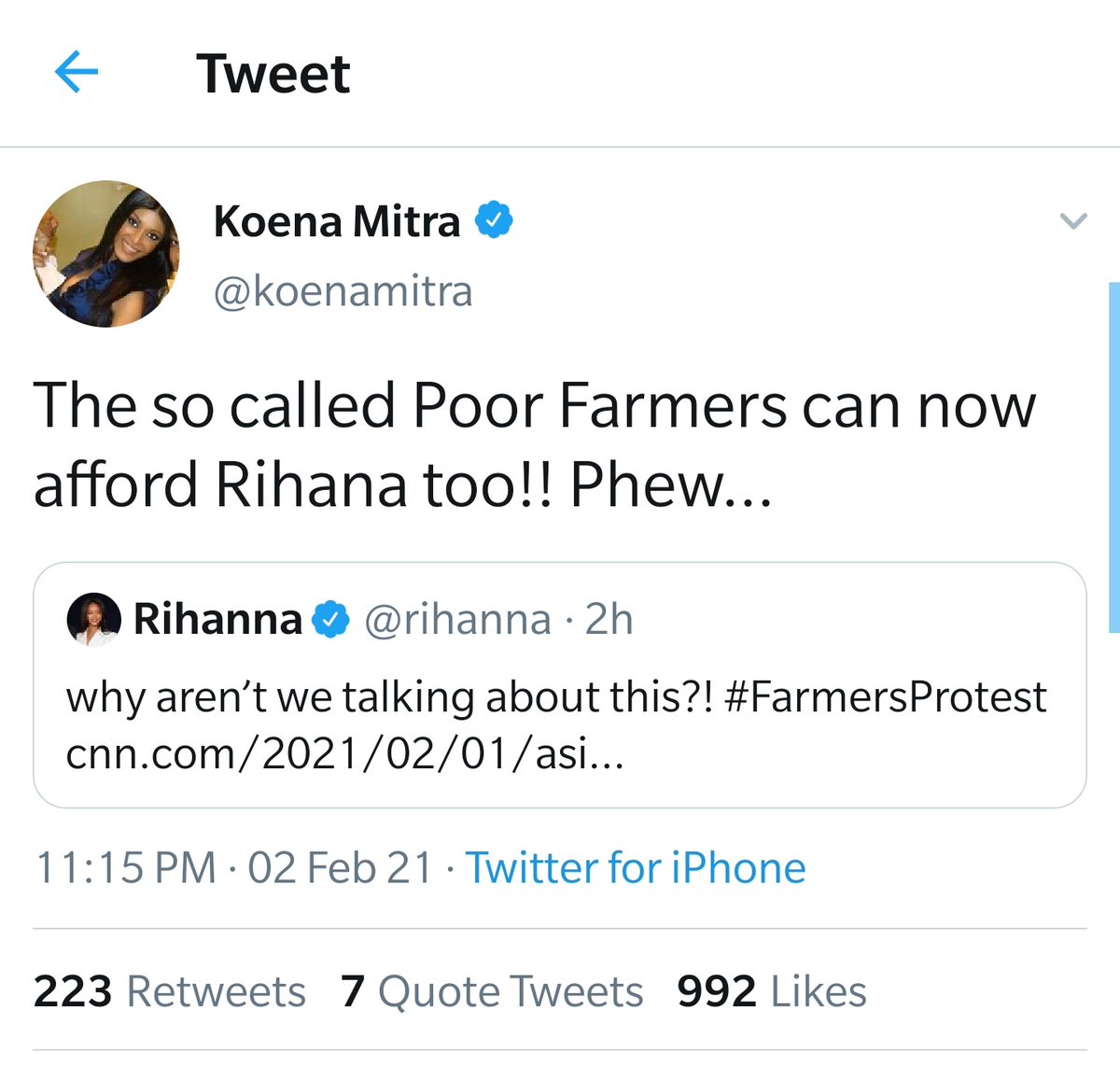
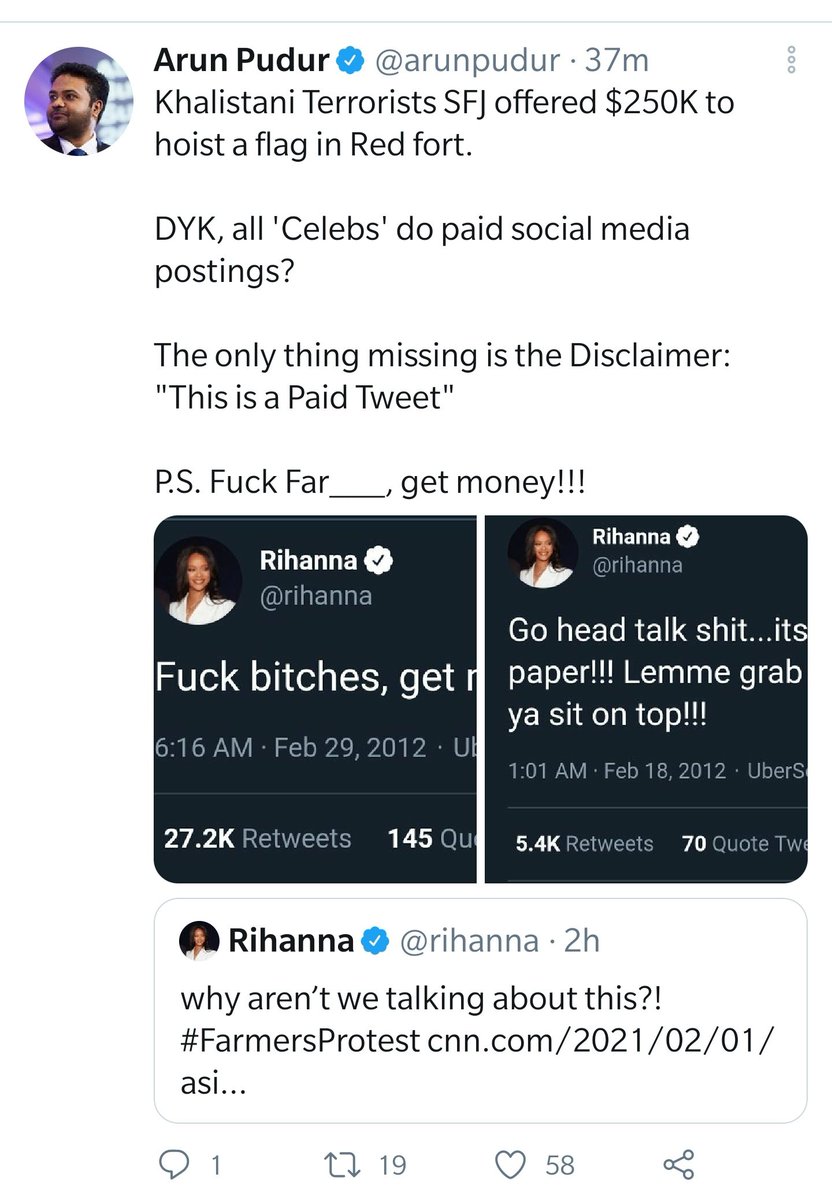
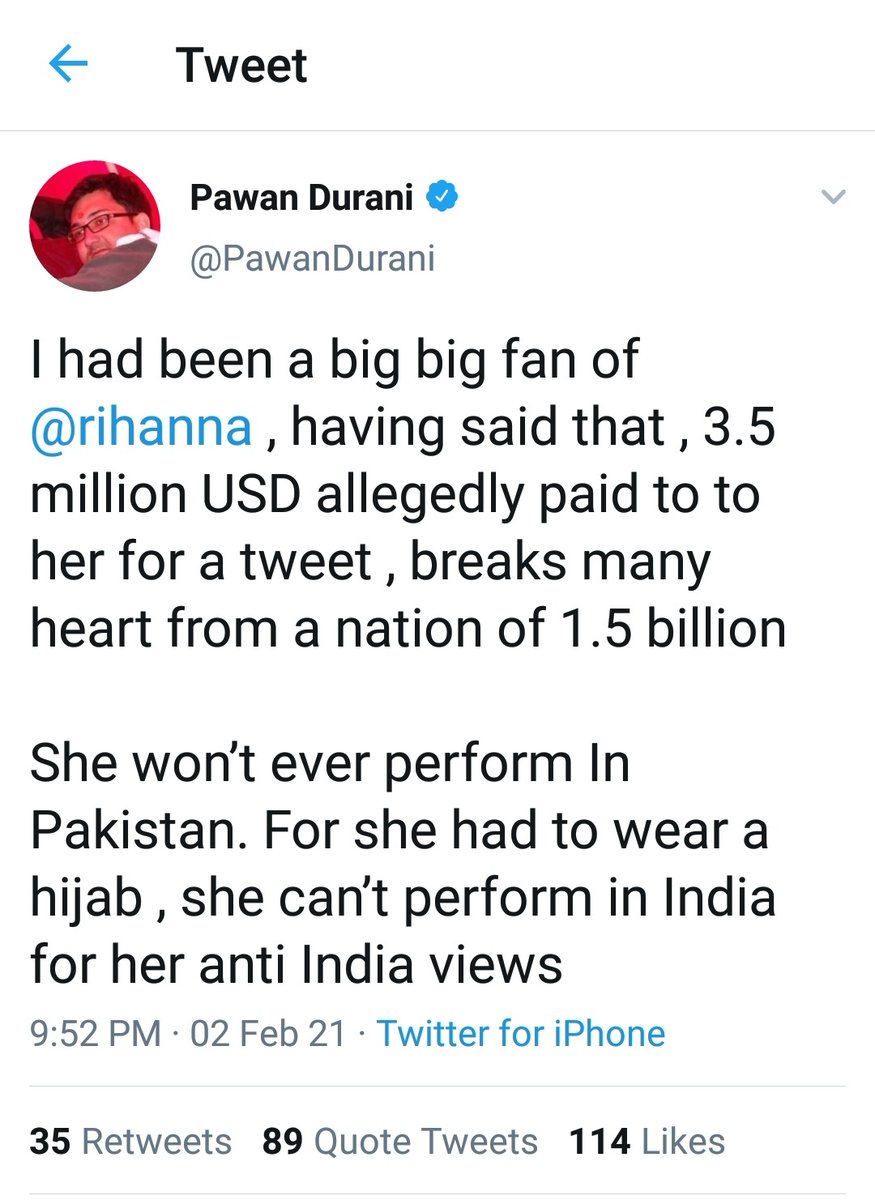
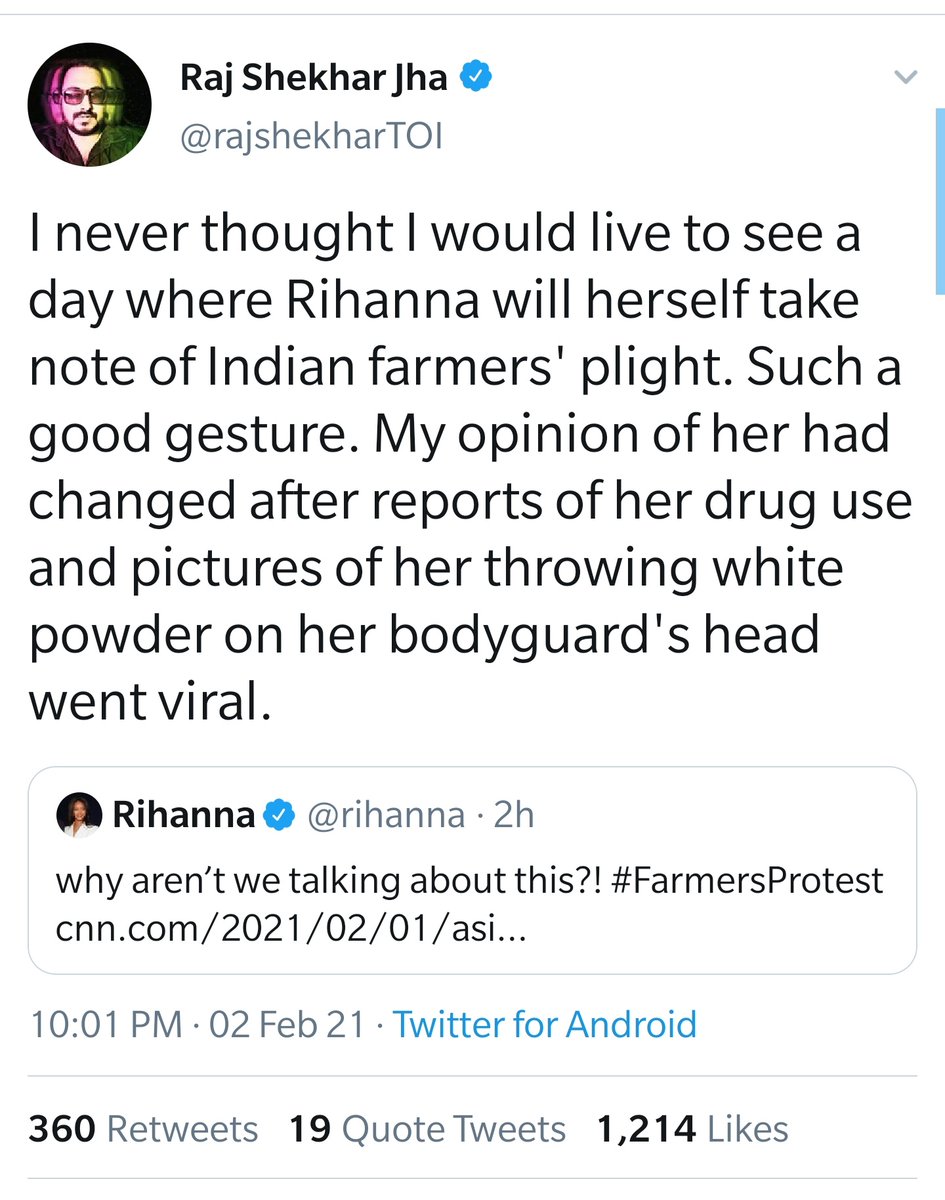
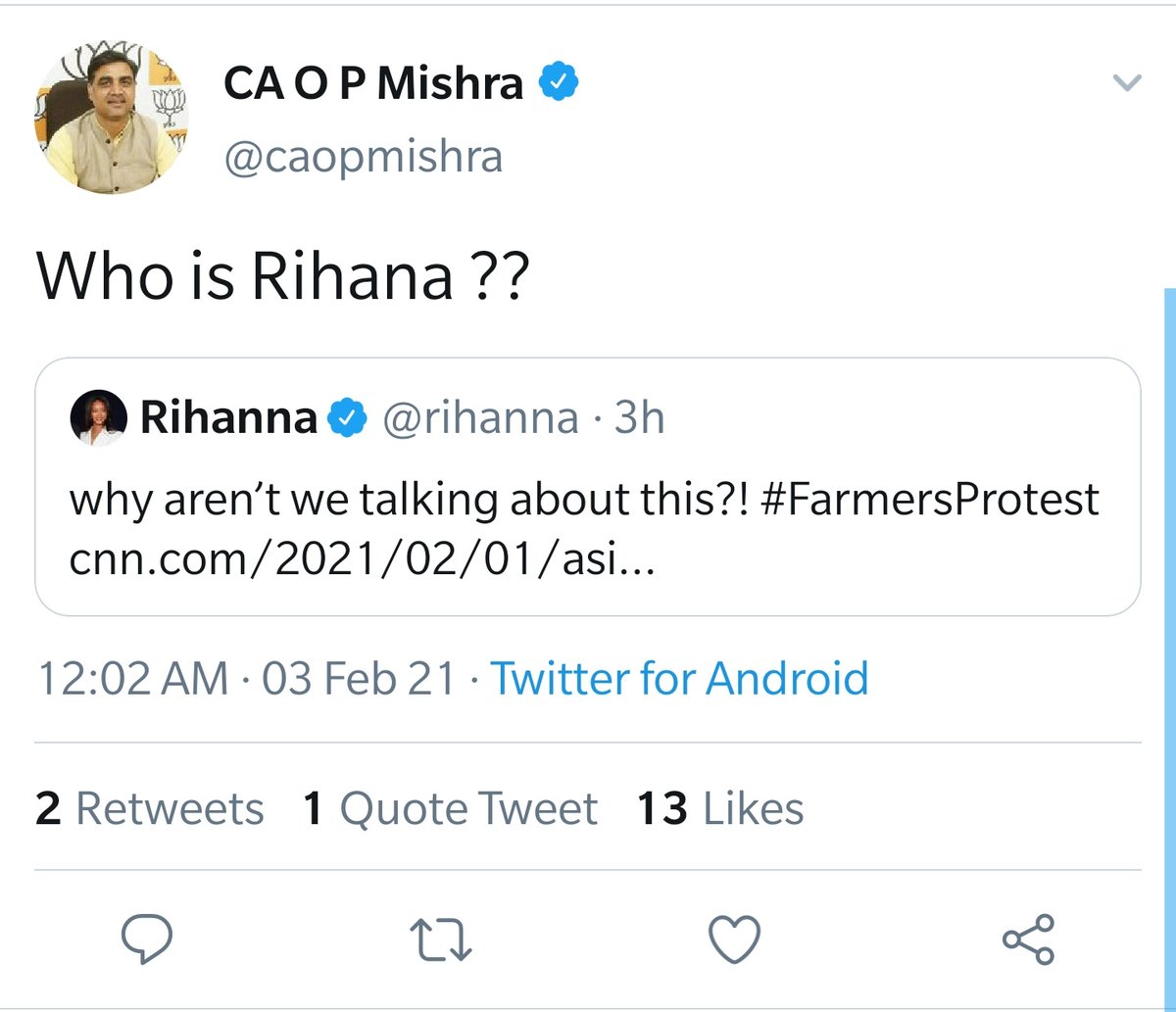
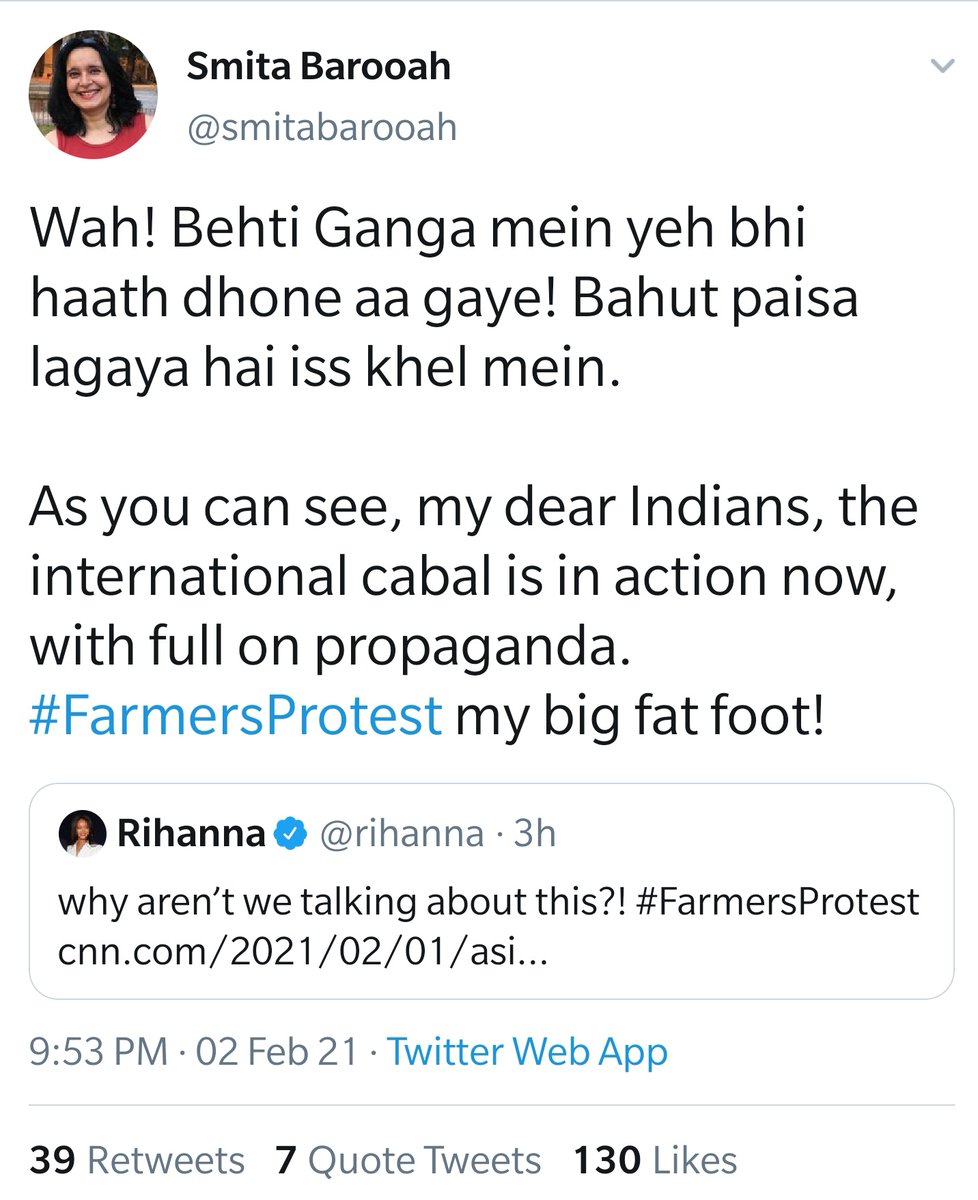
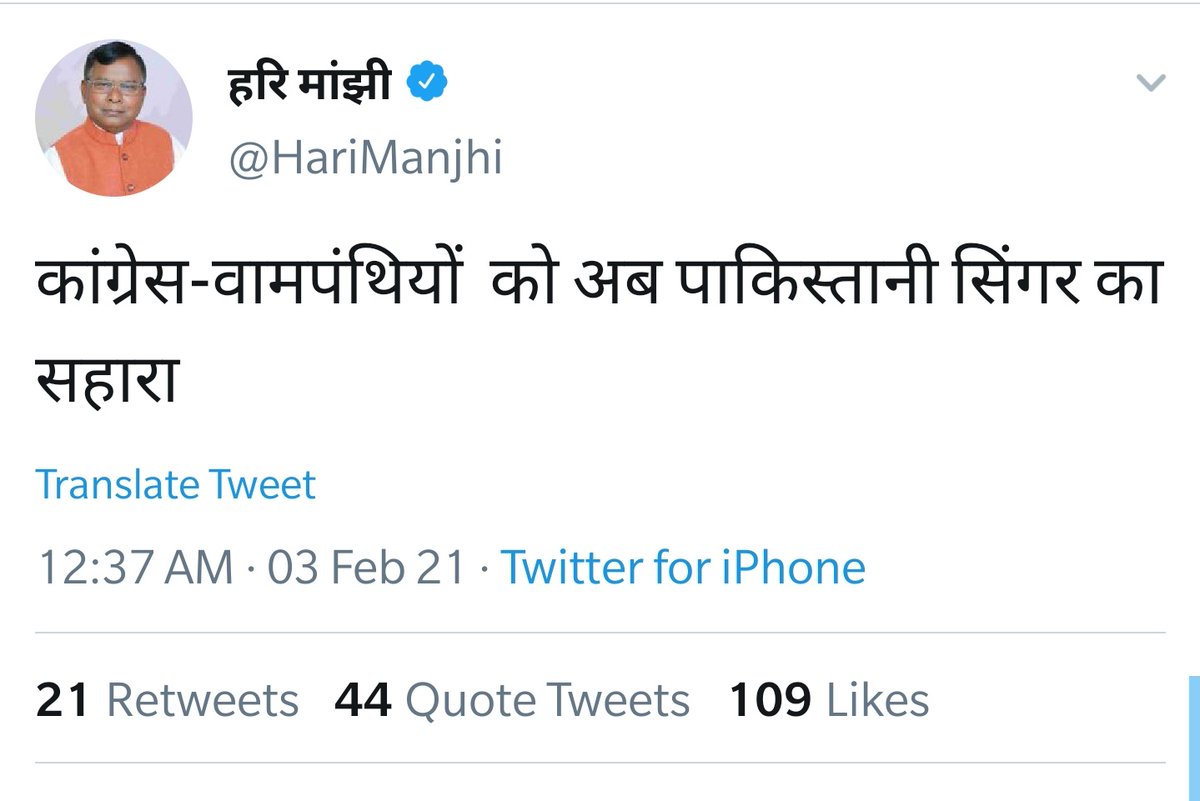
Oh the Meltdown. Thread 👇
Editor of RW propaganda website.
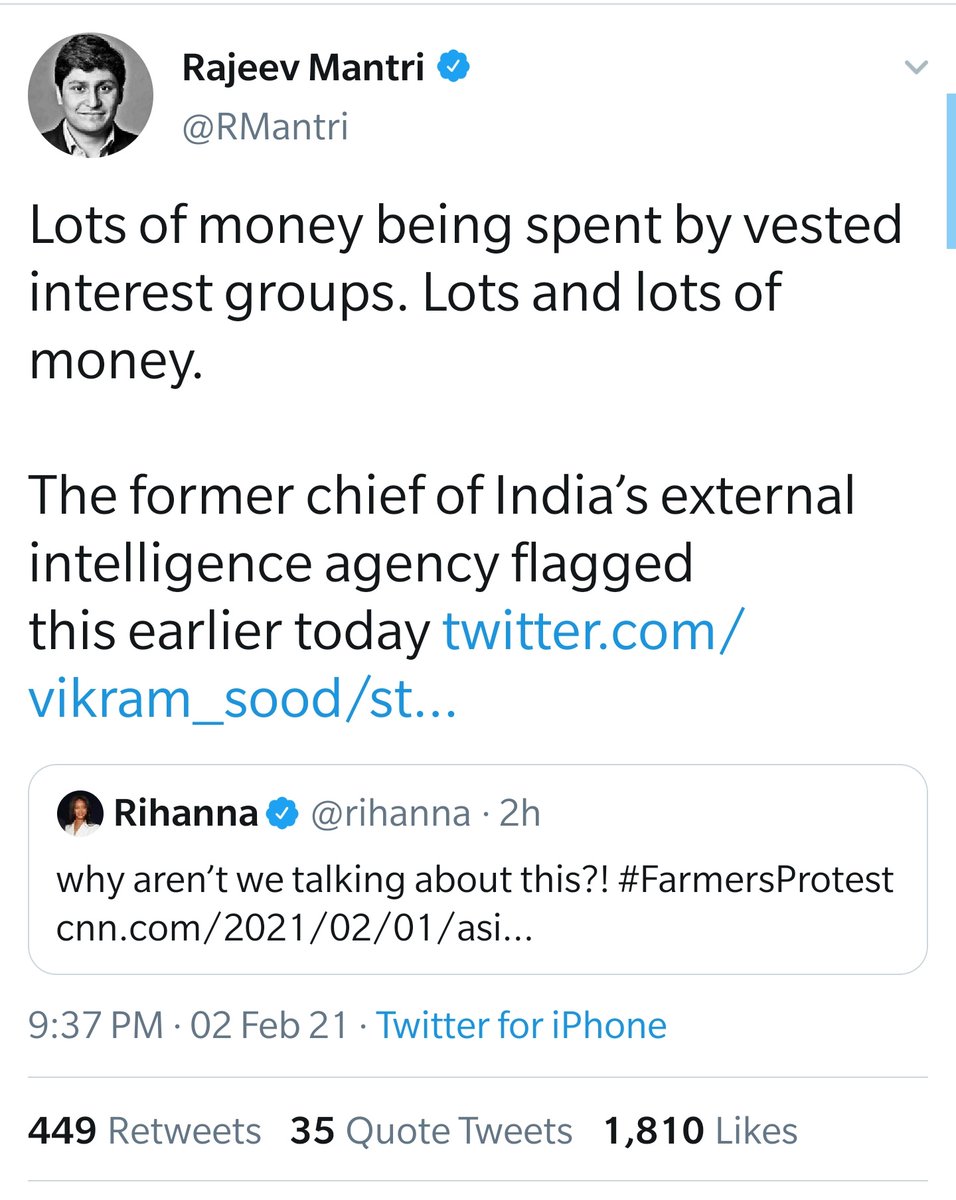
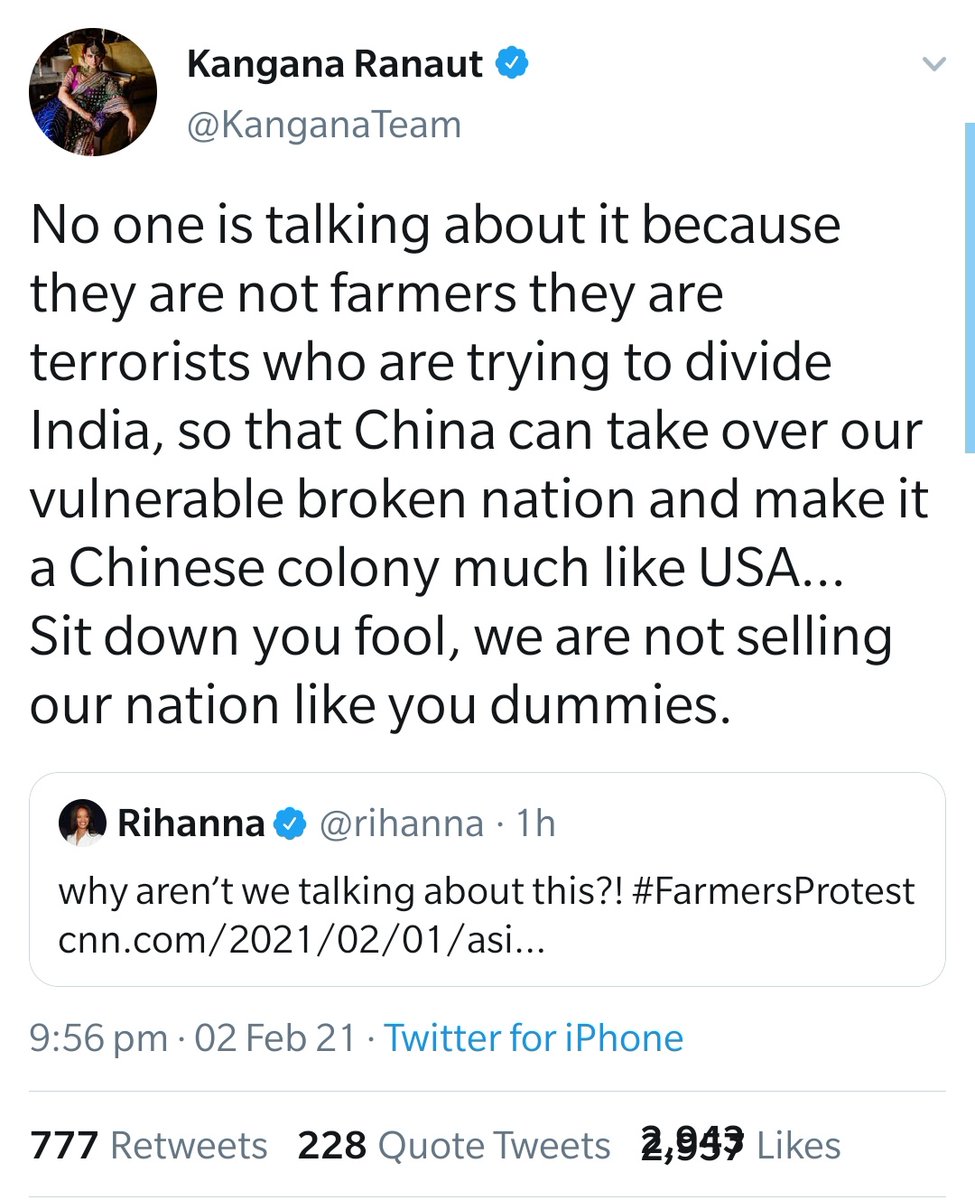
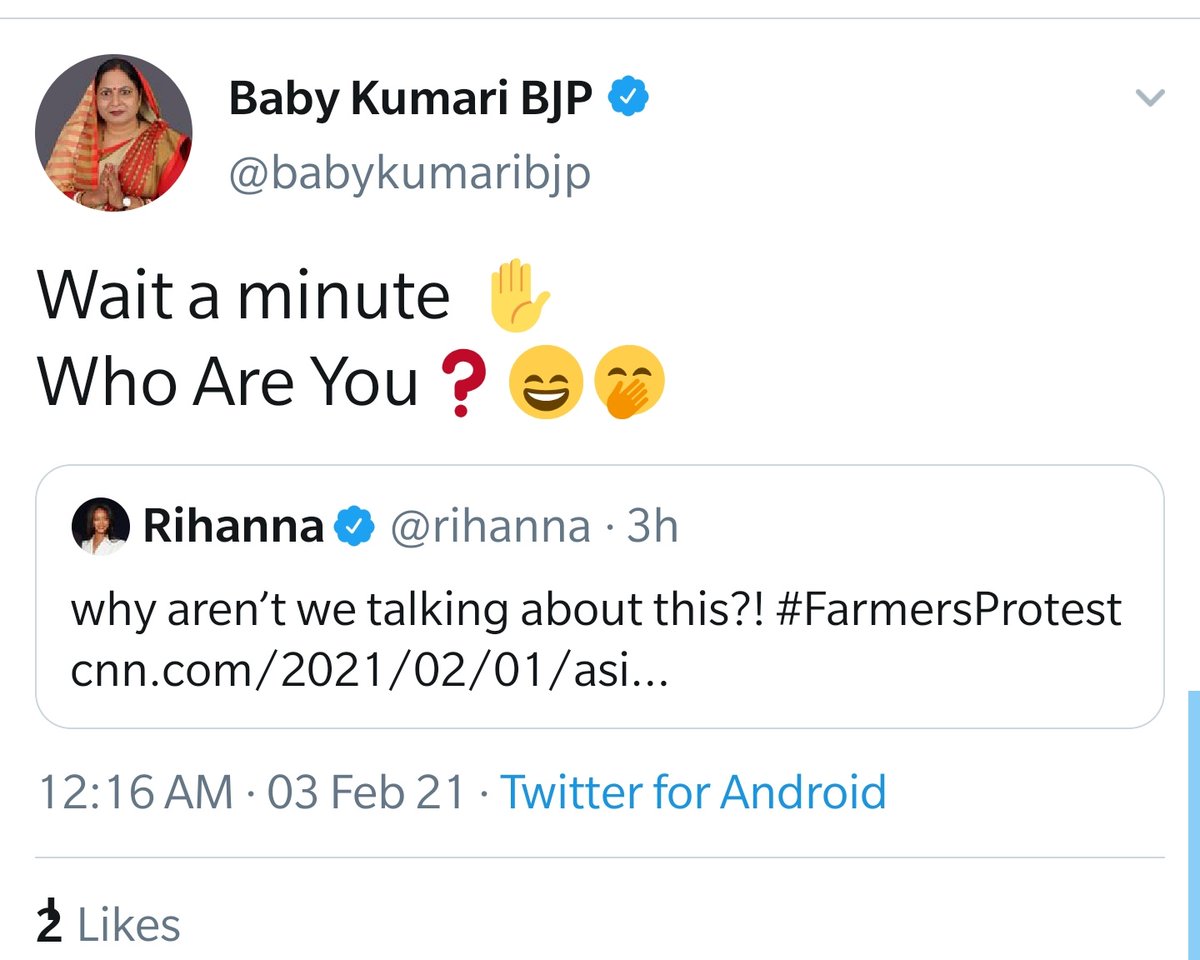
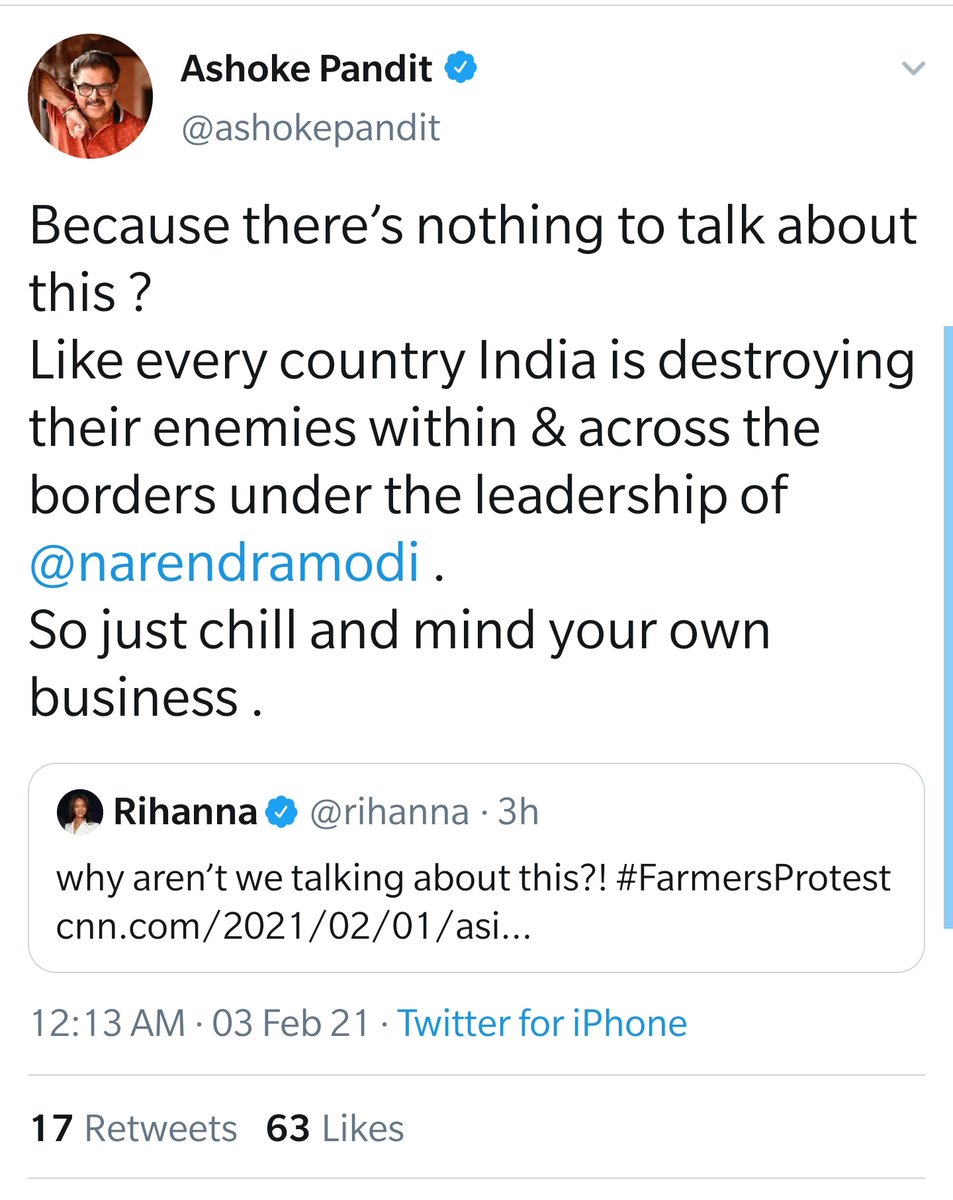
More from Society




Like most movements, I have learned that the definition of feminism has expanded to include simply treating women like human beings.
(A thread for whoever feels like reading)
I have observed feminists on Twitter advocating for rape victims to be heard, rapists to be held accountable, for people to address the misogyny that is deeply rooted in our culture, and for women to be treated with respect.
To me, very easy things to get behind.
And the amount of pushback they receive for those very basic requests is appalling. I see men trip over themselves to defend rape and rapists and misogyny every chance they get. Some accounts are completely dedicated to harassing women on this site. It’s unhealthy.
Furthermore, I have observed how dedicated these misogynists are by how they treat other men that do not immediately side with them. There is an entire lexicon they have created for men who do not openly treat women with disrespect.
Ex: simp, cuck, white knight, beta
All examples of terms they use to demean a man who respects women.
To paraphrase what a wise man on this app said:
Some men hate women so much, they hate men who don’t hate women
(A thread for whoever feels like reading)
Neighborhood gents, what\u2019s something you\u2019ve learned about feminism (or gained a better understanding of) that you think other men should know?
— feminist next door (@emrazz) February 19, 2021
Note - the quoted is a friendly/good faith replier. https://t.co/048kuxxX6q
I have observed feminists on Twitter advocating for rape victims to be heard, rapists to be held accountable, for people to address the misogyny that is deeply rooted in our culture, and for women to be treated with respect.
To me, very easy things to get behind.
And the amount of pushback they receive for those very basic requests is appalling. I see men trip over themselves to defend rape and rapists and misogyny every chance they get. Some accounts are completely dedicated to harassing women on this site. It’s unhealthy.
Furthermore, I have observed how dedicated these misogynists are by how they treat other men that do not immediately side with them. There is an entire lexicon they have created for men who do not openly treat women with disrespect.
Ex: simp, cuck, white knight, beta
All examples of terms they use to demean a man who respects women.
To paraphrase what a wise man on this app said:
Some men hate women so much, they hate men who don’t hate women
You May Also Like




I’m torn on how to approach the idea of luck. I’m the first to admit that I am one of the luckiest people on the planet. To be born into a prosperous American family in 1960 with smart parents is to start life on third base. The odds against my very existence are astronomical.
I’ve always felt that the luckiest people I know had a talent for recognizing circumstances, not of their own making, that were conducive to a favorable outcome and their ability to quickly take advantage of them.
In other words, dumb luck was just that, it required no awareness on the person’s part, whereas “smart” luck involved awareness followed by action before the circumstances changed.
So, was I “lucky” to be born when I was—nothing I had any control over—and that I came of age just as huge databases and computers were advancing to the point where I could use those tools to write “What Works on Wall Street?” Absolutely.
Was I lucky to start my stock market investments near the peak of interest rates which allowed me to spend the majority of my adult life in a falling rate environment? Yup.
Ironies of Luck https://t.co/5BPWGbAxFi
— Morgan Housel (@morganhousel) March 14, 2018
"Luck is the flip side of risk. They are mirrored cousins, driven by the same thing: You are one person in a 7 billion player game, and the accidental impact of other people\u2019s actions can be more consequential than your own."
I’ve always felt that the luckiest people I know had a talent for recognizing circumstances, not of their own making, that were conducive to a favorable outcome and their ability to quickly take advantage of them.
In other words, dumb luck was just that, it required no awareness on the person’s part, whereas “smart” luck involved awareness followed by action before the circumstances changed.
So, was I “lucky” to be born when I was—nothing I had any control over—and that I came of age just as huge databases and computers were advancing to the point where I could use those tools to write “What Works on Wall Street?” Absolutely.
Was I lucky to start my stock market investments near the peak of interest rates which allowed me to spend the majority of my adult life in a falling rate environment? Yup.
