We don't know for how long the market will be choppy - could be a few days, 2 months, 6 months or a year. (2/18)
While trading in stocks, how do you survive in a choppy market and make profits? Here's how I do it 🧵
Choppy markets are difficult to trade. When there's an uptrend like it was in mid-2020 and 2021, it's easy to find out stocks in different ways. (1/18)
We don't know for how long the market will be choppy - could be a few days, 2 months, 6 months or a year. (2/18)
After a clear uptrend, market changes the trend and sometimes goes sideways/consolidate for the time being. (3/18)
Method One:
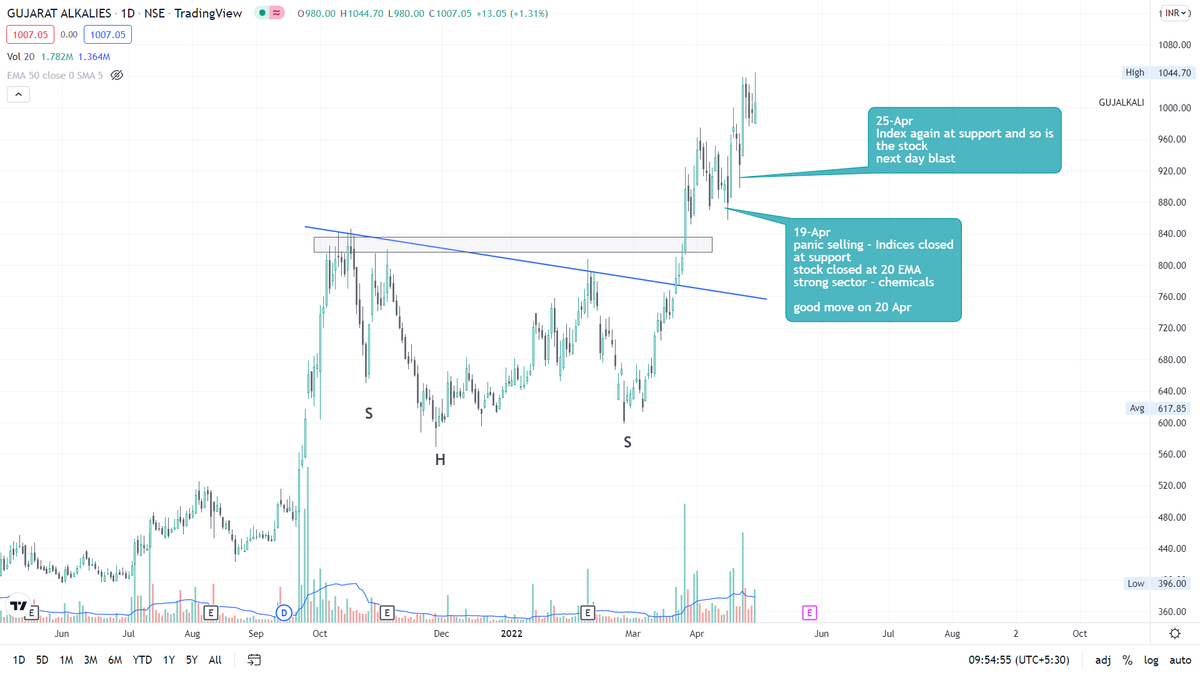
When Nifty and small-cap/midcap Index comes at major support keep a watchlist ready. (4/18)
(Read prev. Swing Trading thread)(6/18)
(Have written about it in the previous thread and my personal favourite)
If there is any major reason behind changing trend or the sudden fall, we have to figure out what sector can benefit from that reason. (7/18)
This time, Russia Ukraine war had directly affected 2-3 sectors - Metals, Chemicals and Energy. (8/18)
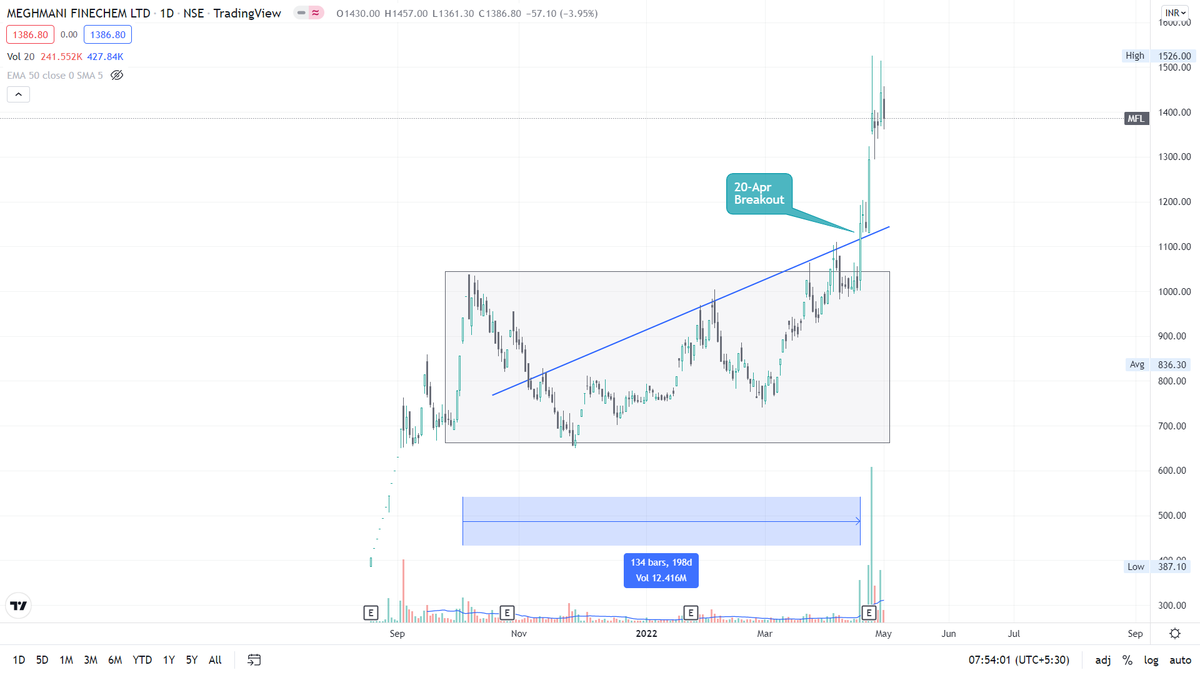
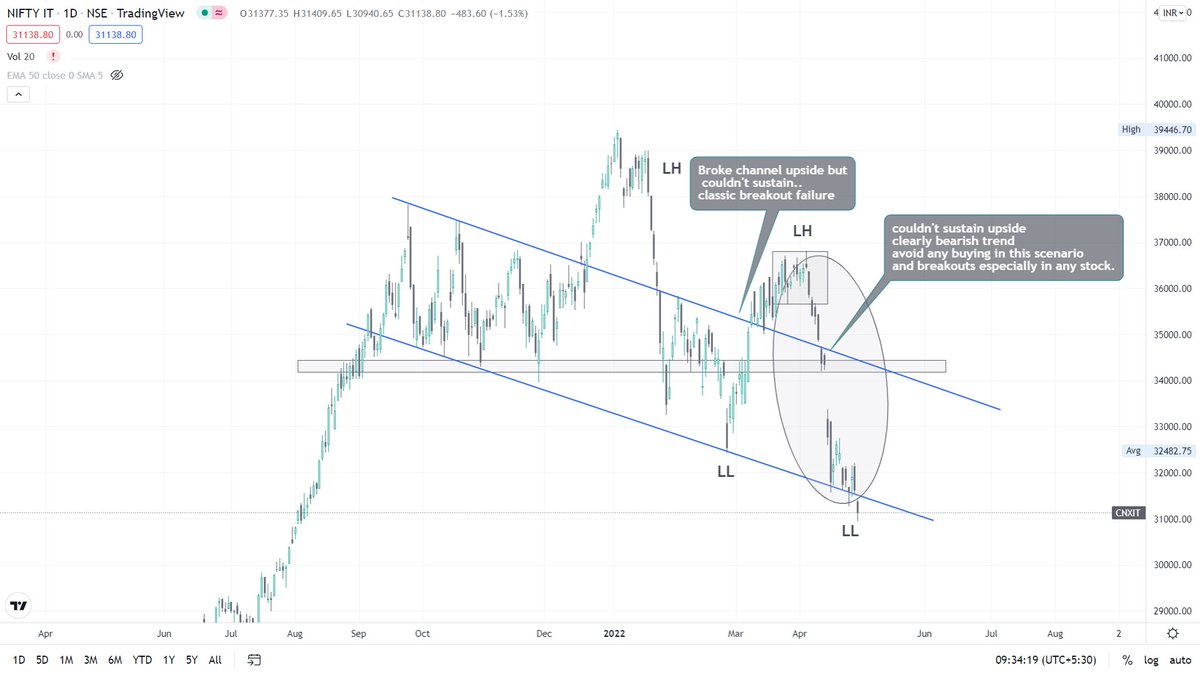
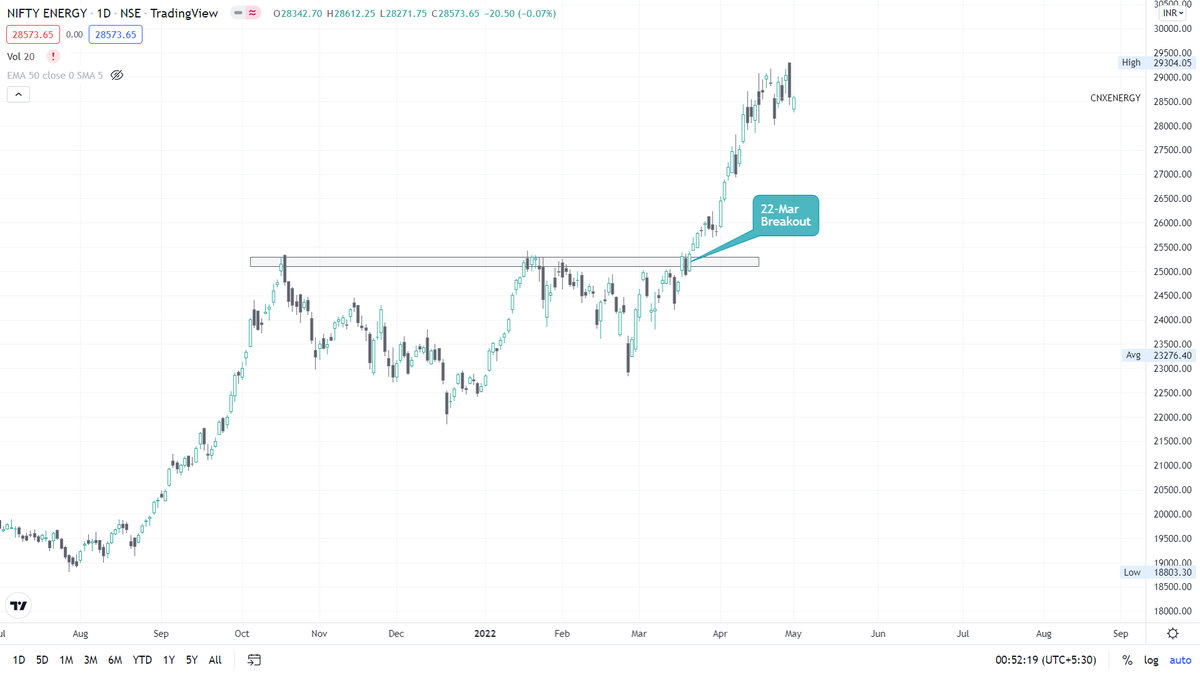
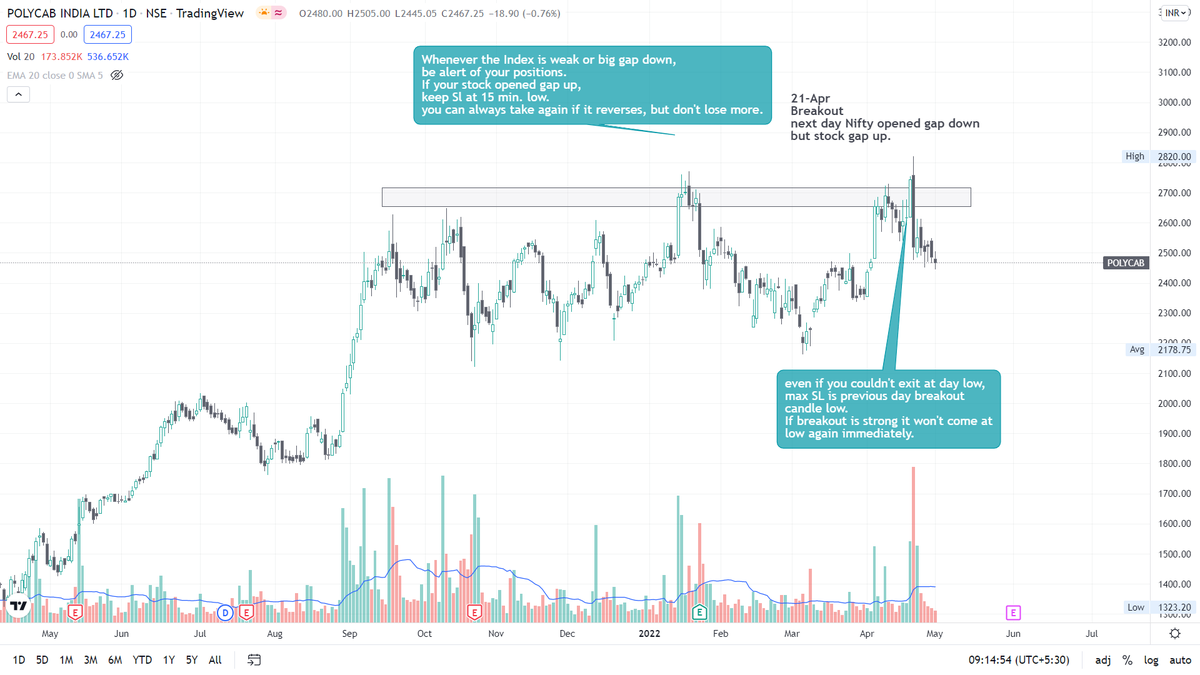
Alertness is important in a choppy market. (12/18)
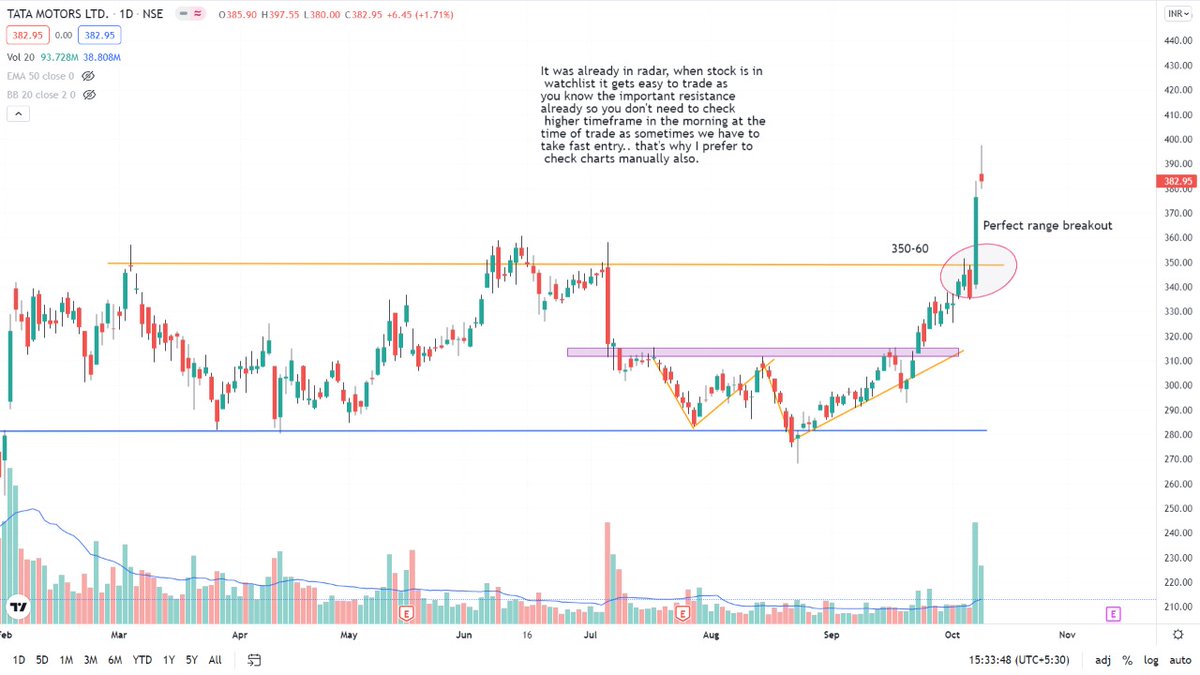
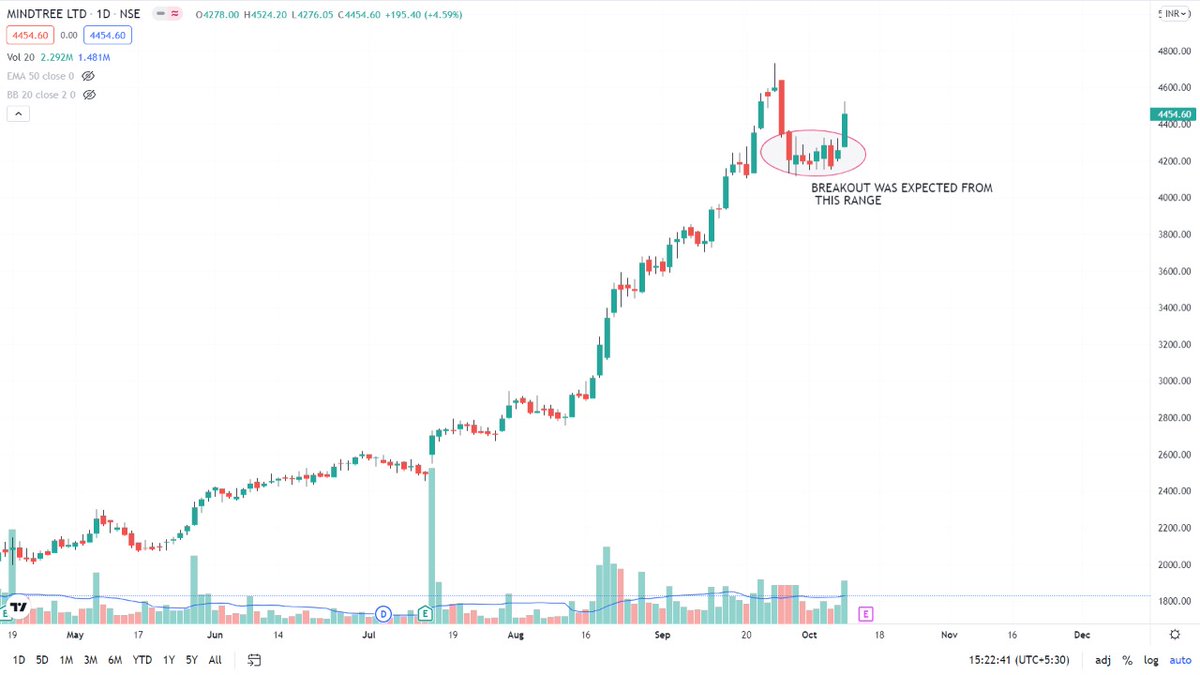
Check the charts for more understanding: (14/18)
More from Sheetal Rijhwani
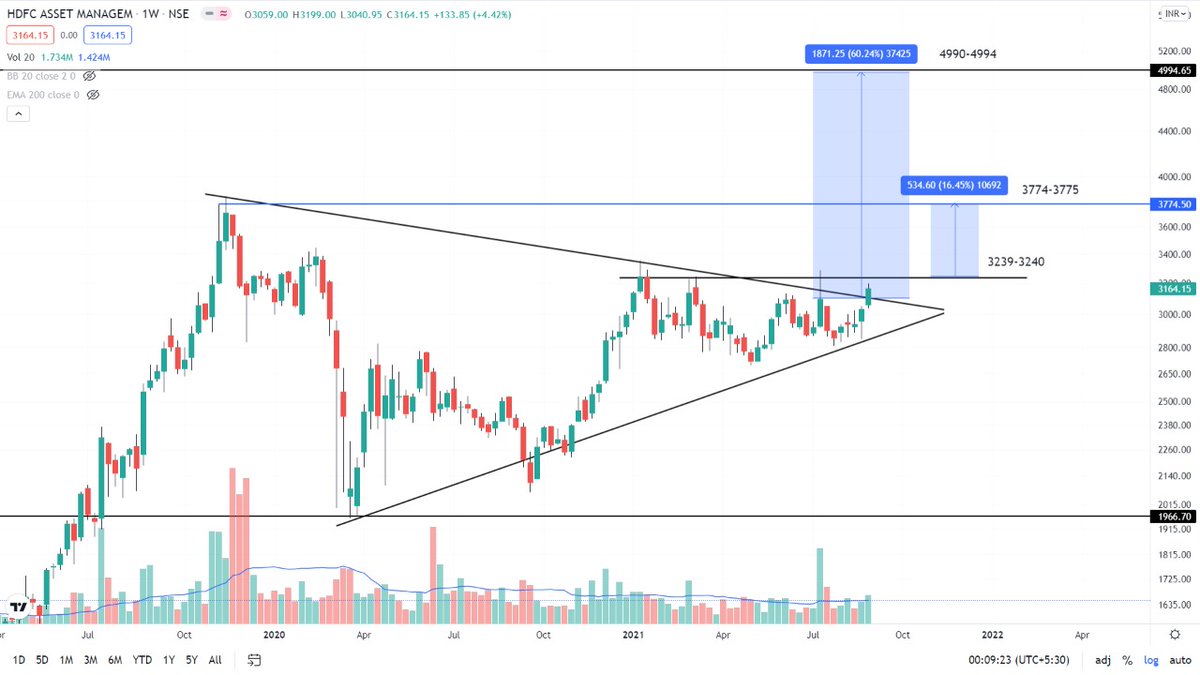

If you're a swing/positional/trend follower, then this thread is for you. In this one, I will be covering how to filter stocks, how to take entry and the exit plans. 🧵 (1/21)
It's practically impossible to check all charts. However, you can use multiple scanners as per your setups to make things easy.
In trending market, even junk stocks give a good move. But in sideways and falling markets, you have to be very selective. (2/21)
One imp. filter for me is trading in strong fundamental stocks. Every quarter, I check results of companies and filter the list. I keep checking the charts and set an alert on the levels. Many good handles on Twitter post good results lists, you can save that as well. (3/21)
This time, I did the same on my telegram channel.
https://t.co/C3eS9PSncG
Second filter for me is Current Performing Sectors/Themes. Keep your eyes and ears open. Being a good observer helps you big time. Make good use of news in your analysis. (4/21)
For Eg: Textiles are performing well for a while now. It has strong consumer interest due to many global retailers, diversifying their outsourcing and reducing their dependence on China. Order booking from India has increased rapidly. (5/21)
It's practically impossible to check all charts. However, you can use multiple scanners as per your setups to make things easy.
In trending market, even junk stocks give a good move. But in sideways and falling markets, you have to be very selective. (2/21)
One imp. filter for me is trading in strong fundamental stocks. Every quarter, I check results of companies and filter the list. I keep checking the charts and set an alert on the levels. Many good handles on Twitter post good results lists, you can save that as well. (3/21)
This time, I did the same on my telegram channel.
https://t.co/C3eS9PSncG
Second filter for me is Current Performing Sectors/Themes. Keep your eyes and ears open. Being a good observer helps you big time. Make good use of news in your analysis. (4/21)
For Eg: Textiles are performing well for a while now. It has strong consumer interest due to many global retailers, diversifying their outsourcing and reducing their dependence on China. Order booking from India has increased rapidly. (5/21)
More from Screeners




You May Also Like

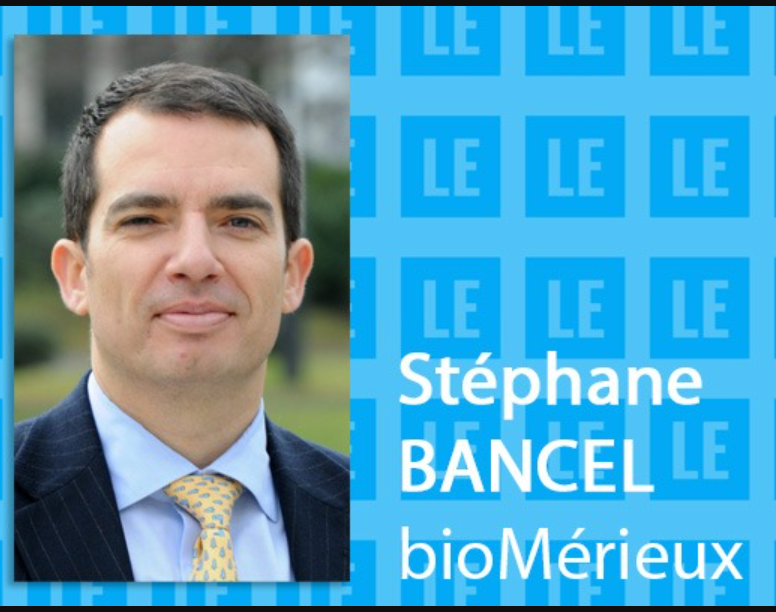
Moderna CEO Stephane Bancel was previously CEO of bioMerieux in France from 07-10.
Alain Merieux, who owns bioMerieux, was instrumental in the creation of the Wuhan Institute of Virology P4 Lab.
The same people who helped create the virus, also helped to create the vaccines...
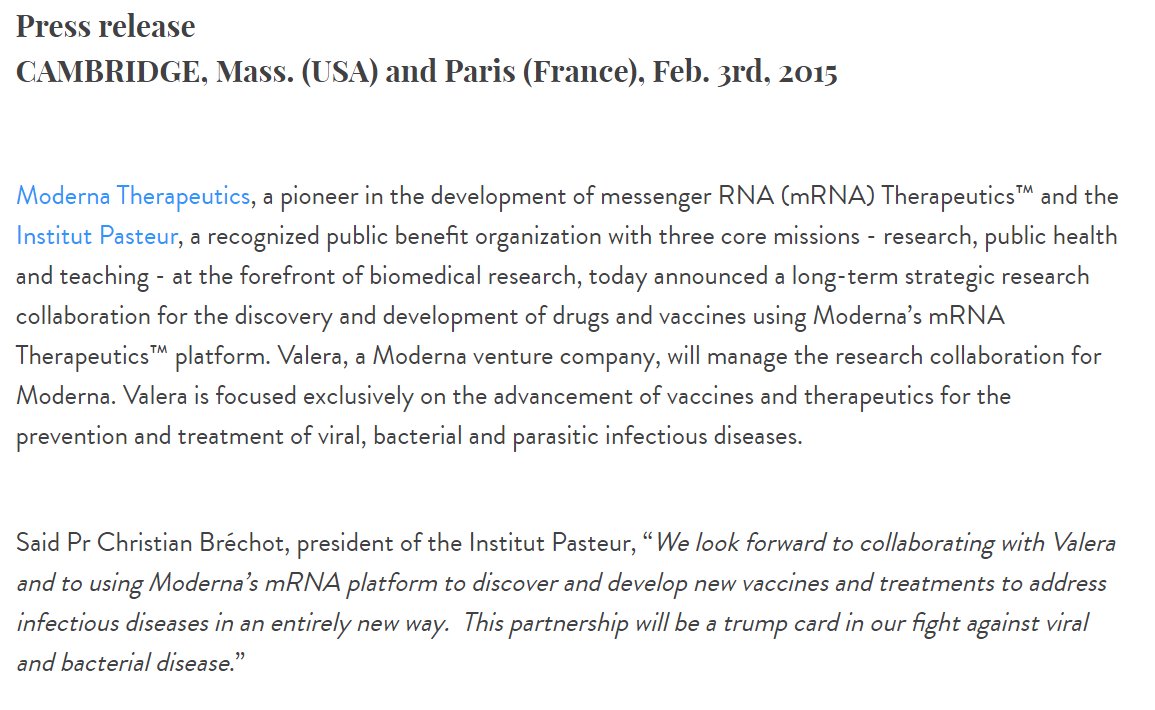
Moderna partnered with French Pasteur Institute in 2015 to develop mRNA vaccine technology.
Pasteur Institute partnered with the Wuhan P4 Laboratory in 2017 along with the Merieux Foundation to study emerging viruses...
https://t.co/yFsHwrNYaK
https://t.co/9M5lydBKhM
Nobel prize winning scientist Luc Montagnier asserts that Sars-Cov-2 is man-made and originated from the Wuhan Institute of Virology.
Montagnier did extensive work with the Pasteur Institute in France which was partnered with the Wuhan P4.
Merieux Foundation & the Chinese government have worked together since 1965, and partnered to study emerging pathogens in Africa in 2015.
Their research included "PATHOGENS CARRIED BY BATS" that provoke respiratory diseases.
🚨🚨🚨
https://t.co/gVwpT0ssqI

Alain Merieux, who owns bioMerieux, was instrumental in the creation of the Wuhan Institute of Virology P4 Lab.
The same people who helped create the virus, also helped to create the vaccines...
Moderna partnered with French Pasteur Institute in 2015 to develop mRNA vaccine technology.
Pasteur Institute partnered with the Wuhan P4 Laboratory in 2017 along with the Merieux Foundation to study emerging viruses...
https://t.co/yFsHwrNYaK
https://t.co/9M5lydBKhM
Nobel prize winning scientist Luc Montagnier asserts that Sars-Cov-2 is man-made and originated from the Wuhan Institute of Virology.
Montagnier did extensive work with the Pasteur Institute in France which was partnered with the Wuhan P4.
Merieux Foundation & the Chinese government have worked together since 1965, and partnered to study emerging pathogens in Africa in 2015.
Their research included "PATHOGENS CARRIED BY BATS" that provoke respiratory diseases.
🚨🚨🚨
https://t.co/gVwpT0ssqI