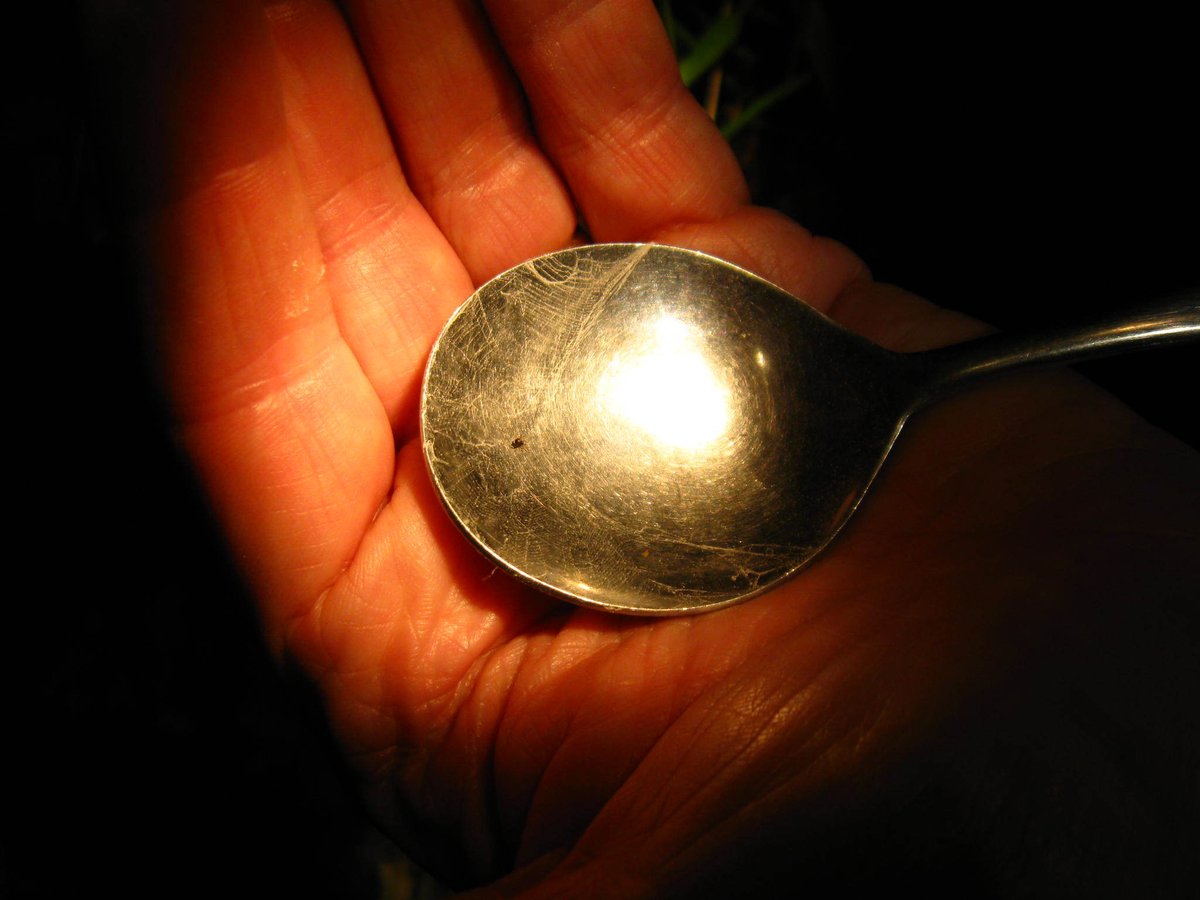
Finally! Back with another #ScienteaficABC 😁The next in my alphabetical journey through all 128 (currently, anyway) spider families is ANAPIDAE! This family of diminutive spiders contains 58 genera/231 species as of now. (images: Conoculus lyugadinus by Akio Tanikawa, CC)


https://t.co/9H9hSHkXZd
https://t.co/Ohw4MKWuOG
https://t.co/QHAXd0WwUZ
More from Science



@mugecevik is an excellent scientist and a responsible professional. She likely read the paper more carefully than most. She grasped some of its strengths and weaknesses that are not apparent from a cursory glance. Below, I will mention a few points some may have missed.
1/
The paper does NOT evaluate the effect of school closures. Instead it conflates all ‘educational settings' into a single category, which includes universities.
2/
The paper primarily evaluates data from March and April 2020. The article is not particularly clear about this limitation, but the information can be found in the hefty supplementary material.
3/
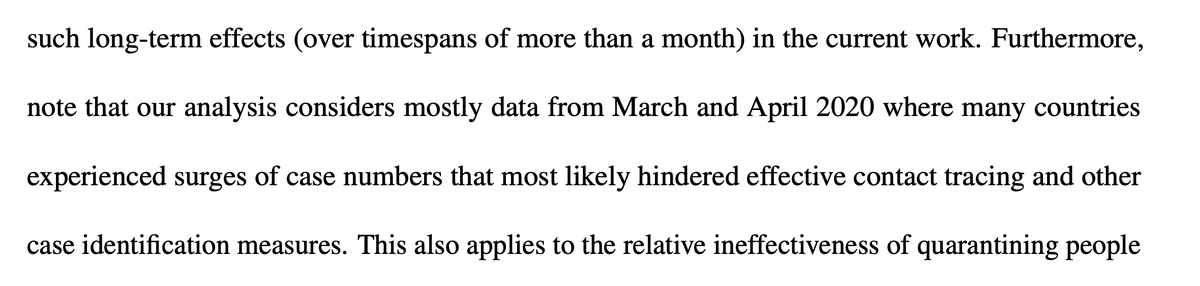
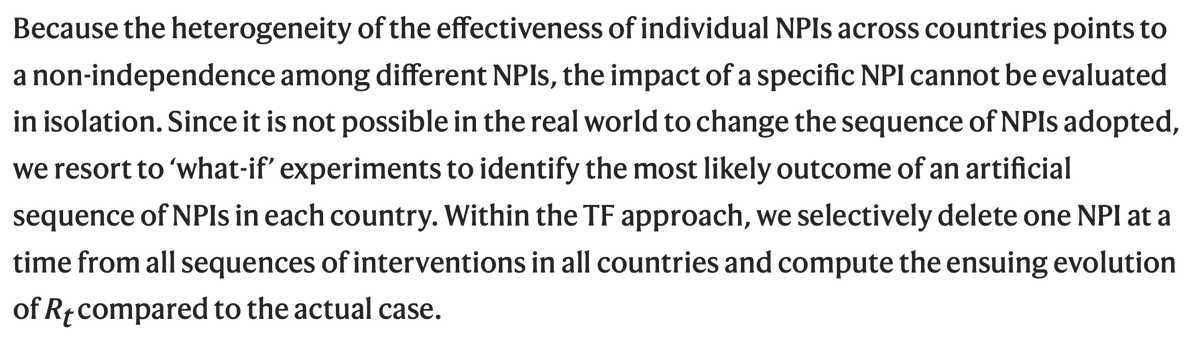
The authors applied four different regression methods (some fancier than others) to the same data. The outcomes of the different regression models are correlated (enough to reach statistical significance), but they vary a lot. (heat map on the right below).
4/
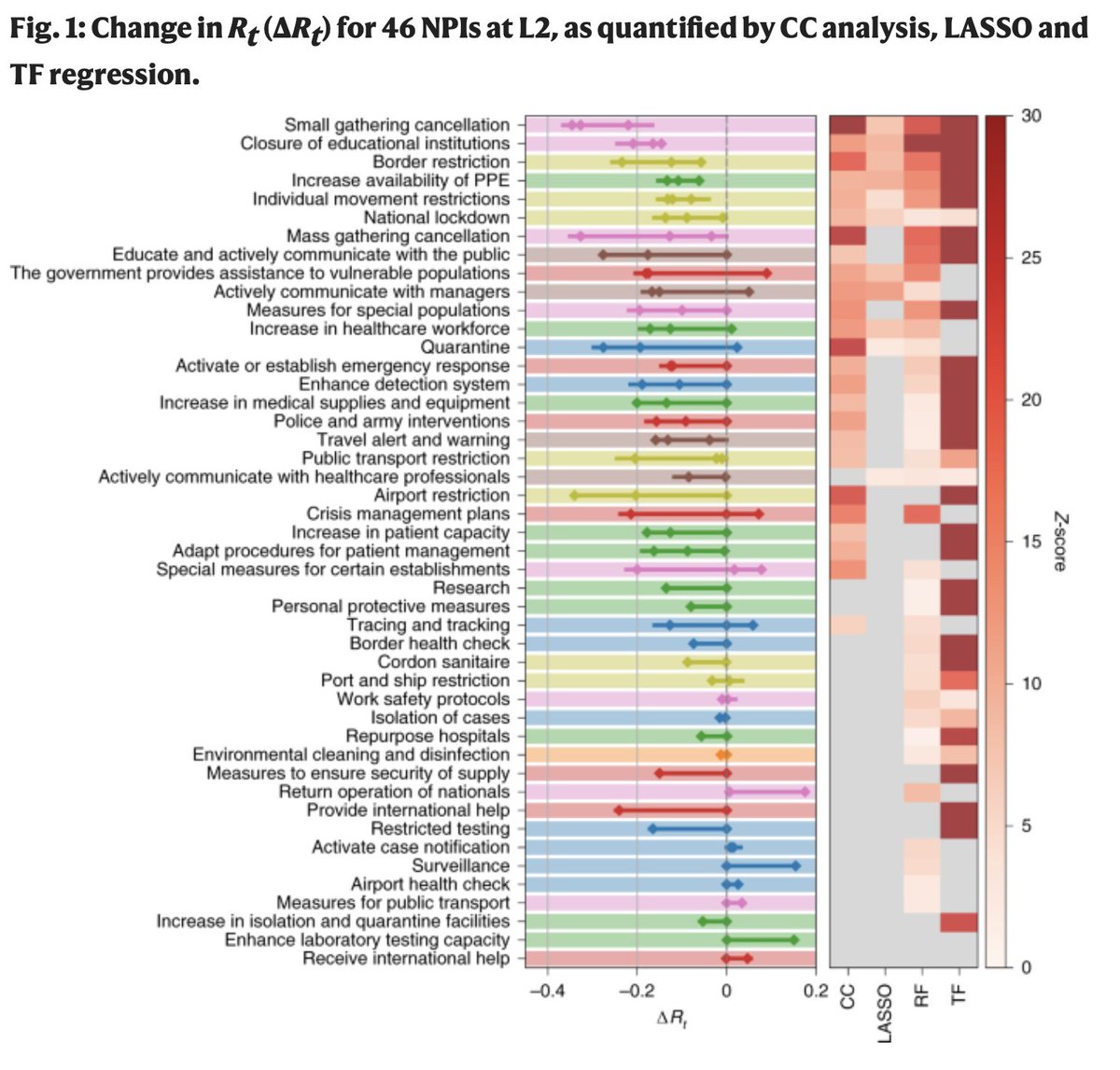
The effect of individual interventions is extremely difficult to disentangle as the authors stress themselves. There is a very large number of interventions considered and the model was run on 49 countries and 26 US States (and not >200 countries).
5/
1/
I've recently come across a disinformation around evidence relating to school closures and community transmission that's been platformed prominently. This arises from flawed understanding of the data that underlies this evidence, and the methodologies used in these studies. pic.twitter.com/VM7cVKghgj
— Deepti Gurdasani (@dgurdasani1) February 1, 2021
The paper does NOT evaluate the effect of school closures. Instead it conflates all ‘educational settings' into a single category, which includes universities.
2/
The paper primarily evaluates data from March and April 2020. The article is not particularly clear about this limitation, but the information can be found in the hefty supplementary material.
3/
The authors applied four different regression methods (some fancier than others) to the same data. The outcomes of the different regression models are correlated (enough to reach statistical significance), but they vary a lot. (heat map on the right below).
4/
The effect of individual interventions is extremely difficult to disentangle as the authors stress themselves. There is a very large number of interventions considered and the model was run on 49 countries and 26 US States (and not >200 countries).
5/

What are the classics of the "Science of Science" or "Meta Science"? If you were teaching a class on the subject, what would go in the syllabus?
Here's a (very disorganized and incomplete) handful of suggestions, which I may add to. Suggestions welcome, especially if you've dug into relevant literatures.
1. The already classic "Estimating the reproducibility of
psychological science" from the Open Science Collaboration of @BrianNosek et al. https://t.co/yjGczLZ6Je
(Look at that abstract, wow!)
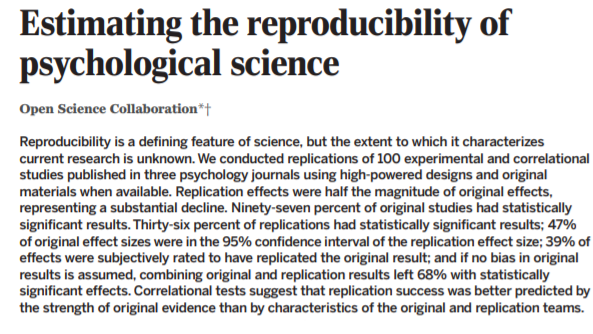
Many people had pointed out problems with standard statistical methods, going back decades (what are the best refs?). But this paper was a sledgehammer, making it impossible to ignore the question: what, if anything, were we actually learning from all those statistical studies?
2. Dean Keith Simonton's book "Creativity in Science: Chance, Logic, Genius, and Zeitgeist". If an essentially scientometric book could be described as a fun romp through science & creativity, this would be it
Here's a (very disorganized and incomplete) handful of suggestions, which I may add to. Suggestions welcome, especially if you've dug into relevant literatures.
1. The already classic "Estimating the reproducibility of
psychological science" from the Open Science Collaboration of @BrianNosek et al. https://t.co/yjGczLZ6Je
(Look at that abstract, wow!)
Many people had pointed out problems with standard statistical methods, going back decades (what are the best refs?). But this paper was a sledgehammer, making it impossible to ignore the question: what, if anything, were we actually learning from all those statistical studies?
2. Dean Keith Simonton's book "Creativity in Science: Chance, Logic, Genius, and Zeitgeist". If an essentially scientometric book could be described as a fun romp through science & creativity, this would be it