2/
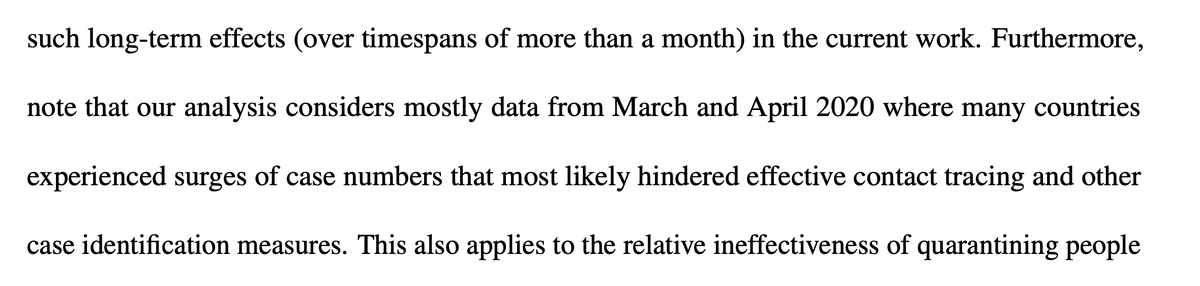
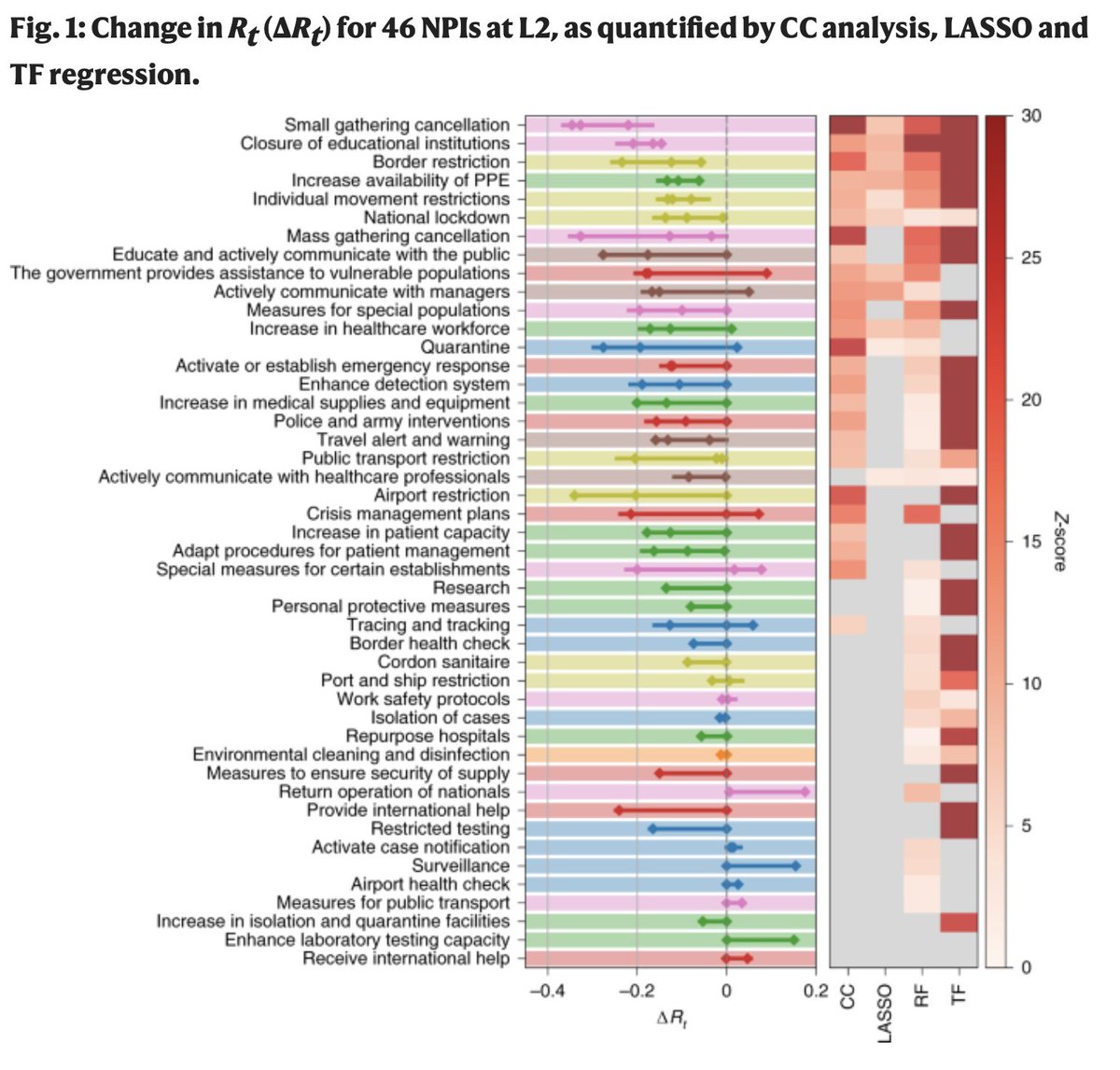
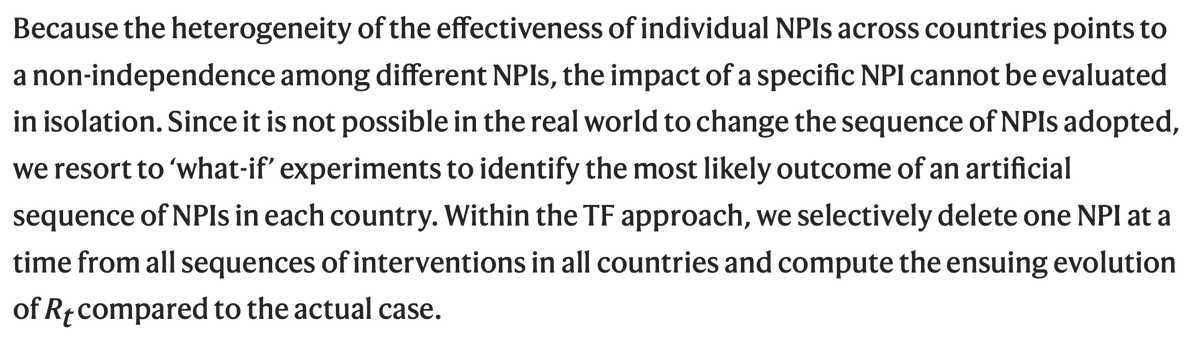
is an excellent scientist and a responsible professional. She likely read the paper more carefully than most. She grasped some of its strengths and weaknesses that are not apparent from a cursory glance. Below, I will mention a few points some may have missed.
1/
I've recently come across a disinformation around evidence relating to school closures and community transmission that's been platformed prominently. This arises from flawed understanding of the data that underlies this evidence, and the methodologies used in these studies. pic.twitter.com/VM7cVKghgj
— Deepti Gurdasani (@dgurdasani1) February 1, 2021
2/
3/
4/
5/
6/
7/
8/
More from Science




Ever since @JesseJenkins and colleagues work on a zero carbon US and this work by @DrChrisClack and colleagues on incorporating DER, I've been having the following set of thoughts about how to reduce the risk of failure in a US clean energy buildout. Bottom line is much more DER.
Typically, when we see zero-carbon electricity coupled to electrification of transport and buildings, implicitly standing behind that is totally unprecedented buildout of the transmission system. The team from Princeton's modeling work has this in spades for example.
But that, more even than the new generation required, runs straight into a thicket/woodchipper of environmental laws and public objections that currently (and for the last 50y) limit new transmission in the US. We built most transmission prior to the advent of environmental law.
So what these studies are really (implicitly) saying is that NEPA, CEQA, ESA, §404 permitting, eminent domain law, etc, - and the public and democratic objections that drive them - will have to change in order to accommodate the necessary transmission buildout.
I live in a D supermajority state that has, for at least the last 20 years, been in the midst of a housing crisis that creates punishing impacts for people's lives in the here-and-now and is arguably mostly caused by the same issues that create the transmission bottlenecks.
Rooftop solar can play a key role in a transition to 100% renewable energy - and it can help American's pocketbooks #GoSolarhttps://t.co/6p9jb62EGW
— Environment America (@EnvAm) January 14, 2021
Typically, when we see zero-carbon electricity coupled to electrification of transport and buildings, implicitly standing behind that is totally unprecedented buildout of the transmission system. The team from Princeton's modeling work has this in spades for example.
But that, more even than the new generation required, runs straight into a thicket/woodchipper of environmental laws and public objections that currently (and for the last 50y) limit new transmission in the US. We built most transmission prior to the advent of environmental law.
So what these studies are really (implicitly) saying is that NEPA, CEQA, ESA, §404 permitting, eminent domain law, etc, - and the public and democratic objections that drive them - will have to change in order to accommodate the necessary transmission buildout.
I live in a D supermajority state that has, for at least the last 20 years, been in the midst of a housing crisis that creates punishing impacts for people's lives in the here-and-now and is arguably mostly caused by the same issues that create the transmission bottlenecks.

You May Also Like

I'm going to do two history threads on Ethiopia, one on its ancient history, one on its modern story (1800 to today). 🇪🇹
I'll begin with the ancient history ... and it goes way back. Because modern humans - and before that, the ancestors of humans - almost certainly originated in Ethiopia. 🇪🇹 (sub-thread):
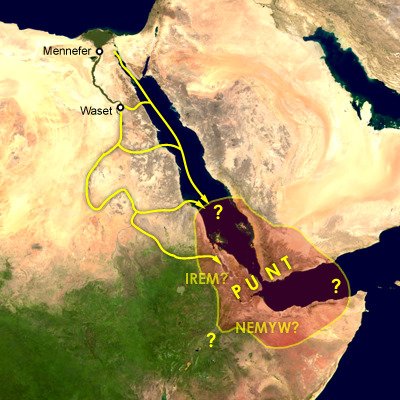
The first likely historical reference to Ethiopia is ancient Egyptian records of trade expeditions to the "Land of Punt" in search of gold, ebony, ivory, incense, and wild animals, starting in c 2500 BC 🇪🇹
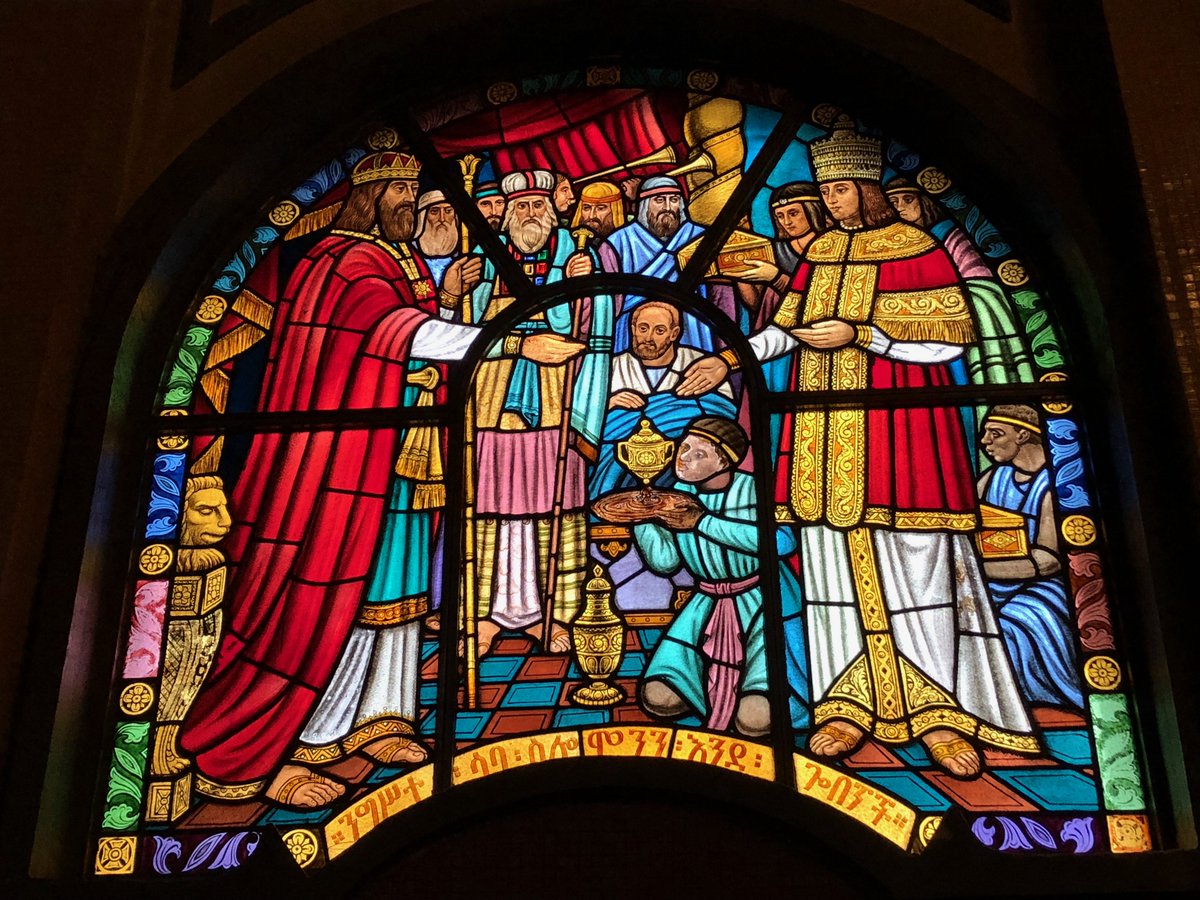
Ethiopians themselves believe that the Queen of Sheba, who visited Israel's King Solomon in the Bible (c 950 BC), came from Ethiopia (not Yemen, as others believe). Here she is meeting Solomon in a stain-glassed window in Addis Ababa's Holy Trinity Church. 🇪🇹
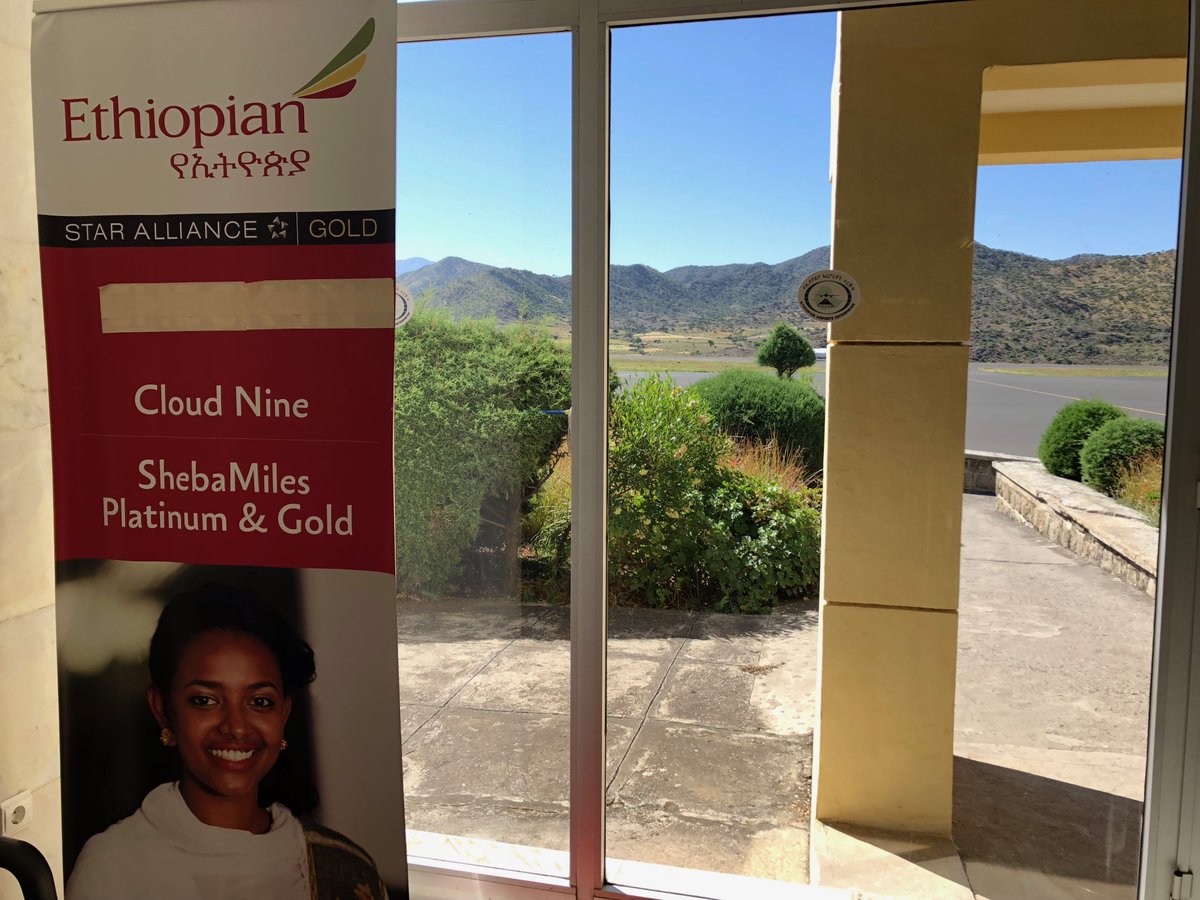
References to the Queen of Sheba are everywhere in Ethiopia. The national airline's frequent flier miles are even called "ShebaMiles". 🇪🇹
I'll begin with the ancient history ... and it goes way back. Because modern humans - and before that, the ancestors of humans - almost certainly originated in Ethiopia. 🇪🇹 (sub-thread):
The famous \u201cLucy\u201d, an early ancestor of modern humans (Australopithecus) that lived 3.2 million years ago, and was discovered in 1974 in Ethiopia, displayed in the national museum in Addis Ababa \U0001f1ea\U0001f1f9 pic.twitter.com/N3oWqk1SW2
— Patrick Chovanec (@prchovanec) November 9, 2018
The first likely historical reference to Ethiopia is ancient Egyptian records of trade expeditions to the "Land of Punt" in search of gold, ebony, ivory, incense, and wild animals, starting in c 2500 BC 🇪🇹
Ethiopians themselves believe that the Queen of Sheba, who visited Israel's King Solomon in the Bible (c 950 BC), came from Ethiopia (not Yemen, as others believe). Here she is meeting Solomon in a stain-glassed window in Addis Ababa's Holy Trinity Church. 🇪🇹
References to the Queen of Sheba are everywhere in Ethiopia. The national airline's frequent flier miles are even called "ShebaMiles". 🇪🇹