Cognitive Bias in Forensic Pathology Decisions was published today by Journal of Forensic Sciences

More from Science

@mugecevik is an excellent scientist and a responsible professional. She likely read the paper more carefully than most. She grasped some of its strengths and weaknesses that are not apparent from a cursory glance. Below, I will mention a few points some may have missed.
1/
The paper does NOT evaluate the effect of school closures. Instead it conflates all ‘educational settings' into a single category, which includes universities.
2/
The paper primarily evaluates data from March and April 2020. The article is not particularly clear about this limitation, but the information can be found in the hefty supplementary material.
3/
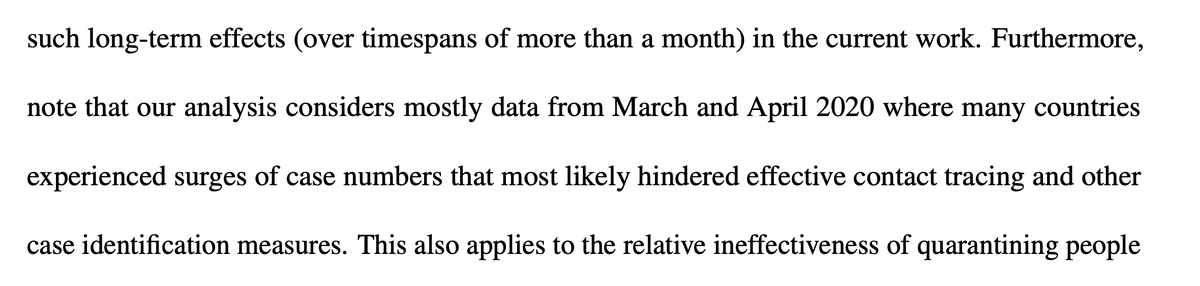
The authors applied four different regression methods (some fancier than others) to the same data. The outcomes of the different regression models are correlated (enough to reach statistical significance), but they vary a lot. (heat map on the right below).
4/
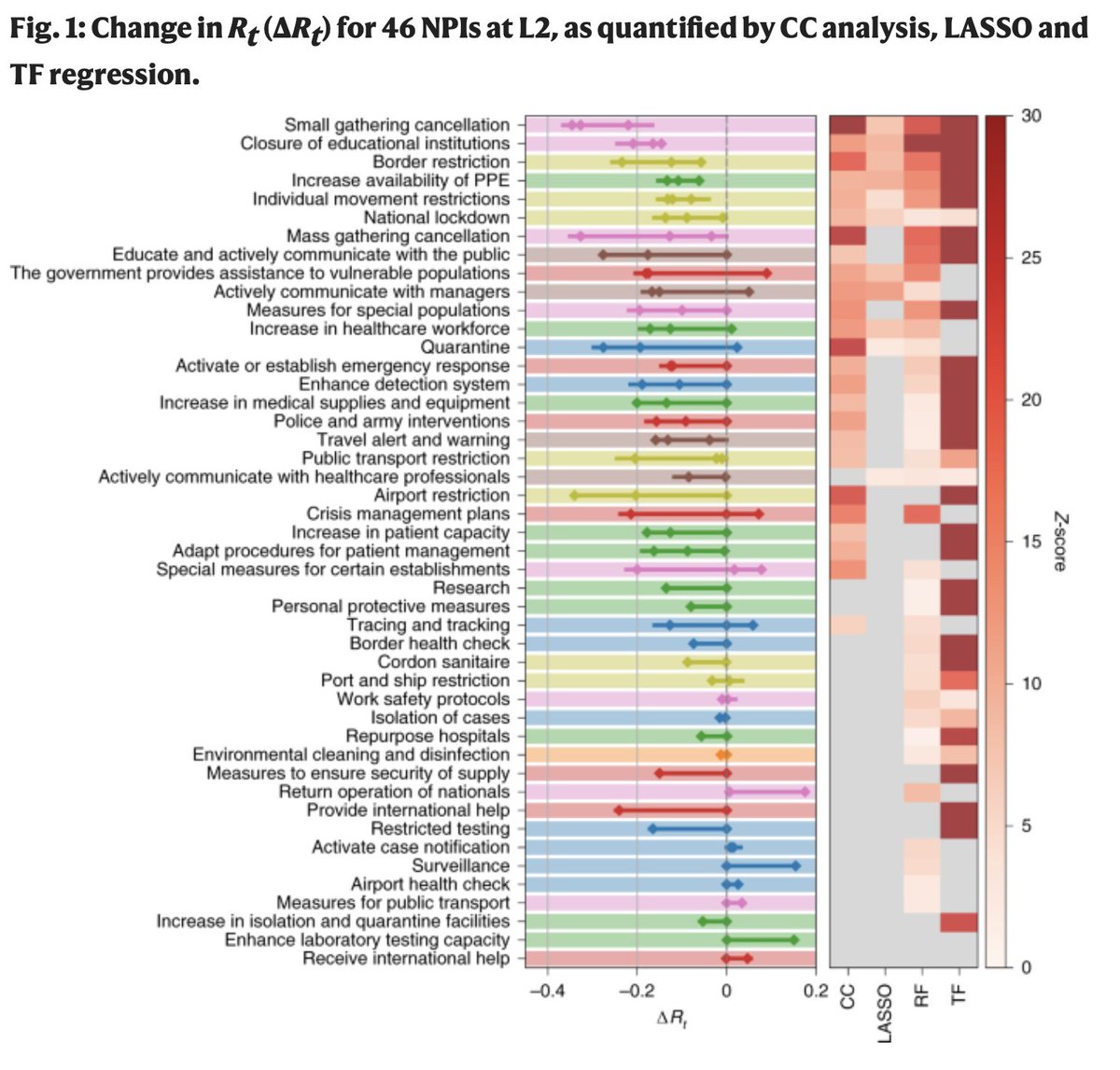
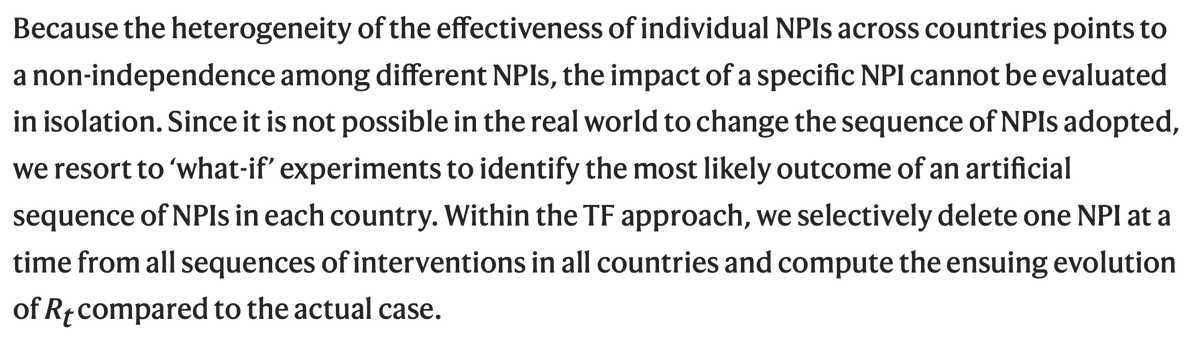
The effect of individual interventions is extremely difficult to disentangle as the authors stress themselves. There is a very large number of interventions considered and the model was run on 49 countries and 26 US States (and not >200 countries).
5/
1/
I've recently come across a disinformation around evidence relating to school closures and community transmission that's been platformed prominently. This arises from flawed understanding of the data that underlies this evidence, and the methodologies used in these studies. pic.twitter.com/VM7cVKghgj
— Deepti Gurdasani (@dgurdasani1) February 1, 2021
The paper does NOT evaluate the effect of school closures. Instead it conflates all ‘educational settings' into a single category, which includes universities.
2/
The paper primarily evaluates data from March and April 2020. The article is not particularly clear about this limitation, but the information can be found in the hefty supplementary material.
3/
The authors applied four different regression methods (some fancier than others) to the same data. The outcomes of the different regression models are correlated (enough to reach statistical significance), but they vary a lot. (heat map on the right below).
4/
The effect of individual interventions is extremely difficult to disentangle as the authors stress themselves. There is a very large number of interventions considered and the model was run on 49 countries and 26 US States (and not >200 countries).
5/



It's another stunning Malagasy #dartfrog/#poisonfrog for today's #FrogOfTheDay, #42 Mantella cowani Boulenger, 1882! A highly threatened, actively conserved and managed frog from the highlands of central #Madagascar
#MadagascarFrogs
📸D.Edmonds/CalPhotos
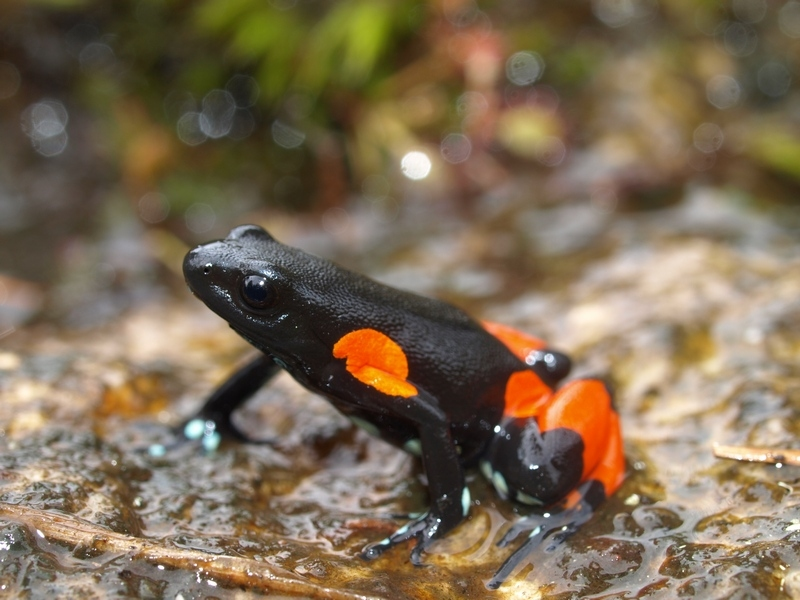
This thread will cover only a tiny fraction of the work on Mantella cowanii because, being so charismatic and threatened, it has received quite a bit of attention.
#MadagascarFrogs
We start at the very beginning: the first specimens, two females, were collected by Reverend Deans Cowan in East Betsileo, Madagascar, and sent to London, where George Albert Boulenger described the species in 1882.
#MadagascarFrogs
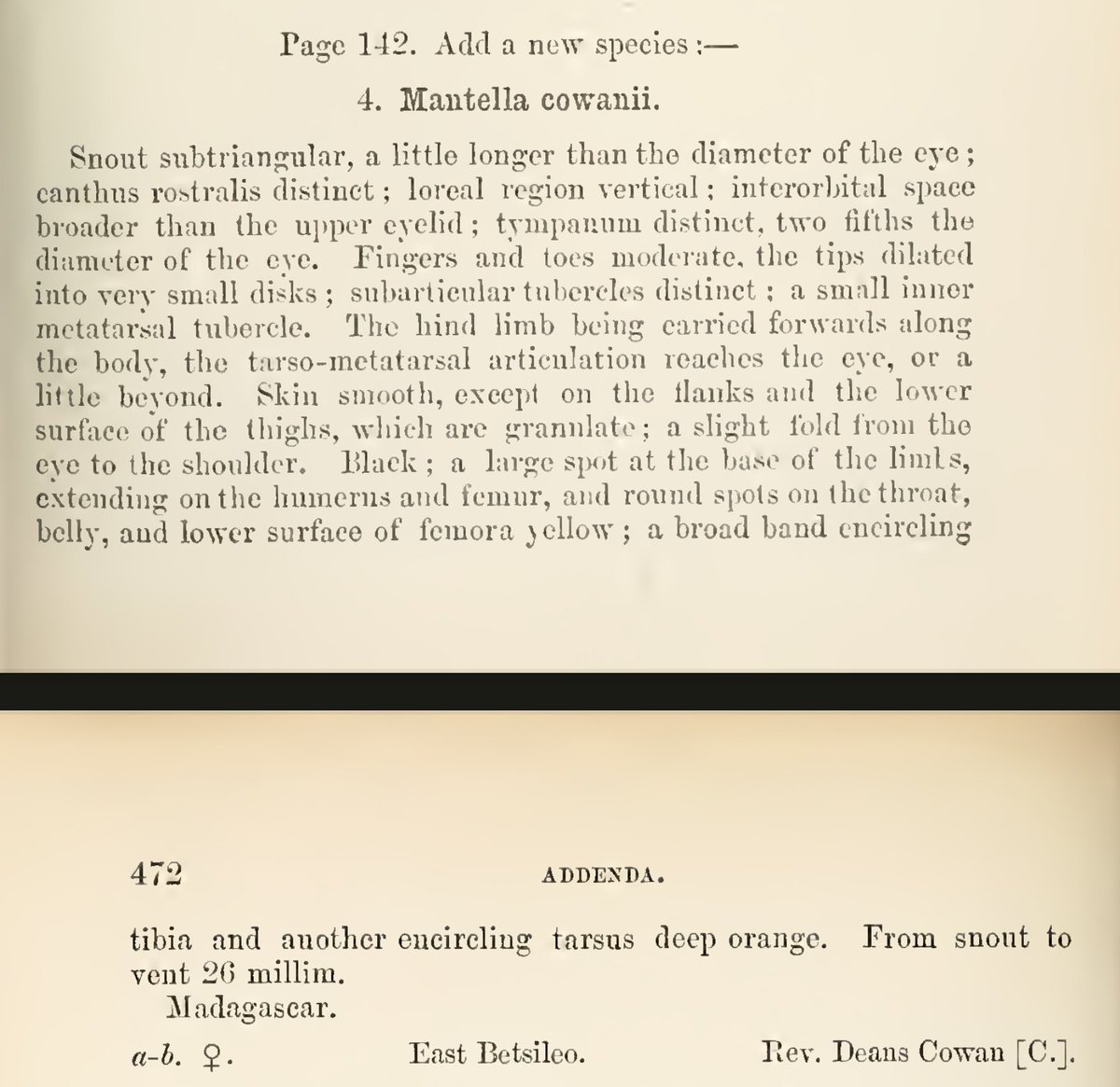
Boulenger placed the species in his new genus, Mantella, along with ebenaui, betsileo, and madagascariensis. He recognised that the other Malagasy poison frogs were distinct from the Dendrobates of the Americas, although he did keep them in the Dendrobatidae.
#MadagascarFrogs
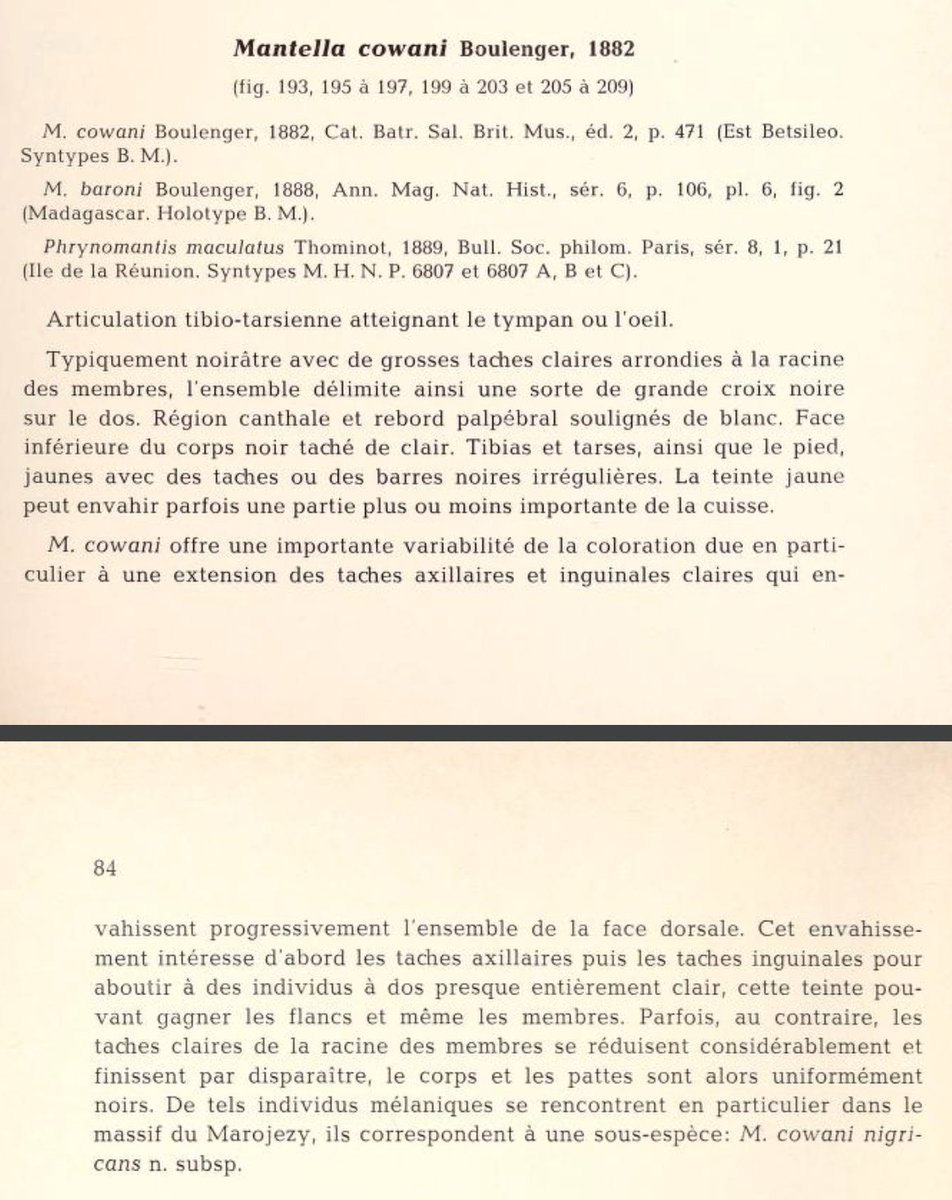
As more specimens were collected, it became clear that the species was highly variable. In 1978, Jean Guibé wrote with interest about this variability, describing a new subspecies, M. cowani nigricans—today a full species. #MadagascarFrogs
https://t.co/dwaHMbrYbj
#MadagascarFrogs
📸D.Edmonds/CalPhotos
This thread will cover only a tiny fraction of the work on Mantella cowanii because, being so charismatic and threatened, it has received quite a bit of attention.
#MadagascarFrogs
We start at the very beginning: the first specimens, two females, were collected by Reverend Deans Cowan in East Betsileo, Madagascar, and sent to London, where George Albert Boulenger described the species in 1882.
#MadagascarFrogs
Boulenger placed the species in his new genus, Mantella, along with ebenaui, betsileo, and madagascariensis. He recognised that the other Malagasy poison frogs were distinct from the Dendrobates of the Americas, although he did keep them in the Dendrobatidae.
#MadagascarFrogs
As more specimens were collected, it became clear that the species was highly variable. In 1978, Jean Guibé wrote with interest about this variability, describing a new subspecies, M. cowani nigricans—today a full species. #MadagascarFrogs
https://t.co/dwaHMbrYbj