
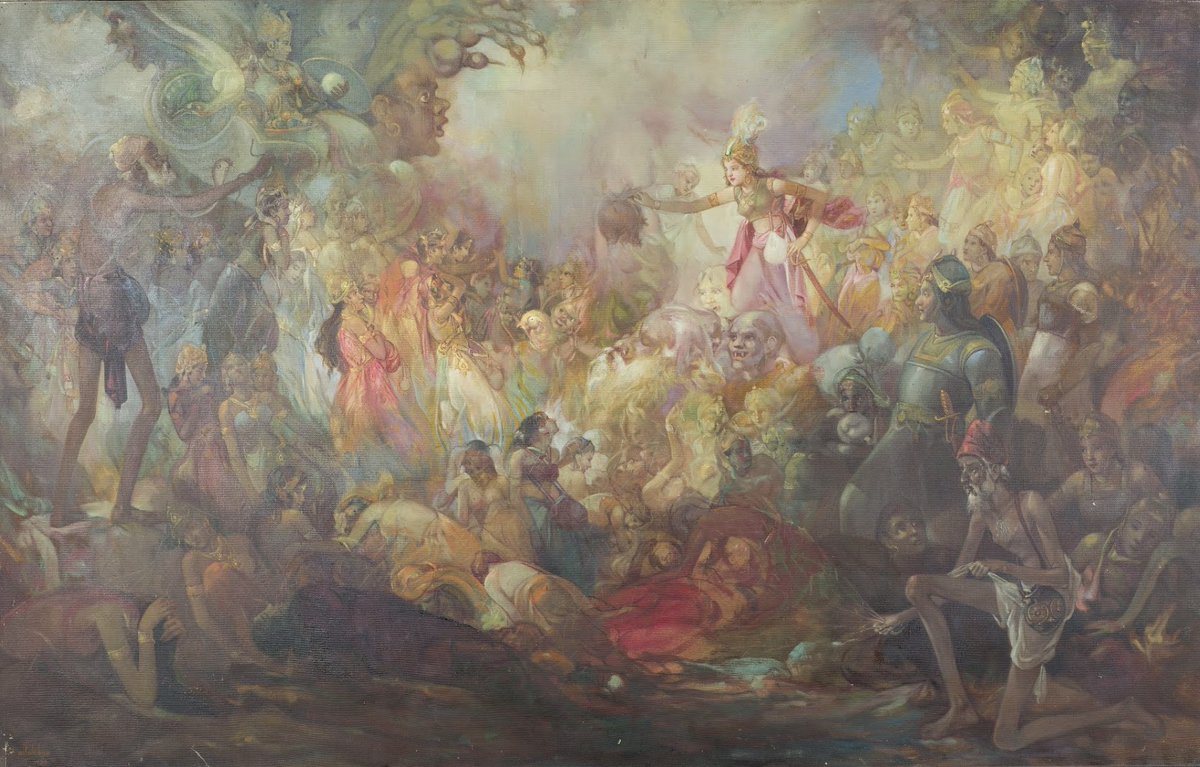
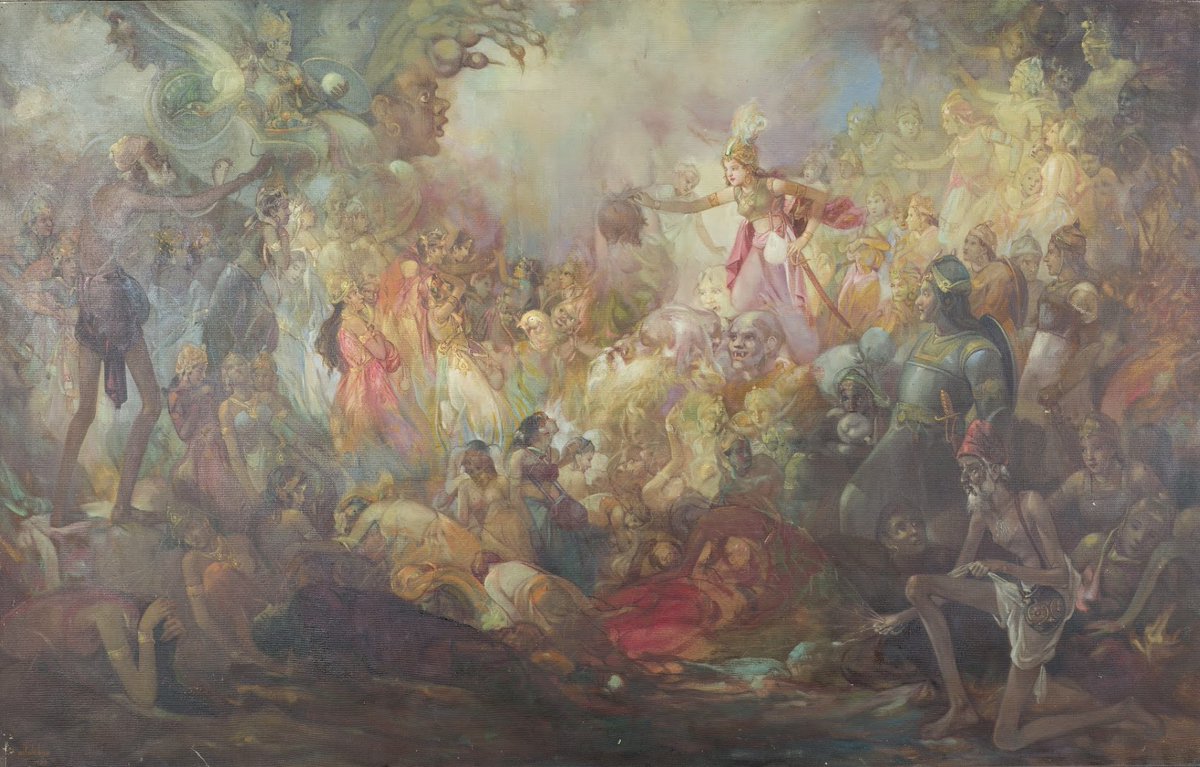
Friends. Some months ago I had shared the idea that acclaimed writer & translator Musharraf Ali Farooqi & I had to excavate, annotate & print in high quality a classic of world literature – Tilism-e-Hoshruba. I had also shared why this magical piece of work has tremendous 1/
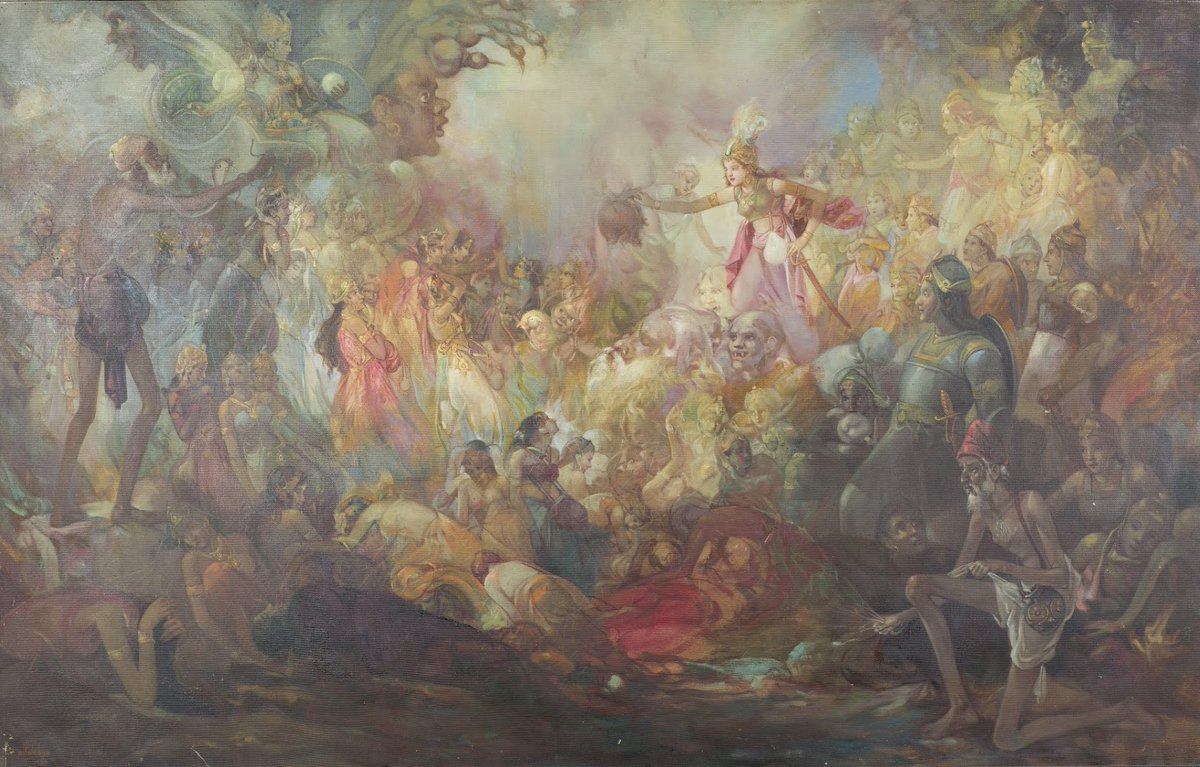
Out 1st target was to raise Rs. 3 Million through a group of select Friends of Hoshruba whom we approached based on our perception that they would not just be supportive of such a cause but that the cause 3/
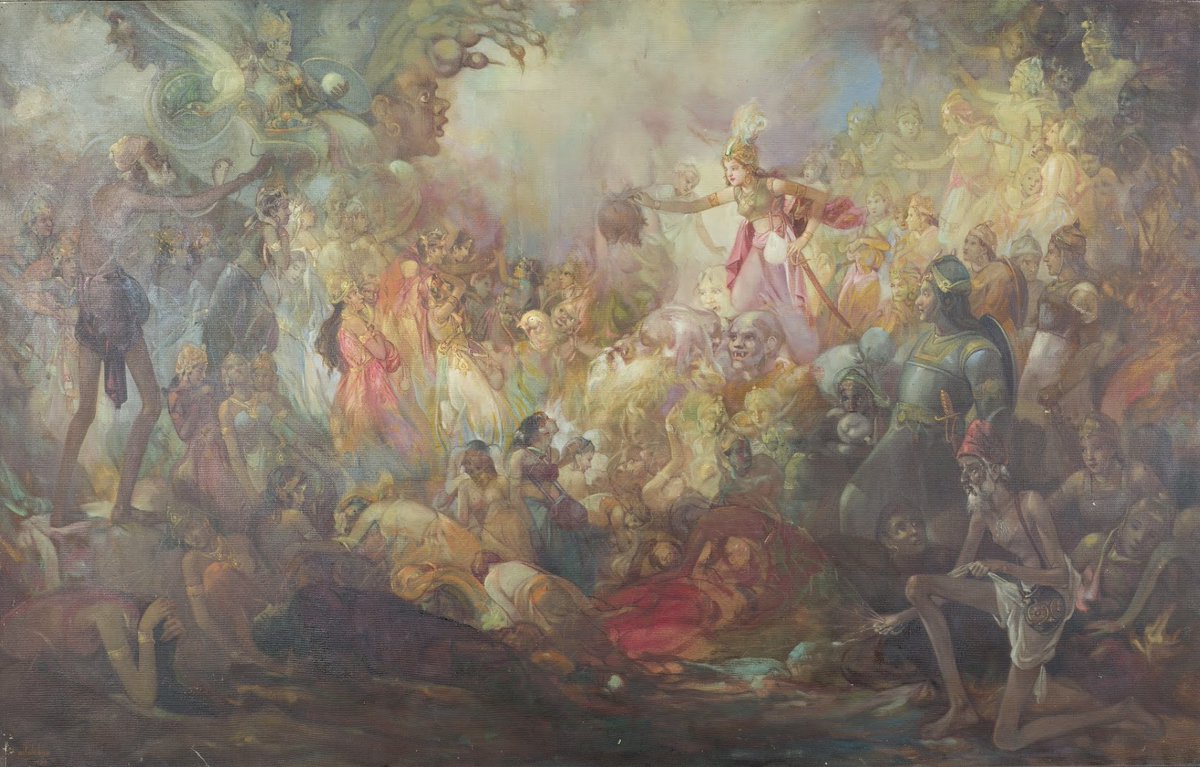
I must confess that despite 4/
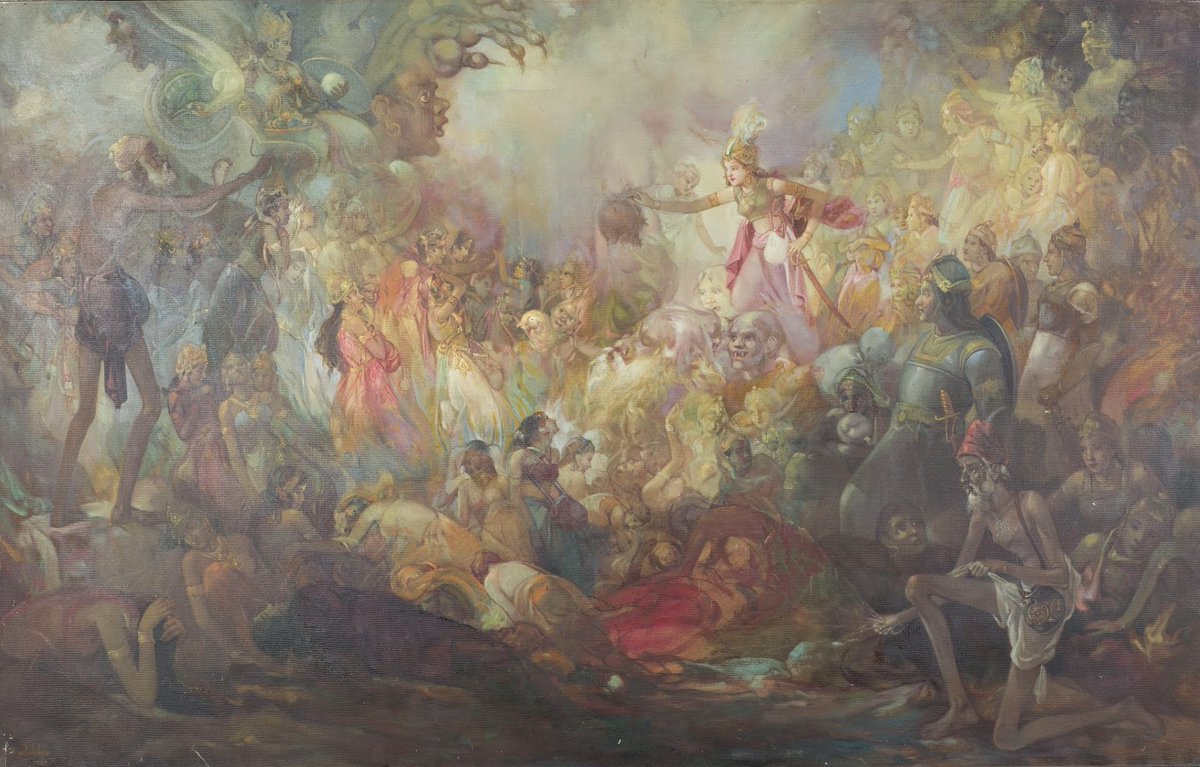
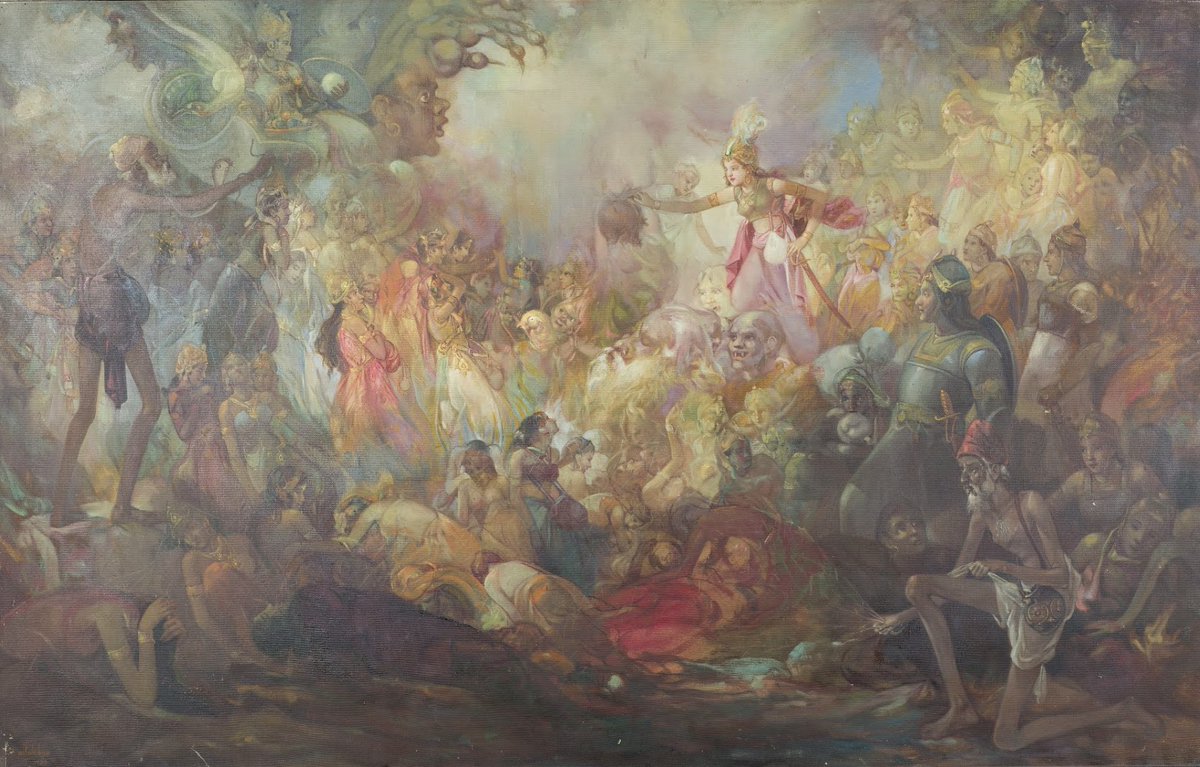
For the moment we 6/
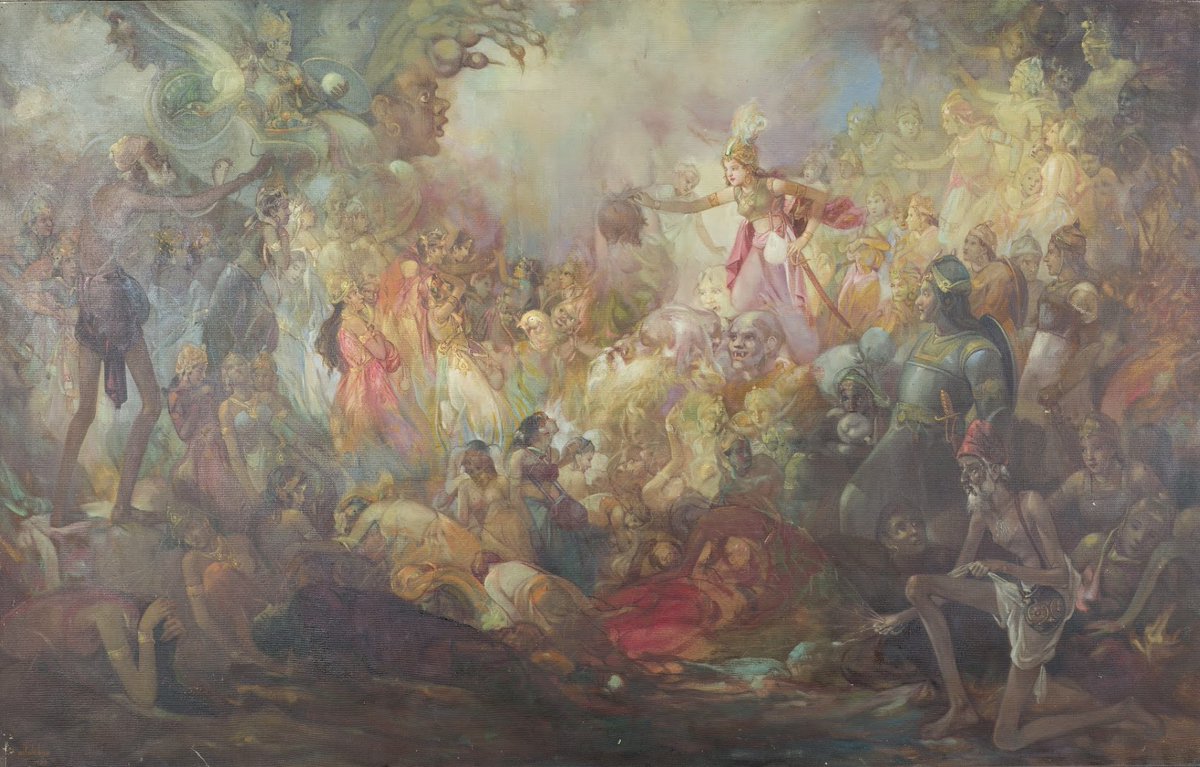
Here's a list of Friends of Hoshruba
(alphabetical order)
Mr. Ali Almakky
Mr. Farid Alvie
Mr. Faisal Bari
Mr. Uzair Karamat Bhandari
Mr. Ali Madeeh Hashmi
Mr. Abid Hussain Imam 7/
Mr. Bilal Hasan Minto
Mr. Syed Ali Murtaza
Ms. Maniza Naqvi
Ms. Fyza Noon
Mr. Ateed Riaz
Mr. Shahzad Saleem
Mr. Yahya Saleem
Mrs. Ayesha Shahzad
Mr. Osama Siddique
Mr. Omar Zafarullah
Mr. Fawad Zakariya
Axis Law Chambers (Organization)
8/
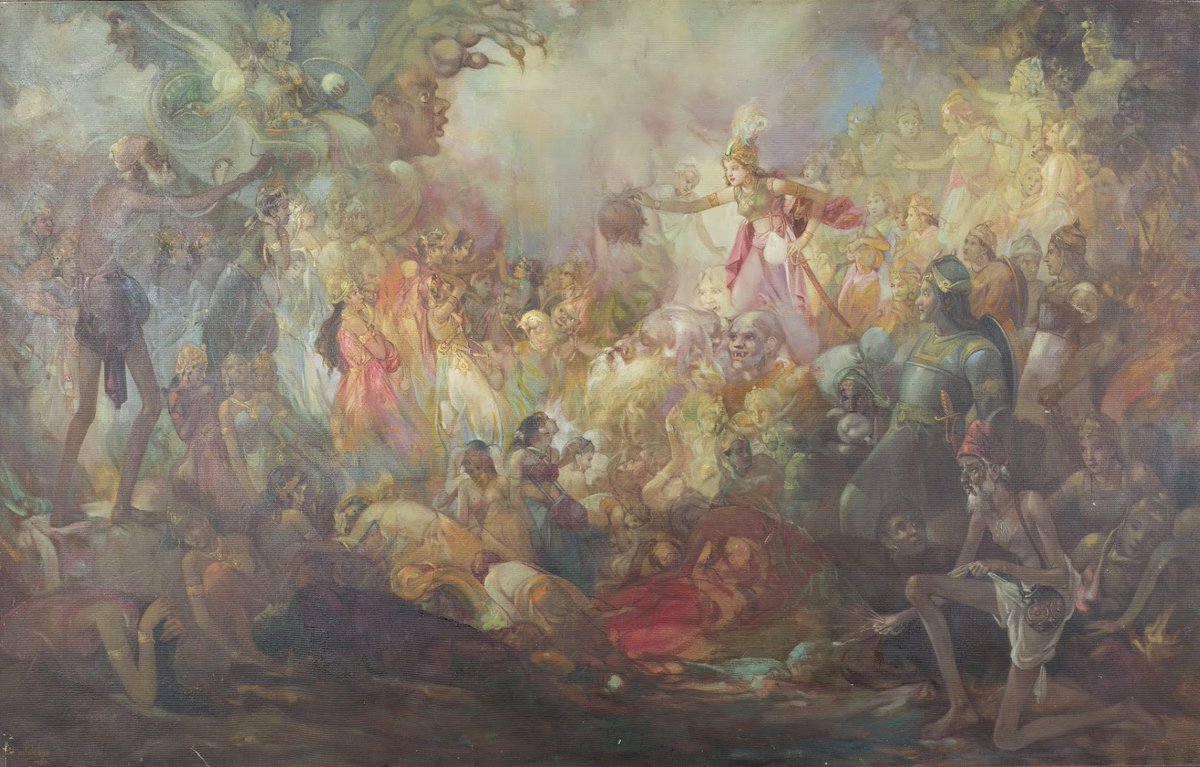
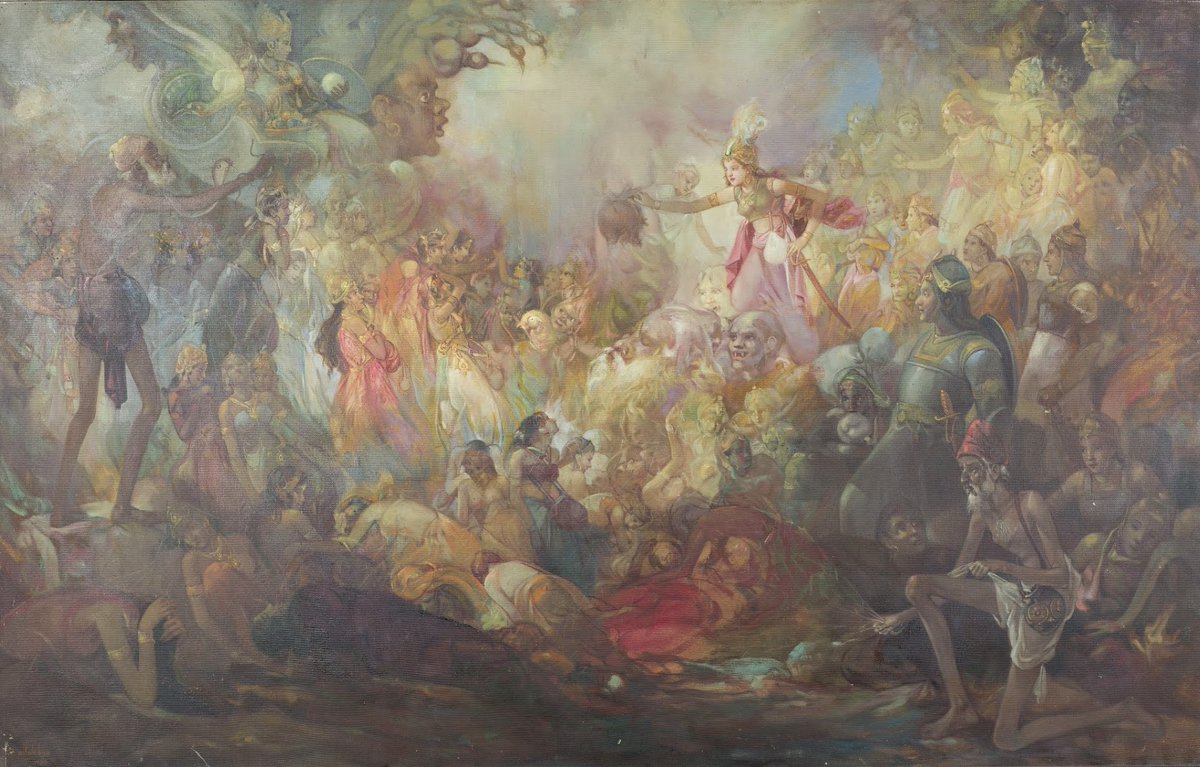
All details pertaining to Project Hoshruba including how does one become a Friend of Hoshruba & our contact details are on the website. https://t.co/7eIXCrCI59. 10/
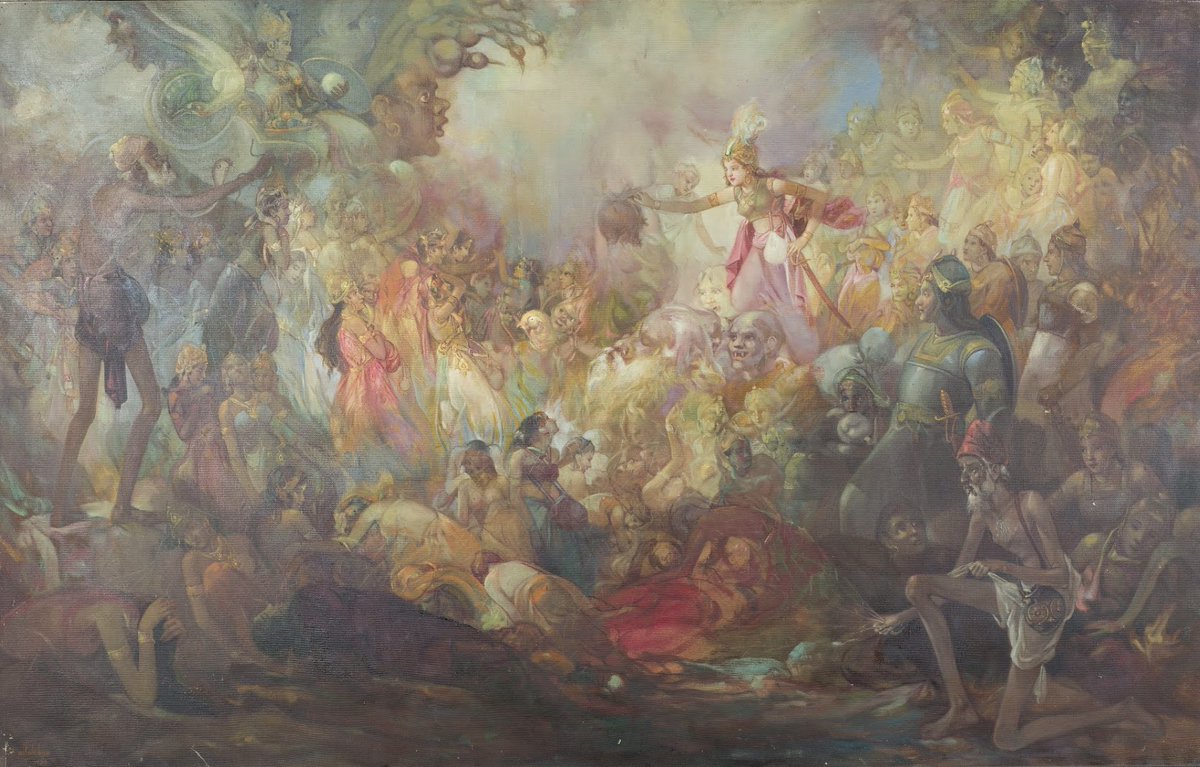
11/11
@microMAF @BariFaisal @wordoflaw @shahzadsaleem @MaryamShKhan
More from Religion

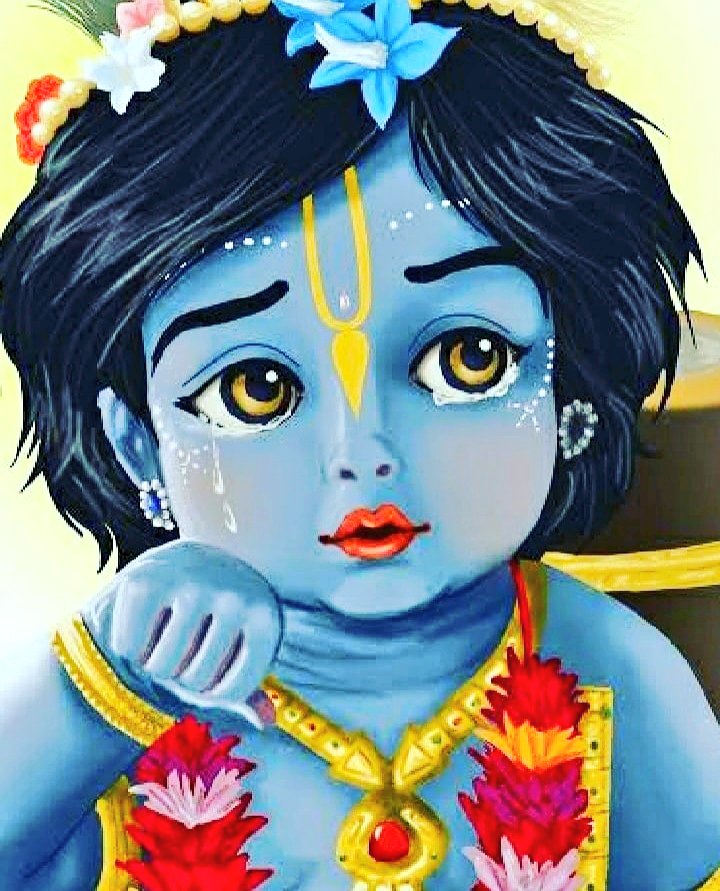

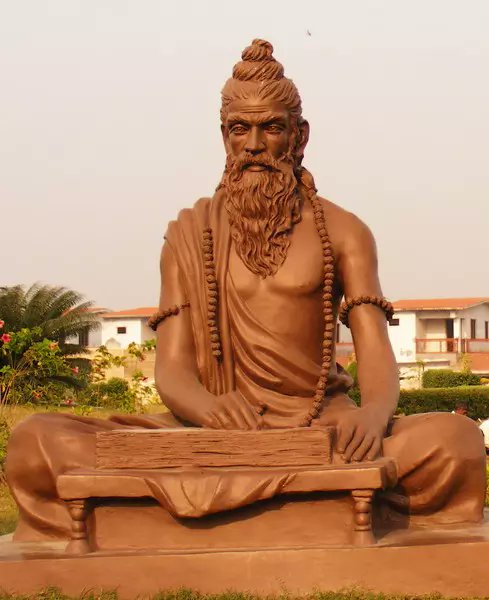

"Hinduism was one of the world's most easy-going faith traditions, famed for it's non-persecutory history."
I can assure you, it is NOT.
It is neither easy-going, nor non-persecutory. In fact it is the very opposite.
Thread.
Modern Hinduism is a British colonial concept, created in concert with Brahmins, who are at the "apex" of the caste system. The word "Hindoo" in fact, is of Persian origin, meaning a person who lives in the Indus valley.
Colonialists who attempted to study Indian religion in the 18th century (NOT, at the time, Hinduism) were baffled by it. Strata of people living distinctly (the caste system) with overlapping gods didn't fit into their Judeo-Christian understanding of religion.
Which has an ecclesiastical authority, a holy book etc., which Indian religions lacked. In studying "The Hindoo", colonialists prioritized textual sources of knowledge, which is where Brahmins, the priestly caste with a monopoly over education/text come in.
Brahminism was a distinct "religion" (although i don't really want to use the term in this way) that was frankly terrorized of other castes. In fact, the very basis of Brahminism is oppression. Brahmins had scholars who recorded *Brahminical* canon textually.
I can assure you, it is NOT.
It is neither easy-going, nor non-persecutory. In fact it is the very opposite.
Thread.
Hinduism was historically one of the world's most easy-going faith traditions, famed for its non-persecutory history. Now this ... pic.twitter.com/Obln4cns7b
— David Frum (@davidfrum) February 3, 2021
Modern Hinduism is a British colonial concept, created in concert with Brahmins, who are at the "apex" of the caste system. The word "Hindoo" in fact, is of Persian origin, meaning a person who lives in the Indus valley.
Colonialists who attempted to study Indian religion in the 18th century (NOT, at the time, Hinduism) were baffled by it. Strata of people living distinctly (the caste system) with overlapping gods didn't fit into their Judeo-Christian understanding of religion.
Which has an ecclesiastical authority, a holy book etc., which Indian religions lacked. In studying "The Hindoo", colonialists prioritized textual sources of knowledge, which is where Brahmins, the priestly caste with a monopoly over education/text come in.
Brahminism was a distinct "religion" (although i don't really want to use the term in this way) that was frankly terrorized of other castes. In fact, the very basis of Brahminism is oppression. Brahmins had scholars who recorded *Brahminical* canon textually.


