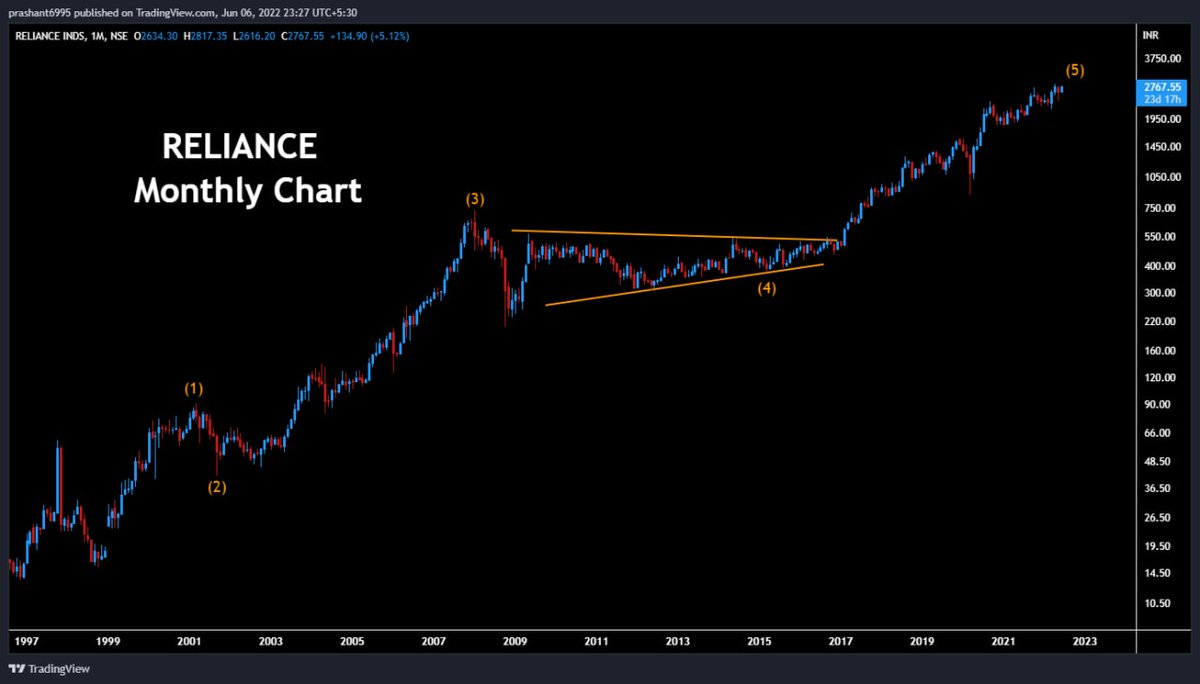
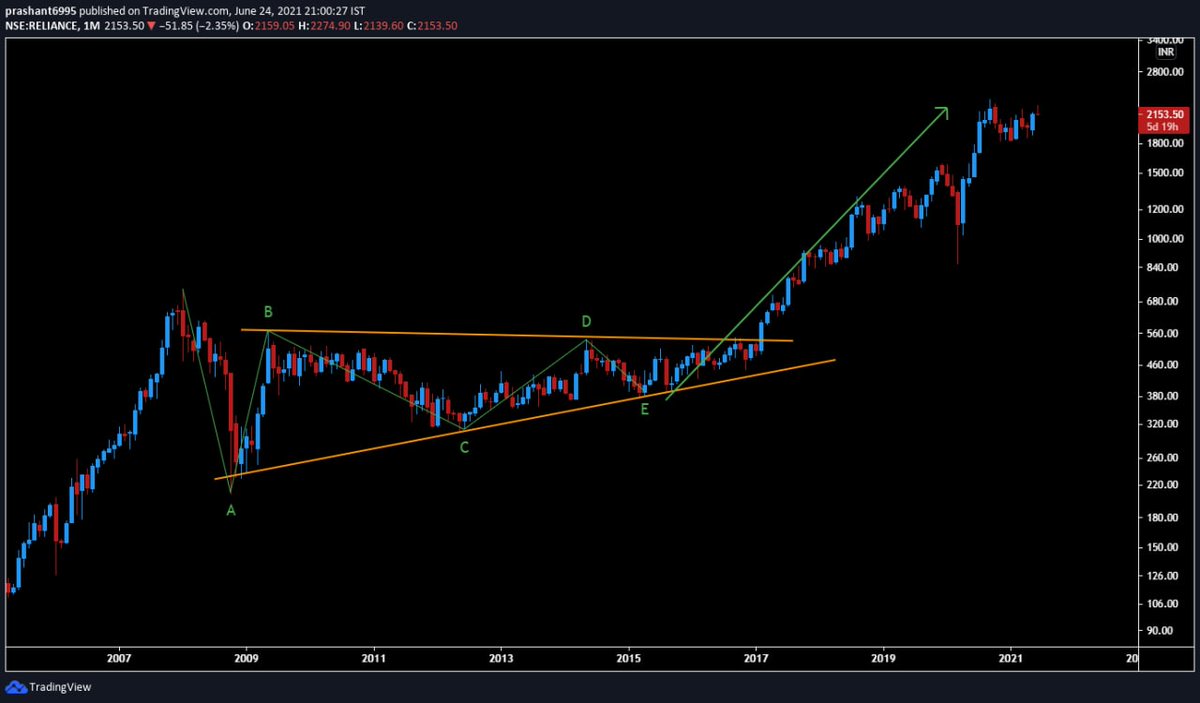
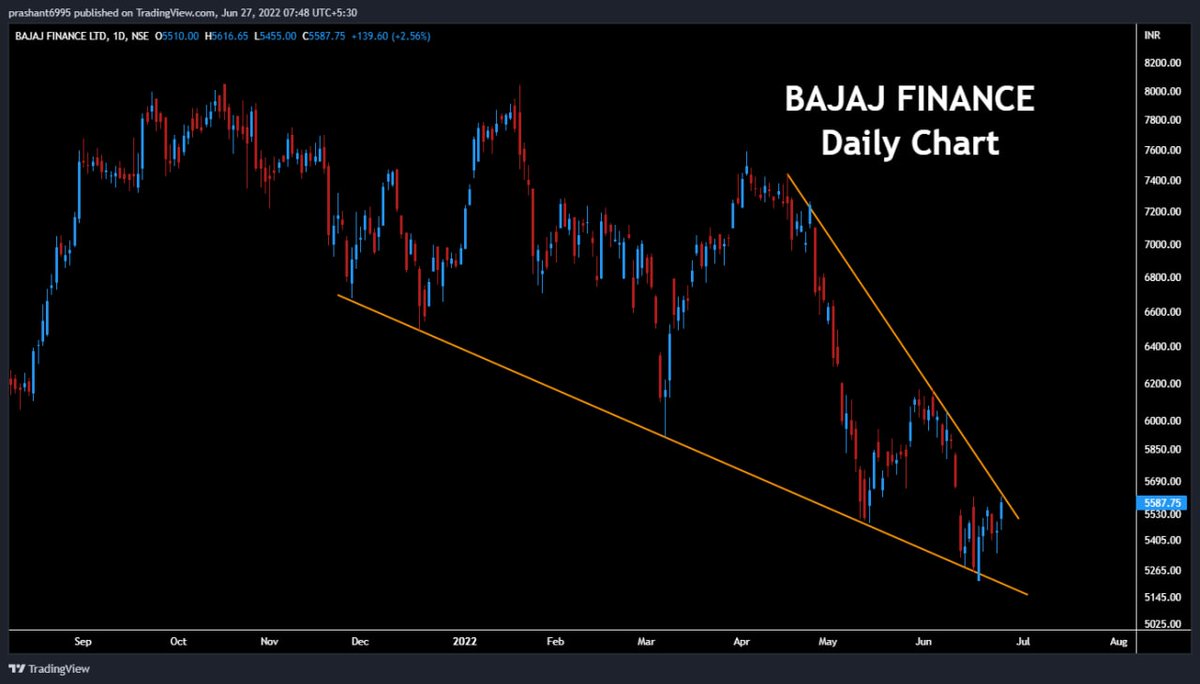
#RIL tgts are 2180 and 1820 positional over next few months if the high made at 2856 doesn't cross.
Not looking good.
#RELIANCE update
— Prashant Bhansali (@prashant280294) April 28, 2022
Was expecting 5th wave rally towards 2800-3000 as mentioned in previous post
Move played out, but now not worth chasing anymore
Not saying the move is over, it can still go up bit more, but riskreward not good for positional longs now on, I would stay away. https://t.co/eoLshLoLBD pic.twitter.com/G0qZAEBRIX
More from Prashant Bhansali
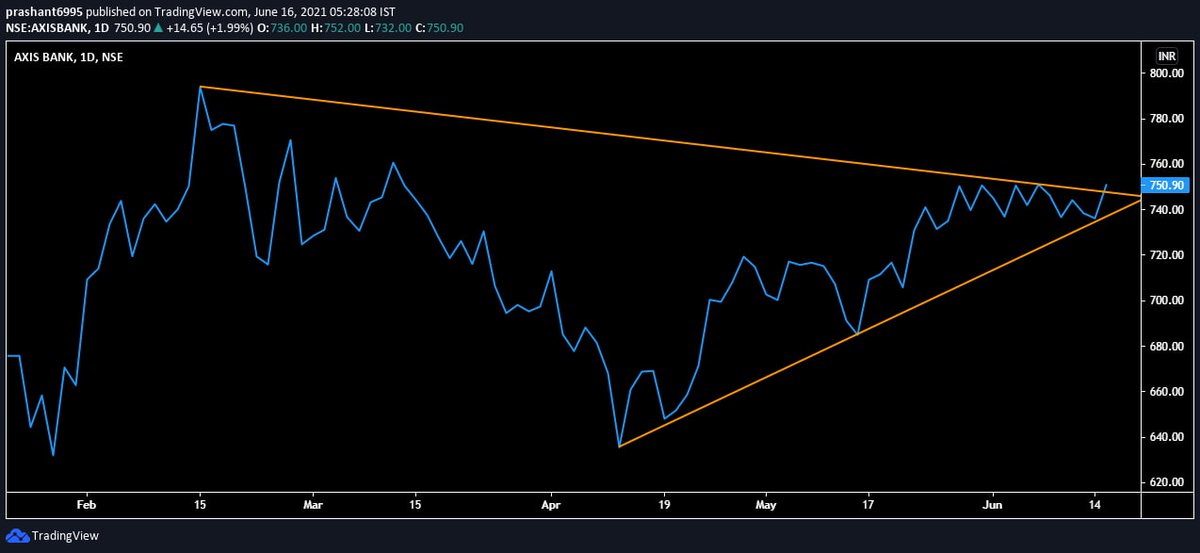
#EW
Here's my view based on EW purely for long term
We could witness a big big 3rd wave in coming months
#investmentidea https://t.co/5laFyd8A7X
(30) #GreavesCotton monthly chart
— Prashant Bhansali (@prashant280294) June 25, 2021
Big monthly breakout underway
Is it time to move to next orbit higher ? Looks like! #PB365 pic.twitter.com/CB0OtIow7G
You May Also Like
As someone\u2019s who\u2019s read the book, this review strikes me as tremendously unfair. It mostly faults Adler for not writing the book the reviewer wishes he had! https://t.co/pqpt5Ziivj
— Teresa M. Bejan (@tmbejan) January 12, 2021
The meat of the criticism is that the history Adler gives is insufficiently critical. Adler describes a few figures who had a great influence on how the modern US university was formed. It's certainly critical: it focuses on the social Darwinism of these figures. 2/x
Other insinuations and suggestions in the review seem wildly off the mark, distorted, or inappropriate-- for example, that the book is clickbaity (it is scholarly) or conservative (hardly) or connected to the events at the Capitol (give me a break). 3/x
The core question: in what sense is classics inherently racist? Classics is old. On Adler's account, it begins in ancient Rome and is revived in the Renaissance. Slavery (Christiansen's primary concern) is also very old. Let's say classics is an education for slaveowners. 4/x
It's worth remembering that literacy itself is elite throughout most of this history. Literacy is, then, also the education of slaveowners. We can honor oral and musical traditions without denying that literacy is, generally, good. 5/x
As someone\u2019s who\u2019s read the book, this review strikes me as tremendously unfair. It mostly faults Adler for not writing the book the reviewer wishes he had! https://t.co/pqpt5Ziivj
— Teresa M. Bejan (@tmbejan) January 12, 2021
The meat of the criticism is that the history Adler gives is insufficiently critical. Adler describes a few figures who had a great influence on how the modern US university was formed. It's certainly critical: it focuses on the social Darwinism of these figures. 2/x
Other insinuations and suggestions in the review seem wildly off the mark, distorted, or inappropriate-- for example, that the book is clickbaity (it is scholarly) or conservative (hardly) or connected to the events at the Capitol (give me a break). 3/x
The core question: in what sense is classics inherently racist? Classics is old. On Adler's account, it begins in ancient Rome and is revived in the Renaissance. Slavery (Christiansen's primary concern) is also very old. Let's say classics is an education for slaveowners. 4/x
It's worth remembering that literacy itself is elite throughout most of this history. Literacy is, then, also the education of slaveowners. We can honor oral and musical traditions without denying that literacy is, generally, good. 5/x