My MP @RobertLargan has made public his desire for his whole voting record to be recognised and not just, say, his votes on opposition day motions.

On Tuesday, he voted 9 times on amendments to the #TradeBill.

https://t.co/7fh5abYJTp

At his own request, let's take a look..

Amendment 1: To give parliament and the devolved nations a role in the scrutiny and approval of trade agreements.

Mr Largan voted against this.

11 Tory MPs rebelled against this removal of their own powers.

Mr Largan did not.

https://t.co/VqdnqRS3KK
Amendment 2: to assess the human rights violations of countries with which we have or are contemplating forming trade agreements.

Mr Largan voted against this.

1 Tory MP rebelled in this vote. It was not Mr Largan.
Amendment 3: to consider the revocation of any trade agreement with a country that has committed genocide.

Mr Largan voted against this.

34 Tory MPs rebelled in this vote. Not Mr Largan.

https://t.co/nBeCS0Rzww
Amendment 4: to protect the NHS and care organisations from control from outside the UK via trade agreements with other countries.

Mr Largan voted against this.

So did every other Tory MP.
Amendment 5: to require ministers to bring to the House of Commons the domestic legislation required to ratify trade agreements.

Mr Largan voted against this.
Again, voting away more of his own powers.
Amendment 6: to consult parliament and the devolved nations about proposed changes to our food and animal welfare standards resulting from international trade agreements.

Mr Largan voted against this.

4 Tory MPs rebelled in this vote but not Mr Largan.

https://t.co/VqdnqRS3KK
Amendment 7: to ensure that the online safety of children is not affected by international trade agreements.

Mr Largan voted against this.

1 Tory MP rebelled in this vote but not Mr Largan.
Amendment 8: to protect Northern Ireland/UK trade from detrimental effects arising from other international negotiations.

Mr Largan voted against this.

So did every other MP for the **Conservative and Unionist** party.
Amendment 10a: A government amendment to remove consideration of human life and health from the agricultural component of any trade agreement.

Mr Largan voted in favour of this.

https://t.co/YJJsF2875X
I end with the words of @lynbrownmp, from the #TradeBill debate:

Today we should do the right thing, because if we do not, tomorrow we will certainly be judged.

More from Politics

You May Also Like

I'm going to do two history threads on Ethiopia, one on its ancient history, one on its modern story (1800 to today). 🇪🇹

I'll begin with the ancient history ... and it goes way back. Because modern humans - and before that, the ancestors of humans - almost certainly originated in Ethiopia. 🇪🇹 (sub-thread):


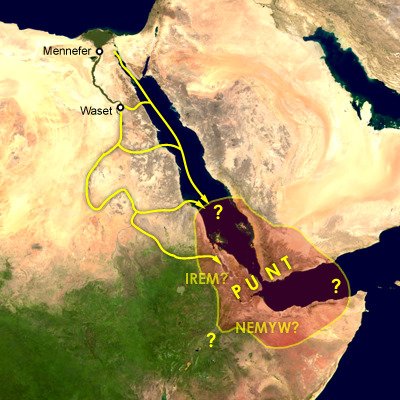
The first likely historical reference to Ethiopia is ancient Egyptian records of trade expeditions to the "Land of Punt" in search of gold, ebony, ivory, incense, and wild animals, starting in c 2500 BC 🇪🇹


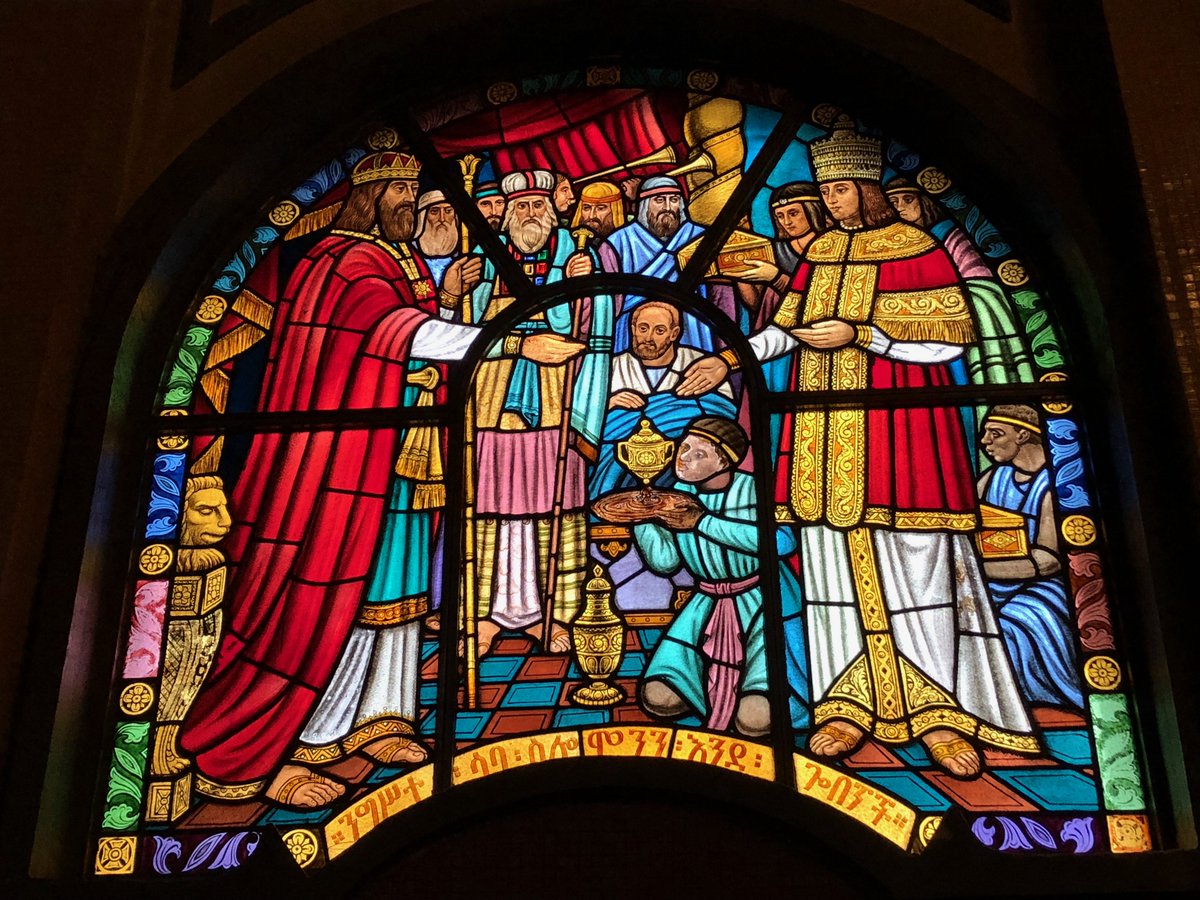
Ethiopians themselves believe that the Queen of Sheba, who visited Israel's King Solomon in the Bible (c 950 BC), came from Ethiopia (not Yemen, as others believe). Here she is meeting Solomon in a stain-glassed window in Addis Ababa's Holy Trinity Church. 🇪🇹


References to the Queen of Sheba are everywhere in Ethiopia. The national airline's frequent flier miles are even called "ShebaMiles". 🇪🇹
https://t.co/6cRR2B3jBE
Viruses and other pathogens are often studied as stand-alone entities, despite that, in nature, they mostly live in multispecies associations called biofilms—both externally and within the host.

https://t.co/FBfXhUrH5d


Microorganisms in biofilms are enclosed by an extracellular matrix that confers protection and improves survival. Previous studies have shown that viruses can secondarily colonize preexisting biofilms, and viral biofilms have also been described.


...we raise the perspective that CoVs can persistently infect bats due to their association with biofilm structures. This phenomenon potentially provides an optimal environment for nonpathogenic & well-adapted viruses to interact with the host, as well as for viral recombination.


Biofilms can also enhance virion viability in extracellular environments, such as on fomites and in aquatic sediments, allowing viral persistence and dissemination.