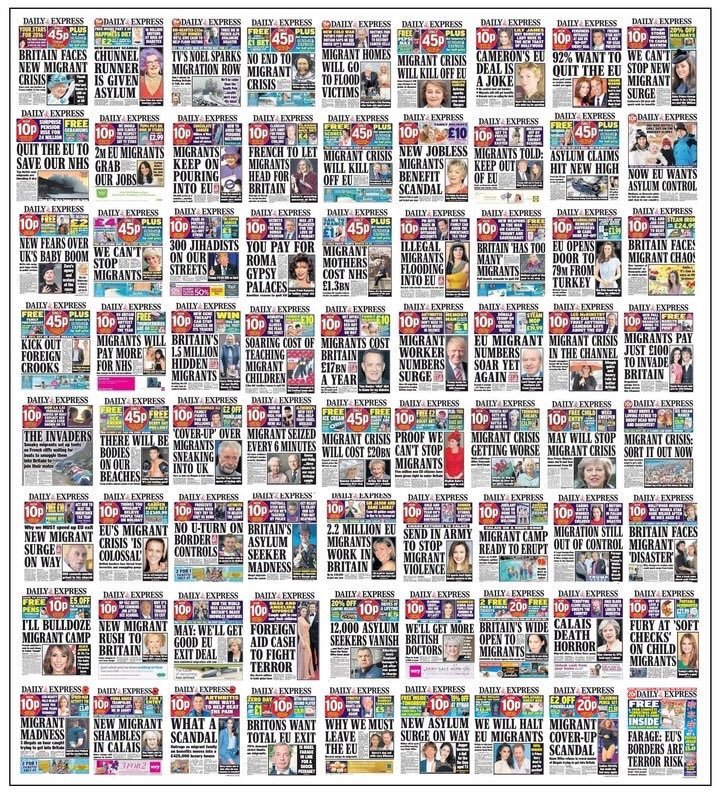
New research into anti-immigration rhetoric, which I'll try to summarise in this THREAD.
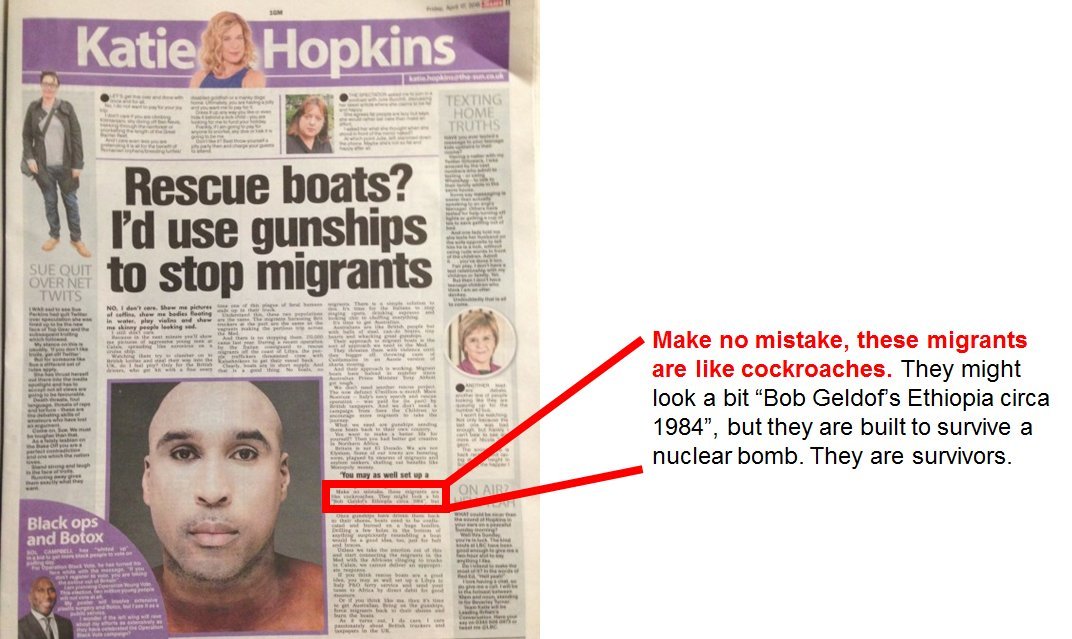
It basically suggests that the emotive use of metaphor & hyperbole in anti-immigration rhetoric drives base support & INCREASES their likelihood of political
There is agreement that, at least for parts of the electorate, such populist anti-immigration rhetoric can be highly persuasive.
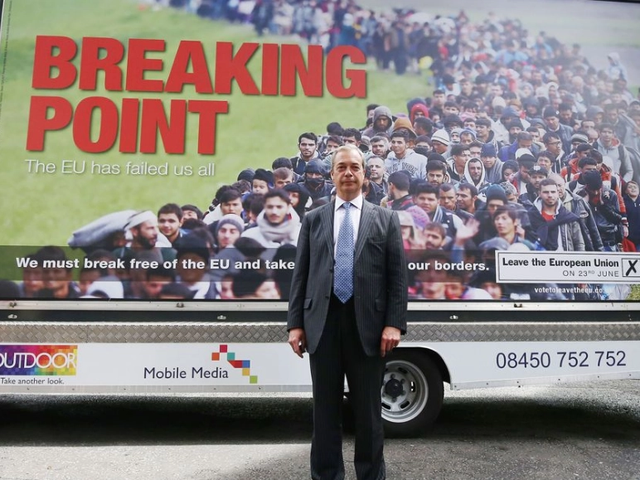
Metaphors can activate connotations attached to intense & negative concepts, like war & other threats, & hyperboles can exaggerate danger & emphasize threats.
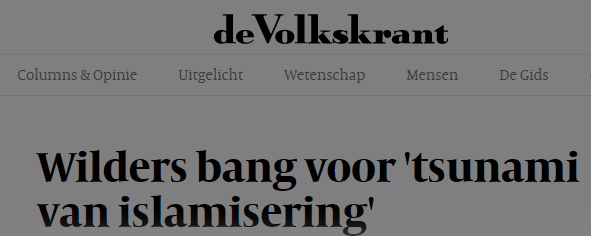
For example, Dutch right-wing politician Geert Wilders hyperbolically extended the metaphor a wave of immigrants into “a tsunami” of 'Islamization'.
The results showed that voters of right-wing populist nationalist parties responded differently to figuratively framed anti-immigration statements than other voters.
However, (IMPORTANT POINT COMING UP):



More from Politics


My piece in the NY Times today: "the Trump administration is denying applications submitted to the United States Citizenship and Immigration Services at a rate 37 percent higher than the Obama administration did in 2016."
Based on this analysis: "Denials for immigration benefits—travel documents, work permits, green cards, worker petitions, etc.—increased 37 percent since FY 2016. On an absolute basis, FY 2018 will see more than about 155,000 more denials than FY 2016." https://t.co/Bl0naOO0sh
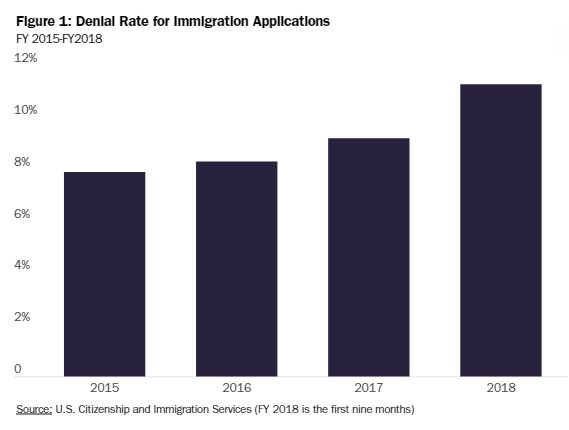
"This increase in denials cannot be credited to an overall rise in applications. In fact, the total number of applications so far this year is 2 percent lower than in 2016. It could be that the higher denial rate is also discouraging some people from applying at all.."
Thanks to @gsiskind for his insightful comments. The increase in denials, he said, is “significant enough to make one think that Congress must have passed legislation changing the requirements. But we know they have not.”
My conclusion:
Based on this analysis: "Denials for immigration benefits—travel documents, work permits, green cards, worker petitions, etc.—increased 37 percent since FY 2016. On an absolute basis, FY 2018 will see more than about 155,000 more denials than FY 2016." https://t.co/Bl0naOO0sh
"This increase in denials cannot be credited to an overall rise in applications. In fact, the total number of applications so far this year is 2 percent lower than in 2016. It could be that the higher denial rate is also discouraging some people from applying at all.."
Thanks to @gsiskind for his insightful comments. The increase in denials, he said, is “significant enough to make one think that Congress must have passed legislation changing the requirements. But we know they have not.”
My conclusion:

All the challenges to Leader Pelosi are coming from her right, in an apparent effort to make the party even more conservative and bent toward corporate interests.
Hard pass. So long as Leader Pelosi remains the most progressive candidate for Speaker, she can count on my support.
I agree that our party should, and must, evolve our leadership.
But changed leadership should reflect an actual, evolved mission; namely, an increased commitment to the middle + working class electorate that put us here.
Otherwise it’s a just new figure with the same problems.
I hope that we can move swiftly to conclude this discussion about party positions, so that we can spend more time discussing party priorities: voting rights, healthcare, wages, climate change, housing, cannabis legalization, good jobs, etc.
Hard pass. So long as Leader Pelosi remains the most progressive candidate for Speaker, she can count on my support.
The strange thing about the fight to displace Nancy Pelosi as Speaker of the House is that no one seems willing to run against her. https://t.co/VhBqf4KJom
— The New Yorker (@NewYorker) November 21, 2018
I agree that our party should, and must, evolve our leadership.
But changed leadership should reflect an actual, evolved mission; namely, an increased commitment to the middle + working class electorate that put us here.
Otherwise it’s a just new figure with the same problems.
I hope that we can move swiftly to conclude this discussion about party positions, so that we can spend more time discussing party priorities: voting rights, healthcare, wages, climate change, housing, cannabis legalization, good jobs, etc.


You May Also Like

✨📱 iOS 12.1 📱✨
🗓 Release date: October 30, 2018
📝 New Emojis: 158
https://t.co/bx8XjhiCiB
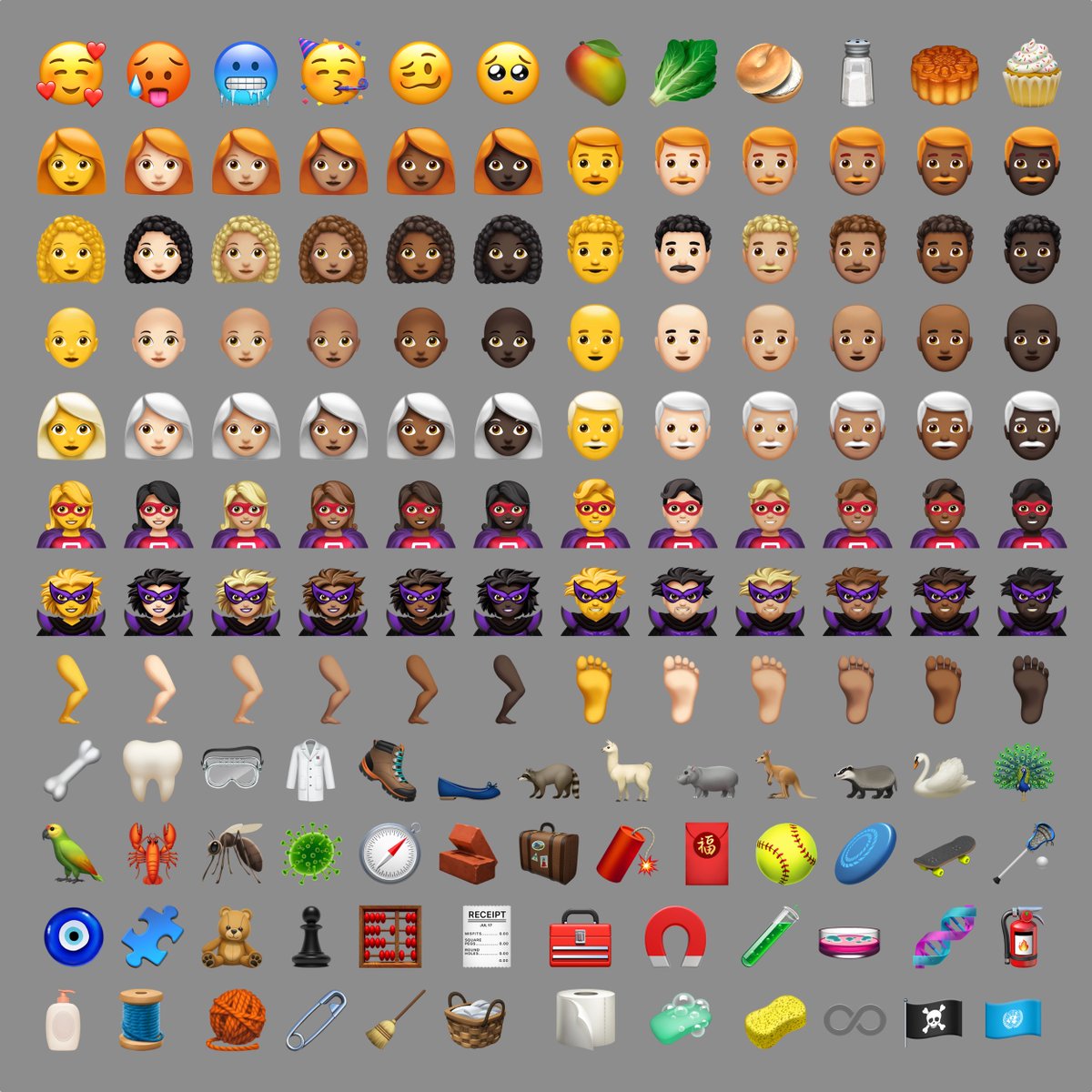
New in iOS 12.1: 🥰 Smiling Face With 3 Hearts https://t.co/6eajdvueip

New in iOS 12.1: 🥵 Hot Face https://t.co/jhTv1elltB

New in iOS 12.1: 🥶 Cold Face https://t.co/EIjyl6yZrF

New in iOS 12.1: 🥳 Partying Face https://t.co/p8FDNEQ3LJ

🗓 Release date: October 30, 2018
📝 New Emojis: 158
https://t.co/bx8XjhiCiB
New in iOS 12.1: 🥰 Smiling Face With 3 Hearts https://t.co/6eajdvueip
New in iOS 12.1: 🥵 Hot Face https://t.co/jhTv1elltB
New in iOS 12.1: 🥶 Cold Face https://t.co/EIjyl6yZrF
New in iOS 12.1: 🥳 Partying Face https://t.co/p8FDNEQ3LJ