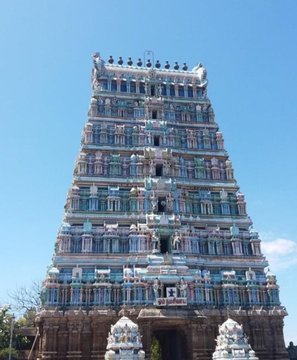
PIIND
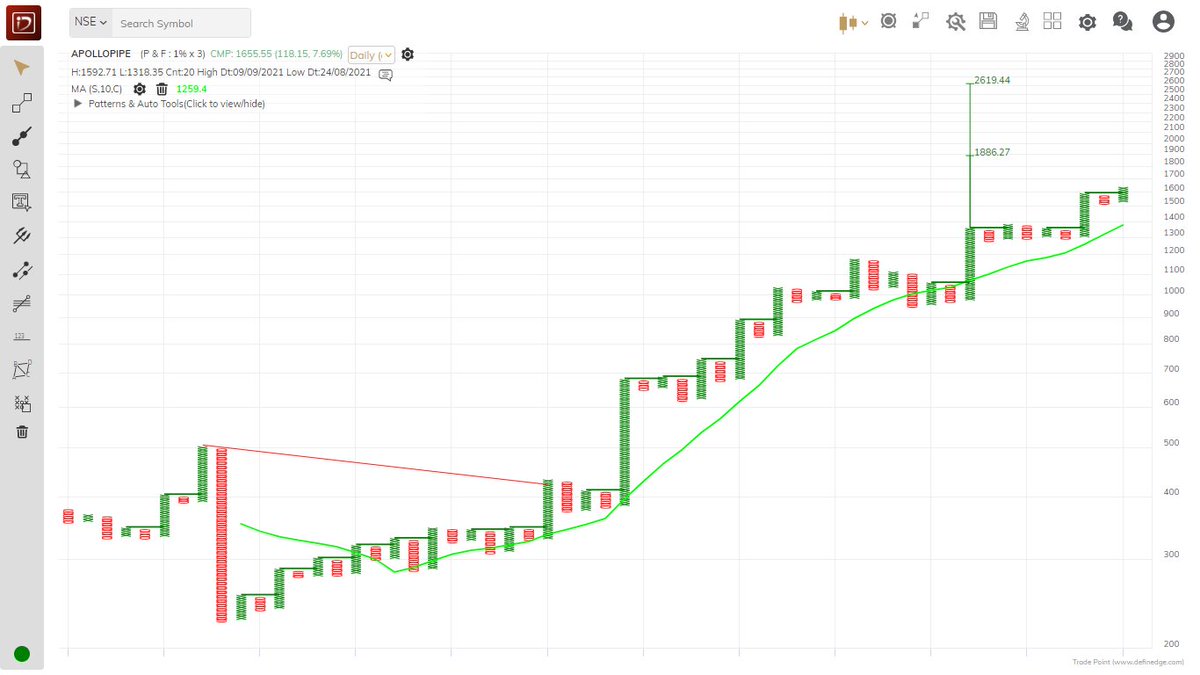
Story through the generations!
A true multi year compounding machine!

More from Saket Reddy
Plotting sales CAGR for few gems in #chemicals, #pharma and #FMCG
— jeevan patwa (@jeevanpatwa) July 14, 2021
Majority has 20Y CAGR > 10Y > 5Y => growth is decelerating as base becomes big...
only outlier being #Deepaknitrate where
20Y CAGR < 10Y < 5Y => accelerating growth... pic.twitter.com/ewpFeKmxQo

The industry further has potential to capture incremental opportunity of 4500-5000Cr low-end plywood market. https://t.co/Cre3xVUNqu
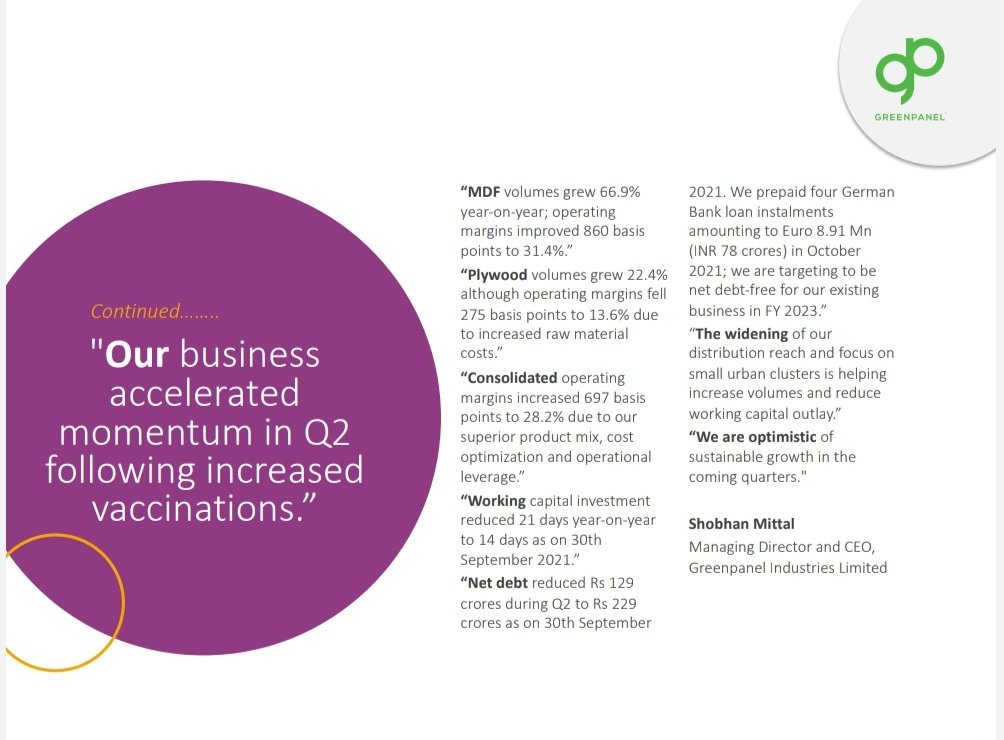
GREENPANEL would grow earnings at 15-20% CAGR over the next 3-5 years with ROCE & Margin expansion once they commision the de-bottlenecked capacity in FY22 and the brownfield AP CAPEX in FY23/FY24.
— Saket Reddy (@saketreddy) October 14, 2021
Huge runway for growth, industry structure (both MDF & RE) turned for the good! https://t.co/jFTZCwhNMS
GREENPANEL had 1,400 dealers (retail business) as of FY21 and added 250 dealers in 6MFY22. Target to
increase this to 2,200 by FY23.
More from Piindustries

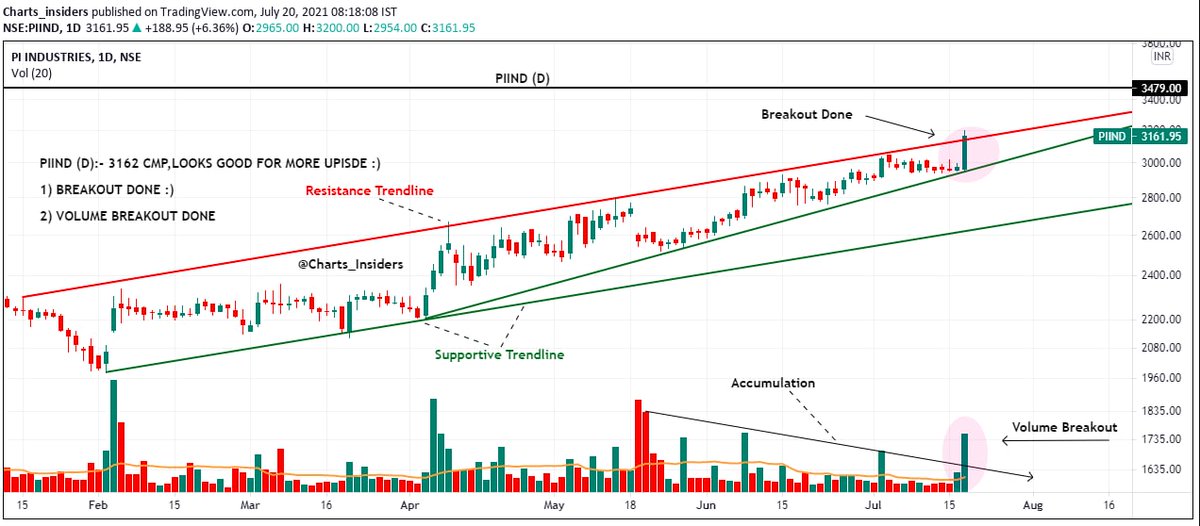

3147 to 3270
minor resustnce breakout now https://t.co/mcLJB7yEhO
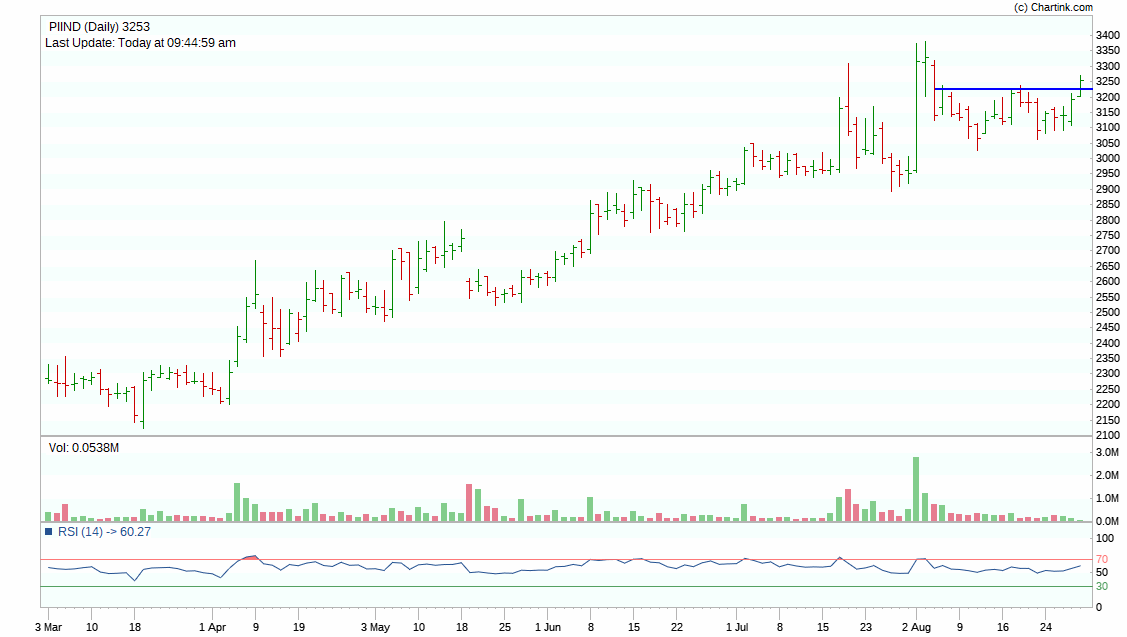
#piind
— ProdigalTrader (@ProdigalTrader) August 24, 2021
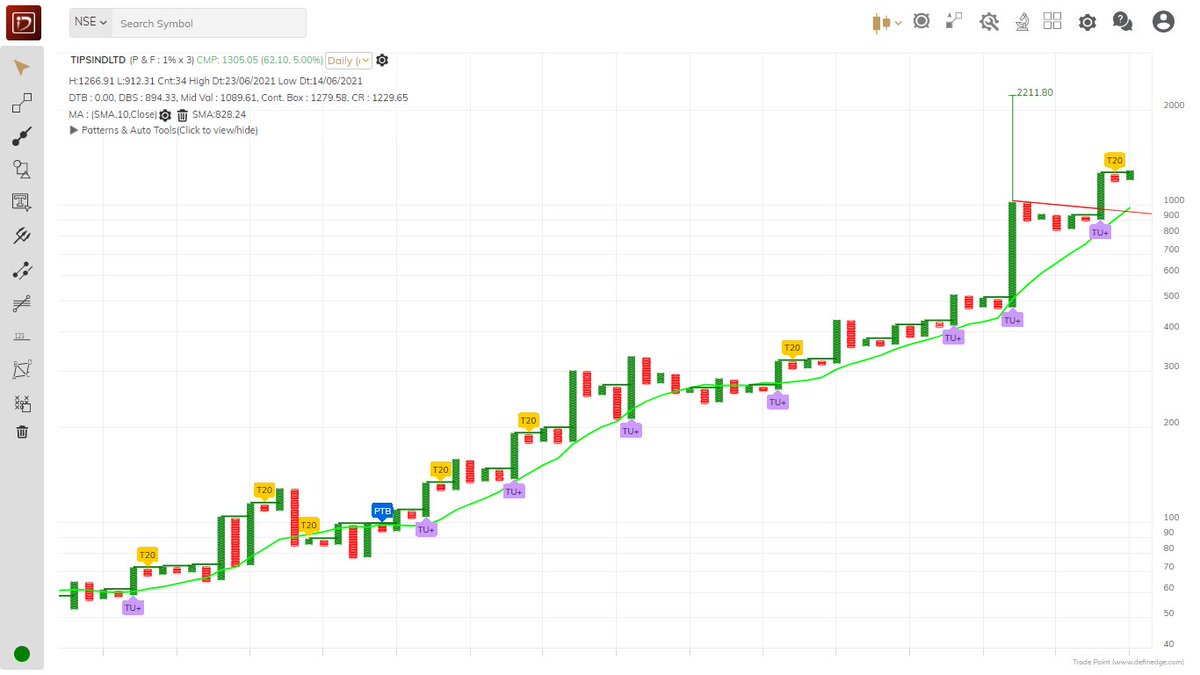
price at the bottom of a bullish channel with RSI showing clue son potetntial reversal here. Volume is dried up in pullback showing lack of supply#StockMarket #StocksInFocus #stocktrading #stockselection #stocktowatch pic.twitter.com/jpDOpnCzFu



You May Also Like

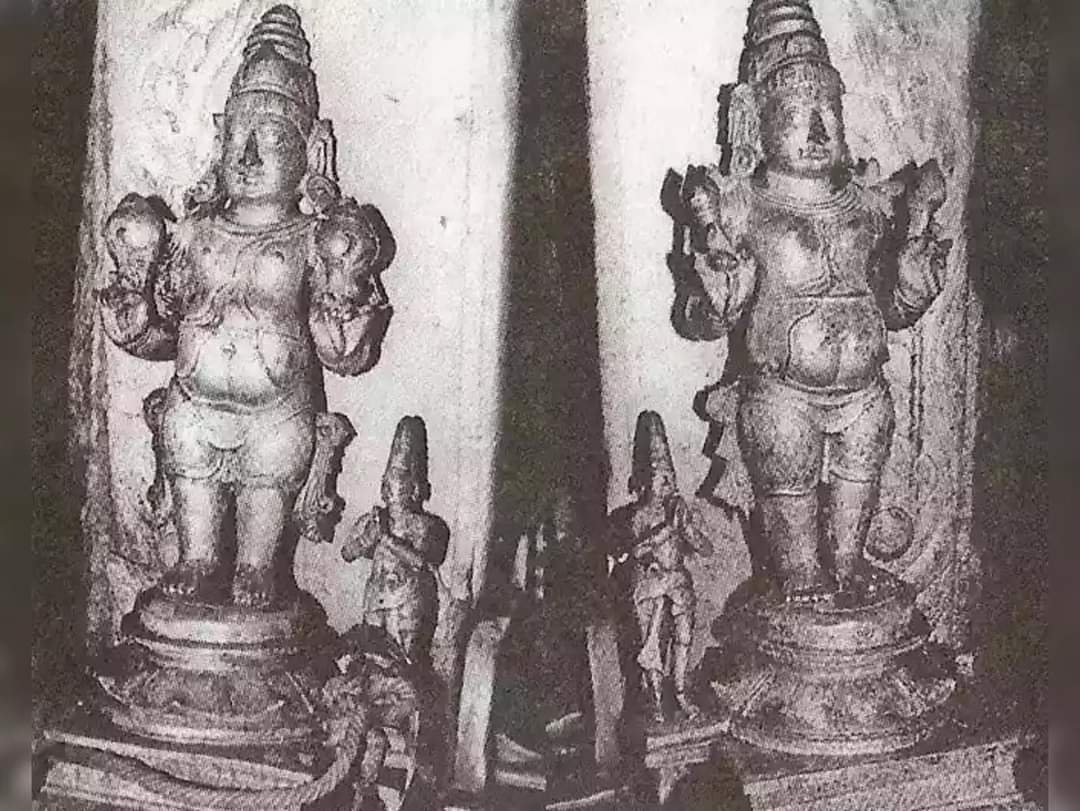



#ArudraDarisanam
Unique Natarajar made of emerlad is abt 6 feet tall.
It is always covered with sandal paste.Only on Thriuvadhirai Star in month Margazhi-Nataraja can be worshipped without sandal paste.
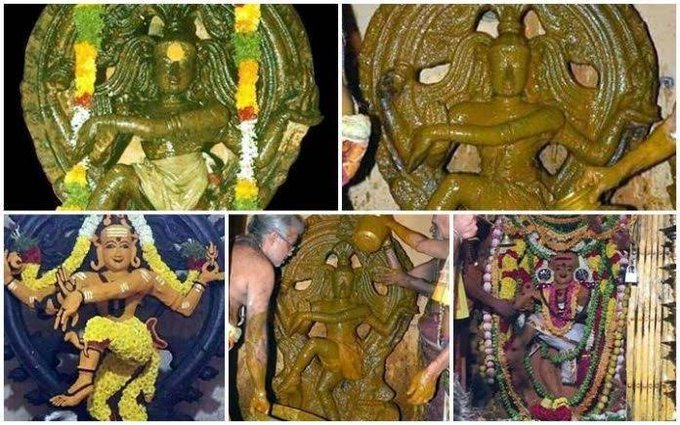
After removing the sandal paste,day long rituals & various abhishekam will be https://t.co/e1Ye8DrNWb day Maragatha Nataraja sannandhi will be closed after anointing the murthi with fresh sandal paste.Maragatha Natarajar is covered with sandal paste throughout the year
as Emerald has scientific property of its molecules getting disturbed when exposed to light/water/sound.This is an ancient Shiva temple considered to be 3000 years old -believed to be where Bhagwan Shiva gave Veda gyaana to Parvati Devi.This temple has some stunning sculptures.