Why digital advertising is broken and how we’re fixing it: (thread)

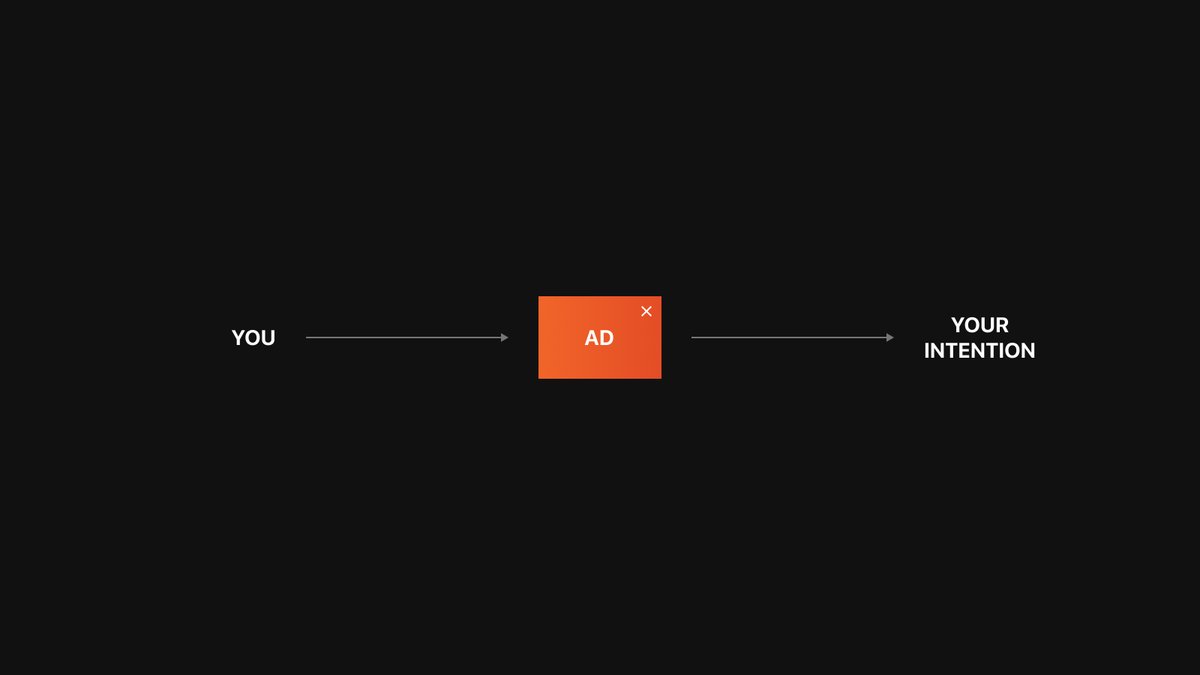
1/ Attention is a scarce asset. Yet, today’s advertising platforms are built on a model of interruption, forcing brands between you and your intention.
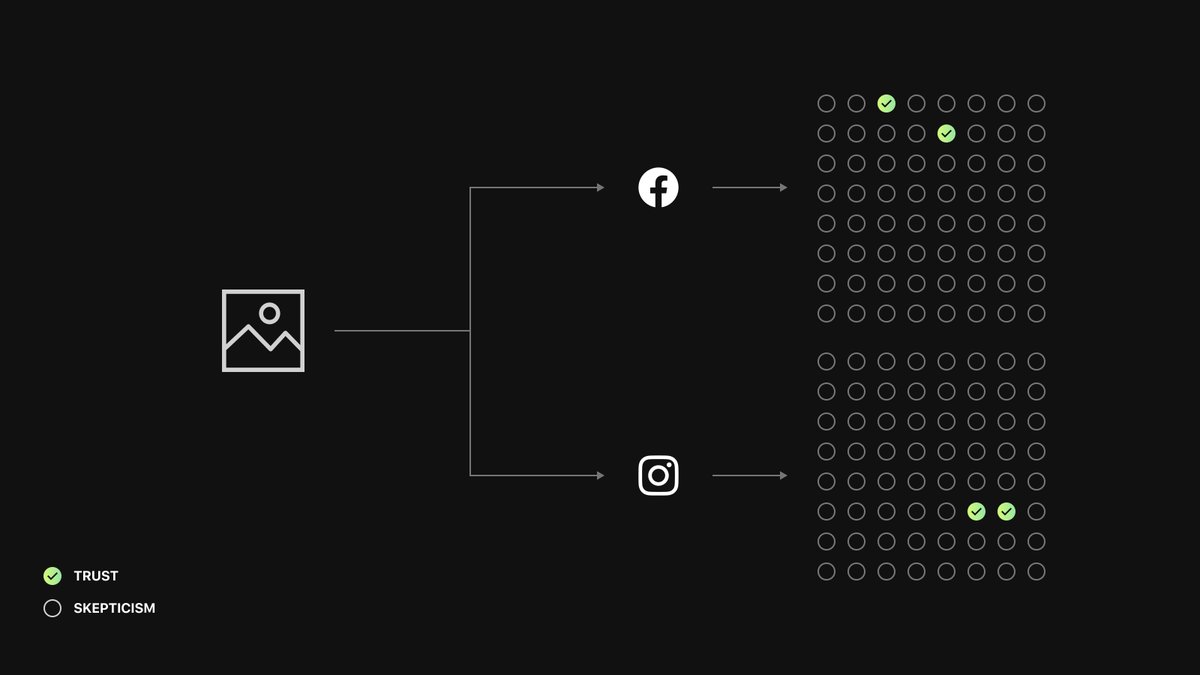
2/ Though ads are everywhere, people don’t trust them. Study after study shows, when you pay to reach people in an interruptive way, less than 5% pay attention.
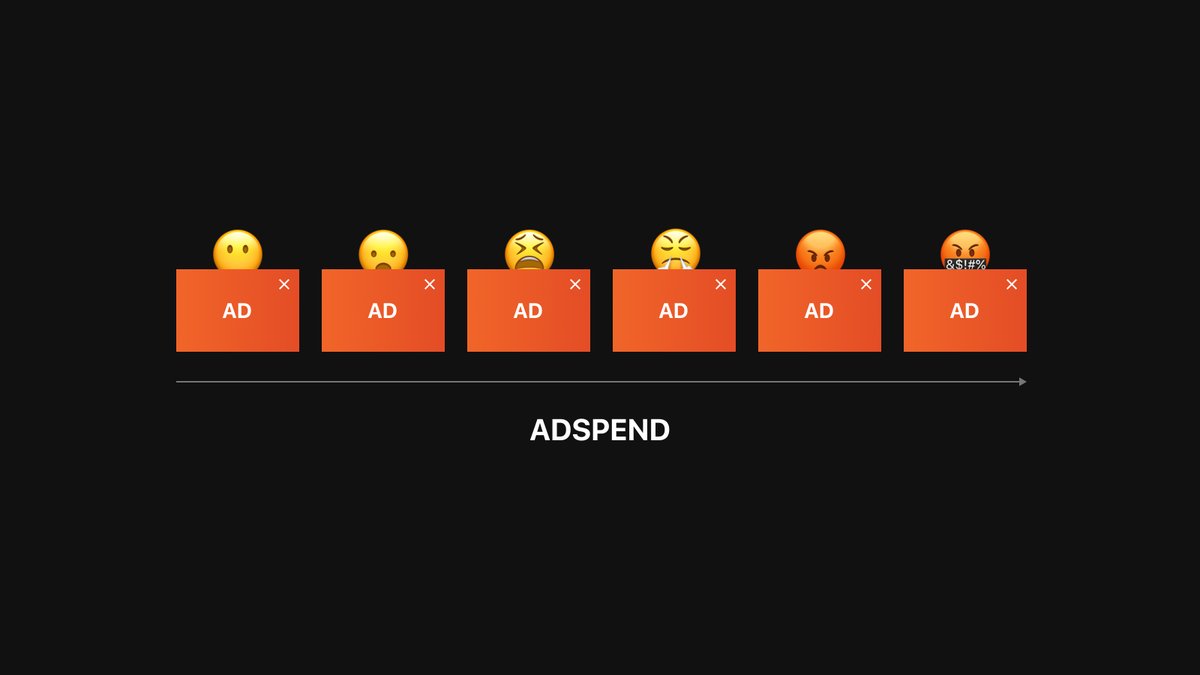
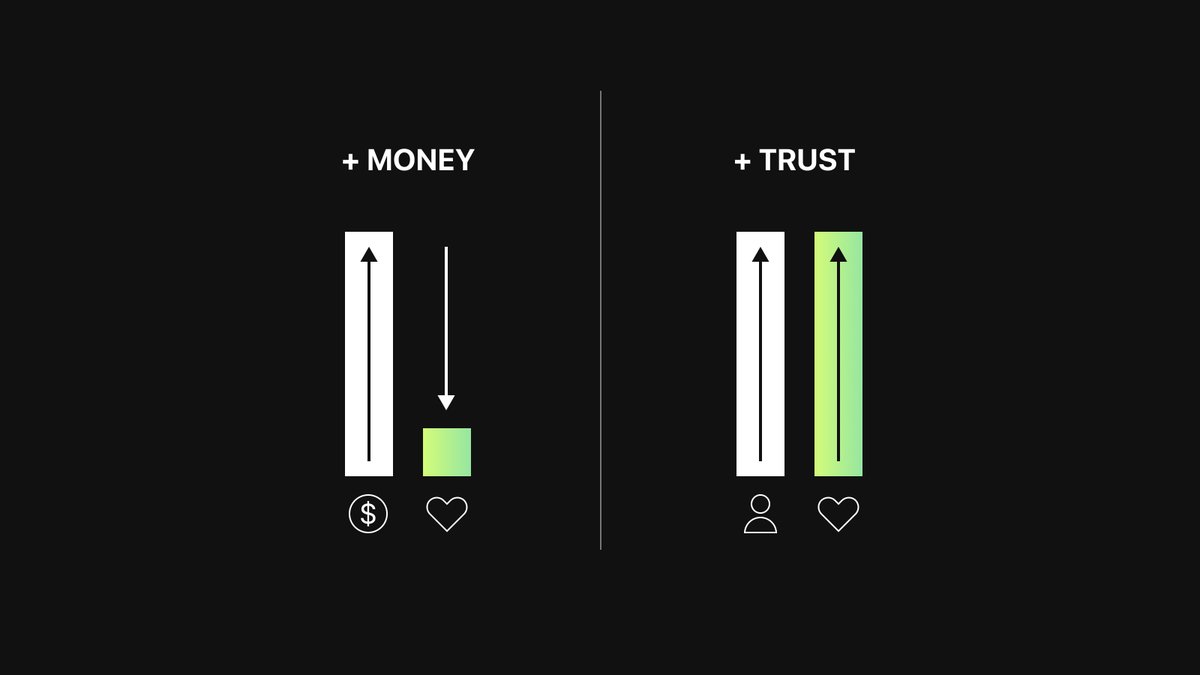
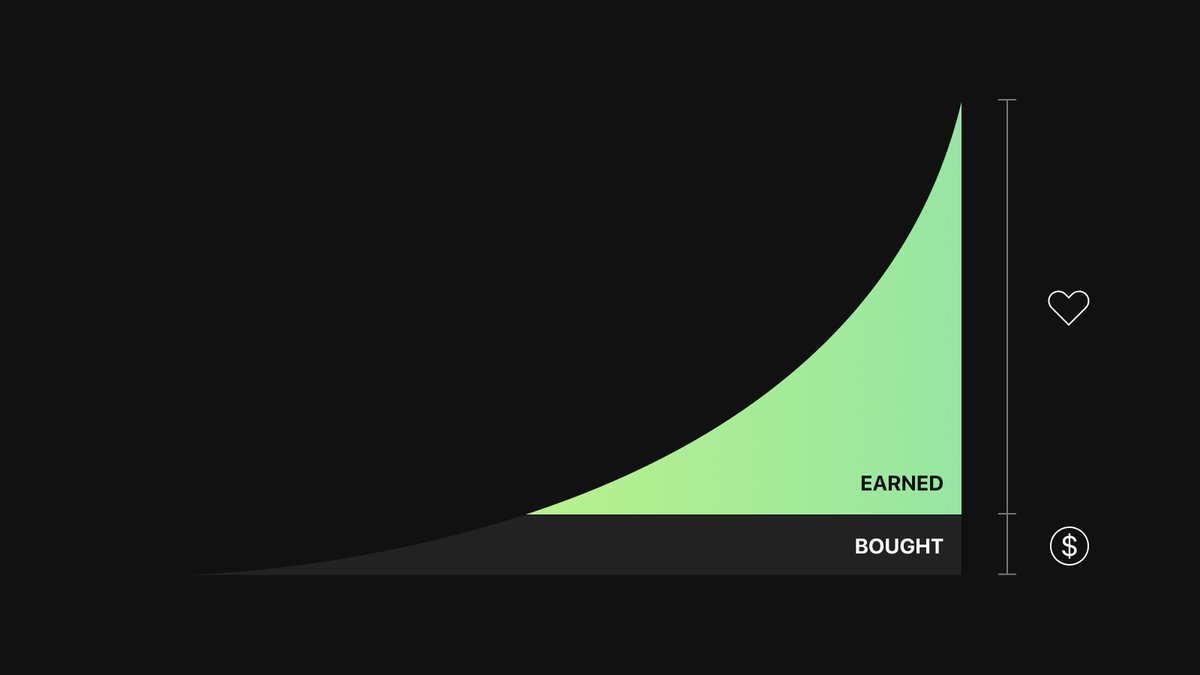
3/ In today’s interruption-based ad model, the more money you spend, the more people you annoy. Advertisers are trying to solve this problem by spending more money and showing more ads but that only makes it worse.
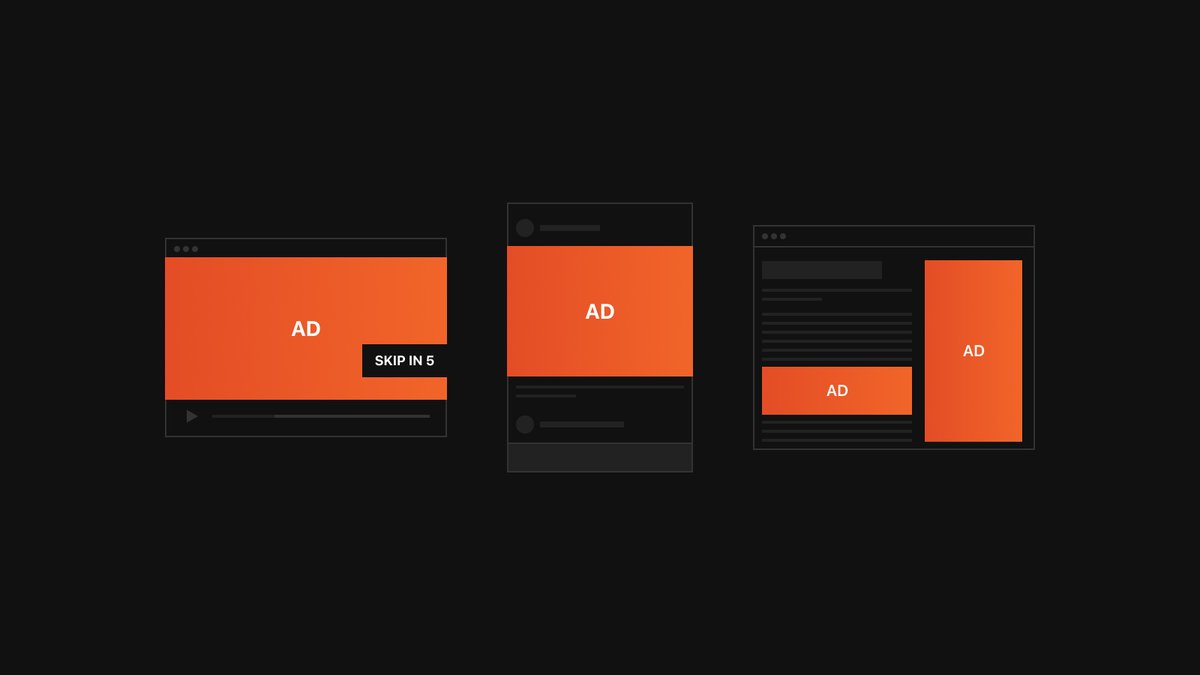
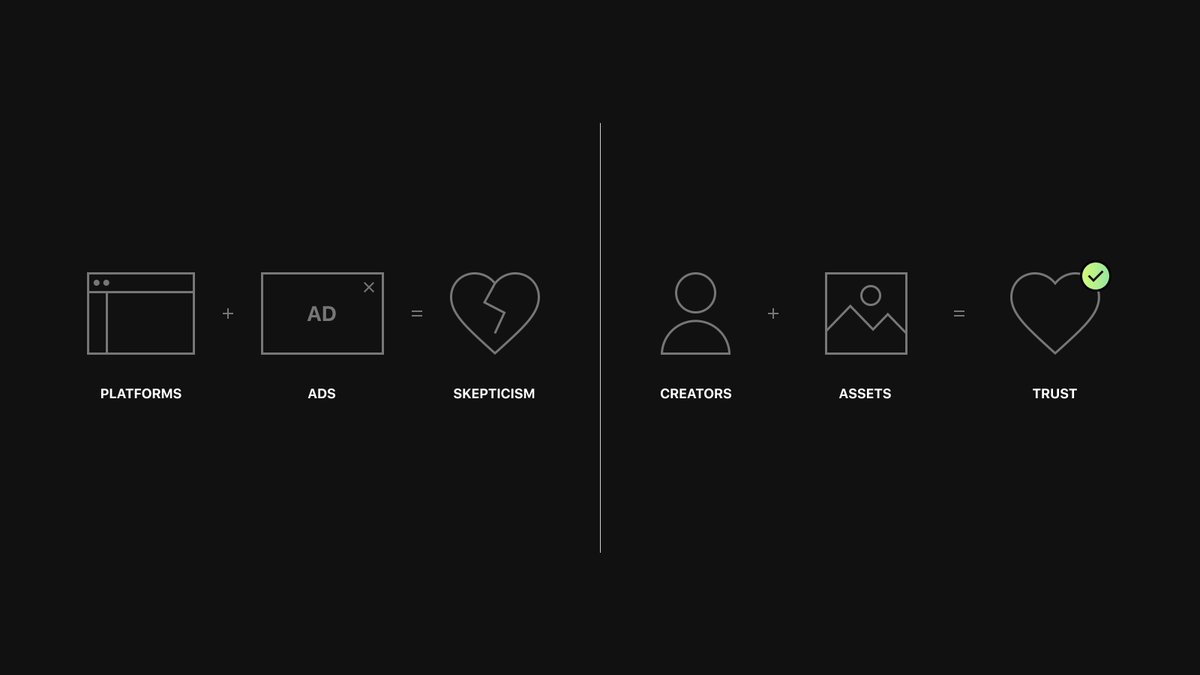
4/ Ads interrupt us everywhere, leading to more people tuning them out. This is not a content problem. This is not a targeting problem. It’s a context problem.
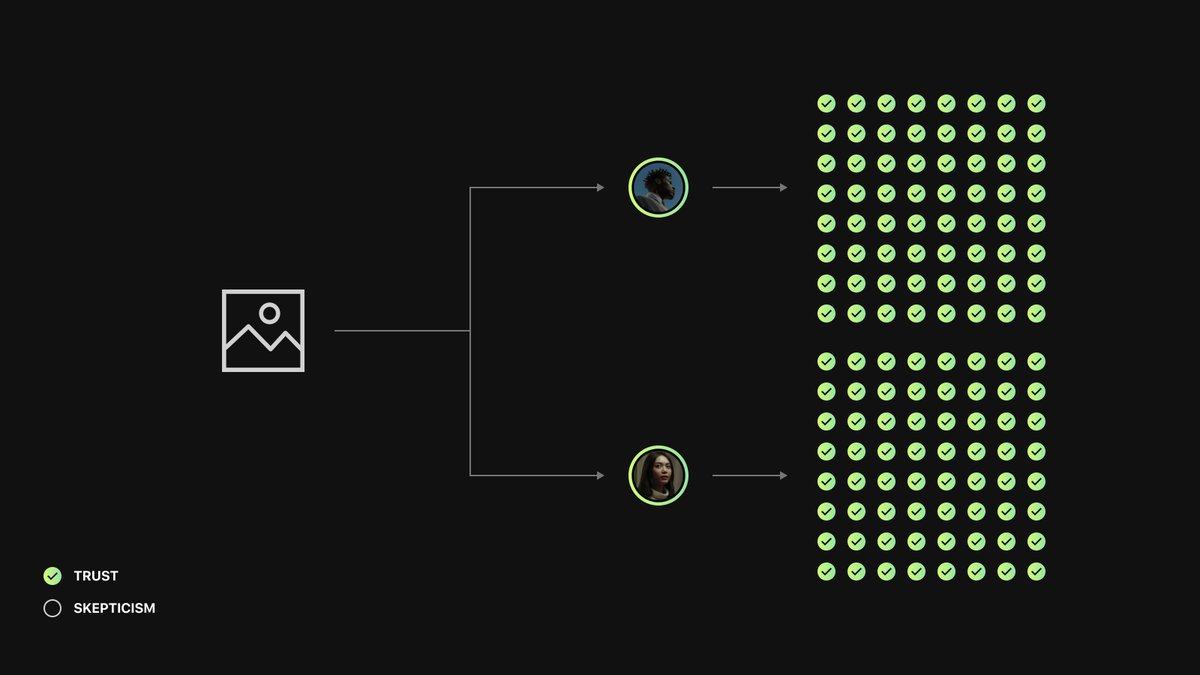
5/ People don’t trust ads. People trust people. Brands don’t need more ads. They need more people sharing them in trusted contexts.
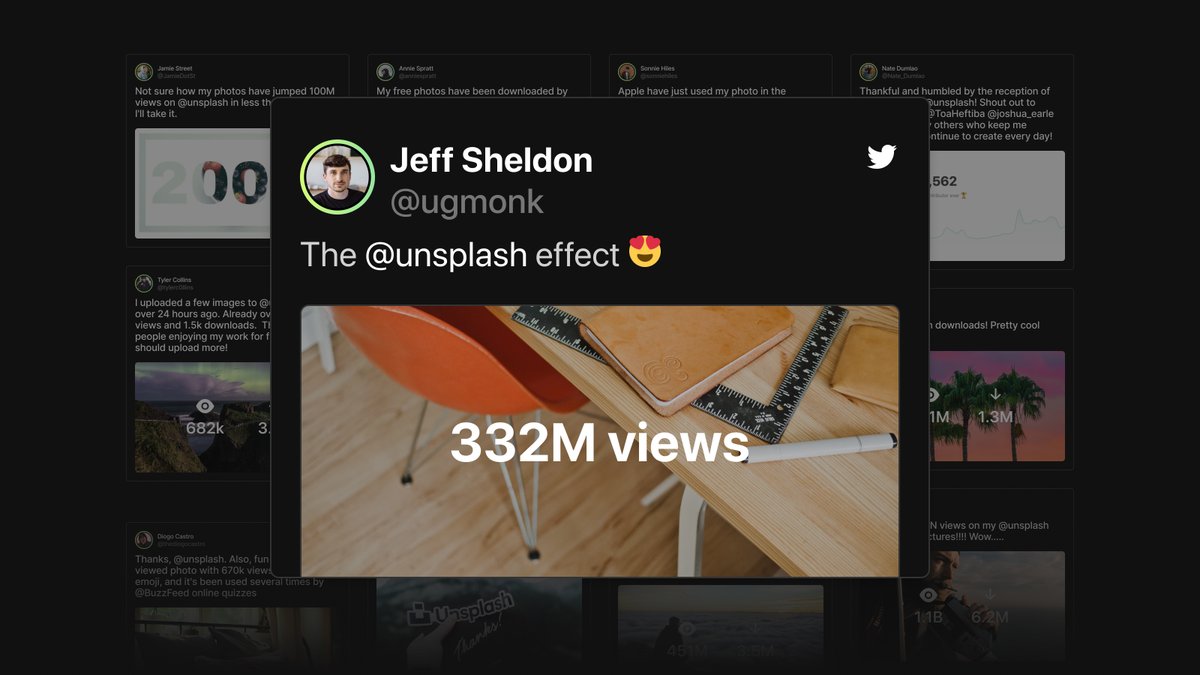
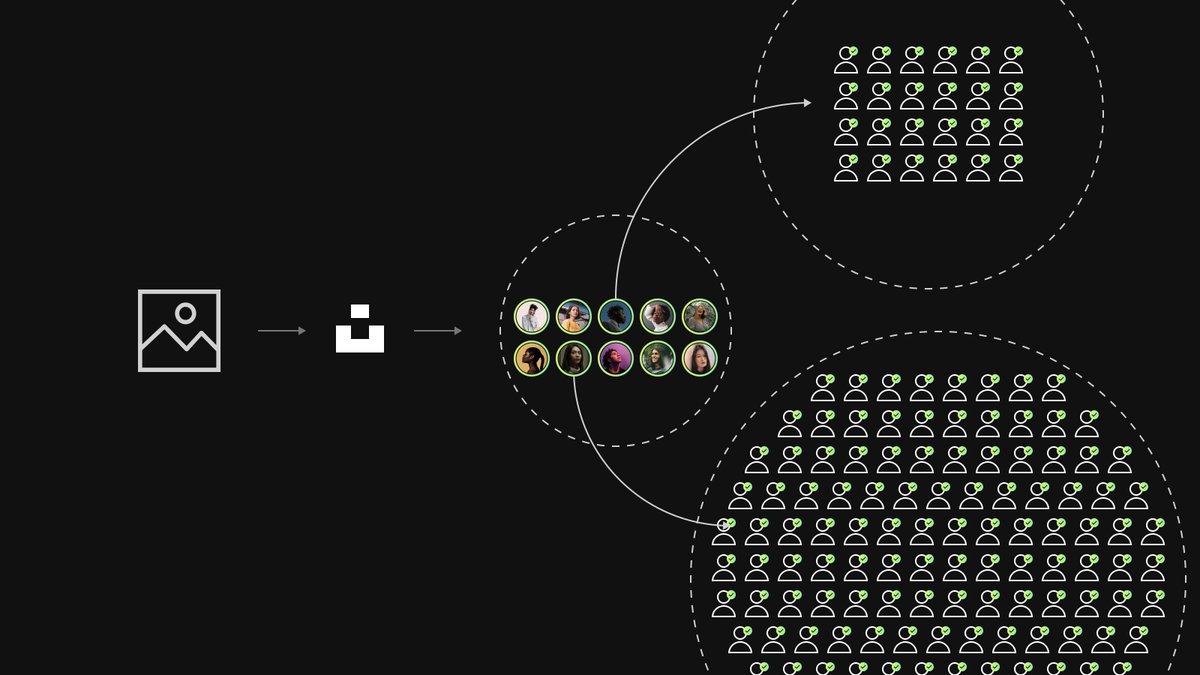
6/ By making images available for open use, Unsplash has become the primary source for visuals on the internet. Images on Unsplash are regularly seen more than the frontpage of The New York Times.
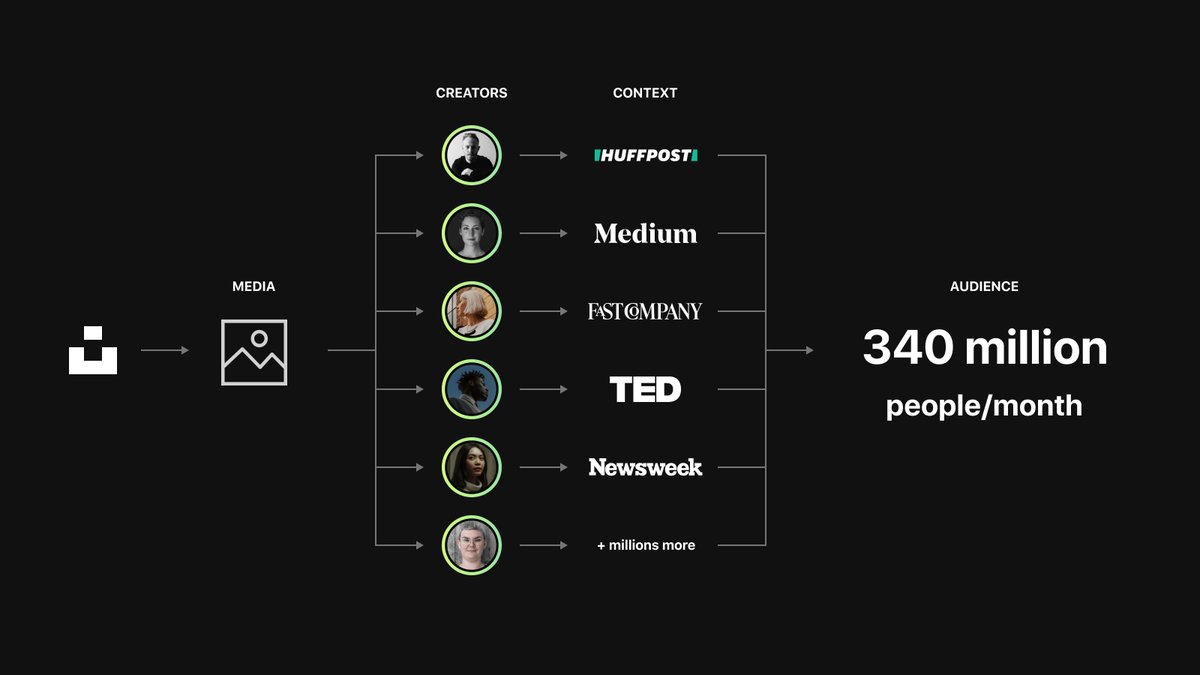
7/ Unsplash puts your content in the hands of people, the creators of the internet. They add context by sharing your visuals with their audiences as part of their content.
8/ When content is leveraged by choice and embedded in a trusted context, it is no longer tuned out.
9/ When your content is made available for use in a platform where all the creators go, reach compounds exponentially. Initially, you reach all the creators. Then, with their networks, you reach the entire internet.
10/ Through this mechanism, your content organically spreads across the internet reinforcing your message.
11/ The attention of devoted audiences can't be bought. It can only be earned by brands that stop trying to take value and start trying to add it instead.

more: https://t.co/3XBXuCOE0K

More from Marketing

The emergence of many new hypocrisies typically heralds an emerging new cultural synthesis.

Are you disturbed that you agree with one of those viewpoints? Or perhaps that other people you respect do?

1/x


Let me offer a framework for thinking about things like this, something called an “Omega Event.”

It was first described to me by Erik Martin, one of Reddit's first community managers:

In governance, Omega Events exist due to the fact that no system of beliefs, no worldview, no set of rules, can account for everything that will ever happen.

Eventually someone (or some group) will do something that lies outside the scope of all existing rules, and you will have to make decisions again from first principles.

Sometimes the Omega Event emerges from the confluence of many unrelated factors. When it does, it is wholly different from anything you’ve encountered.
Reading this article, the story sounds pretty wild. But I spent a weird amount of time with Martin Shkreli, and I’m not surprised the journalist fell in love w him

A few years back my team built an app called Blab. It was like clubhouse before clubhouse.


When he first joined the app I had no idea who he was. I just saw that his live streams instantly had 3-4K viewers. More than anyone on our tiny platform.

I googled him and it came up: “Martin Shkreli, most hated man in America”

I assumed he was bad news

And he was... but also he wasn’t.

He was a douchebag, but he was in on the joke. He was a dick, but he was also very entertaining.

In the mornings he would live stream himself analyzing stocks or walking through drug discovery pathways.

In the afternoon he’d let people call in and debate him live on air. A CNN reporter tried to get him to go on TV, he refused, and said debate me here on Blab, no edits, no tv time limits.

At night he’d host late night convos - and eventually fall asleep on cam

The guy was a pain in the ass but man he drove traffic.

We had big celebs like Tony Robbins, the Jonas brothers etc... he outperformed them all.

At one point he was bringing in 100k users per month directly to his channel. And Bc he was so entertaining, they stuck.

You May Also Like