
THE JOURNEY OF SOUL FROM MRITYULOK TO PARLOK.
There is a definite similarity between activities in Universe and the functioning of our body. There is a link between what we eat and what we become.But one thing is the most definite and that is death. All are born to die.

As soon as death occurs our physical body is useless.
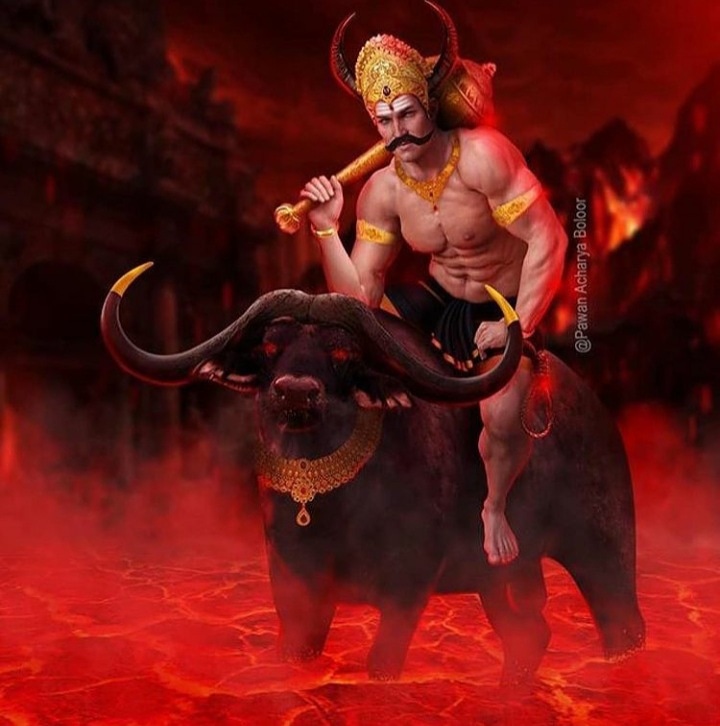
The Yamdoots forcefully tie and carry you. The path is torturous just like a burning furnace with stones and pebbles around.
On reaching Yamlok and in the presence of Yamraj, the sinner sees him as a frightening and evil person whereas the virtuous notice the opposite.
This all depends on the data produced by Chitragupt( https://t.co/3ulU3gcNwi ) to Yamraj.
I have posted in other social media channels too👇
Instagram link👇
https://t.co/sCLWgdYPjS
Facebook link👇
https://t.co/wAFqTPxWCZ
Source - Skanda Puran only
https://t.co/XGU8m4zzqz
If you liked my video then kindly subscribe 🙏🏻
https://t.co/JbX1TtNvnK
#\u092e\u0943\u0924\u094d\u092f\u0941_\u0915\u0947_\u092c\u093e\u0926_\u0915\u093e_\u091c\u0940\u0935\u0928
— \u092a\u0902\u0921\u093f\u0924 \u0935\u093f\u0936\u093e\u0932 \u0936\u094d\u0930\u094b\u0924\u094d\u0930\u093f\u092f (@VishalS50533075) January 19, 2021
\u092c\u094d\u0930\u0939\u094d\u092e\u093e\u0902\u0921 \u092e\u0947\u0902 \u0917\u0924\u093f\u0935\u093f\u0927\u093f\u092f\u094b\u0902 \u0914\u0930 \u0939\u092e\u093e\u0930\u0947 \u0936\u0930\u0940\u0930 \u0915\u0947 \u0915\u093e\u092e\u0915\u093e\u091c \u0915\u0947 \u092c\u0940\u091a \u090f\u0915 \u0928\u093f\u0936\u094d\u091a\u093f\u0924 \u0938\u092e\u093e\u0928\u0924\u093e \u0939\u0948\u0964 \u0939\u092e \u0915\u094d\u092f\u093e \u0916\u093e\u0924\u0947 \u0939\u0948\u0902 \u0914\u0930 \u0939\u092e \u0915\u094d\u092f\u093e \u092c\u0928\u0924\u0947 \u0939\u0948\u0902, \u0915\u0947 \u092c\u0940\u091a \u090f\u0915 \u0915\u0921\u093c\u0940 \u0939\u0948\u0964 \u0932\u0947\u0915\u093f\u0928 \u090f\u0915 \u092c\u093e\u0924 \u0938\u092c\u0938\u0947 \u0928\u093f\u0936\u094d\u091a\u093f\u0924 \u0939\u0948 \u0914\u0930 \u0935\u0939 \u0939\u0948 \u092e\u0943\u0924\u094d\u092f\u0941\u0964 \u0938\u092d\u0940 \u092e\u0930\u0928\u0947 \u0915\u0947 \u0932\u093f\u090f \u092a\u0948\u0926\u093e \u0939\u0941\u090f \u0939\u0948\u0902\u0964 pic.twitter.com/BjgahI6Cey
More from Anshul Pandey
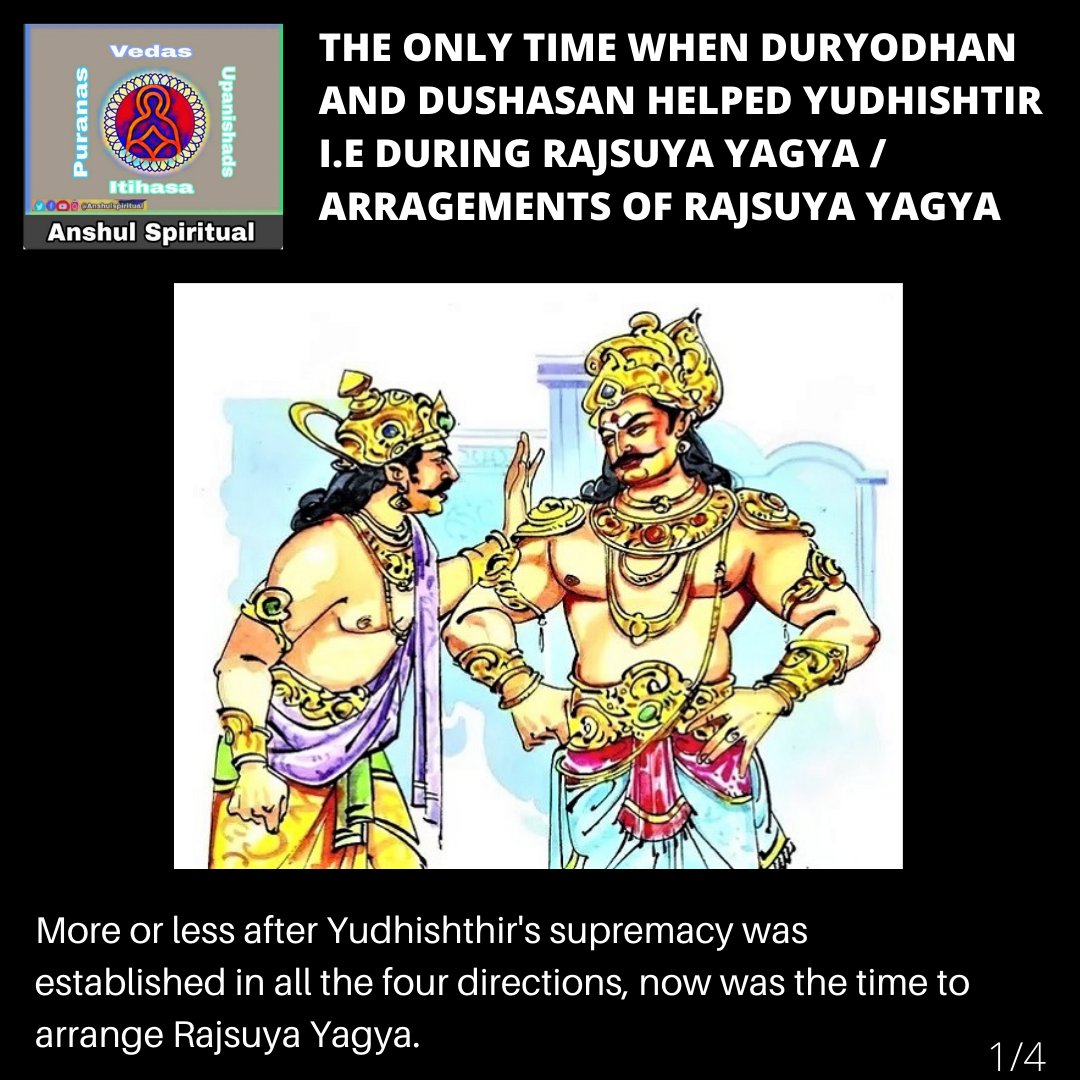
THE ONLY TIME WHEN DURYODHAN AND DUSHASAN HELPED YUDHISHTIR I.E DURING RAJSUYA YAGYA / ARRAGEMENTS OF RAJSUYA YAGYA!!
https://t.co/64r7BmTN6N
https://t.co/vwg4NFMYgy
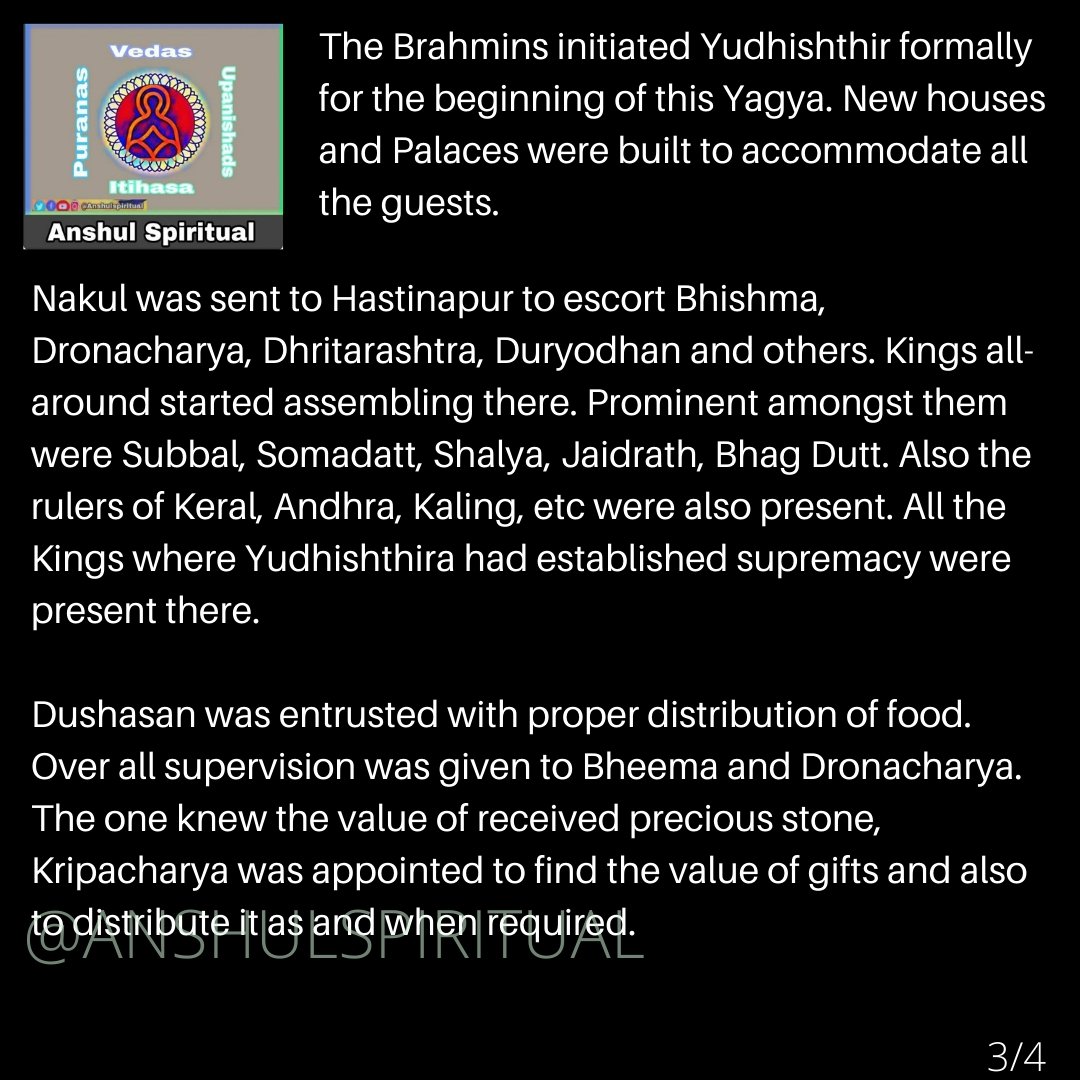
https://t.co/CtFXR0TNrx

Instagram link👇
https://t.co/0E8eGSiUmr
Facebook link👇
https://t.co/j1XLUq4oBM
#InspiredBySwamiAnjaninandanDass
#MahabharatPositivity - Sabha Parva
https://t.co/64r7BmTN6N
https://t.co/vwg4NFMYgy
https://t.co/CtFXR0TNrx
Instagram link👇
https://t.co/0E8eGSiUmr
Facebook link👇
https://t.co/j1XLUq4oBM
#InspiredBySwamiAnjaninandanDass
#MahabharatPositivity - Sabha Parva


More from Life

How to get smarter very fast:
Interact with smart people here on Twitter who have different world-views than you do.
And let them change your mind on something.
Here are the 30 people you should follow (along with my favorite tweet from each)👇👇
Twitter can be terrible if you follow negative people.
It can also be more valuable than a college degree if you follow (and network with) the right people.
You get to look right into their brain and read a daily narrative of HOW they think.
Ok lets go:
#1: @ShaanVP
You know he's all about venture capital based entrepreneurship. I'm about small (non-sexy) business. We disagree on a lot of stuff.
But he's done it and he's won. Bonus follow: @theSamParr (@myfirstmilpod podcast
#2: @fortworthchris
He is where I want to be in 15 years. Has built a massive real estate private equity firm from the ground up. Super grounded with what the way he does business and his podcast @theFORTpodcast is top
#3: @Julian
I'm a scattered thinker and procrastinator.
Julian is a master of clear thinking and simple but effective writing. A world class example of content marketing and
Interact with smart people here on Twitter who have different world-views than you do.
And let them change your mind on something.
Here are the 30 people you should follow (along with my favorite tweet from each)👇👇
Twitter can be terrible if you follow negative people.
It can also be more valuable than a college degree if you follow (and network with) the right people.
You get to look right into their brain and read a daily narrative of HOW they think.
Ok lets go:
#1: @ShaanVP
You know he's all about venture capital based entrepreneurship. I'm about small (non-sexy) business. We disagree on a lot of stuff.
But he's done it and he's won. Bonus follow: @theSamParr (@myfirstmilpod podcast
10 years ago, Netflix spent $0 on original content.
— Shaan Puri (@ShaanVP) January 14, 2021
This year:
Netflix: $11B
Apple: $6B
Disney: $1B
+ amazon, hulu HBO etc.
=
$20B+
Here's a crazy startup idea to take a swing at this $20B+ content pi\xf1ata. \U0001f447 Here's a quick business plan \U0001f914
#2: @fortworthchris
He is where I want to be in 15 years. Has built a massive real estate private equity firm from the ground up. Super grounded with what the way he does business and his podcast @theFORTpodcast is top
When buying a deal, every day that goes by, the potential for tunnel vision grows.
— Chris Powers (@fortworthchris) January 7, 2021
Obsessing over executing detailed Due Diligence early and efficiently is paramount to limiting this.
#3: @Julian
I'm a scattered thinker and procrastinator.
Julian is a master of clear thinking and simple but effective writing. A world class example of content marketing and
THREAD: 10 significant lies you're told about the world.
— Julian Shapiro (@Julian) January 9, 2021
On startups, writing, and your career:


You May Also Like








Trump is gonna let the Mueller investigation end all on it's own. It's obvious. All the hysteria of the past 2 weeks about his supposed impending firing of Mueller was a distraction. He was never going to fire Mueller and he's not going to
Mueller's officially end his investigation all on his own and he's gonna say he found no evidence of Trump campaign/Russian collusion during the 2016 election.
Democrats & DNC Media are going to LITERALLY have nothing coherent to say in response to that.
Mueller's team was 100% partisan.
That's why it's brilliant. NOBODY will be able to claim this team of partisan Democrats didn't go the EXTRA 20 MILES looking for ANY evidence they could find of Trump campaign/Russian collusion during the 2016 election
They looked high.
They looked low.
They looked underneath every rock, behind every tree, into every bush.
And they found...NOTHING.
Those saying Mueller will file obstruction charges against Trump: laughable.
What documents did Trump tell the Mueller team it couldn't have? What witnesses were withheld and never interviewed?
THERE WEREN'T ANY.
Mueller got full 100% cooperation as the record will show.
BREAKING: President Donald Trump has submitted his answers to questions from special counsel Robert Mueller
— Ryan Saavedra (@RealSaavedra) November 20, 2018
Mueller's officially end his investigation all on his own and he's gonna say he found no evidence of Trump campaign/Russian collusion during the 2016 election.
Democrats & DNC Media are going to LITERALLY have nothing coherent to say in response to that.
Mueller's team was 100% partisan.
That's why it's brilliant. NOBODY will be able to claim this team of partisan Democrats didn't go the EXTRA 20 MILES looking for ANY evidence they could find of Trump campaign/Russian collusion during the 2016 election
They looked high.
They looked low.
They looked underneath every rock, behind every tree, into every bush.
And they found...NOTHING.
Those saying Mueller will file obstruction charges against Trump: laughable.
What documents did Trump tell the Mueller team it couldn't have? What witnesses were withheld and never interviewed?
THERE WEREN'T ANY.
Mueller got full 100% cooperation as the record will show.

