Use these 6 AI websites to finish hours of work in minutes (take a look):

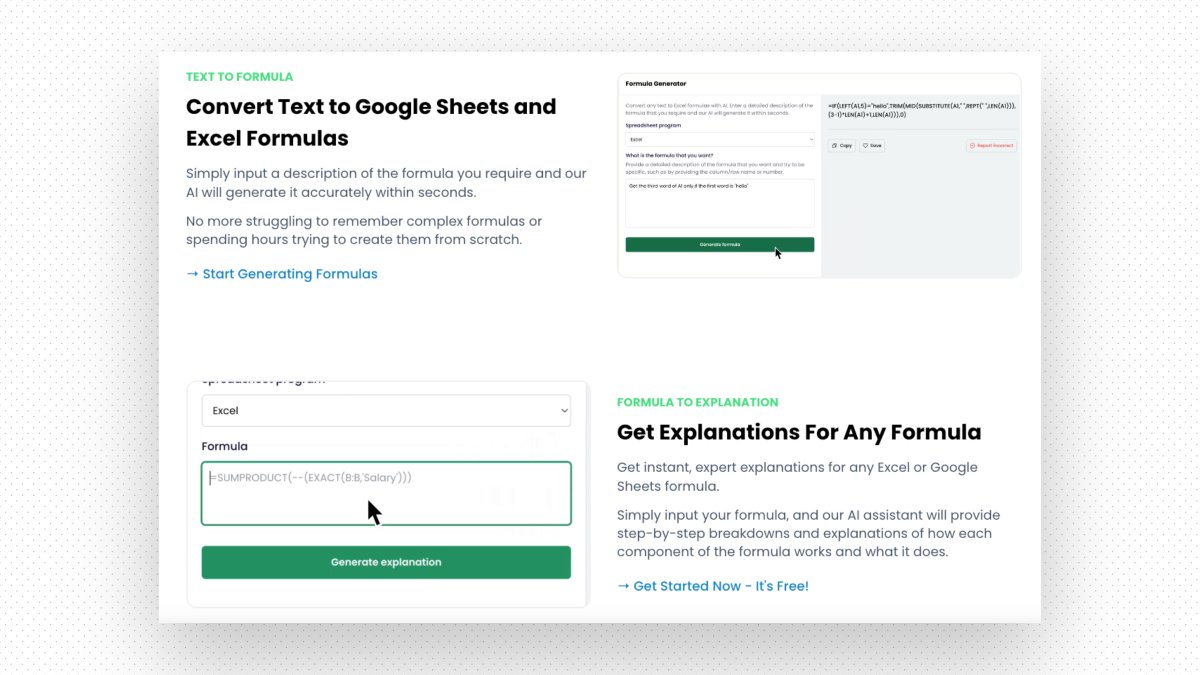
1. Sheet+

Become a spreadsheet master with Sheet+ AI-powered tools.

• Convert text to formula
• Convert formula to explanation
• Debug formulas
• Generate VBA code
• Get instant answers to any spreadsheet question

🔗 https://t.co/fWsAeKa6ko
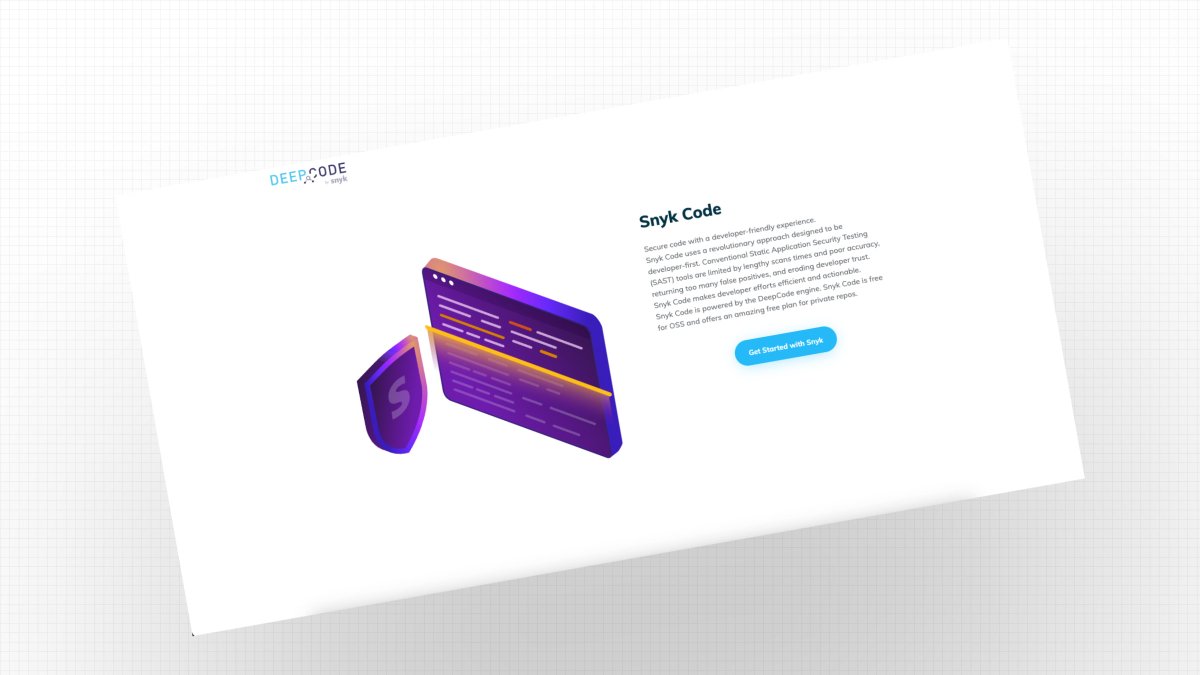
2. DeepCode

DeepCode's AI-based code review notifies you about critical bugs in real time and shows you how to fix them.

🔗 https://t.co/dPTPq9syoy
3. Akkio

Grow your business with data-driven decisions.

Go from data to AI in 10 minutes — no code or data science skills required.

🔗 https://t.co/I29FIHDIs0
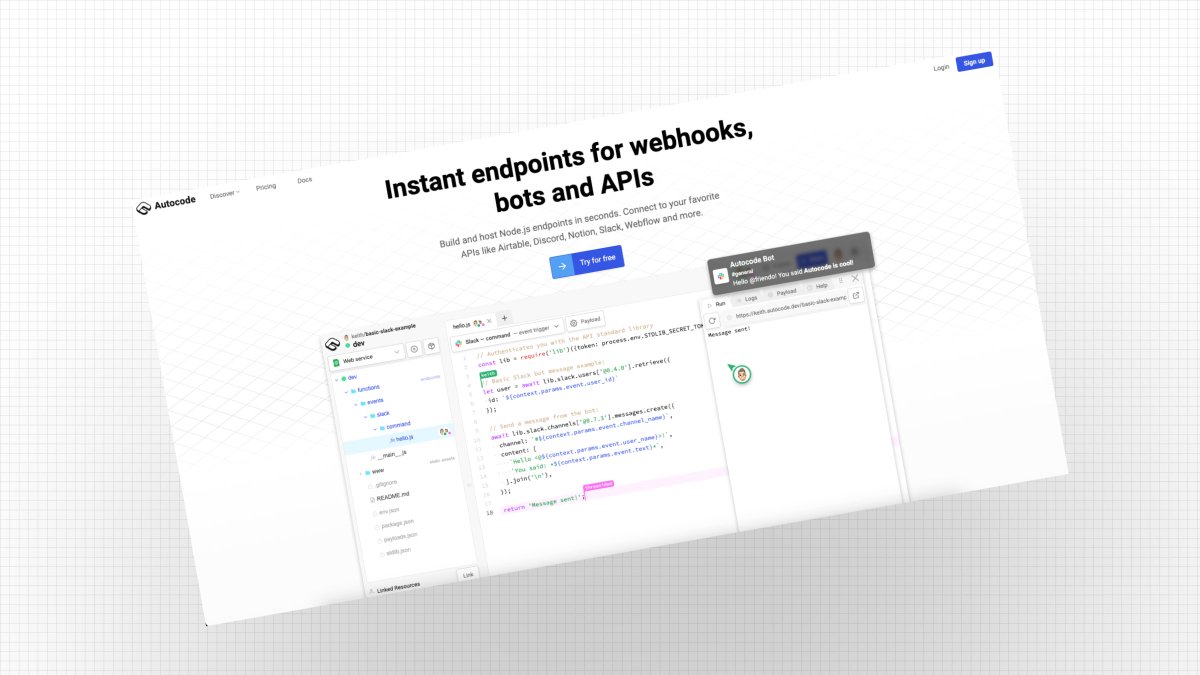
4. Autocode

Instant endpoints for webhooks, bots, and APIs.

Build and host Node.js endpoints in seconds.

Connect to your favorite APIs like Airtable, Discord, Notion, Slack, Webflow, and more.

🔗 https://t.co/uQZB0NCHJT
5. OpenAI Codex

AI system that translates natural language to code.

For example, "make a red ball bounce around the screen"

🔗 https://t.co/RzJkruQBv2
6. DeepOpinion

All in one platform to build enterprise-grade AI automation for text and document processes, without code.

🔗 https://t.co/RzLCMCZZ26
That's all for this thread! Check out more excellent content at @Prathkum.

More from Pratham

5 best color palette for every web developer and designer 🎨

🧵👇


1. Color hunt

- Color Hunt is a free and open platform for color inspiration with thousands of trendy hand- picked color palettes

🖇️
https://t.co/xR0FVTjK0L


2. Adobe color wheel

Explore and create accessible color palettes using color wheel, in variety of color variations and contrast levels. It will tell you automatically if two colors are not accessible

🖇️ https://t.co/ndsgBauTEc


3. Palette Ninja

Palette ninja is an online color scheme generator that allows you to create harmonious color schemes in seconds

🖇️ https://t.co/cuzP21tn2Z


4. My color space

Here you can find the perfect matching color scheme for your next project! Generate nice color palettes, color gradients and much more! Your space for everything that has to do with color

🖇️ https://t.co/kmjrXOceAj

More from Learning

After reading 100s of short and long ebooks,

We have shortlisted these ebooks every no-code learner should read:

#1 The No-code Revolution

https://t.co/reOSvnTOs6

The ebook from @webflow will provide an overview of the no-code movement and its importance.

It also provides insights on bringing no-code to your company and how it will impact the world!

#2 Zero to MVP with No-code

https://t.co/7JD6RQvocZ

The book written by @MakadiaHarsh, with 21 chapters, provides a complete guide to building no-code apps.

It also explains the difference between no-code, code, & low-code, and 120+ tools to build MVPs.

#3 The What's, How's, and Why's of No-code

https://t.co/YH5L6pJrW0

This book from @QuixyOfficial provides insights on no-code development, how it's different from other development, and why it is essential for stakeholders of an organization.

#4 No-code Ebook

https://t.co/PV6M9oMZCF

The book developed by @NeotaLogic explains the importance of no-code and provides advice on selecting the correct no-code platforms according to requirements.

You May Also Like

A brief analysis and comparison of the CSS for Twitter's PWA vs Twitter's legacy desktop website. The difference is dramatic and I'll touch on some reasons why.

Legacy site *downloads* ~630 KB CSS per theme and writing direction.

6,769 rules
9,252 selectors
16.7k declarations
3,370 unique declarations
44 media queries
36 unique colors
50 unique background colors
46 unique font sizes
39 unique z-indices

https://t.co/qyl4Bt1i5x


PWA *incrementally generates* ~30 KB CSS that handles all themes and writing directions.

735 rules
740 selectors
757 declarations
730 unique declarations
0 media queries
11 unique colors
32 unique background colors
15 unique font sizes
7 unique z-indices

https://t.co/w7oNG5KUkJ


The legacy site's CSS is what happens when hundreds of people directly write CSS over many years. Specificity wars, redundancy, a house of cards that can't be fixed. The result is extremely inefficient and error-prone styling that punishes users and developers.

The PWA's CSS is generated on-demand by a JS framework that manages styles and outputs "atomic CSS". The framework can enforce strict constraints and perform optimisations, which is why the CSS is so much smaller and safer. Style conflicts and unbounded CSS growth are avoided.