
Where were we: Boaz Barak proposed a “law of nature” that if there is a physical device that can make a certain computation C, then there is a quantum circuit that computes C. 1/11
@boazbaraktcs @quantum_aram @AspectStalence @RosenblumSerge
4/11
@boazbaraktcs @quantum_aram
11/11
More from Law



1/ After a good night's sleep, I have a few thoughts on the impending Ripple lawsuit.
Less schadenfreude, more "what now?" https://t.co/a0oTwblBHB
2/ First of all, the USG is going to lose.
I don't even need to read the complaint. They might force a settlement, but they're outclassed on legal.
Remember Ripple engaged former SEC Chair Mary Jo White in a civil matter in 2018. A hint of their
3/ Second, the USG should lose.
The SEC restrictions on non-accredited investors; the ridiculous Howey test; 80 year old securities law like the "40 Act" all need to die in fire. They are un-American and completely outdated.
I hope Ripple wins. (WUT?)
4/ Third, it's incumbent upon industry to self-police and hold the moral high ground.
I give certain individuals A's and others F's, but as a whole, the most powerful people and companies generally take a Swiss neutrality stance on assets.
So we're effectively in this together.
5/ We're "in this together" to draw lines of regulatory demarcation.
XRP as a "security" further hurts the U.S. businesses while global comps will continue to make these markets.
XRP as a security also means other assets will meet the same fate. At least Ripple has $ to fight.
Less schadenfreude, more "what now?" https://t.co/a0oTwblBHB
BREAKING: The @SEC_News intends to sue @ripple over its sale of XRP, alleging the cryptocurrency is an unregistered security according to @bgarlinghouse.@nikhileshde reportshttps://t.co/7Z3KSWk7dn
— CoinDesk (@CoinDesk) December 22, 2020
2/ First of all, the USG is going to lose.
I don't even need to read the complaint. They might force a settlement, but they're outclassed on legal.
Remember Ripple engaged former SEC Chair Mary Jo White in a civil matter in 2018. A hint of their
3/ Second, the USG should lose.
The SEC restrictions on non-accredited investors; the ridiculous Howey test; 80 year old securities law like the "40 Act" all need to die in fire. They are un-American and completely outdated.
I hope Ripple wins. (WUT?)
4/ Third, it's incumbent upon industry to self-police and hold the moral high ground.
I give certain individuals A's and others F's, but as a whole, the most powerful people and companies generally take a Swiss neutrality stance on assets.
So we're effectively in this together.
5/ We're "in this together" to draw lines of regulatory demarcation.
XRP as a "security" further hurts the U.S. businesses while global comps will continue to make these markets.
XRP as a security also means other assets will meet the same fate. At least Ripple has $ to fight.



You May Also Like





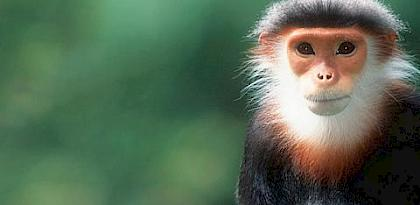
Tip from the Monkey
Pangolins, September 2019 and PLA are the key to this mystery
Stay Tuned!

1. Yang
2. A jacobin capuchin dangling a flagellin pangolin on a javelin while playing a mandolin and strangling a mannequin on a paladin's palanquin, said Saladin
More to come tomorrow!
3. Yigang Tong
https://t.co/CYtqYorhzH
Archived: https://t.co/ncz5ruwE2W
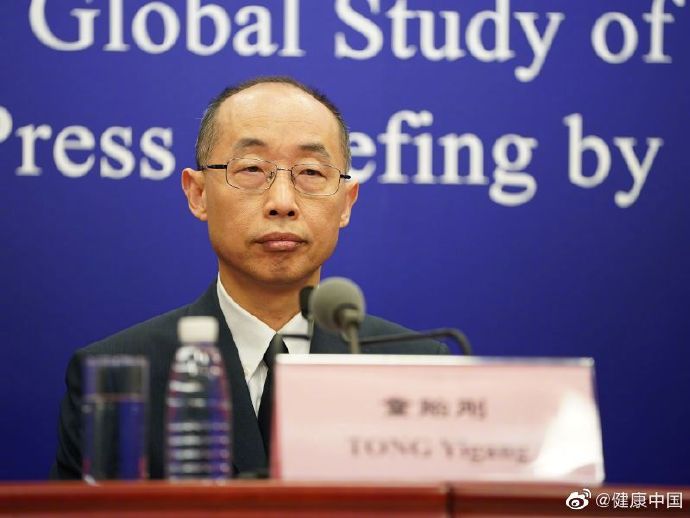
4. YT Interview
Some bats & pangolins carry viruses related with SARS-CoV-2, found in SE Asia and in Yunnan, & the pangolins carrying SARS-CoV-2 related viruses were smuggled from SE Asia, so there is a possibility that SARS-CoV-2 were coming from
Pangolins, September 2019 and PLA are the key to this mystery
Stay Tuned!
1. Yang
Meet Yang Ruifu, CCP's biological weapons expert https://t.co/JjB9TLEO95 via @Gnews202064
— Billy Bostickson \U0001f3f4\U0001f441&\U0001f441 \U0001f193 (@BillyBostickson) October 11, 2020
Interesting expose of China's top bioweapons expert who oversaw fake pangolin research
Paper 1: https://t.co/TrXESKLYmJ
Paper 2:https://t.co/9LSJTNCn3l
Pangolinhttps://t.co/2FUAzWyOcv pic.twitter.com/I2QMXgnkBJ
2. A jacobin capuchin dangling a flagellin pangolin on a javelin while playing a mandolin and strangling a mannequin on a paladin's palanquin, said Saladin
More to come tomorrow!
3. Yigang Tong
https://t.co/CYtqYorhzH
Archived: https://t.co/ncz5ruwE2W
4. YT Interview
Some bats & pangolins carry viruses related with SARS-CoV-2, found in SE Asia and in Yunnan, & the pangolins carrying SARS-CoV-2 related viruses were smuggled from SE Asia, so there is a possibility that SARS-CoV-2 were coming from

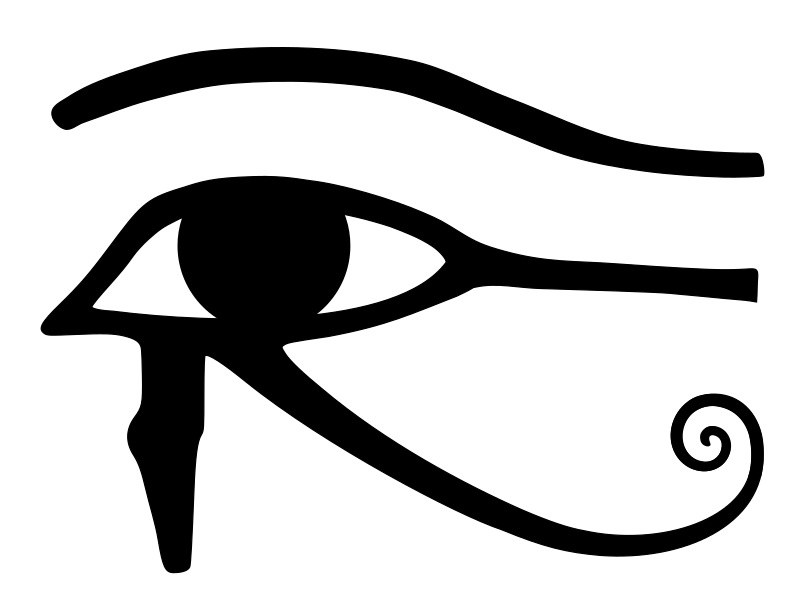
The Eye of Horus. 1/*
I believe that @ripple_crippler and @looP_rM311_7211 are the same person. I know, nobody believes that. 2/*
Today I want to prove that Mr Pool smile faces mean XRP and price increase. In Ripple_Crippler, previous to Mr Pool existence, smile faces were frequent. They were very similar to the ones Mr Pool posts. The eyes also were usually a couple of "x", in fact, XRP logo. 3/*

The smile XRP-eyed face also appears related to the Moon. XRP going to the Moon. 4/*
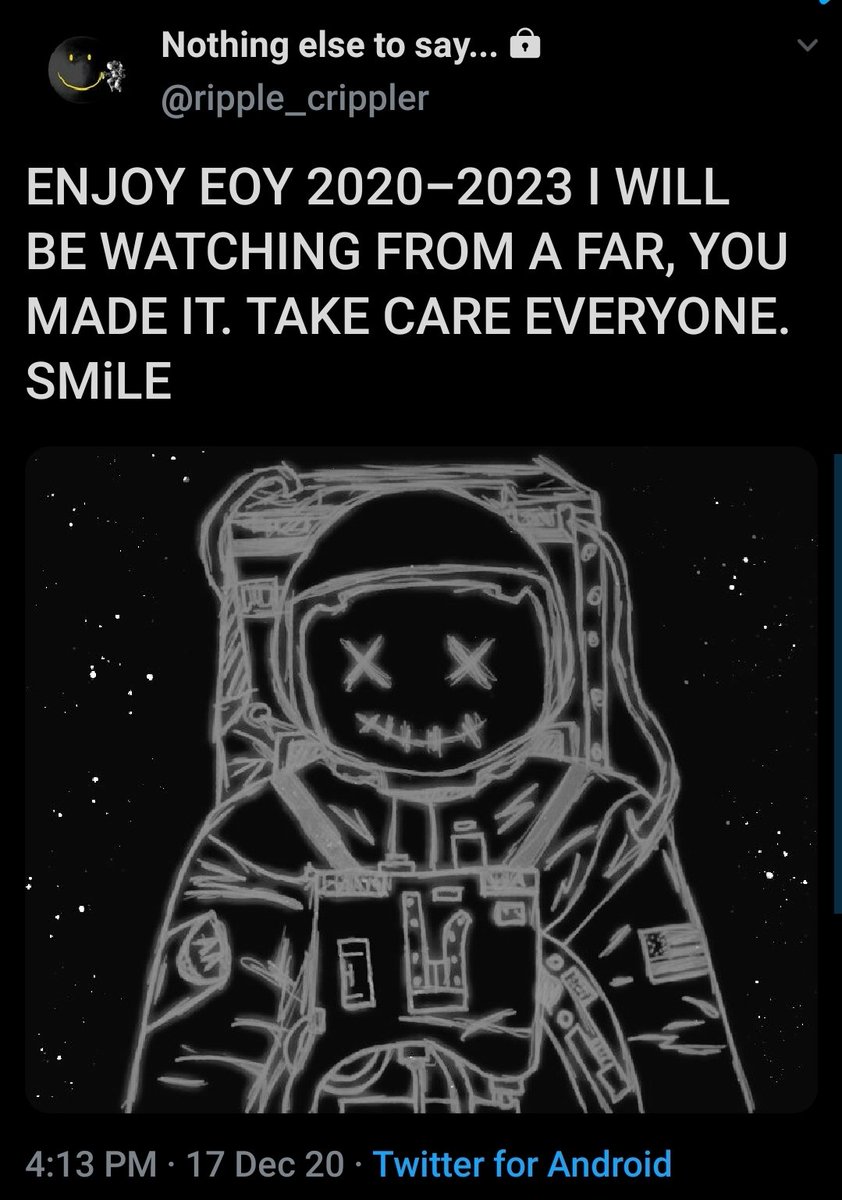
And smile XRP-eyed faces also appear related to Egypt. In particular, to the Eye of Horus. https://t.co/i4rRzuQ0gZ 5/*

I believe that @ripple_crippler and @looP_rM311_7211 are the same person. I know, nobody believes that. 2/*
Today I want to prove that Mr Pool smile faces mean XRP and price increase. In Ripple_Crippler, previous to Mr Pool existence, smile faces were frequent. They were very similar to the ones Mr Pool posts. The eyes also were usually a couple of "x", in fact, XRP logo. 3/*
The smile XRP-eyed face also appears related to the Moon. XRP going to the Moon. 4/*
And smile XRP-eyed faces also appear related to Egypt. In particular, to the Eye of Horus. https://t.co/i4rRzuQ0gZ 5/*
