https://t.co/MTx8OnAGZr
The Wisconsin case in the US Supreme Court is also
— Truth (@1foreverseeking) February 4, 2021
distributed for Conference on 02/19/2021!https://t.co/zkpTubcG1C
The Michigan case in the US Supreme Court originally filed by Sidney Powell and Lin Wood was just distributed today for Conference on 02/19/2021!
— Truth (@1foreverseeking) February 4, 2021
Feb 03 2021 DISTRIBUTED for Conference of 2/19/2021. https://t.co/jZO624pf7j
The Wisconsin case in the US Supreme Court is also
— Truth (@1foreverseeking) February 4, 2021
distributed for Conference on 02/19/2021!https://t.co/zkpTubcG1C
This Georgia case, originally filed by Lin Wood, is alo distributed for conference on February 21, 2021!https://t.co/l7j43v5pfD
— Truth (@1foreverseeking) February 4, 2021
This Arizona case is also distributed for conference on Febraury 21, 2021!https://t.co/56g1Fphg2l
— Truth (@1foreverseeking) February 4, 2021
Another Pennsylvania case distributed for conference February 21, 2021.
— Truth (@1foreverseeking) February 4, 2021
Filed by a Republican Congressman who lost his seat because PA Republican Legislature illegally created a mail in ballot law October, 2019, against the Constitution of PA.https://t.co/RYJE6ENZGk
In the Supreme Court of the United States
— Truth (@1foreverseeking) January 31, 2021
No. 20-845
DONALD J. TRUMP FOR PRESIDENT, INC.,
Petitioner,
v.
KATHY BOOCKVAR, SECRETARY OF PENNSYLVANIA, et al.,
Respondents
Still Active
Jan 27 2021 DISTRIBUTED for Conference of 2/19/2021https://t.co/SLP68SHkX3 pic.twitter.com/x9mBsbSKvn
In the Supreme Court of the United States
— Truth (@1foreverseeking) January 31, 2021
No. 20-542
Republican Party of Pennsylvania, Petitioner
v.
Kathy Boockvar, Secretary of Pennsylvania, et al.
Still Active
Jan 19 2021 DISTRIBUTED for Conference of 1/22/2021. pic.twitter.com/dNR64aDoTW
In the Supreme Court of the United States
— Truth (@1foreverseeking) January 31, 2021
No. 20-574
Jake Corman, et al., Petitioners
v.
Pennsylvania Democratic Party, et al.
Still Active
Jan 19 2021 DISTRIBUTED for Conference of 1/22/2021.https://t.co/xldFGfIqNg pic.twitter.com/e22iwFqKPU
In the Supreme Court of the United States
— Truth (@1foreverseeking) January 31, 2021
No. 20-883
Donald J. Trump, Petitioner
v.
Wisconsin Elections Commission, et al.
Appeal pic.twitter.com/bmHyLSUpfE

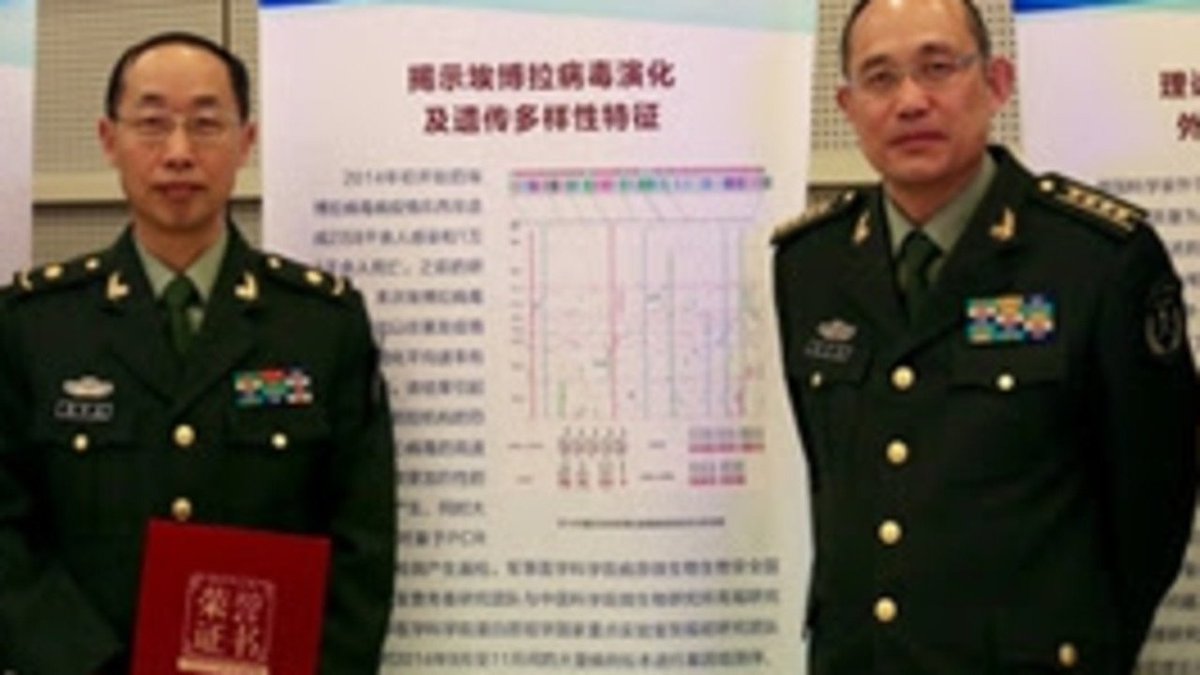
Meet Yang Ruifu, CCP's biological weapons expert https://t.co/JjB9TLEO95 via @Gnews202064
— Billy Bostickson \U0001f3f4\U0001f441&\U0001f441 \U0001f193 (@BillyBostickson) October 11, 2020
Interesting expose of China's top bioweapons expert who oversaw fake pangolin research
Paper 1: https://t.co/TrXESKLYmJ
Paper 2:https://t.co/9LSJTNCn3l
Pangolinhttps://t.co/2FUAzWyOcv pic.twitter.com/I2QMXgnkBJ