Back in 2014, Dentons & Imperial Oil partner on Internationally Trained Lawyer Articling Program in Calgary
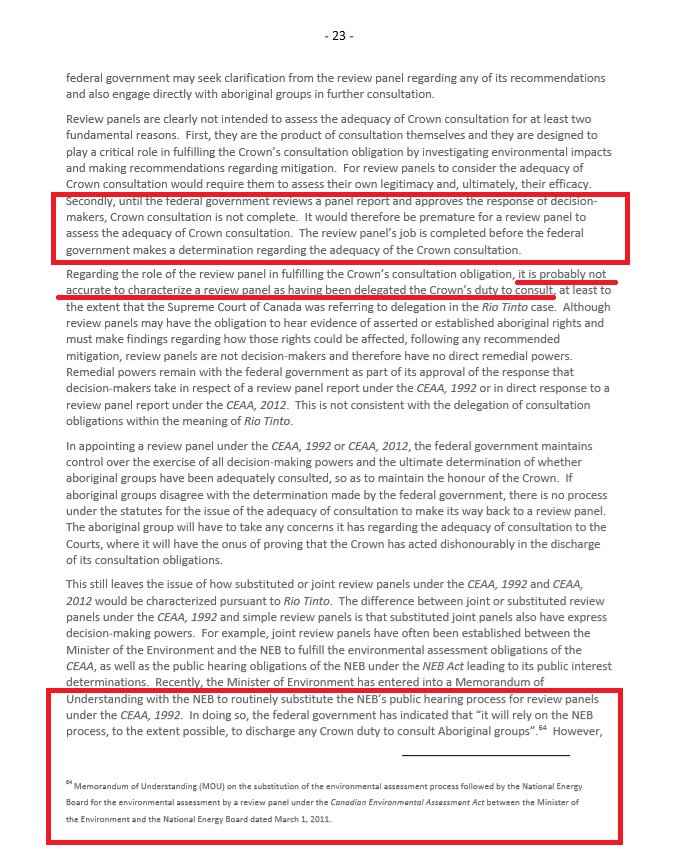
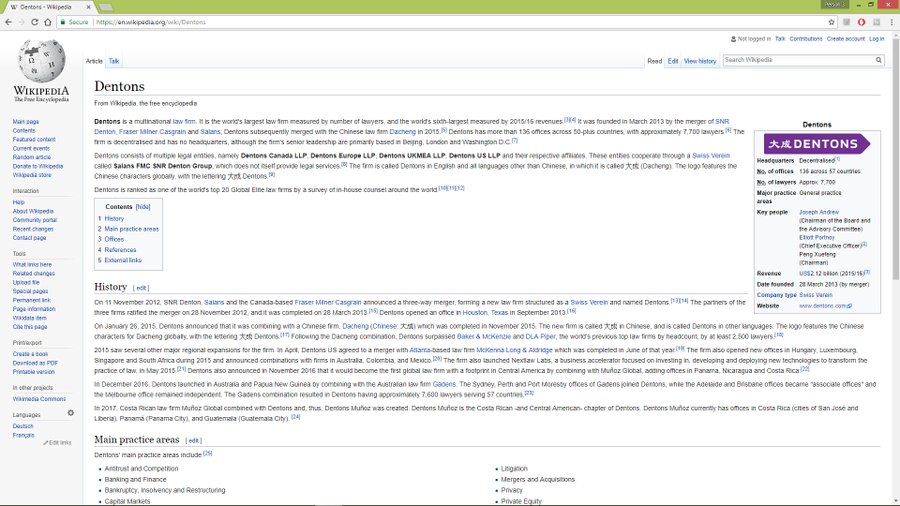
https://t.co/Xpmo1WswKj
Harper worked out of the Dentons office in Calgary. https://t.co/Xpmo1WswKj
More from Louisette Lanteigne 🌎✌️⚖️♥️


More from Law

Better late than never. Here we go. What does this deal mean for borders, border formalities, customs & trade facilitation?
Long one. TL:DR very little at the moment but has potential
/1
Borders
When compared to no deal the deal changes very little in terms of border procedures. All formalities and checks will still be required.
Reminder - we're not starting from 0 here – both our container ports and our ro-ro ports are already congested
/2
On top of that, all the issues related to border readiness: lack of capacity and space, IT systems not ready, shortages of customs agents, treader readiness – have not been solved.
The deal doesn’t help with that.
/3
Here is where we are:
☑️The UK will phase-in border formalities over 6 months (customs and SPS)
☑️The EU will introduce full formalities in 3 days (customs + SPS)
☑️Irish Sea border also fully operational in 3 days with some short-term SPS easements
/4
Pre-notifications (safety & security declarations) not initially required on the UK side, needed for imports into the EU.
So what's in the deal?
/5
Long one. TL:DR very little at the moment but has potential
/1
Lots of stuff on technical barriers and customs cooperation. See @AnnaJerzewska for more on the latter. pic.twitter.com/3sC5xHD3Z8
— Steve Peers (@StevePeers) December 26, 2020
Borders
When compared to no deal the deal changes very little in terms of border procedures. All formalities and checks will still be required.
Reminder - we're not starting from 0 here – both our container ports and our ro-ro ports are already congested
/2
On top of that, all the issues related to border readiness: lack of capacity and space, IT systems not ready, shortages of customs agents, treader readiness – have not been solved.
The deal doesn’t help with that.
/3
Here is where we are:
☑️The UK will phase-in border formalities over 6 months (customs and SPS)
☑️The EU will introduce full formalities in 3 days (customs + SPS)
☑️Irish Sea border also fully operational in 3 days with some short-term SPS easements
/4
Pre-notifications (safety & security declarations) not initially required on the UK side, needed for imports into the EU.
So what's in the deal?
/5

A Warning:
The 'Freeports' in at least 10 locations in Britain will evolve into Charter Cities with their own laws. They will NOT be legally bound to ANY of the trade agreements between the UK and EU or any other country. They will be used to bypass all International scrutiny
'Sovereign UK' makes deal with Charter city (physically but NOT legally part of the UK) which then trades to other countries OUTSIDE of the constraints of International laws
Thus bypassing all restrictions , tariff, tax, human rights, climate change legislation - everything
https://t.co/f35zFvkCHQ
The 'Freeports' in at least 10 locations in Britain will evolve into Charter Cities with their own laws. They will NOT be legally bound to ANY of the trade agreements between the UK and EU or any other country. They will be used to bypass all International scrutiny
'Sovereign UK' makes deal with Charter city (physically but NOT legally part of the UK) which then trades to other countries OUTSIDE of the constraints of International laws
Thus bypassing all restrictions , tariff, tax, human rights, climate change legislation - everything
https://t.co/f35zFvkCHQ


I’ve been reading lots recently about the interaction between First Amendment law and free speech principles with respect to online services in light of the events of the last few weeks.
And I have thoughts (MY OWN). So, I’m sorry ... a thread 1/25
One of the main reasons I think users are best served by a recognition that social media services have 1st Amendment rights to curate the content on their sites is because many users want filtered content, either by topic, or by behavior, or other. 2/
So online services should have the right to do this filtering, and to give their users the tools to do so too. For more detail see our Prager U amicus brief https://t.co/73PswB9Q7Q 3/
So, I disagree with my friends (and others) who say that every online service should apply First Amendment rules, even though they cannot be required to do so. There are both practical and policy reasons why I don’t like this. 4/
Most obviously, the 1st Amendment reflects only one national legal system when this is inherently an international issue. So it’s politically messy, even if you think a 1st Amendment-based policy will be most speech-protective (though probably only non-sexual speakers). 5/
And I have thoughts (MY OWN). So, I’m sorry ... a thread 1/25
One of the main reasons I think users are best served by a recognition that social media services have 1st Amendment rights to curate the content on their sites is because many users want filtered content, either by topic, or by behavior, or other. 2/
So online services should have the right to do this filtering, and to give their users the tools to do so too. For more detail see our Prager U amicus brief https://t.co/73PswB9Q7Q 3/
So, I disagree with my friends (and others) who say that every online service should apply First Amendment rules, even though they cannot be required to do so. There are both practical and policy reasons why I don’t like this. 4/
Most obviously, the 1st Amendment reflects only one national legal system when this is inherently an international issue. So it’s politically messy, even if you think a 1st Amendment-based policy will be most speech-protective (though probably only non-sexual speakers). 5/