1/ I am seeing more and more founder secondary in venture rounds (Secondary = founders selling some of their shares before some other shareholders are able). Series B-D. I see both as an investor and through entrepreneur circles.

2/ I like secondary for entrepreneurs. Moderation is key but in a lot of situations I think it helps accelerate the co. Lots of very smart investors disagree. Here are my thoughts.
3/ Magnitude: My basic rule of thumb from what I see is market is 4+ yrs and up to 10% of founder’s equity stake with some $ cap that makes sense given stage etc. (typically <$10m)
4/ The entrepreneurial journey is brutally hard. Giving some financial relief helps remove one piece of pressure. I don’t think that secondary in the magnitude mentioned impacts the drive/persistence of great entrepreneurs.
5/ That secondary means they will be able to just sleep knowing they can pay their kids’ tuition. Secondary will make most founders better at their jobs, thus accelerating the co.
6/ For many entrepreneurs they have 98% of their net worth tied up in the startup. That risk- after several years- can make a founder scared. The daily ups/down create a rollercoaster that at first is difficult but overtime can be unbearable when there is no safety net.
7/ Those founders that were going to check out mentally because they sold 10% of their stake weren’t going to lead the co. anyway. If you’re concerned about that as the investor, you may not trust their motivation period. There is a bigger conversation you need to have.
8/ Let’s be clear. There are some brutal stories about secondary.
https://t.co/bPyDqUTWHh
9/ Those stories also make it pretty scary for entrepreneurs to talk about this with their investors or with other entrepreneurs. They are scared they will be judged (“why does that CEO get to take out $ before investors or other team members?”).
10/ Communicate with the board: I know it is scary. The subject is Taboo. But you’re all adults and it’s time to have a Big Boy/Big Girl. conversation. Communicate far in advance of the proposed round.

Btw- some VCs hate secondary. Passionately.

Buckle up.
11/ Protect the company first: If the Co. needs $5m and you can only get demand for $5m. That $5m needs to go to the company. It’s your job to raise the $ outside of what the company needs.
12/ Learn QSBS: Find an entrepreneur that got her shares counted as QSBS. Then get her accountant. If you don’t spend hours learning about this you may be burning your own personal money in a dumpster.
https://t.co/BpaVTXALNe
13/ Demand: You need to get a lot of demand to justify a secondary. Many investors/board members will want you to raise more than your model suggests to provide a cushion. Then your secondary will usually come after that.
14/ Structure: Investors often hate buying common which makes finding a buyer hard. Sometimes the founder can convince board to convert the common they are selling into preferred (thus price paid to founder is higher). Usually investor ends up buying the common.
15/ Pricing: If common is purchased it is for a lower price than preferred. That price varies on stage/performance of co, pref stack and founders ability to negotiate. I see 15-35% discount from preferred to common typical.
16/ Be tight & honest about your motivation: Worried about risk? Need money for kids tuition? Just be direct, consistent and honest about your motivations. Investors & the board will ask- be prepared.
17/ Decide who else gets to join the party: If the founder is feeling this way, likely some other (longer-tenured) team members might be feeling similarly. How many will you allow in, at what $ level? Impacts uses of cash for the sale.
18/ Note- there are tricky legal restrictions on how many people are allowed to sell (or be given offer to sell). Need to talk to your lawyer first.
19/ Who doesn’t get to go to the dance: Think about implication on shareholders that aren’t being given offer to sell.
20/ Who are the buyers: Remember they are your cap table going forward. Think hard about who you want in your company. Vision, mission, communication, values alignment is key.

I’ve screwed up who we took on as an investor before and it really sucks.
21/ Don’t be an idiot with the money: Think about the implications of the red Ferrari before you buy the red Ferrari.
22/ Founder secondary shouldn't be a top 20 issue as an entrepreneur, but it is one that gets personal quickly. When it comes up it matters a lot but is super hard to talk about.
23/ Probably worth mentioning- founder liquidity used to happen a bit earlier in the lifecycle when companies would stay private for a shorter period, companies would sell earlier.
24/ Also- to quote an investor I like: You can’t truly unlock the potential of the business until it’s bigger than any one (or small collection) of incentives. You need to do right by it, not individual actors. More liquidity removes that from the equation.

More from All

You May Also Like

1

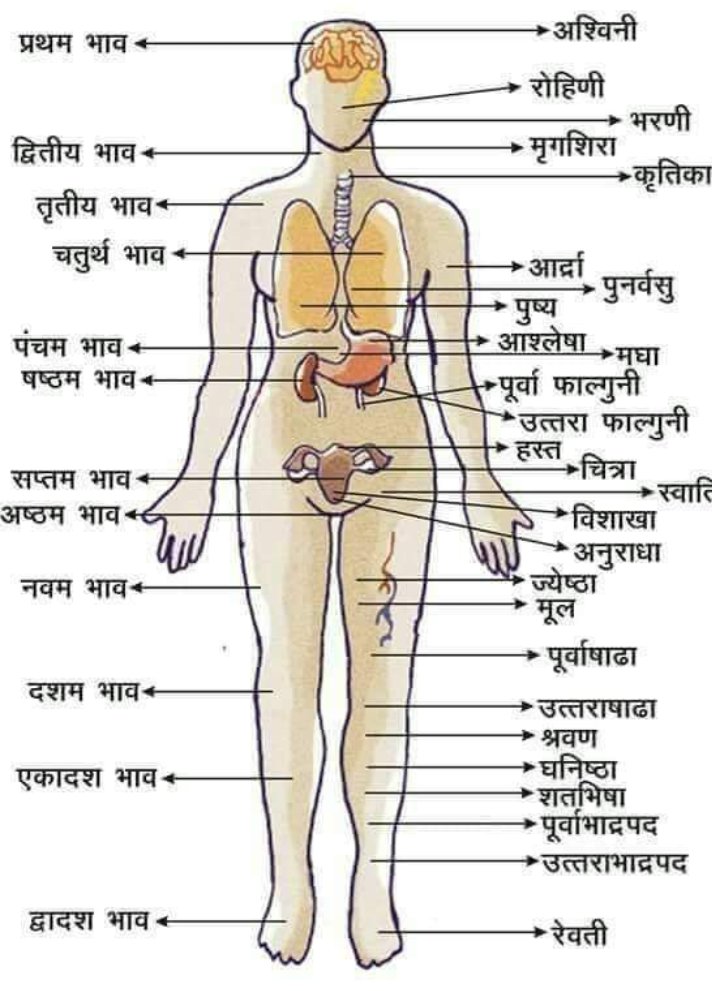
From today, we will memorize the names of 27 Nakshatras in Vedic Jyotish to never forget in life.

I will write 4 names. Repeat them in SAME sequence twice in morning, noon, evening. Each day, revise new names + recall all previously learnt names.

Pls RT if you are in.

2

Today's Nakshatras are:-

1. Ashwini - अश्विनी

2. Bharani - भरणी

3. Krittika - कृत्तिका

4. Rohini - रोहिणी

Ashwini - अश्विनी is the FIRST Nakshatra.

Repeat these names TWICE now, tomorrow morning, noon and evening. Like this tweet if you have revised 8 times as told.

3

Today's Nakshatras are:-

5. Mrigashira - मृगशिरा

6. Ardra - आर्द्रा

7. Punarvasu - पुनर्वसु

8. Pushya - पुष्य

First recall previously learnt Nakshatras twice. Then recite these TWICE now, tomorrow morning, noon & evening in SAME order. Like this tweet only after doing so.

4

Today's Nakshatras are:-

9. Ashlesha - अश्लेषा

10. Magha - मघा

11. Purvaphalguni - पूर्वाफाल्गुनी

12. Uttaraphalguni - उत्तराफाल्गुनी

Purva means that comes before (P se Purva, P se pehele), and Uttara comes later.

Read next tweet too.

5

Purva, Uttara prefixes come in other Nakshatras too. Purva= pehele wala. Remember.

First recall previously learnt 8 Nakshatras twice. Then recite those in Tweet #4 TWICE now, tomorrow morning, noon & evening in SAME order. Like this tweet if you have read Tweets #4 & 5, both.
Recently, the @CNIL issued a decision regarding the GDPR compliance of an unknown French adtech company named "Vectaury". It may seem like small fry, but the decision has potential wide-ranging impacts for Google, the IAB framework, and today's adtech. It's thread time! 👇

It's all in French, but if you're up for it you can read:
• Their blog post (lacks the most interesting details):
https://t.co/PHkDcOT1hy
• Their high-level legal decision: https://t.co/hwpiEvjodt
• The full notification: https://t.co/QQB7rfynha

I've read it so you needn't!

Vectaury was collecting geolocation data in order to create profiles (eg. people who often go to this or that type of shop) so as to power ad targeting. They operate through embedded SDKs and ad bidding, making them invisible to users.

The @CNIL notes that profiling based off of geolocation presents particular risks since it reveals people's movements and habits. As risky, the processing requires consent — this will be the heart of their assessment.

Interesting point: they justify the decision in part because of how many people COULD be targeted in this way (rather than how many have — though they note that too). Because it's on a phone, and many have phones, it is considered large-scale processing no matter what.