
$JUBLFOOD.NSE (4H)
Breakout retest!

More from Anosh Mody
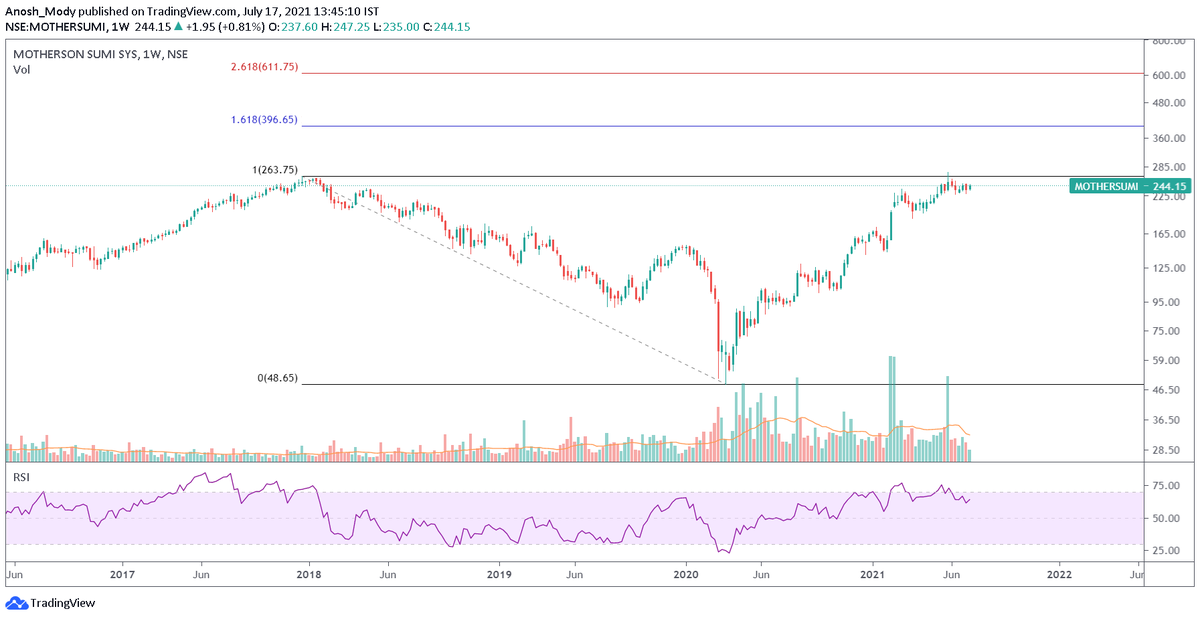


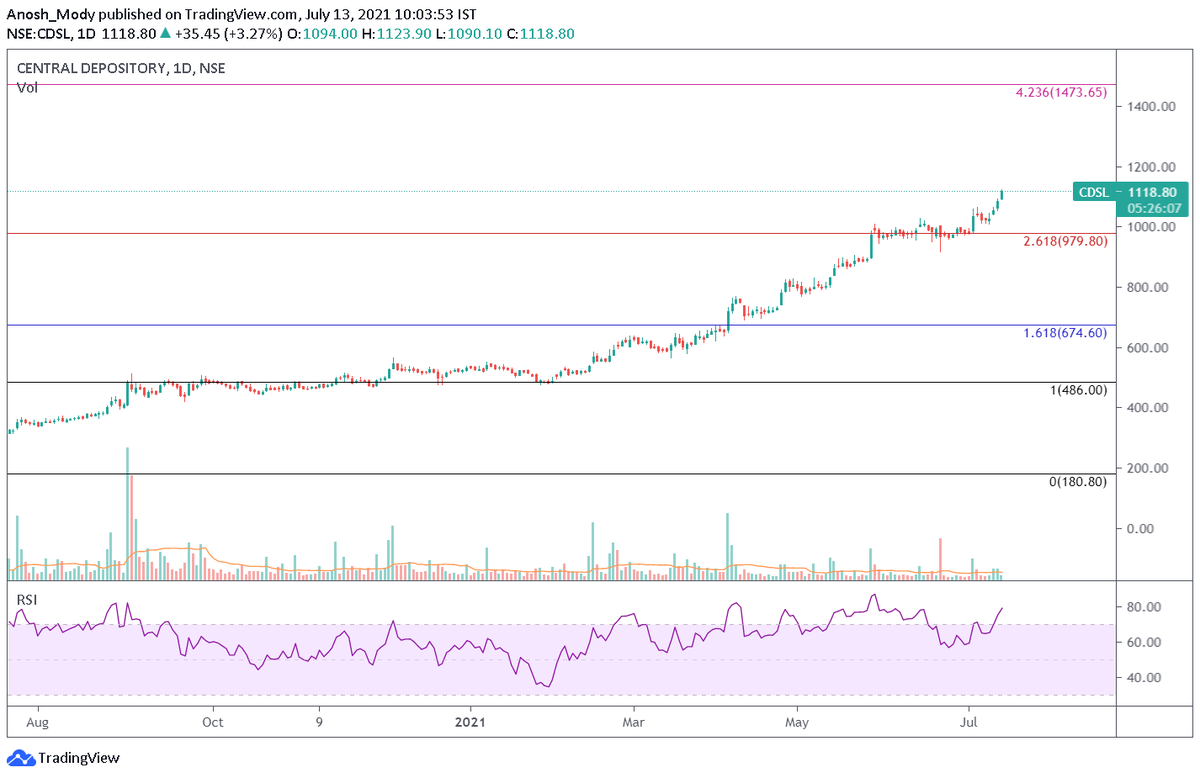
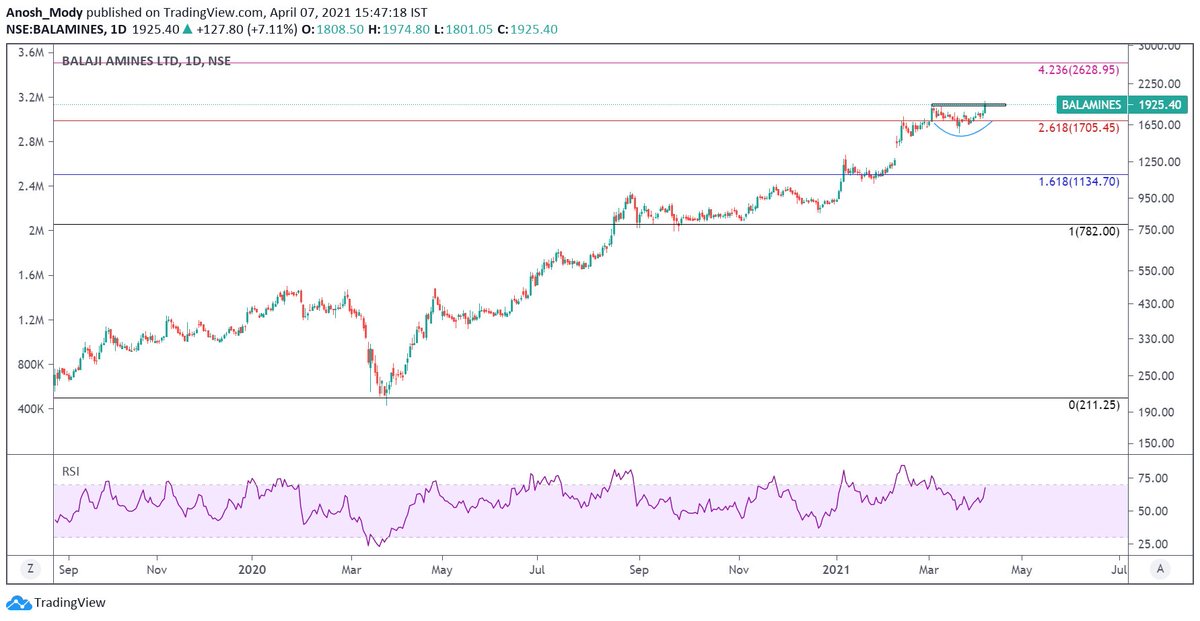
More from Jublfood


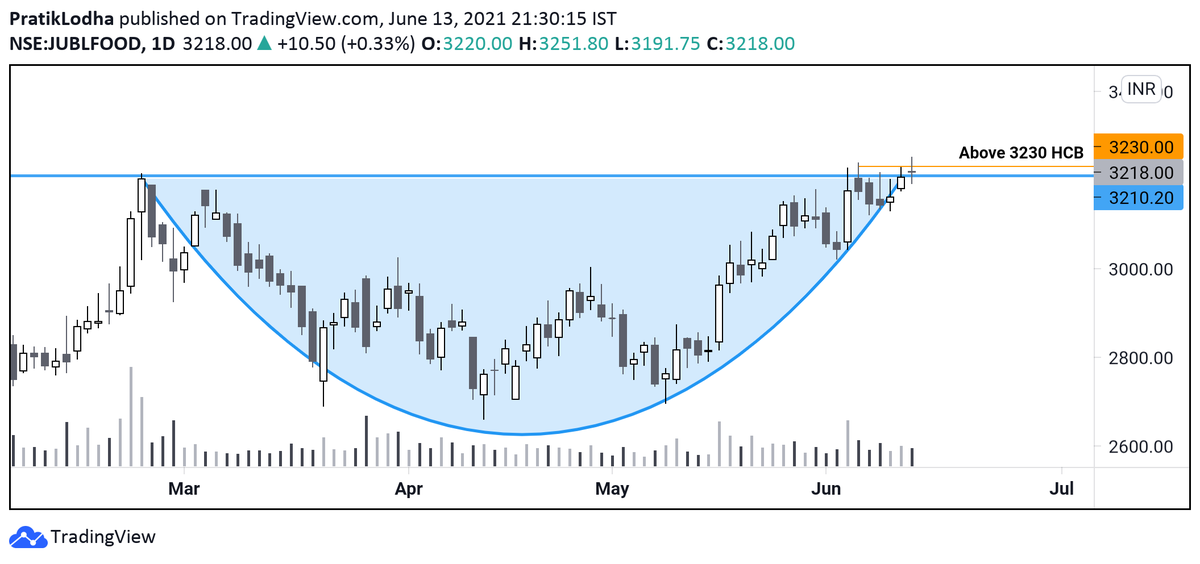

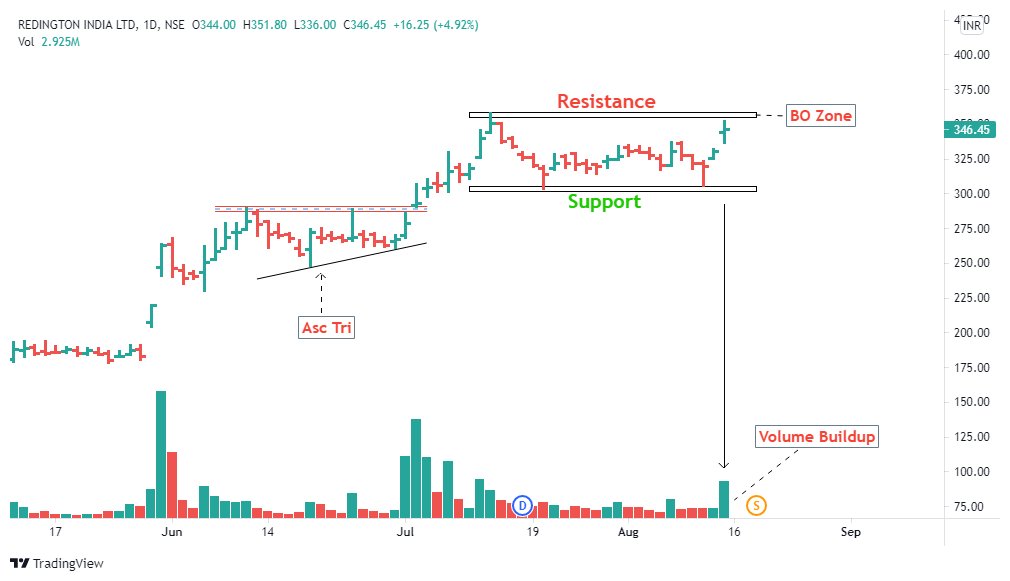

Also, you must be vigilant here because in these cases 50 MA and 200 MA act as a strong resistance. However, both the resistance zone and the 50 EMA are getting in closer. Confluence zone.
Jubilant Foodworks https://t.co/oarPRnT0Vk
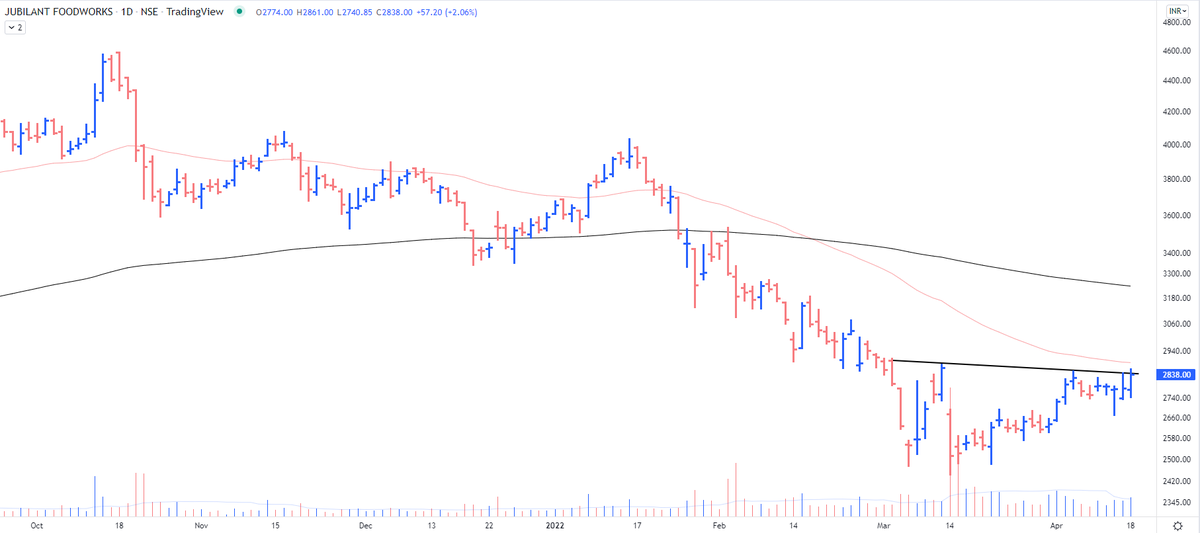
Jubilant Foodworks https://t.co/oarPRnT0Vk
The chart signals an upcoming violent move. I may be wrong but the risk is getting too low in here. Keep an eye out.
— The_Chartist \U0001f4c8 (@charts_zone) April 18, 2022
Holding this from lower levels - the reason being capitulation.
Jubilant Foodworks https://t.co/M1vLYEbkef pic.twitter.com/TVXZKo028g

JUBLFOOD
Double Top Buy & T20 Pattern - Bullish above 4058.33 daily close on 1% Box Size chart. https://t.co/DPEehZwkS4
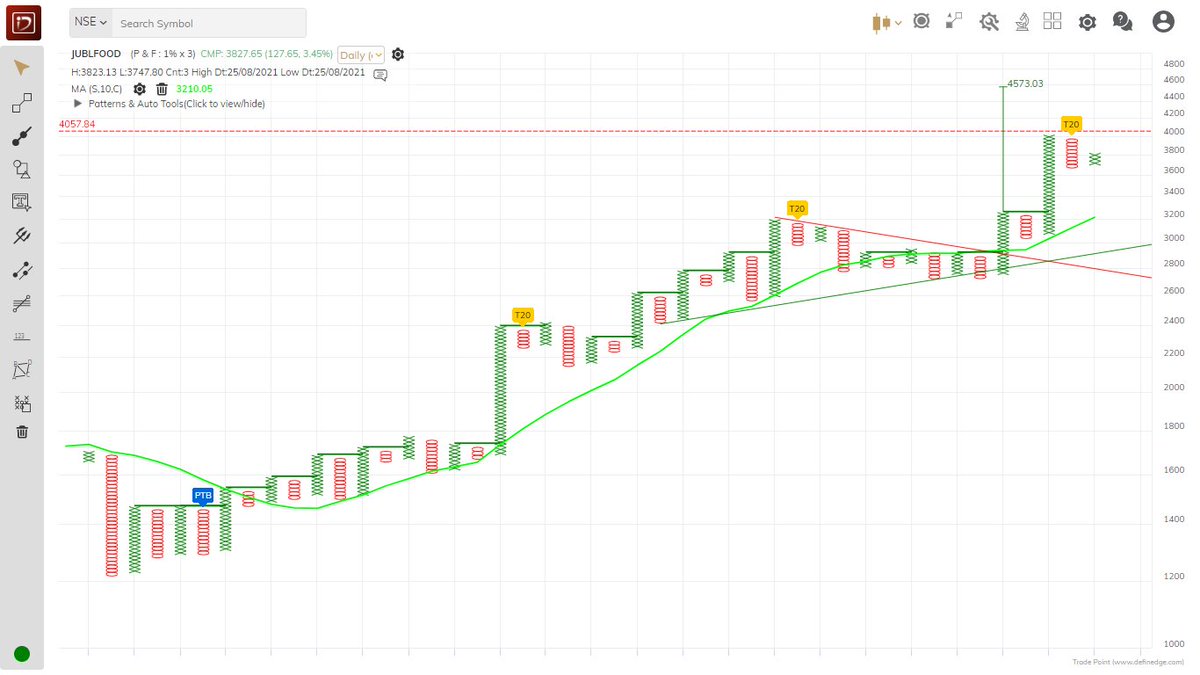
Double Top Buy & T20 Pattern - Bullish above 4058.33 daily close on 1% Box Size chart. https://t.co/DPEehZwkS4
JUBLFOOD
— Saket Reddy (@saketreddy) June 24, 2020
Achieved the second target of 1820 today, now near the first target of 1780!
Got a nice 15-20% move till now.
Trailing stop loss is the best thing one can do now! https://t.co/YidPZamyxz
You May Also Like


Facebook originally a CIA program called "LifeLog".
LifeLog, via DARPA, terminated on Feb 4th, 2004.
Facebook was launched on Feb 4th, 2004.
Many of the LifeLog team became execs at FB.
Zuckerberg is a figurehead.
CIA allowed Cambridge to help Trump win
https://t.co/enzOXDCogV

Pentagon Kills LifeLog
LifeLog, via DARPA, terminated on Feb 4th, 2004.
Facebook was launched on Feb 4th, 2004.
Many of the LifeLog team became execs at FB.
Zuckerberg is a figurehead.
CIA allowed Cambridge to help Trump win
https://t.co/enzOXDCogV
Project: Lifelog
— Robert Horan (@Robby12692) December 13, 2018
Started by DARPA in 1999, the goal of Lifelog was to create a database on civilians without their knowledge, and track everything they do.
The project "ended" on Feb 4th, 2004.
Facebook began the exact same day.
The CIA funneled tens of millions into Facebook. pic.twitter.com/r7hwF0v9kh
Pentagon Kills LifeLog

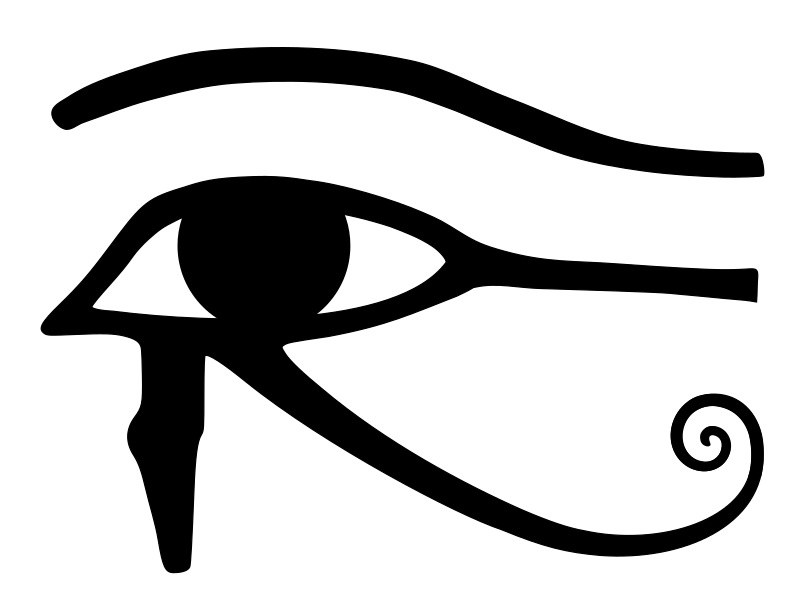
The Eye of Horus. 1/*
I believe that @ripple_crippler and @looP_rM311_7211 are the same person. I know, nobody believes that. 2/*
Today I want to prove that Mr Pool smile faces mean XRP and price increase. In Ripple_Crippler, previous to Mr Pool existence, smile faces were frequent. They were very similar to the ones Mr Pool posts. The eyes also were usually a couple of "x", in fact, XRP logo. 3/*

The smile XRP-eyed face also appears related to the Moon. XRP going to the Moon. 4/*
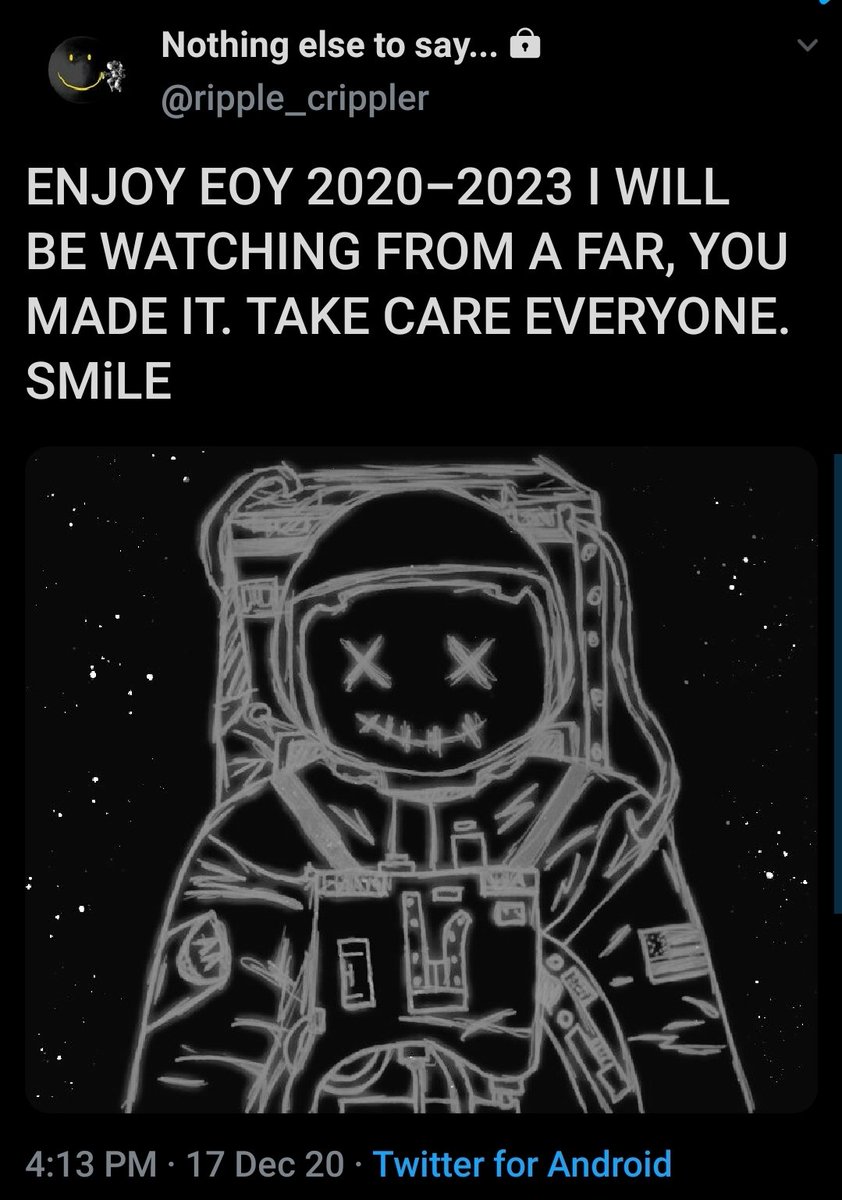
And smile XRP-eyed faces also appear related to Egypt. In particular, to the Eye of Horus. https://t.co/i4rRzuQ0gZ 5/*

I believe that @ripple_crippler and @looP_rM311_7211 are the same person. I know, nobody believes that. 2/*
Today I want to prove that Mr Pool smile faces mean XRP and price increase. In Ripple_Crippler, previous to Mr Pool existence, smile faces were frequent. They were very similar to the ones Mr Pool posts. The eyes also were usually a couple of "x", in fact, XRP logo. 3/*
The smile XRP-eyed face also appears related to the Moon. XRP going to the Moon. 4/*
And smile XRP-eyed faces also appear related to Egypt. In particular, to the Eye of Horus. https://t.co/i4rRzuQ0gZ 5/*