https://t.co/UbssY7sIeE
A humble prediction. Seeds are being sown around the world for a comeback of nuclear energy. In the next decade, we can see government’s around the world approving more nuclear reactors as they realize they aren’t going anywhere near net carbon zero with wind and solar. 🧵
https://t.co/UbssY7sIeE
https://t.co/1MAQBQ3Fto
https://t.co/ZZOVZCtplh
https://t.co/DgCQxEkehf
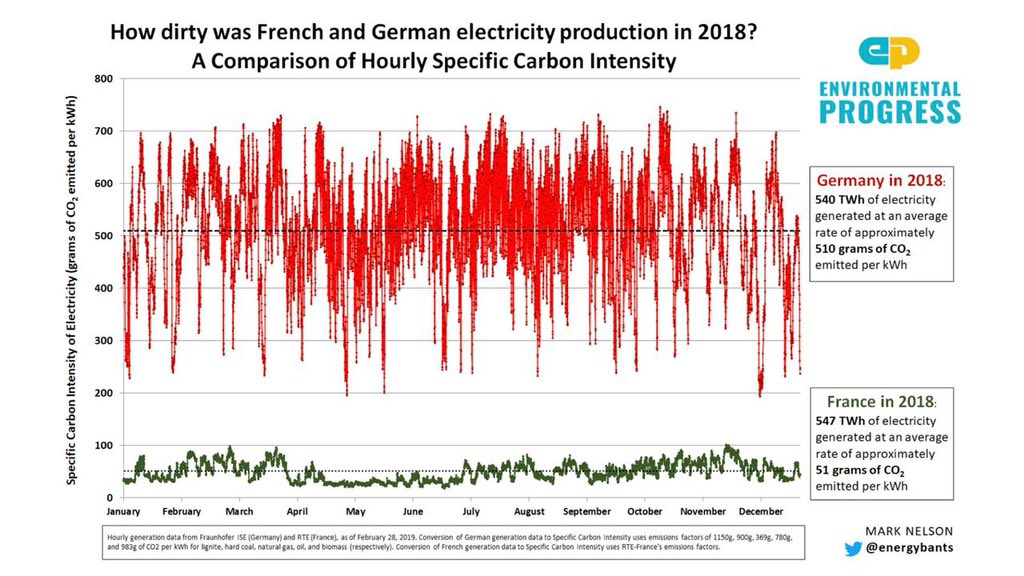
\u2018In 2019, despite decades of subsidies, all of the state\u2019s wind and solar facilities generated just five terawatt-hours of power, less than one-third the output of Indian Point and less than 4 percent of the total energy generated in the state.\u2019https://t.co/DBUNxmjg1n
— Balaji Vaidyanath \u26a1\ufe0f (@nbalajiv) July 1, 2021
https://t.co/FWHKWFE81w
https://t.co/15Ywwdmnk4 (Her presentation)
https://t.co/4VEJfIqLts (her credentials)
https://t.co/sYZQoW6mDn

https://t.co/tvYqVQ23Kb
https://t.co/TqHa6CpooV
Maharashtra - 6*1650 - France
AP - 6*1208 - USA
Gujarat - 6*1000 - USA
West Bengal - 6*1000 - Russia
MP - 4*700 - Indigenous
More from Ideas


This thread is for investors or those who are interested in CDSL as an investment. Often the central reason quoted for an investment here is the gush of FCF the business produces and some float money also to boot. But this argument ignores a central problem as well. (1/11)
I completely agree that CDSL is a business that produces ample amount of Free Cash. So, it begs the question: "What are they doing with all that cash?" Generally, firms can utilize the cash on their books in 4 ways: Dividends, Acquisitions, Capex/Investments and Buybacks. (2/11)
CDSL does have a Dividend Payout Ratio of ~35-40%. But Dividends are the least efficient way of utilizing cash, due to the Triple Taxation on Dividends. More
Handled well, Inorganic Growth is so lucrative that some companies build their business models around acquisitions (Say, MSSL or Cyient). However, CDSL literally CAN'T be one such company. Read 7 (c) of the below regulatory document to know more:
https://t.co/071lwnnwJ4
(4/11)

CDSL can also reinvest cash into their own business, like most companies do. But CDSL (And most Exchanges) have little need for Capex/Reinvestment. CDSL's IPO came in at Rs. 523.99 Crores. Two years in, the Cash and Investments on their books stands at Rs. 650 Crores. (5/11)

I completely agree that CDSL is a business that produces ample amount of Free Cash. So, it begs the question: "What are they doing with all that cash?" Generally, firms can utilize the cash on their books in 4 ways: Dividends, Acquisitions, Capex/Investments and Buybacks. (2/11)
CDSL does have a Dividend Payout Ratio of ~35-40%. But Dividends are the least efficient way of utilizing cash, due to the Triple Taxation on Dividends. More
Handled well, Inorganic Growth is so lucrative that some companies build their business models around acquisitions (Say, MSSL or Cyient). However, CDSL literally CAN'T be one such company. Read 7 (c) of the below regulatory document to know more:
https://t.co/071lwnnwJ4
(4/11)
CDSL can also reinvest cash into their own business, like most companies do. But CDSL (And most Exchanges) have little need for Capex/Reinvestment. CDSL's IPO came in at Rs. 523.99 Crores. Two years in, the Cash and Investments on their books stands at Rs. 650 Crores. (5/11)