Thank you so much to the incredible @gregjenner and his team for having me on "You're Dead to Me" and to @kaekurd for being so hilarious and bringing Gilgamesh the restaurant into my life!

Here’s a thread of some of the stuff referenced in the podcast for those interested

First of all, what even is cuneiform?

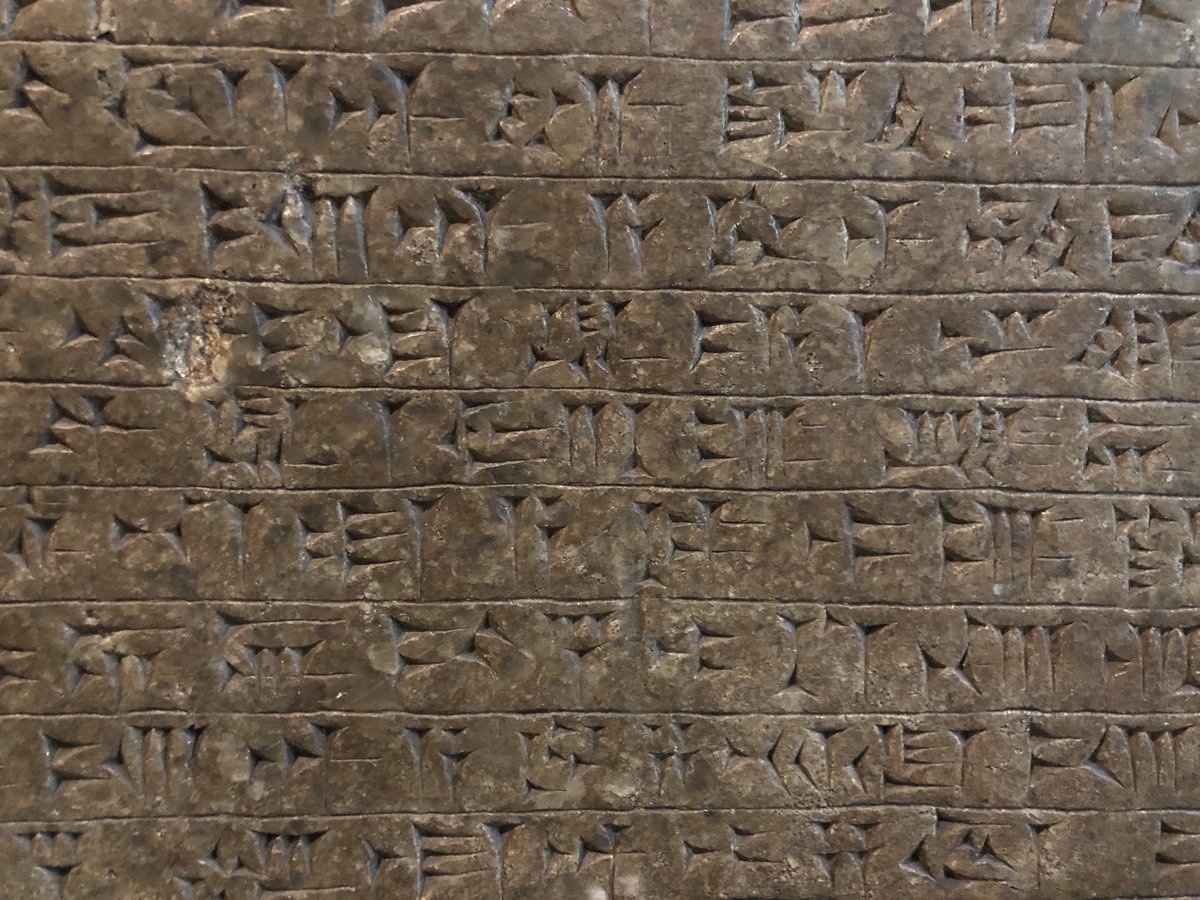
It’s a writing system from the ancient Middle East, used to write several languages like Sumerian and Akkadian. Cuneiform signs can stand for whole words or syllables. Here’s a little primer of its evolution https://t.co/7CVjLCHwkS
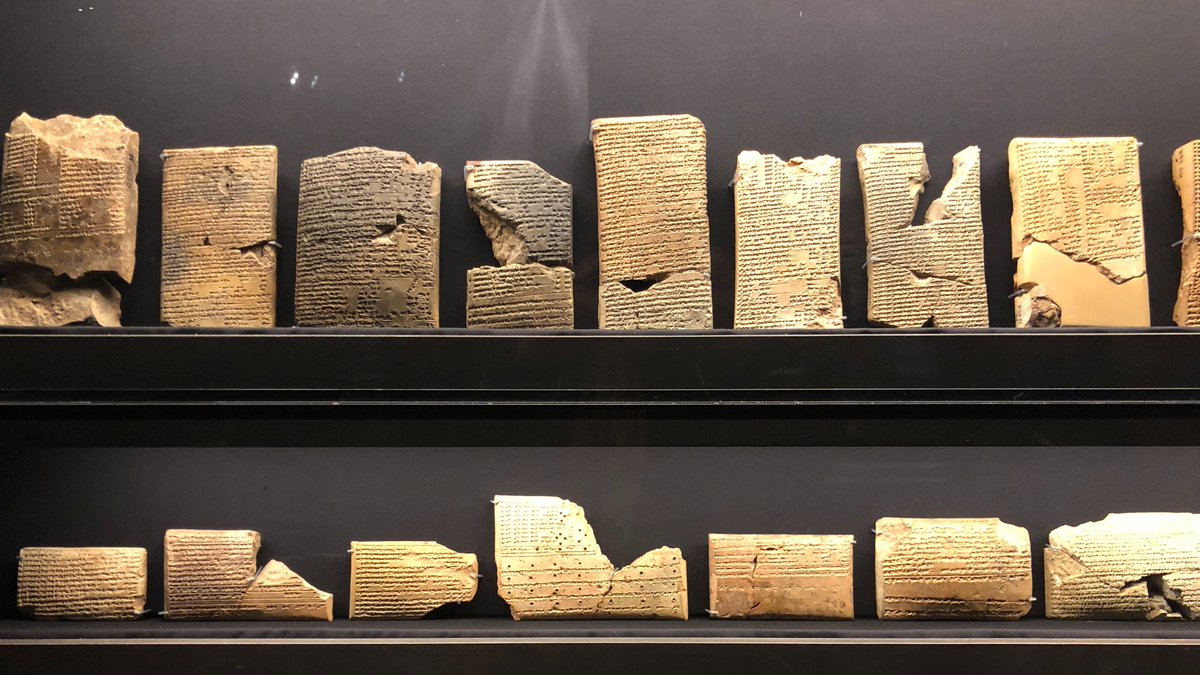
What kinds of texts was cuneiform used to write?

Initially, accounting records and lists.

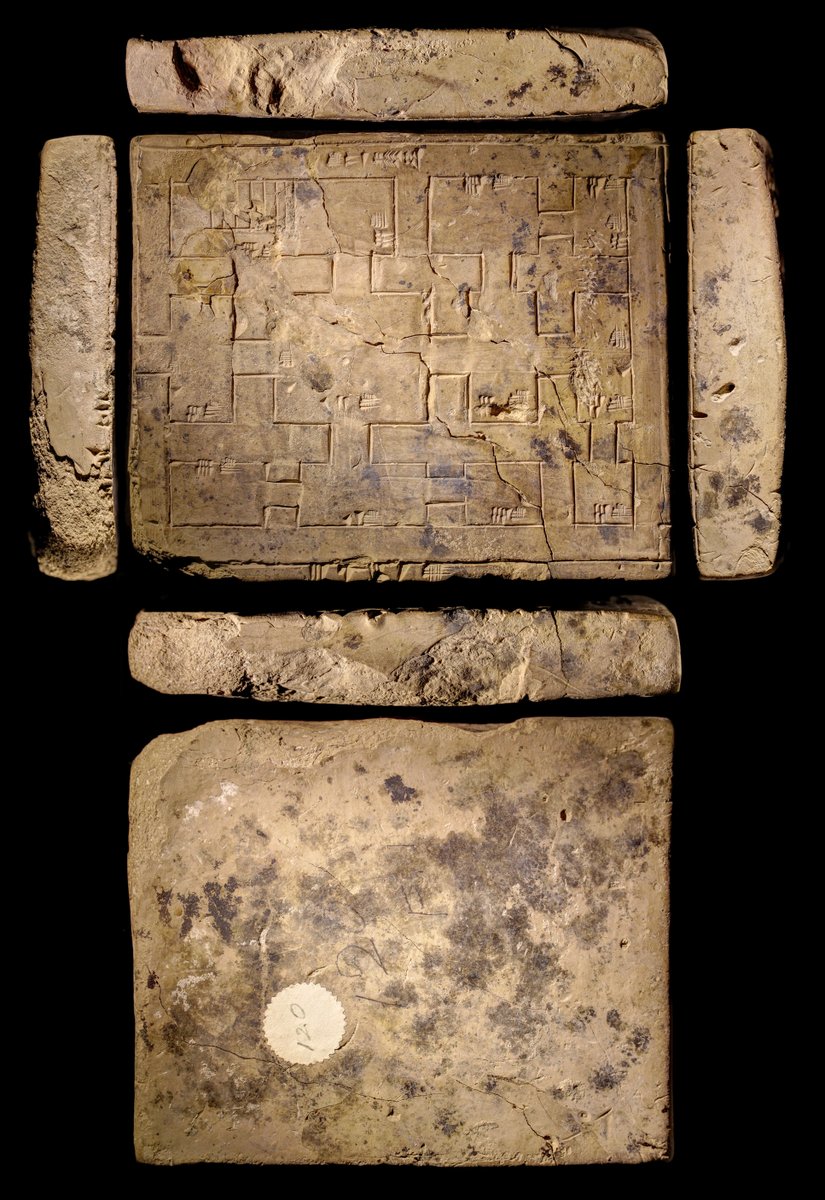
Eventually, literature, astronomy, medicine, maps, architectural plans, omens, letters, contracts, law collections, and more.
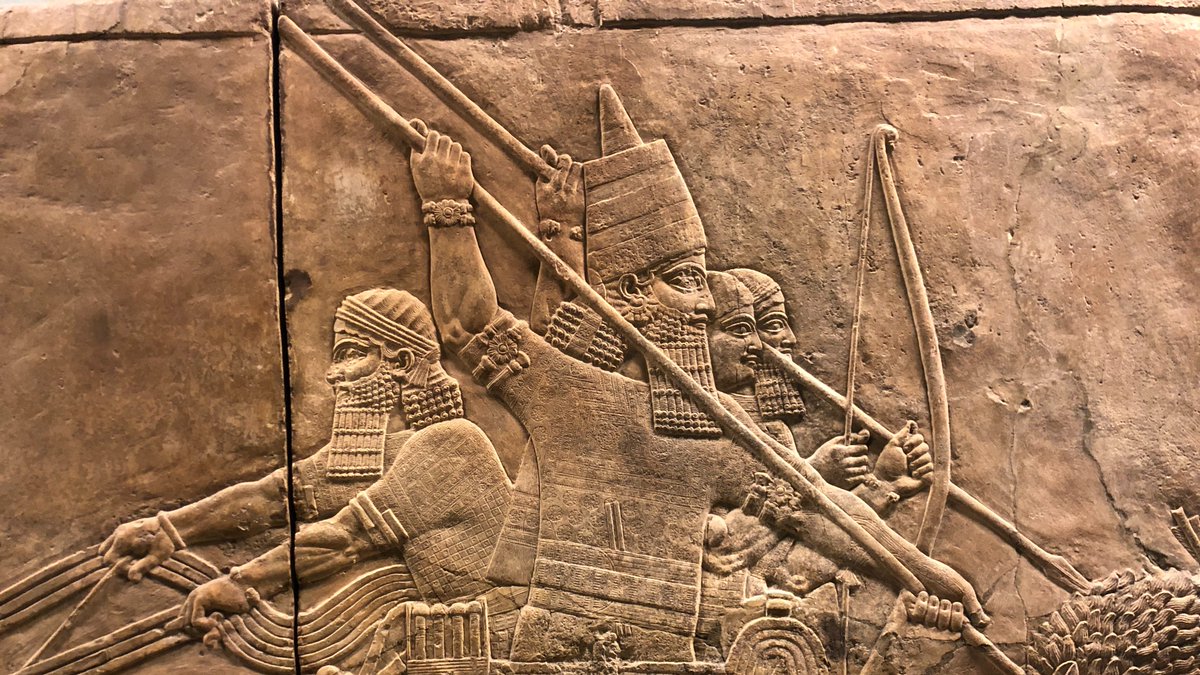
Texts from the Library of Ashurbanipal, who ruled the ancient Assyrian empire when it was at its largest in the 7th century BCE, represent many of the genres of cuneiform texts and scholarship.

Here’s a short intro to the library via @opencuneiform https://t.co/wjnaxpMRrC
The Library of Ashurbanipal has a complicated modern and ancient history, which you can read about in this brilliant (and open access) book by Prof @Eleanor_Robson https://t.co/GGX3BAAzhE
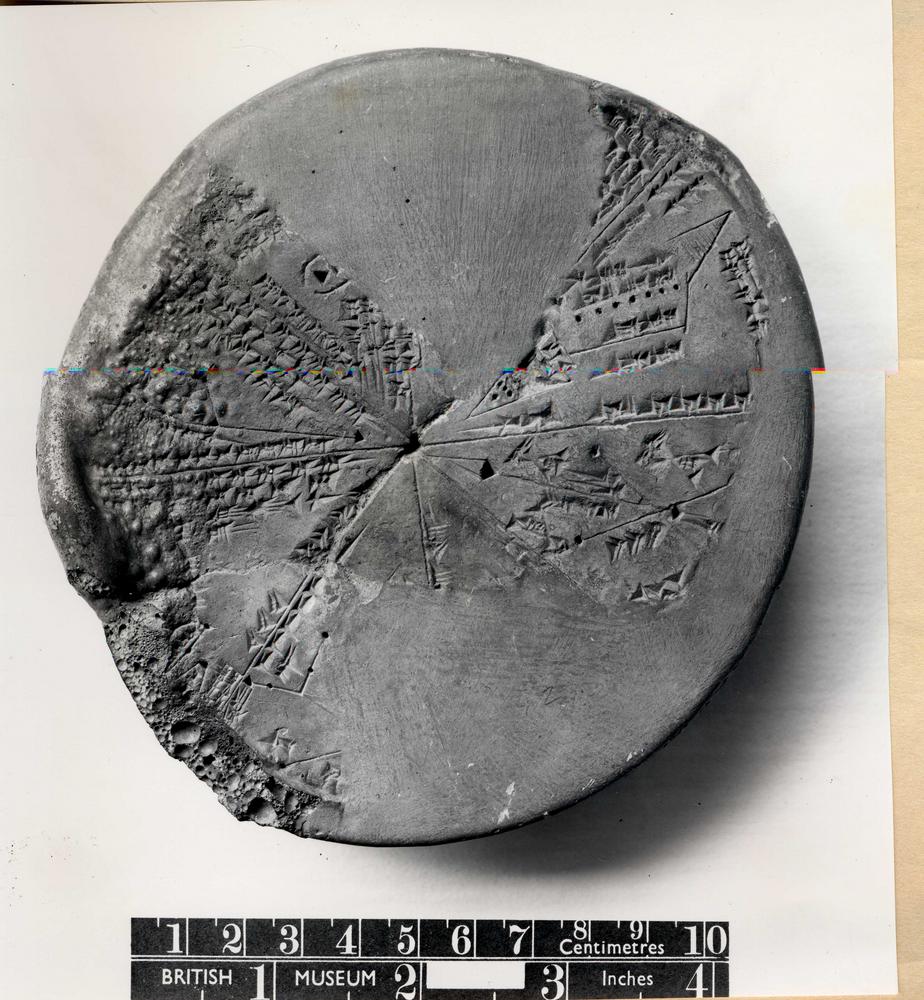
One of my favourite clay tablets from the Library of Ashurbanipal is this star map for the night of 3-4 January 650 BCE, including the constellation Gemini https://t.co/7ooNcLvtLo
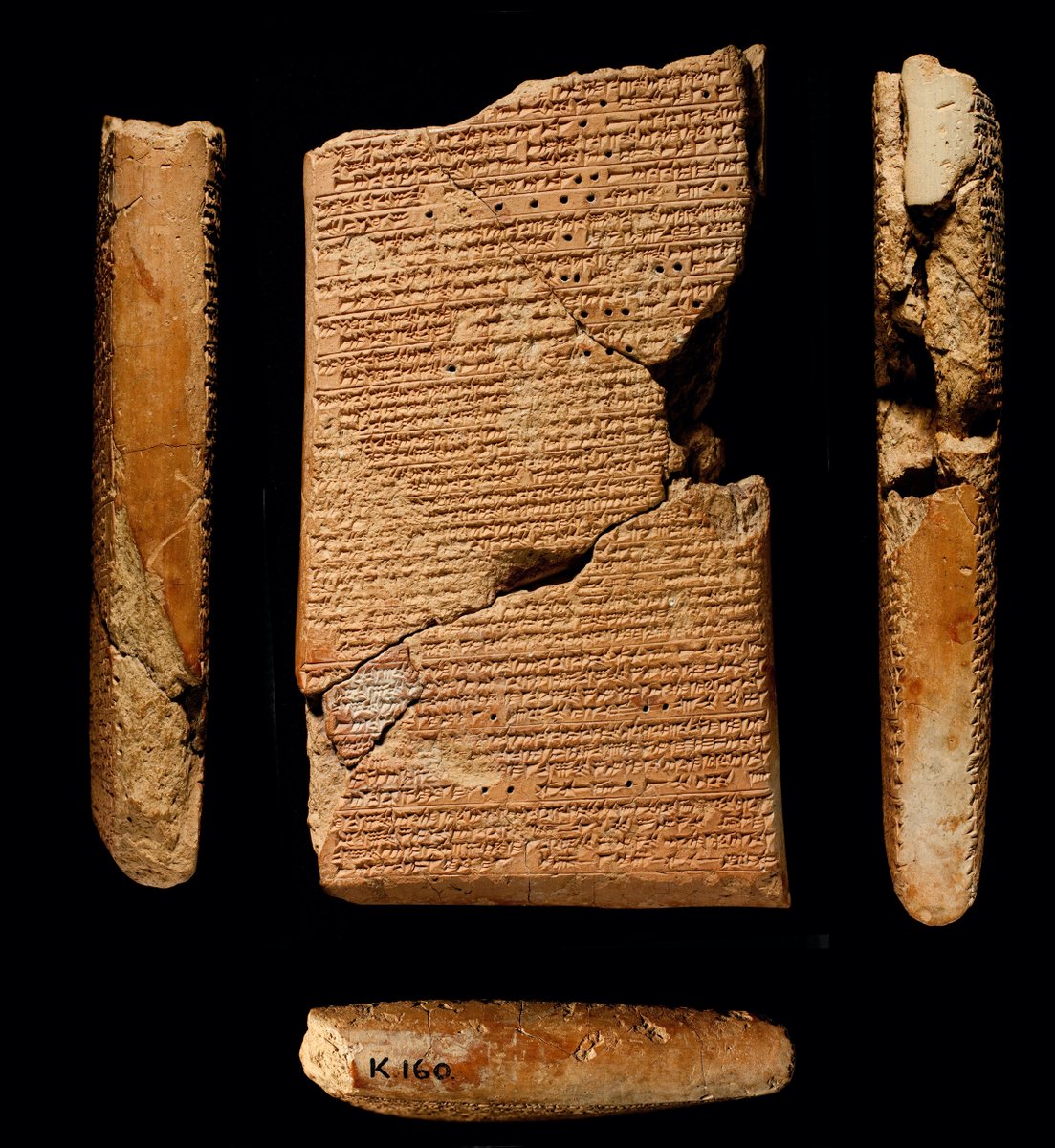
One clue about the long history of “astronomology” (h/t @willismonroe) in ancient Mesopotamia was found in the Library of Ashurbanipal. The “Venus Tablet of Ammisaduqa” is a copy of observations of Venus from ~1000 years earlier that’s also part of a larger textbook of omens.
Here’s a dated but open access translation of the Venus Tablet of Ammisaduqa by the late Dr Erica Reiner https://t.co/94KyyHjZXR
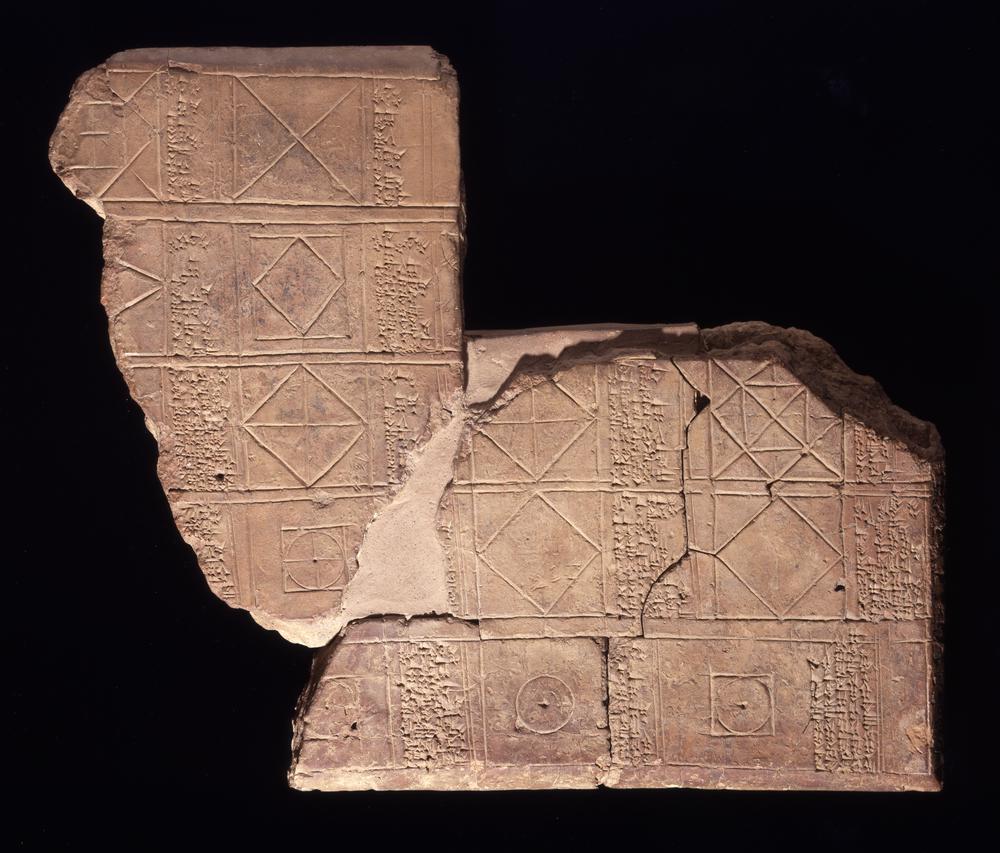
The main tool used in astronomy in ancient Mesopotamia ended up being…maths!

Read about learning math and science in the ancient Middle East in this fascinating piece by Prof @Eleanor_Robson including a discussion of this geometry textbook from 1750 BCE https://t.co/un6FMDWGP6
Okay quick break because there are a lot more tweets to follow in this thread but I gotta feed a baby first
Okay I have no idea where I was going with this, so we're just gonna move on to plaques.
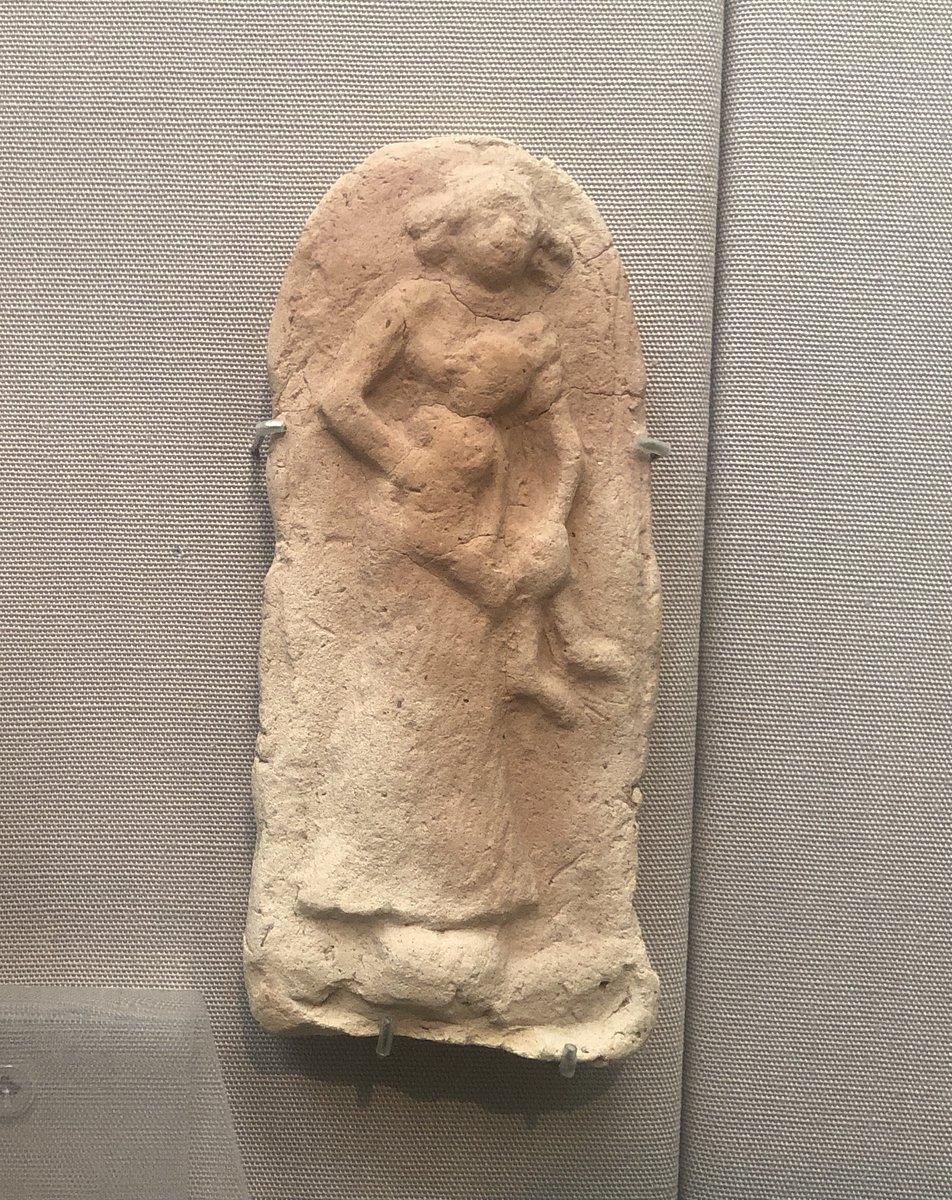
Some of my favourite artefacts from ancient Mesopotamia are these mass-produced plaques that show scenes from everyday life, like breastfeeding and dog walking, and mythological beings.

They’re honestly lovely, and I’m sorry my terrible photography skills don’t do them justice

More from History

You May Also Like

🌿𝑻𝒉𝒆 𝒔𝒕𝒐𝒓𝒚 𝒐𝒇 𝒂 𝑺𝒕𝒂𝒓 : 𝑫𝒉𝒓𝒖𝒗𝒂 & 𝑽𝒊𝒔𝒉𝒏𝒖

Once upon a time there was a Raja named Uttānapāda born of Svayambhuva Manu,1st man on earth.He had 2 beautiful wives - Suniti & Suruchi & two sons were born of them Dhruva & Uttama respectively.
#talesofkrishna https://t.co/E85MTPkF9W


Now Suniti was the daughter of a tribal chief while Suruchi was the daughter of a rich king. Hence Suruchi was always favored the most by Raja while Suniti was ignored. But while Suniti was gentle & kind hearted by nature Suruchi was venomous inside.
#KrishnaLeela


The story is of a time when ideally the eldest son of the king becomes the heir to the throne. Hence the sinhasan of the Raja belonged to Dhruva.This is why Suruchi who was the 2nd wife nourished poison in her heart for Dhruva as she knew her son will never get the throne.


One day when Dhruva was just 5 years old he went on to sit on his father's lap. Suruchi, the jealous queen, got enraged and shoved him away from Raja as she never wanted Raja to shower Dhruva with his fatherly affection.


Dhruva protested questioning his step mother "why can't i sit on my own father's lap?" A furious Suruchi berated him saying "only God can allow him that privilege. Go ask him"