
visit to her hometown. Who is to say that the wisdom of Chinese cannot compete with the Westerners?”
TIL:
- first Western detective stories translated & published in Japan in *1863*--that's pre-Meiji, even!
- first Chinese-written detective stories featuring Western-style detectives starred women as both detectives and criminals were published in 1907--author Lü Simian (!).
visit to her hometown. Who is to say that the wisdom of Chinese cannot compete with the Westerners?”
But when things get really interesting (for me, anyhow) is when Huo Sang--Holmes--meets Sun Liaohong's gentleman thief Lu Pin ("the Oriental Arsene Lupin").
Lu Ping, much more than Lupin, becomes an instrument of justice and flouts the law.
So Huo Sang-v-Lu Ping becomes a commentary on classical British detective fiction versus 1920s/1930s USian det. fiction.
Huo Sang-v-Lu Ping shows us what that confrontation is like --not so great for Huo Sang.
More from History





THREAD: With #silversqueeze trending on Twitter, it appears that this week's market spectacle may well be in the silver market.
A perfect moment for a thread on the Hunt Brothers and their alleged attempt to corner the silver market...
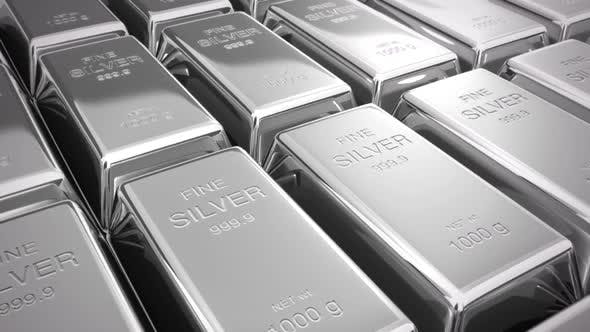
1/ First, let's set the stage.
The Hunt Brothers - Nelson Bunker Hunt, William Herbert Hunt, and Lamar Hunt - were the sons of Texas tycoon H.L. Hunt.
H.L. Hunt had amassed a billion-dollar fortune in the oil industry.
He died in 1974 and left that fortune to his family.
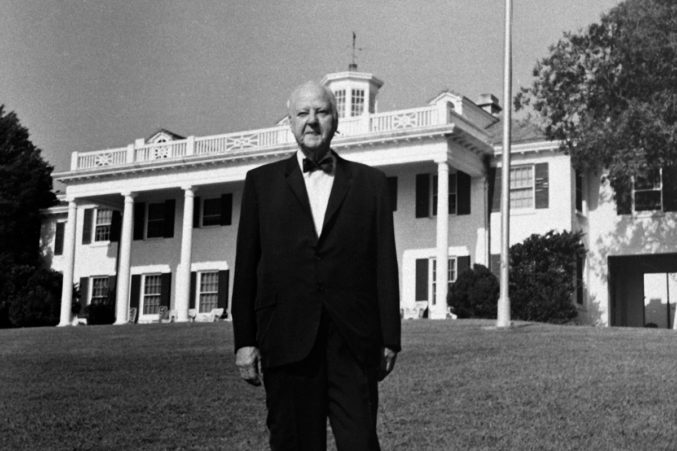
2/ After H.L.'s passing, the Hunt Brothers had taken over the family holdings and successfully managed to expand the Hunt empire.
By the late 1970s, the family's fortune was estimated to be ~$5 billion.
In the financial world, the Hunt name was as good as gold (or silver!).
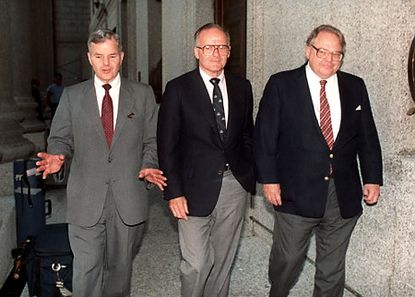
3/ But the 1970s were a turbulent time in America.
Following the oil crisis of the early 1970s, the U.S. had entered a period of stagflation - a dire macroeconomic condition characterized by high inflation, low growth, and high unemployment.
4/ The Hunt Brothers - particularly Nelson Bunker and William Herbert - believed that the inflationary environment would persist and destroy the value of their family's holdings.
To hedge this risk, they turned to silver.
They began buying the metal at ~$3 per ounce in 1973.
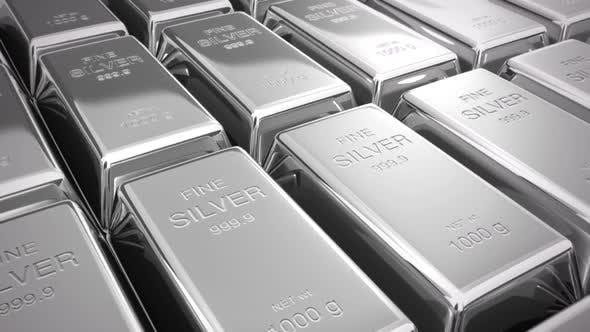
A perfect moment for a thread on the Hunt Brothers and their alleged attempt to corner the silver market...
1/ First, let's set the stage.
The Hunt Brothers - Nelson Bunker Hunt, William Herbert Hunt, and Lamar Hunt - were the sons of Texas tycoon H.L. Hunt.
H.L. Hunt had amassed a billion-dollar fortune in the oil industry.
He died in 1974 and left that fortune to his family.
2/ After H.L.'s passing, the Hunt Brothers had taken over the family holdings and successfully managed to expand the Hunt empire.
By the late 1970s, the family's fortune was estimated to be ~$5 billion.
In the financial world, the Hunt name was as good as gold (or silver!).
3/ But the 1970s were a turbulent time in America.
Following the oil crisis of the early 1970s, the U.S. had entered a period of stagflation - a dire macroeconomic condition characterized by high inflation, low growth, and high unemployment.
Stagflation 101
— Sahil Bloom (@SahilBloom) September 2, 2020
The term "stagflation" is used frequently in discussions of monetary policy and risks in the post-COVID world.
But what is stagflation and how does it work?
Here's Stagflation 101!
\U0001f447\U0001f447\U0001f447 pic.twitter.com/at4FmaCmkM
4/ The Hunt Brothers - particularly Nelson Bunker and William Herbert - believed that the inflationary environment would persist and destroy the value of their family's holdings.
To hedge this risk, they turned to silver.
They began buying the metal at ~$3 per ounce in 1973.

You May Also Like


I hate when I learn something new (to me) & stunning about the Jeff Epstein network (h/t MoodyKnowsNada.)
Where to begin?
So our new Secretary of State Anthony Blinken's stepfather, Samuel Pisar, was "longtime lawyer and confidant of...Robert Maxwell," Ghislaine Maxwell's Dad.
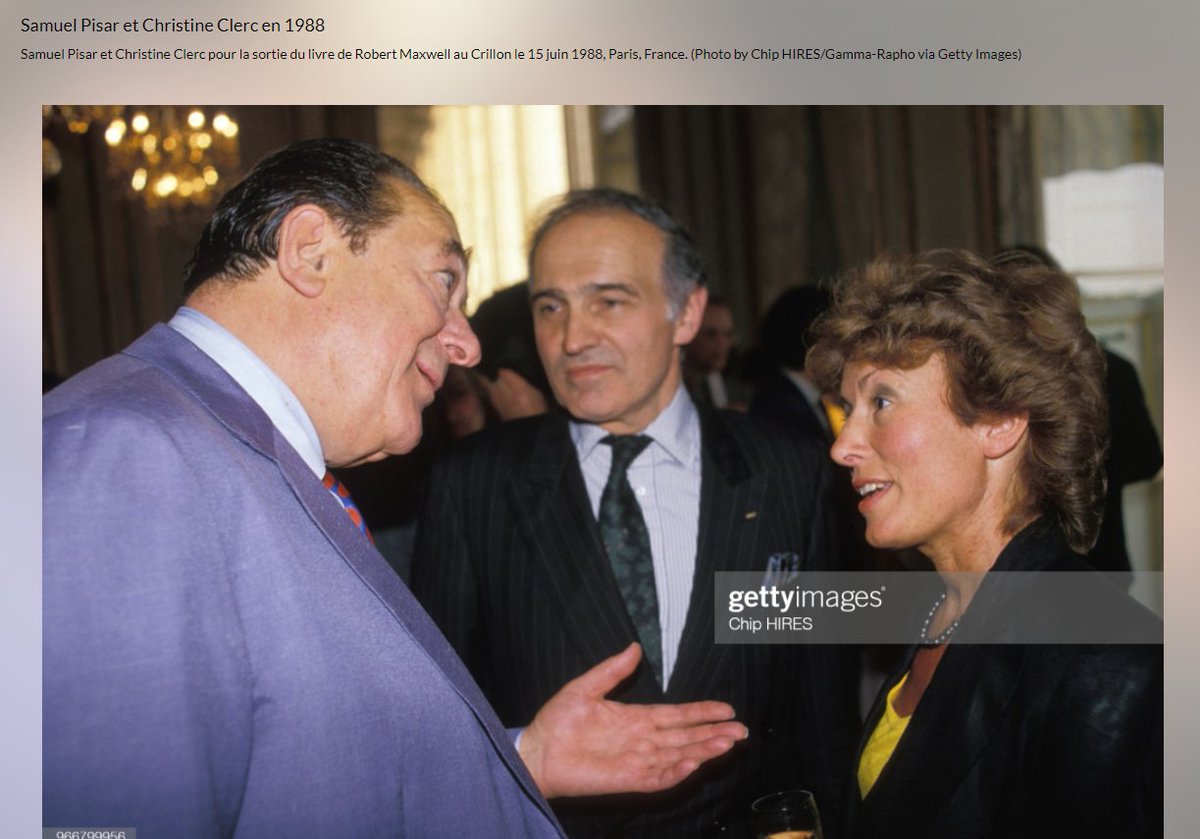
"Pisar was one of the last people to speak to Maxwell, by phone, probably an hour before the chairman of Mirror Group Newspapers fell off his luxury yacht the Lady Ghislaine on 5 November, 1991." https://t.co/DAEgchNyTP
OK, so that's just a coincidence. Moving on, Anthony Blinken "attended the prestigious Dalton School in New York City"...wait, what? https://t.co/DnE6AvHmJg
Dalton School...Dalton School...rings a
Oh that's right.
The dad of the U.S. Attorney General under both George W. Bush & Donald Trump, William Barr, was headmaster of the Dalton School.
Donald Barr was also quite a
I'm not going to even mention that Blinken's stepdad Sam Pisar's name was in Epstein's "black book."
Lots of names in that book. I mean, for example, Cuomo, Trump, Clinton, Prince Andrew, Bill Cosby, Woody Allen - all in that book, and their reputations are spotless.
Where to begin?
So our new Secretary of State Anthony Blinken's stepfather, Samuel Pisar, was "longtime lawyer and confidant of...Robert Maxwell," Ghislaine Maxwell's Dad.
"Pisar was one of the last people to speak to Maxwell, by phone, probably an hour before the chairman of Mirror Group Newspapers fell off his luxury yacht the Lady Ghislaine on 5 November, 1991." https://t.co/DAEgchNyTP
OK, so that's just a coincidence. Moving on, Anthony Blinken "attended the prestigious Dalton School in New York City"...wait, what? https://t.co/DnE6AvHmJg
Dalton School...Dalton School...rings a
Oh that's right.
The dad of the U.S. Attorney General under both George W. Bush & Donald Trump, William Barr, was headmaster of the Dalton School.
Donald Barr was also quite a
Donald Barr had a way with words. pic.twitter.com/JdRBwXPhJn
— Rudy Havenstein, listening to Nas all day. (@RudyHavenstein) September 17, 2020
I'm not going to even mention that Blinken's stepdad Sam Pisar's name was in Epstein's "black book."
Lots of names in that book. I mean, for example, Cuomo, Trump, Clinton, Prince Andrew, Bill Cosby, Woody Allen - all in that book, and their reputations are spotless.

