The immune system requires a consistent influx of both microbes and viruses to remain trained.
I gave masks the benefit of the doubt in the spring/summer of 2020. I have since changed my mind and see no scenario where it makes sense to wear them in public.
Even if they provided 100% protection, I believe masks to be harmful. An explanation below 👇👇👇
The immune system requires a consistent influx of both microbes and viruses to remain trained.
Without training, you will become susceptible to even weaker microbes that your immune system would have normally handled with ease.
Your immune system would slowly degrade similarly not able to complete previous tasks.
The fear and anxiety would only increase as your immune system weakened.
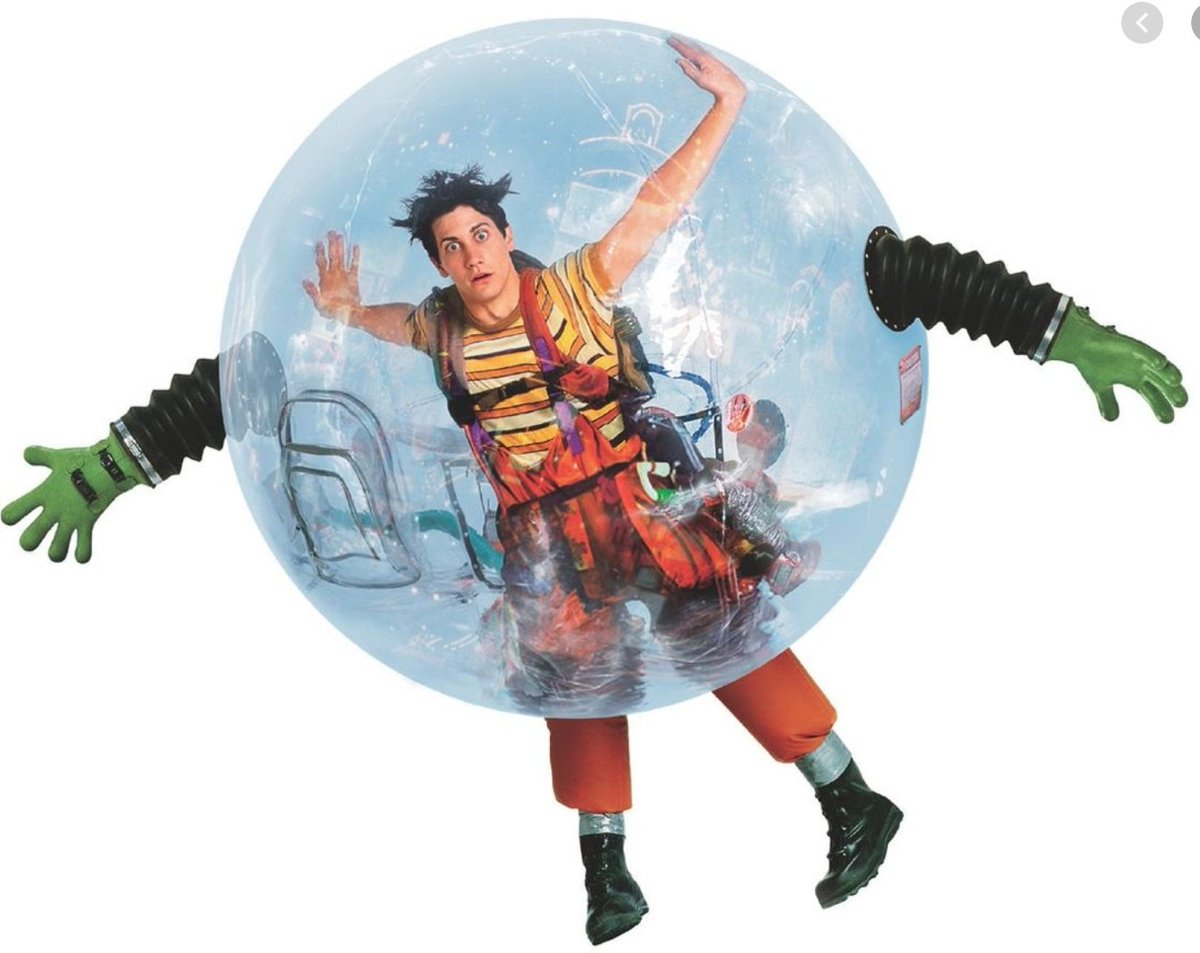
Masks are competing with hundreds of millions of years of evolution, preventing you from completing the most simple task we have to expel germs.
Clogged arteries are filled with cholesterol, yet eating cholesterol does not clog your arteries.
Mother's breast milk is filled with cholesterol and your body will produce the required amounts with what it does not get from diet.
More from Health
🚨New lockdown regulations just published, in force tomorrow
The Health Protection (Coronavirus, Restrictions) (No. 3) and (All Tiers) (England) (Amendment) Regulations 2021
https://t.co/L5jwlTDaIE
(Thread)
These are not a new set of regulations: they are amendments an old set of regulations
Which we thought were gone! But they are back
Welcome back No.3 regulations
A quick thing before we continue!
I have been analysing these laws for free for 9 months now - if you want to say thanks and have a few £ to spare please give to my @LawCentres fundraiser
They give free legal advice to people who need it
They also amend the All Tiers regulations
Oh god it's all amendments by paragraph references
Basically all of England now in Tier 4 and Tier 4 is amended but not by a huge amount
This really is a terrible way to make laws on the fly - who can possibly understand it?!
So, to explain, you need 2 documents open if you want to understand what is going on:
All Tiers regulations (Tiers 1-4, 2 December as amended) https://t.co/IraPQ112ak
And amendments https://t.co/L5jwlTDaIE
No sensible way of doing except by track changes, on it now, back soon
The Health Protection (Coronavirus, Restrictions) (No. 3) and (All Tiers) (England) (Amendment) Regulations 2021
https://t.co/L5jwlTDaIE
(Thread)
These are not a new set of regulations: they are amendments an old set of regulations
Which we thought were gone! But they are back
Welcome back No.3 regulations
A quick thing before we continue!
I have been analysing these laws for free for 9 months now - if you want to say thanks and have a few £ to spare please give to my @LawCentres fundraiser
They give free legal advice to people who need it
They also amend the All Tiers regulations
Oh god it's all amendments by paragraph references
Basically all of England now in Tier 4 and Tier 4 is amended but not by a huge amount
This really is a terrible way to make laws on the fly - who can possibly understand it?!
So, to explain, you need 2 documents open if you want to understand what is going on:
All Tiers regulations (Tiers 1-4, 2 December as amended) https://t.co/IraPQ112ak
And amendments https://t.co/L5jwlTDaIE
No sensible way of doing except by track changes, on it now, back soon
Some thoughts on this: Firstly, it might be personal preference, but I am not keen on this kind of campaign as I feel like it trivialises cancer. Sometimes the serious message gets lost because people are sharing pics of cats or whatever and the important context is gone.
More importantly, the statistic being used in the campaign is misleading. It says 57% of women put off cervical screening if they can't get waxed. But on further investigation, that's not accurate.
The page here goes on to say "57% of women who regularly have their pubic hair professionally removed would put off attending their cervical screening appointment if they hadn’t been able to visit a beauty salon."
So the 57% represents a concern not across the whole population of women, but only those who regularly get waxed. So how big of an issue is this across the whole population? And what else is stopping people getting smears?
I think campaigns for cancer screening are really tricky because there is so much nuance that often doesn't fit into a catchy headline or hashtag. It's certainly not easy and is part of a bigger conversation.
It\u2019s #CervicalCancerPreventionWeek \U0001f499
— myGP (@myGPapp) January 18, 2021
Here\u2019s how you can help to raise awareness:
\U0001f431 Share an image of the cat that best reflects your undercarriage/flower/bits (technical term vulva!) current look.
#\u20e3Use the Hashtag #myCat.
\U0001f46dTell and tag your friends to let them know. pic.twitter.com/8aHf96ynjT
More importantly, the statistic being used in the campaign is misleading. It says 57% of women put off cervical screening if they can't get waxed. But on further investigation, that's not accurate.
The page here goes on to say "57% of women who regularly have their pubic hair professionally removed would put off attending their cervical screening appointment if they hadn’t been able to visit a beauty salon."
So the 57% represents a concern not across the whole population of women, but only those who regularly get waxed. So how big of an issue is this across the whole population? And what else is stopping people getting smears?
I think campaigns for cancer screening are really tricky because there is so much nuance that often doesn't fit into a catchy headline or hashtag. It's certainly not easy and is part of a bigger conversation.
You May Also Like
1/OK, data mystery time.
This New York Times feature shows China with a Gini Index of less than 30, which would make it more equal than Canada, France, or the Netherlands. https://t.co/g3Sv6DZTDE
That's weird. Income inequality in China is legendary.
Let's check this number.
2/The New York Times cites the World Bank's recent report, "Fair Progress? Economic Mobility across Generations Around the World".
The report is available here:
3/The World Bank report has a graph in which it appears to show the same value for China's Gini - under 0.3.
The graph cites the World Development Indicators as its source for the income inequality data.
4/The World Development Indicators are available at the World Bank's website.
Here's the Gini index: https://t.co/MvylQzpX6A
It looks as if the latest estimate for China's Gini is 42.2.
That estimate is from 2012.
5/A Gini of 42.2 would put China in the same neighborhood as the U.S., whose Gini was estimated at 41 in 2013.
I can't find the <30 number anywhere. The only other estimate in the tables for China is from 2008, when it was estimated at 42.8.
This New York Times feature shows China with a Gini Index of less than 30, which would make it more equal than Canada, France, or the Netherlands. https://t.co/g3Sv6DZTDE
That's weird. Income inequality in China is legendary.
Let's check this number.
2/The New York Times cites the World Bank's recent report, "Fair Progress? Economic Mobility across Generations Around the World".
The report is available here:
3/The World Bank report has a graph in which it appears to show the same value for China's Gini - under 0.3.
The graph cites the World Development Indicators as its source for the income inequality data.
4/The World Development Indicators are available at the World Bank's website.
Here's the Gini index: https://t.co/MvylQzpX6A
It looks as if the latest estimate for China's Gini is 42.2.
That estimate is from 2012.
5/A Gini of 42.2 would put China in the same neighborhood as the U.S., whose Gini was estimated at 41 in 2013.
I can't find the <30 number anywhere. The only other estimate in the tables for China is from 2008, when it was estimated at 42.8.