
HAVELLS
Double Top Buy above 1485.56 daily close on 1% Box Size chart. https://t.co/zY8JwRIZUu
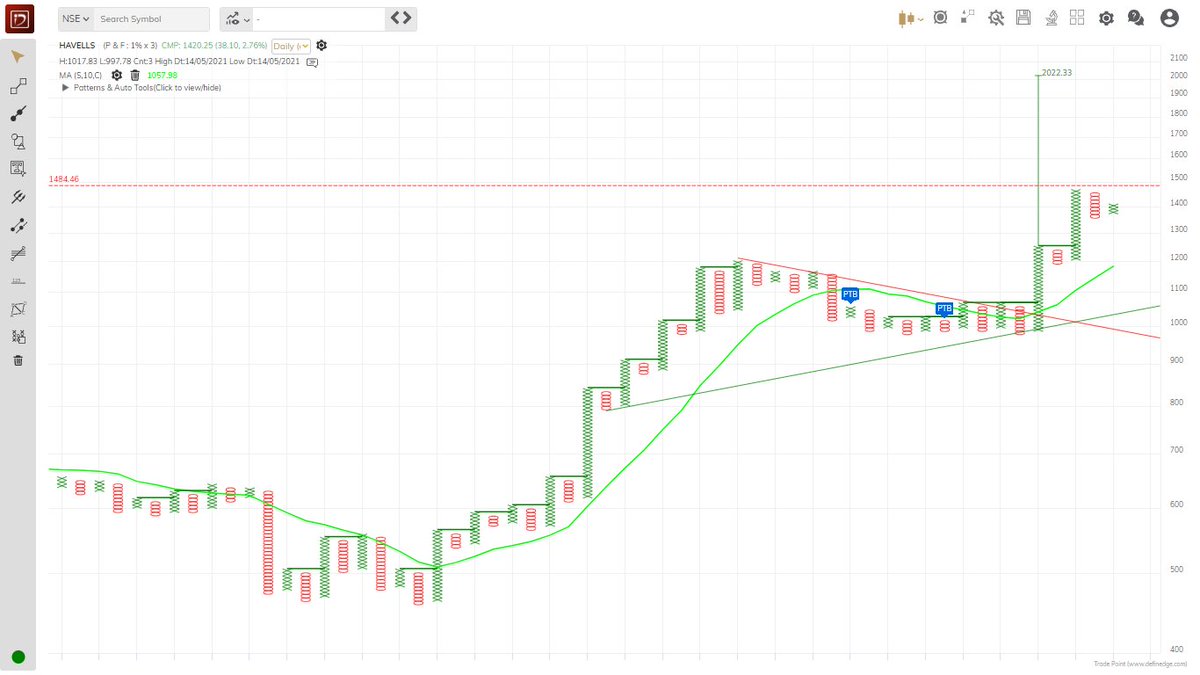
HAVELLS
— Saket Reddy (@saketreddy) August 30, 2021
Double Top Buy, Super Pattern - Bullish & T20 Pattern - Bullish above 1266.91 daily close on 1% Box Size chart. https://t.co/78Tb2dKZkm pic.twitter.com/4lWz25jGgk
More from Saket Reddy
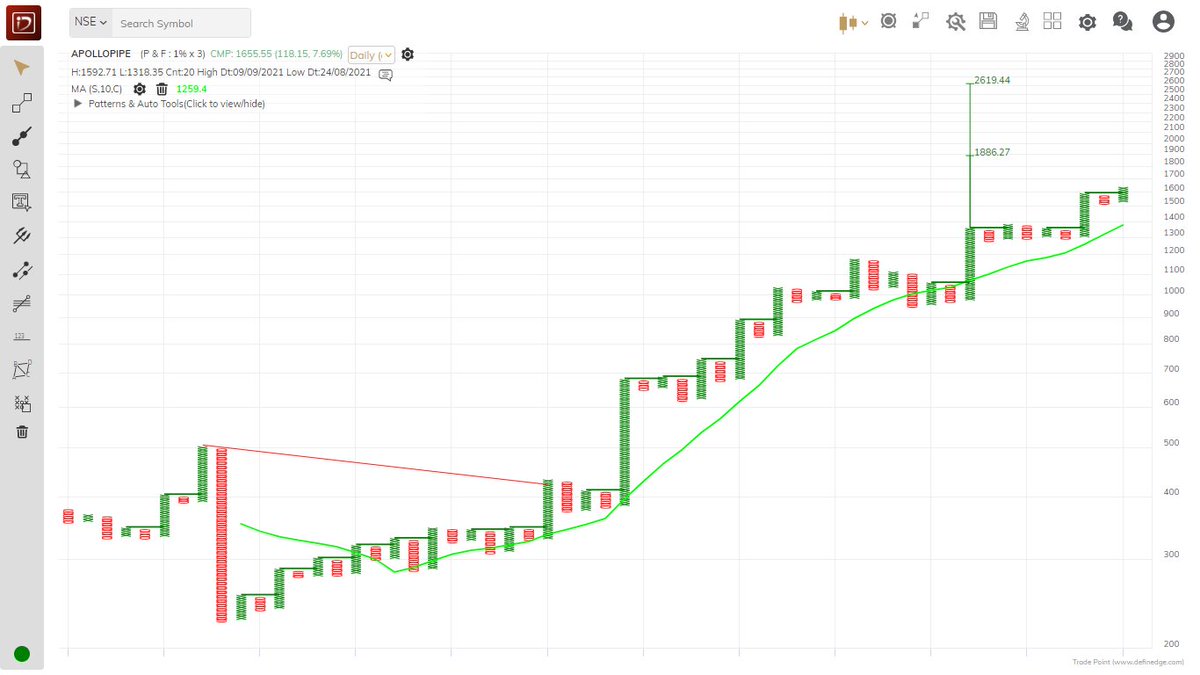
JUBLFOOD
Double Top Buy & T20 Pattern - Bullish above 4058.33 daily close on 1% Box Size chart. https://t.co/DPEehZwkS4
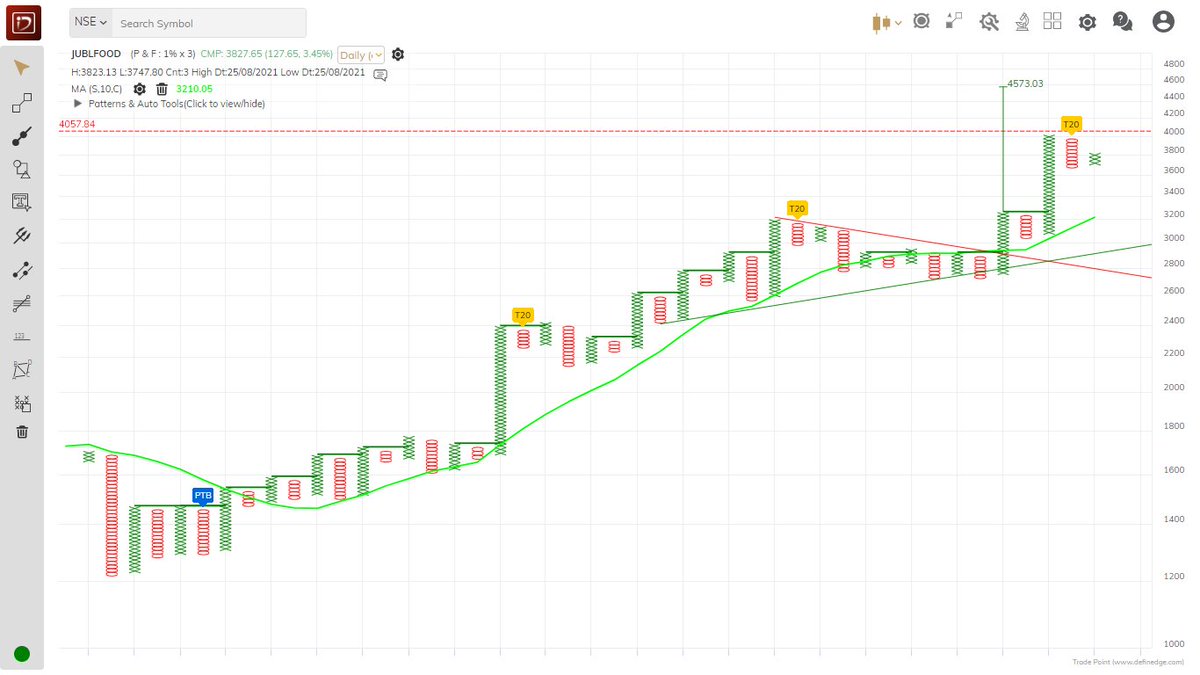
Double Top Buy & T20 Pattern - Bullish above 4058.33 daily close on 1% Box Size chart. https://t.co/DPEehZwkS4
JUBLFOOD
— Saket Reddy (@saketreddy) June 24, 2020
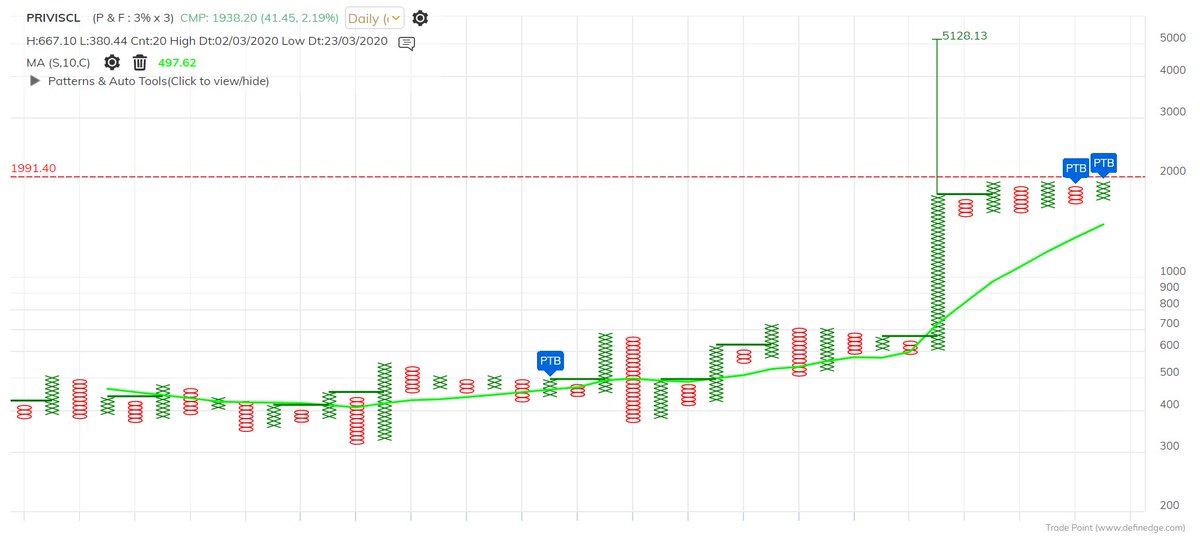
Achieved the second target of 1820 today, now near the first target of 1780!
Got a nice 15-20% move till now.
Trailing stop loss is the best thing one can do now! https://t.co/YidPZamyxz

More from Havells


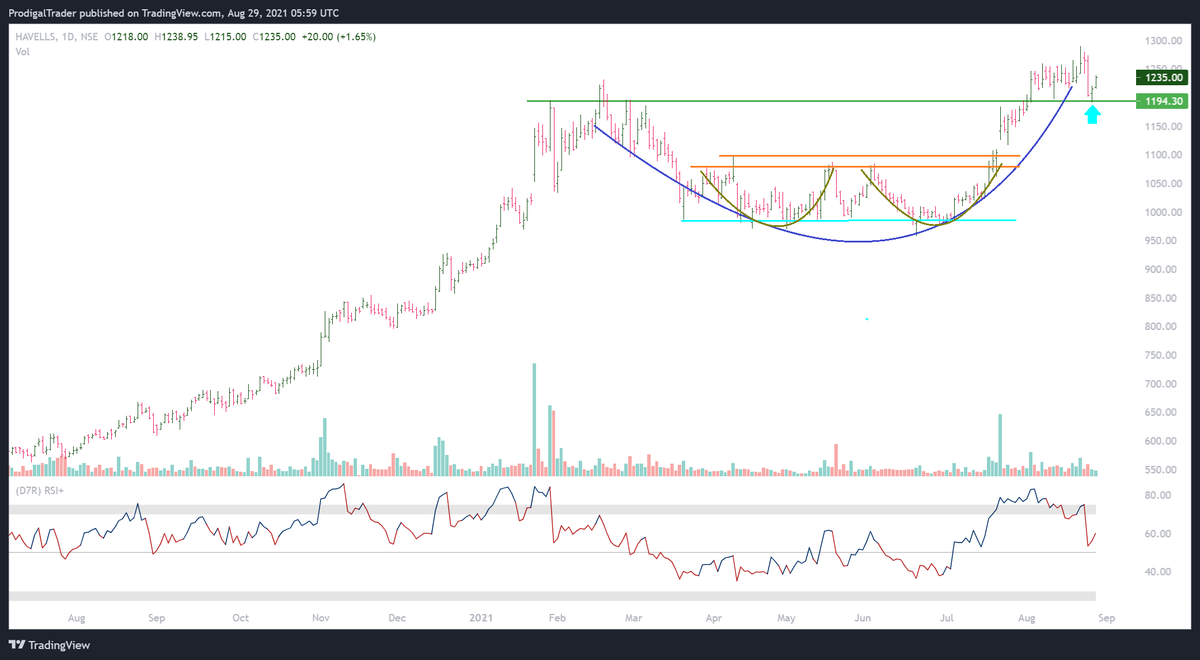

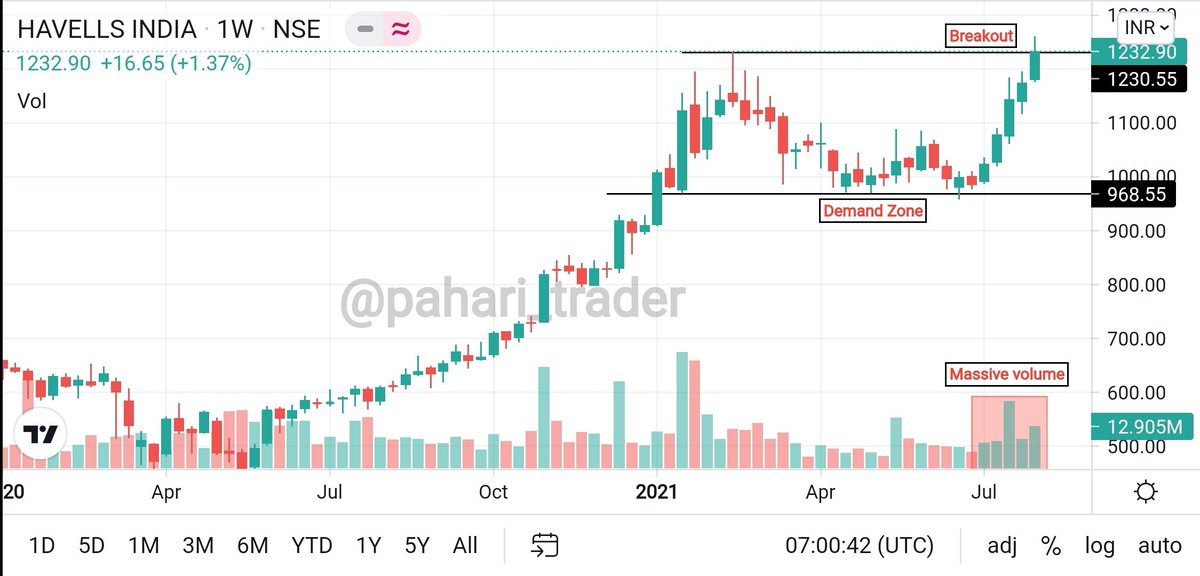


HAVELLS
Double Top Buy, Super Pattern - Bullish & T20 Pattern - Bullish above 1266.91 daily close on 1% Box Size chart. https://t.co/78Tb2dKZkm
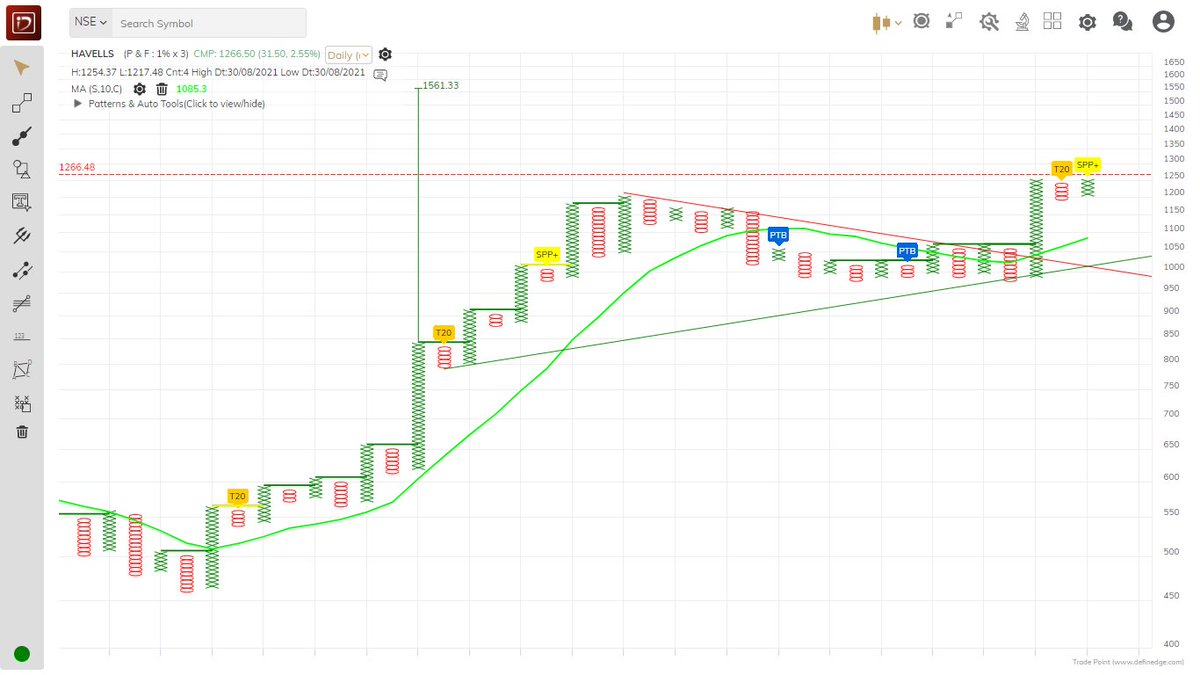
Double Top Buy, Super Pattern - Bullish & T20 Pattern - Bullish above 1266.91 daily close on 1% Box Size chart. https://t.co/78Tb2dKZkm
HAVELLS
— Saket Reddy (@saketreddy) January 5, 2021
DTB above 921.43 daily close (Closed above it today) on 1% box size chart, DTB active on 3% chart.
I would still stick to my earlier point that 1250-1300 is the next logical supply zone. https://t.co/9SyiHd90qg pic.twitter.com/LjtqKvX1Ld
You May Also Like


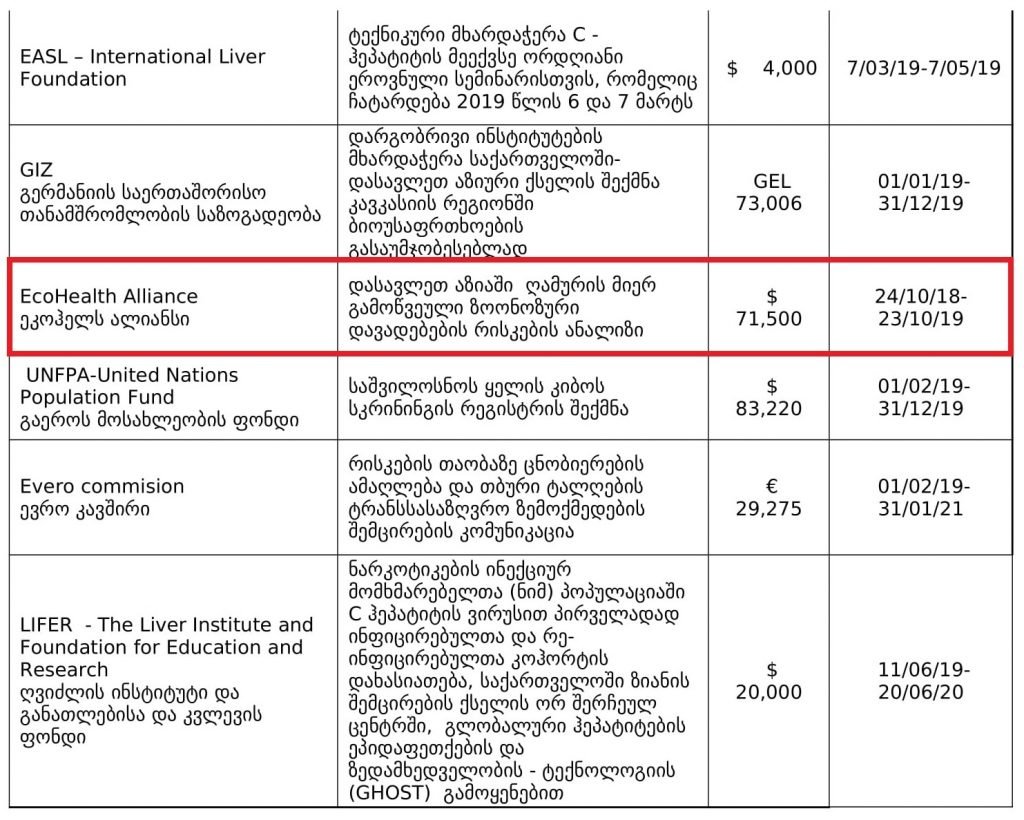
1. Project 1742 (EcoHealth/DTRA)
Risks of bat-borne zoonotic diseases in Western Asia
Duration: 24/10/2018-23 /10/2019
Funding: $71,500
@dgaytandzhieva
https://t.co/680CdD8uug
2. Bat Virus Database
Access to the database is limited only to those scientists participating in our ‘Bats and Coronaviruses’ project
Our intention is to eventually open up this database to the larger scientific community
https://t.co/mPn7b9HM48
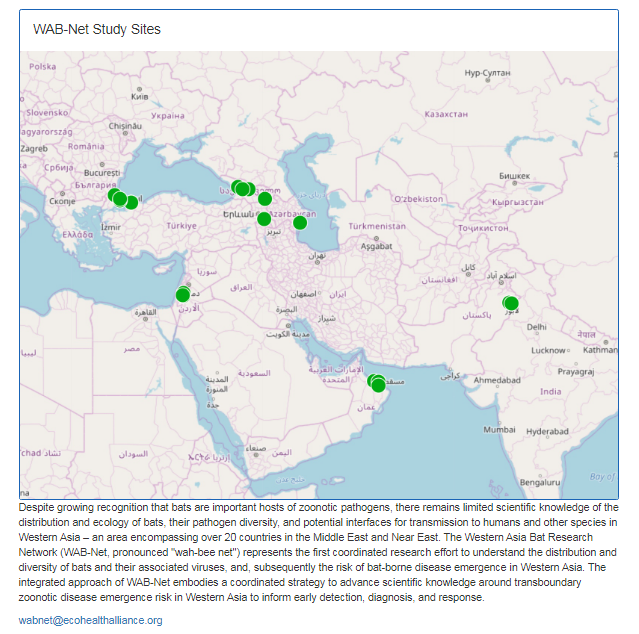
3. EcoHealth Alliance & DTRA Asking for Trouble
One Health research project focused on characterizing bat diversity, bat coronavirus diversity and the risk of bat-borne zoonotic disease emergence in the region.
https://t.co/u6aUeWBGEN
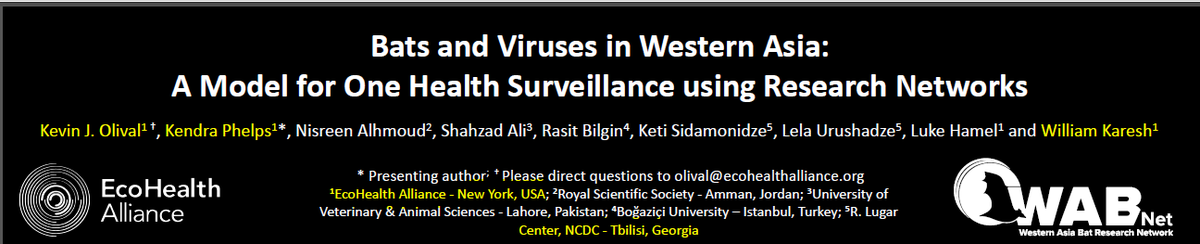
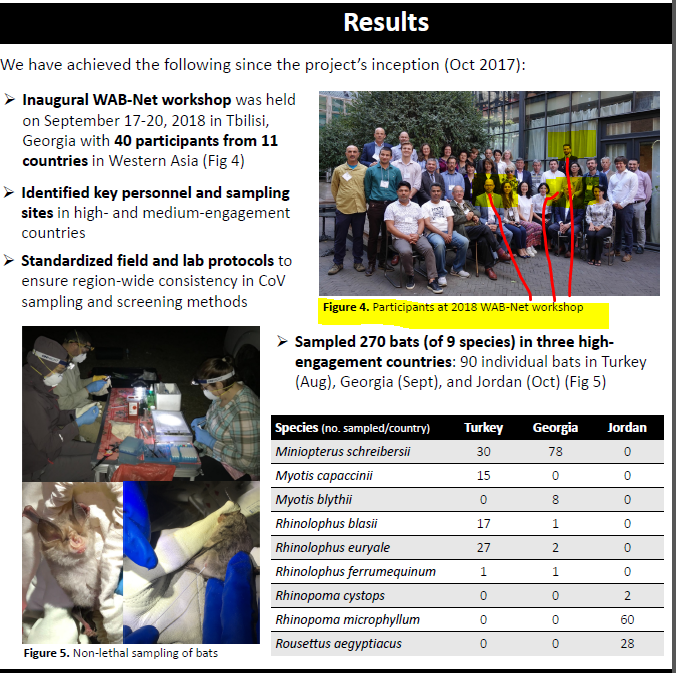
4. Phelps, Olival, Epstein, Karesh - EcoHealth/DTRA
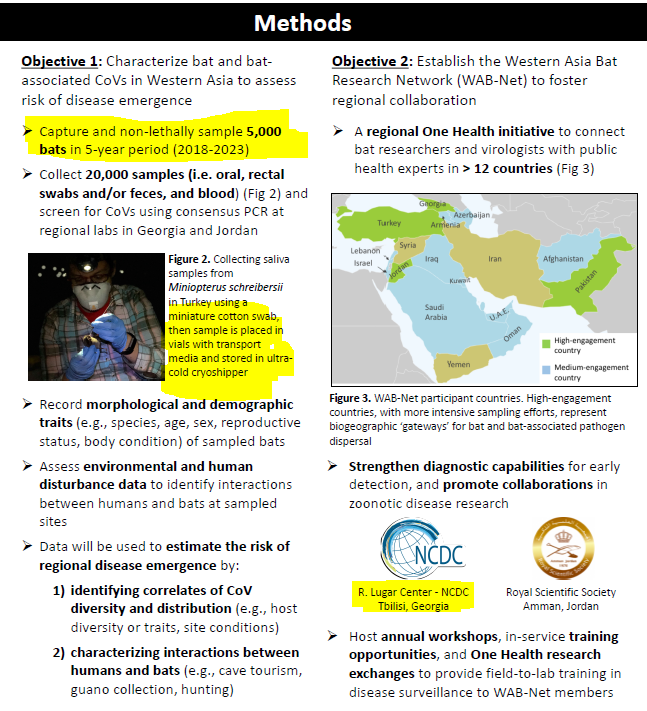
5, Methods and Expected Outcomes
(Unexpected Outcome = New Coronavirus Pandemic)
Risks of bat-borne zoonotic diseases in Western Asia
Duration: 24/10/2018-23 /10/2019
Funding: $71,500
@dgaytandzhieva
https://t.co/680CdD8uug
2. Bat Virus Database
Access to the database is limited only to those scientists participating in our ‘Bats and Coronaviruses’ project
Our intention is to eventually open up this database to the larger scientific community
https://t.co/mPn7b9HM48
3. EcoHealth Alliance & DTRA Asking for Trouble
One Health research project focused on characterizing bat diversity, bat coronavirus diversity and the risk of bat-borne zoonotic disease emergence in the region.
https://t.co/u6aUeWBGEN
4. Phelps, Olival, Epstein, Karesh - EcoHealth/DTRA
5, Methods and Expected Outcomes
(Unexpected Outcome = New Coronavirus Pandemic)