https://t.co/UOFNJ9JU0N
Based on the latest info I could find, here's why what happened on Jan. 6th was worse than we thought.
It was coordinated. This was not merely a crowd of protestors accidentally incited to storm the Capitol by the intemperance of the President & other speakers at the rally.
https://t.co/UOFNJ9JU0N
https://t.co/t1RPkvqx1I
https://t.co/sNYgePVHYh
More from Paul Matzko
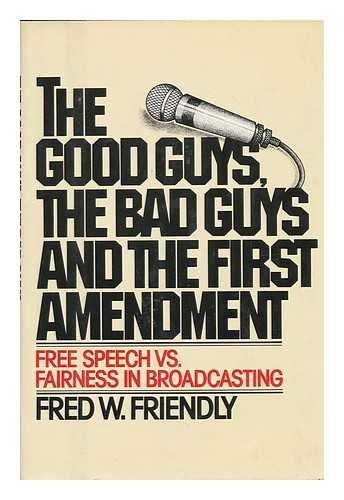
This is a great question from @HeerJeet and it has very old roots. In my book, I discuss a similar period of anxiety in the 1960s about the possibility of Air Force officers being involved in a coup. Thread.
Given the size of the US military in WW2, afterwards there was a spike in concern that some of these demilitarized veterans would be amenable to radicalization and supportive of insurrection. These fears heightened after the coups in France/Algiers in 1958 and 1961.
This was the peak era of the Cold War, so anti-communist anxiety was layered over top. The Right feared that communist infiltrators in the government would subvert the Republic. The Left feared that anti-communist military officers would launch a preemptive, paranoid coup.
Note as well that the foundation for these fears was rooted in a novel concept that journalist Edward Hunter had recently coined, "brainwashing." The idea was that US POWs held by North Korea had been brainwashed into accepting communism & might act as a fifth column back home.
You can see that particular paranoia in cultural artifacts from the time like "The Manchurian Candidate," novel in 1959 and the hit 1962 movie starring Frank Sinatra and the incomparable Angela Lansbury. Those sneaky commies nearly infiltrated the Oval Office itself, oh no!!
What's the back story about why so many former air force people are coup friendly?
— Jeet Heer (@HeerJeet) January 10, 2021
Given the size of the US military in WW2, afterwards there was a spike in concern that some of these demilitarized veterans would be amenable to radicalization and supportive of insurrection. These fears heightened after the coups in France/Algiers in 1958 and 1961.
This was the peak era of the Cold War, so anti-communist anxiety was layered over top. The Right feared that communist infiltrators in the government would subvert the Republic. The Left feared that anti-communist military officers would launch a preemptive, paranoid coup.
Note as well that the foundation for these fears was rooted in a novel concept that journalist Edward Hunter had recently coined, "brainwashing." The idea was that US POWs held by North Korea had been brainwashed into accepting communism & might act as a fifth column back home.
You can see that particular paranoia in cultural artifacts from the time like "The Manchurian Candidate," novel in 1959 and the hit 1962 movie starring Frank Sinatra and the incomparable Angela Lansbury. Those sneaky commies nearly infiltrated the Oval Office itself, oh no!!
More from Government

Canada is failing to act on Climate Change. @wef @WorldBank @IMFNews @IPCC_CH @UNDPGAIN @AntiCorruptIntl @Pontifex @JustinWelby @OCCRP @StopCorpAbuse @TaxJusticeNet @FairTaxCanada @ecojustice_ca @WCELaw @CanEnvLawAssn @envirodefence @IBA_Canada #cdnpoli
Covid recovery money is going to the oligarchy.
Ottawa and the provinces have put very little on the table to help clean-tech companies directly during Covid 19 while targeting fossil-fuel producers with more than $16 billion in aid.
Coast to coast people have demanded treaties be honored. We demanded climate action, divestment and land back but Canada is not listening. This video shows 10 years of rallies in Waterloo Ontario. City & regional council declared a climate emergency. 🚨
The Bank of China (BOC), SNC-Lavalin and WE Charity were recipients of taxpayer-funded the Covid 19 Canadian Emergency Wage Subsidy (CEWS)
Canada: Falling Far Short On Climate Policy, Emissions Reduction and Energy Transition #cdnpoli #bcpoli #alpolitics #onpoli @JimHarris @MikeHudema @SethDKlein @ElizabethMay @CitizensLobbyCa @lulex @kainagata https://t.co/jhm1TXvAKN pic.twitter.com/yEPINC5PTr
— Below2\xb0C (@Below2C_) December 29, 2020
Covid recovery money is going to the oligarchy.
Ottawa and the provinces have put very little on the table to help clean-tech companies directly during Covid 19 while targeting fossil-fuel producers with more than $16 billion in aid.
Coast to coast people have demanded treaties be honored. We demanded climate action, divestment and land back but Canada is not listening. This video shows 10 years of rallies in Waterloo Ontario. City & regional council declared a climate emergency. 🚨
The Bank of China (BOC), SNC-Lavalin and WE Charity were recipients of taxpayer-funded the Covid 19 Canadian Emergency Wage Subsidy (CEWS)