
Wednesday didn’t happen in a vacuum: it happened in a context of rising right-wing terrorism, aimed at their adversaries in the elite (pipe bombs mailed to Obama, Biden, Clinton, DNC) and among the public (Charlottesville, El Paso, Pittsburgh, Charleston).
A word of caution: many aspects of the social, political and informational mess that led to extremists storming the US Capitol are present in Western Europe too. (1)

Wednesday didn’t happen in a vacuum: it happened in a context of rising right-wing terrorism, aimed at their adversaries in the elite (pipe bombs mailed to Obama, Biden, Clinton, DNC) and among the public (Charlottesville, El Paso, Pittsburgh, Charleston).
Against parliamentarians: Jo Cox, Labour Party MP, and Walter Lübke (CDU politician in Hesse) have been assassinated. Plots against other politicians, in Germany and the UK, led to further convictions. (3)
Even more worryingly, the radical right in the institutions has inched closer to legitimising political violence against its adversaries. Nothing like the lionisation of Kyle Rittenhouse in the US, but still a significant trend. (6)
Salvini deflected the blame from the Macerata terrorist:
(8)
The US right's radicalisation happened in a media environment that *needs* a chunk of the electorate to have their own facts. Much blame is laid at the door of sm/internet, but the contribution of ‘traditional’ right-wing media cannot be overstated. (11)
Most worryingly, grand scale spin-offs of the Fox News model are in the works (15)
According to surveys few Western European countries, most notably France and Italy, have similar levels of distrust in elections as the US, but the norm is still a degree of trust. It’s not as common a strategy to delegitimise opponents as in the US. (17)

The extent of police complicity or sympathy for the rioters in the US Capitol is still to be established. But there are worrying areas of overlap between security forces, the radical right, and political violence - in the US, but in Europe too. (21)
More from Government




You May Also Like









Tip from the Monkey
Pangolins, September 2019 and PLA are the key to this mystery
Stay Tuned!
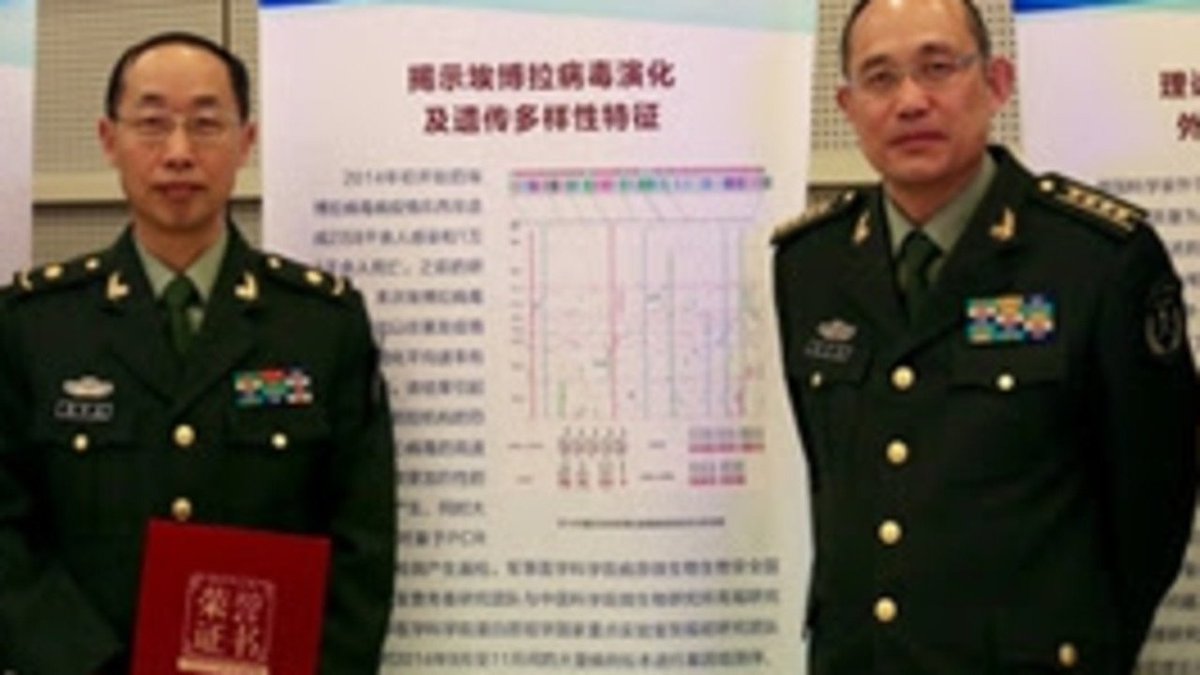
1. Yang
2. A jacobin capuchin dangling a flagellin pangolin on a javelin while playing a mandolin and strangling a mannequin on a paladin's palanquin, said Saladin
More to come tomorrow!

3. Yigang Tong
https://t.co/CYtqYorhzH
Archived: https://t.co/ncz5ruwE2W
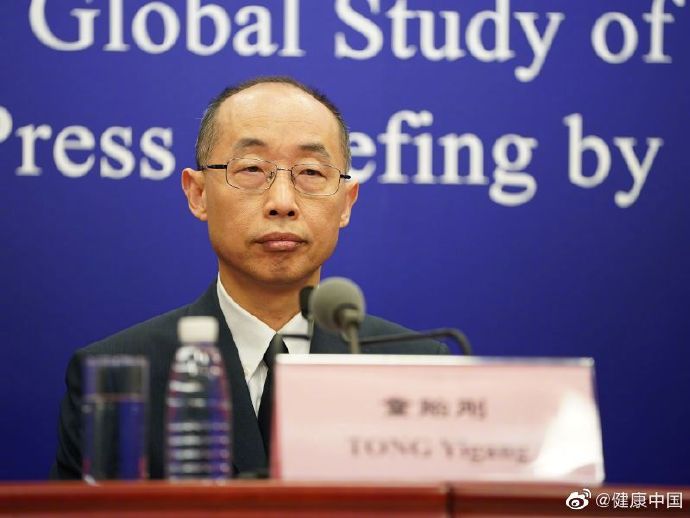
4. YT Interview
Some bats & pangolins carry viruses related with SARS-CoV-2, found in SE Asia and in Yunnan, & the pangolins carrying SARS-CoV-2 related viruses were smuggled from SE Asia, so there is a possibility that SARS-CoV-2 were coming from
Pangolins, September 2019 and PLA are the key to this mystery
Stay Tuned!
1. Yang
Meet Yang Ruifu, CCP's biological weapons expert https://t.co/JjB9TLEO95 via @Gnews202064
— Billy Bostickson \U0001f3f4\U0001f441&\U0001f441 \U0001f193 (@BillyBostickson) October 11, 2020
Interesting expose of China's top bioweapons expert who oversaw fake pangolin research
Paper 1: https://t.co/TrXESKLYmJ
Paper 2:https://t.co/9LSJTNCn3l
Pangolinhttps://t.co/2FUAzWyOcv pic.twitter.com/I2QMXgnkBJ
2. A jacobin capuchin dangling a flagellin pangolin on a javelin while playing a mandolin and strangling a mannequin on a paladin's palanquin, said Saladin
More to come tomorrow!
3. Yigang Tong
https://t.co/CYtqYorhzH
Archived: https://t.co/ncz5ruwE2W
4. YT Interview
Some bats & pangolins carry viruses related with SARS-CoV-2, found in SE Asia and in Yunnan, & the pangolins carrying SARS-CoV-2 related viruses were smuggled from SE Asia, so there is a possibility that SARS-CoV-2 were coming from
