The power helped the attorney general to manage this system - knitting adjudications, rulemaking, & other decisions into one coherent immigration policy framework.
Even those casually following immigration are likely aware of the active role Trump's attorneys general played.
This participation entailed unprecedented use of "referral & review"... a power with a problematic & twisted journey beyond Trump...
More in my report out today⬇️
The power helped the attorney general to manage this system - knitting adjudications, rulemaking, & other decisions into one coherent immigration policy framework.
Allowing the attorney general—the country’s chief law enforcement officer—to intercede in individual immigration cases has raised questions about the true independence of the immigration adjudication system.
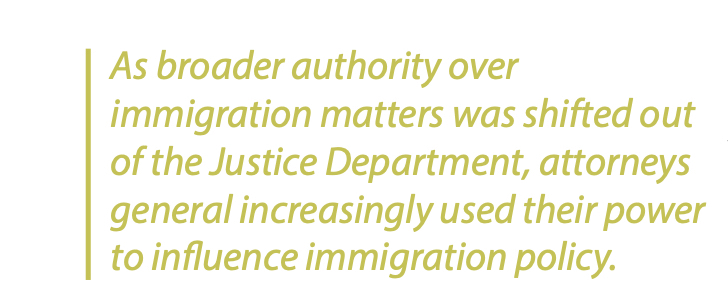
Under the government restructuring following the 9/11 terrorist attacks, most of the immigration system was moved out of the Justice Department.
The attorney general was left with the immigration court system and...referral & review.
It became their tool to affect policy.
These decisions even bind DHS, now the lead agency on immigration.
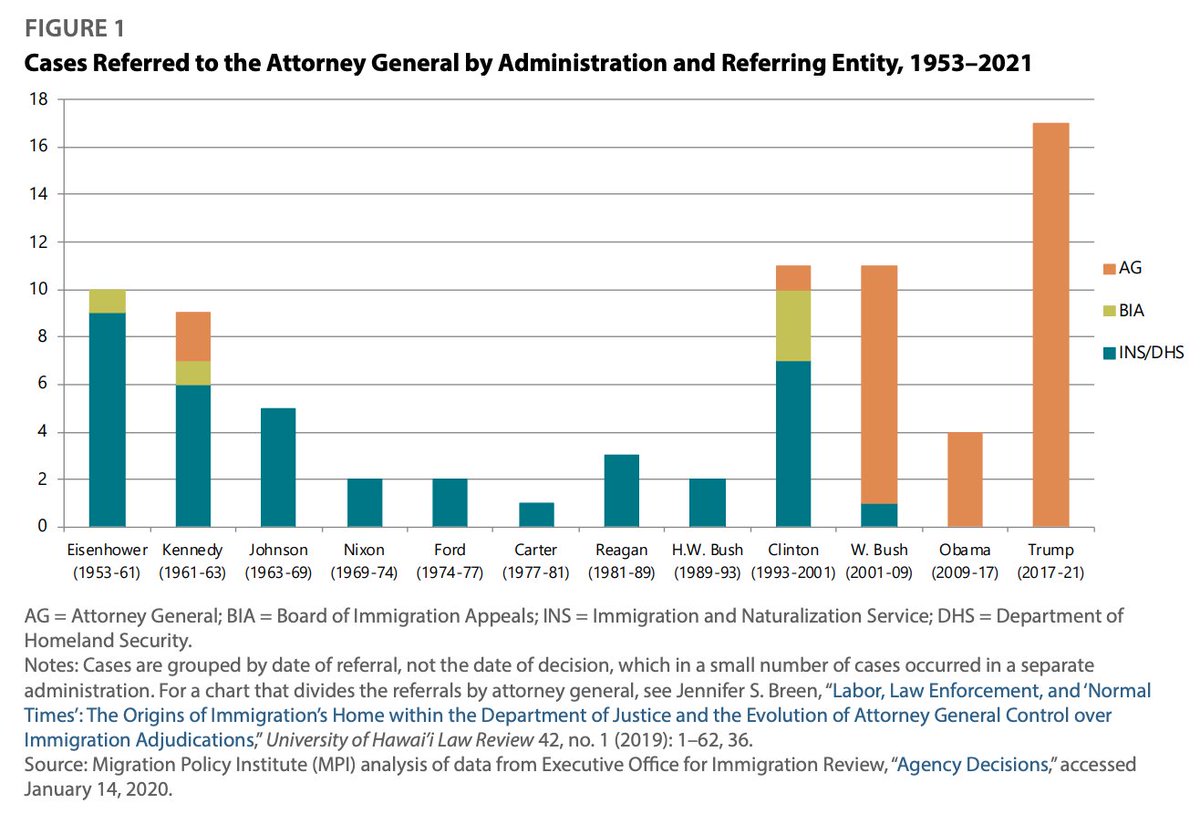
With the Trump administration's aggressive immigration agenda & strategy of pursuing a wide range of administrative tools, attorneys general under Trump self-refer more decisions than under any prior administration.
This compares to 4 during the entirety of the Obama
administration and 10 under George W. Bush (both administrations that lasted two terms rather than one).
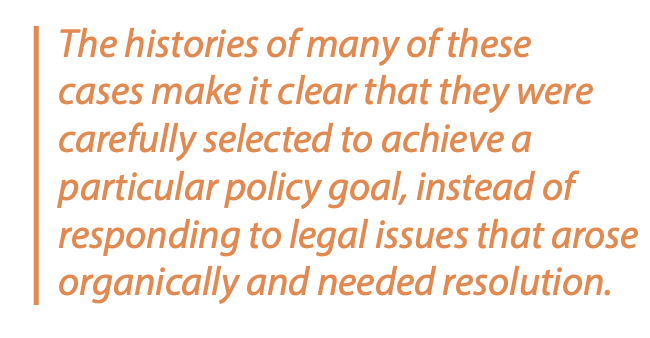
Given its speed and flexibility, referral & review could be a huge help.
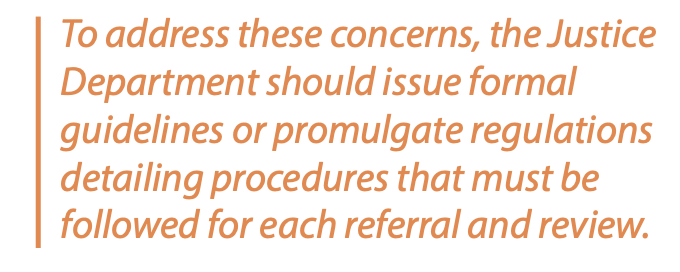
A mandatory process requiring transparency & briefing could be an important step in the right direction.
https://t.co/ndMANPaj5o
More from Government

Canada is failing to act on Climate Change. @wef @WorldBank @IMFNews @IPCC_CH @UNDPGAIN @AntiCorruptIntl @Pontifex @JustinWelby @OCCRP @StopCorpAbuse @TaxJusticeNet @FairTaxCanada @ecojustice_ca @WCELaw @CanEnvLawAssn @envirodefence @IBA_Canada #cdnpoli
Covid recovery money is going to the oligarchy.
Ottawa and the provinces have put very little on the table to help clean-tech companies directly during Covid 19 while targeting fossil-fuel producers with more than $16 billion in aid.
Coast to coast people have demanded treaties be honored. We demanded climate action, divestment and land back but Canada is not listening. This video shows 10 years of rallies in Waterloo Ontario. City & regional council declared a climate emergency. 🚨
The Bank of China (BOC), SNC-Lavalin and WE Charity were recipients of taxpayer-funded the Covid 19 Canadian Emergency Wage Subsidy (CEWS)
Canada: Falling Far Short On Climate Policy, Emissions Reduction and Energy Transition #cdnpoli #bcpoli #alpolitics #onpoli @JimHarris @MikeHudema @SethDKlein @ElizabethMay @CitizensLobbyCa @lulex @kainagata https://t.co/jhm1TXvAKN pic.twitter.com/yEPINC5PTr
— Below2\xb0C (@Below2C_) December 29, 2020
Covid recovery money is going to the oligarchy.
Ottawa and the provinces have put very little on the table to help clean-tech companies directly during Covid 19 while targeting fossil-fuel producers with more than $16 billion in aid.
Coast to coast people have demanded treaties be honored. We demanded climate action, divestment and land back but Canada is not listening. This video shows 10 years of rallies in Waterloo Ontario. City & regional council declared a climate emergency. 🚨
The Bank of China (BOC), SNC-Lavalin and WE Charity were recipients of taxpayer-funded the Covid 19 Canadian Emergency Wage Subsidy (CEWS)