Broadly in 1995 (or “legacy”) pension scheme, each year you got 1/80th of your “final salary” as a pension & 3/80th a tax free lump sum
1/ A thread [1/2]about your NHS pensions, tax & the age discrmination “McCloud” case👇
OK this is complicated stuff, Im going to take you through it step by step. But its important, and will affect your pension, so buckle up and pay attention!
Please share & RT/share awareness
Broadly in 1995 (or “legacy”) pension scheme, each year you got 1/80th of your “final salary” as a pension & 3/80th a tax free lump sum
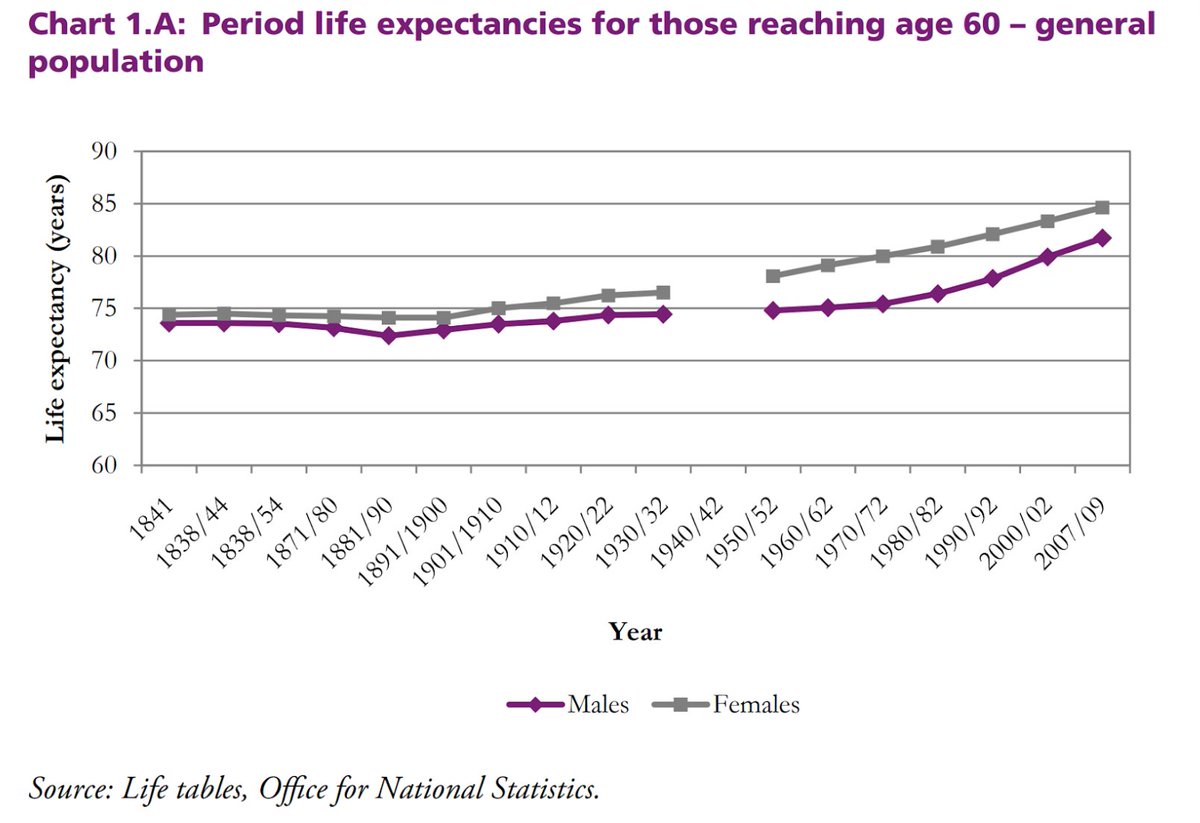
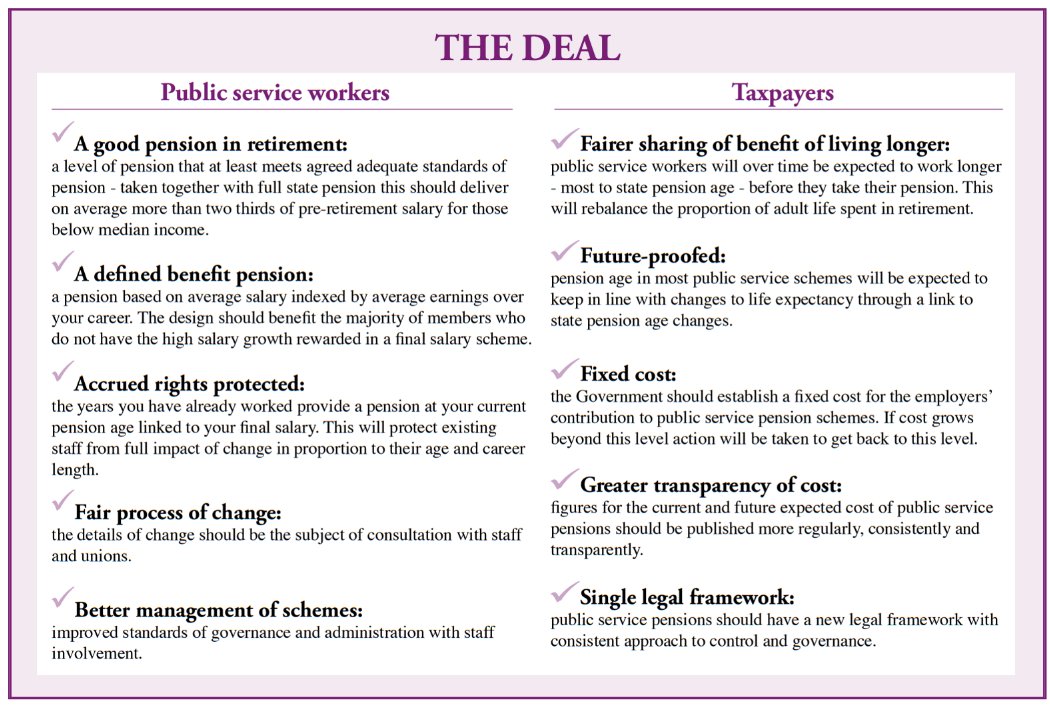
● CARE (not fin sal)
● 1/54ths (not 80ths/60ths), “revalued” at 1.5%/yr
● State pension age (not 60 or 65)
● Final salary link maintained for pre-2015 pension
Government ignored him and decided to either fully protect those closest (full protection) or just behind this cohort (tapered protection)
Whoops
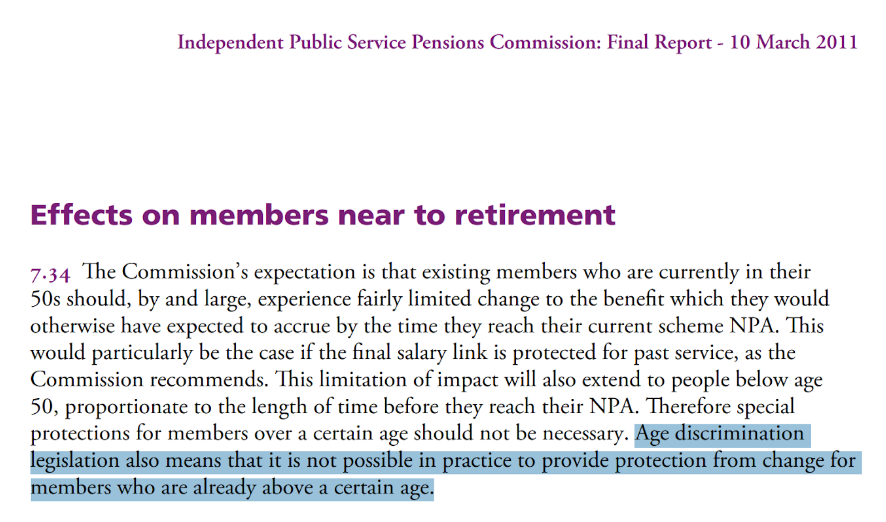
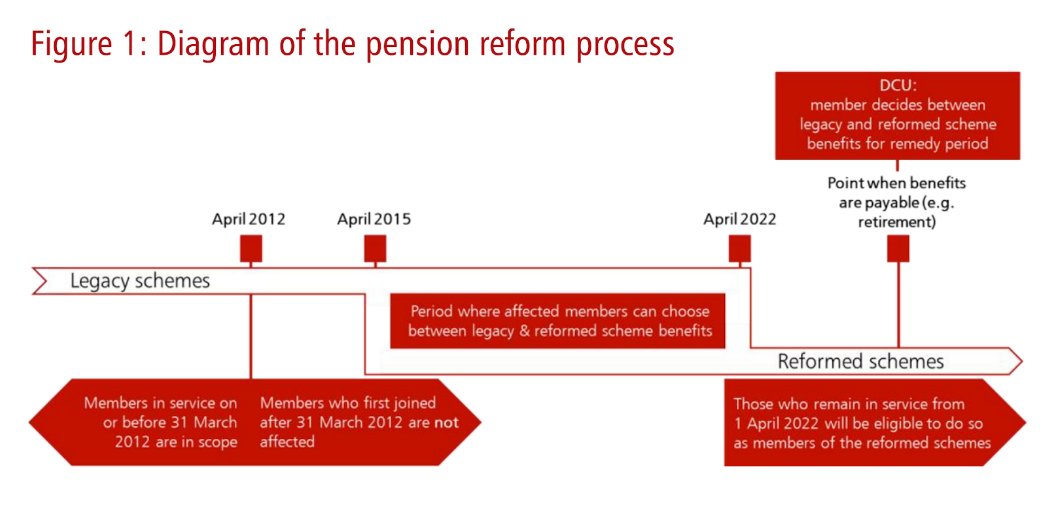
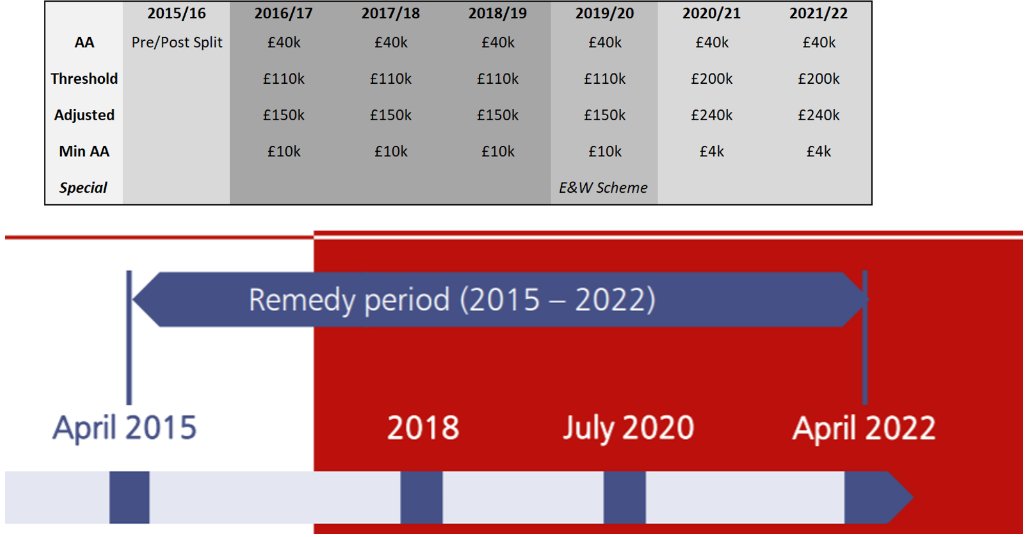
contin/ 26.. https://t.co/jSvpkEyzj0
Cont\U0001f447
— Dr Tony Goldstone \U0001f499 (@goldstone_tony) February 13, 2021
26/ If you have paid AA tax between 1995-22 it is likely your charges will be lower in 1995 than in 2015 scheme. This is because the AA rules are particularly unfair to members of 2 schemes. If your AA charges go down during any of the remedy period, you can claim a refund
More from Finance


If you want to become financially independent and don't know where to start, here is a thread that will help you get started
/THREAD/
1. Review your expenses and make a budget
It will help you see where you overspend, make a plan to save, pay down debt and start
2. Set your investing and retirement goals
How much do you need to support yourself in retirement and when do you want to
3. The earlier you start investing, the better.
Here's why and how time and compounding can become your
4. Invest in an index fund
It's easy, safe, cheap, and the best choice for a beginner in investing, with not much time for
/THREAD/
1. Review your expenses and make a budget
It will help you see where you overspend, make a plan to save, pay down debt and start
Budgeting, the 50-30-20 rule, and the envelope method
— Kostas \U0001f468\u200d\U0001f4bc \U0001f4c8 \U0001f4b8 (@itsKostasWithK) January 6, 2021
Your first step towards financial independence
/THREAD/ pic.twitter.com/Tmuc3Itca5
2. Set your investing and retirement goals
How much do you need to support yourself in retirement and when do you want to
The most important number for your retirement: The 4% rule
— Kostas \U0001f468\u200d\U0001f4bc \U0001f4c8 \U0001f4b8 (@itsKostasWithK) January 7, 2021
What Is the Four Percent Rule?
/THREAD/ pic.twitter.com/8n1R1UZI5c
3. The earlier you start investing, the better.
Here's why and how time and compounding can become your
The Miracle of Compound Interest and the Rule of 72
— Kostas \U0001f468\u200d\U0001f4bc \U0001f4c8 \U0001f4b8 (@itsKostasWithK) January 2, 2021
//THREAD// pic.twitter.com/AOqd3kL6cn
4. Invest in an index fund
It's easy, safe, cheap, and the best choice for a beginner in investing, with not much time for
Jack Bogle, the Father of Indexing
— Kostas \U0001f468\u200d\U0001f4bc \U0001f4c8 \U0001f4b8 (@itsKostasWithK) January 8, 2021
How John "Jack" Bogle's creation impacted investors more than Bill Gates, Steve Jobs, and Warren Buffett combined
/THREAD/ pic.twitter.com/4wPi8x3cXn

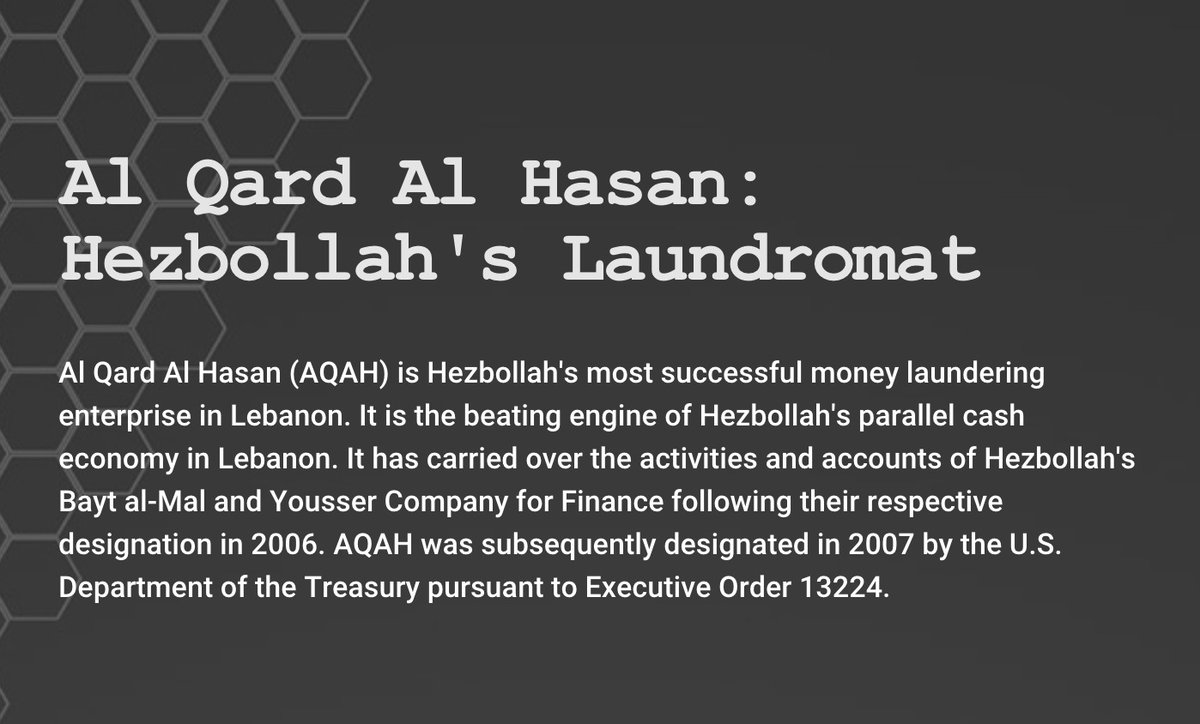
Last week Hizbollah's finance institution Al Qard el Hasan was hacked by Spiderz. A group of people took that Data and tried to make sense out of it. Below are the findings
https://t.co/eGLqvb28o5
Loans are provided to borrowers for gold deposits or other guarantees, to the association's members and to unsecured applicants.
AQAH had a carried forward loan balance of $450 million as of December 31, 2019. This balance has been increasing at a yearly rate of 13.4%.
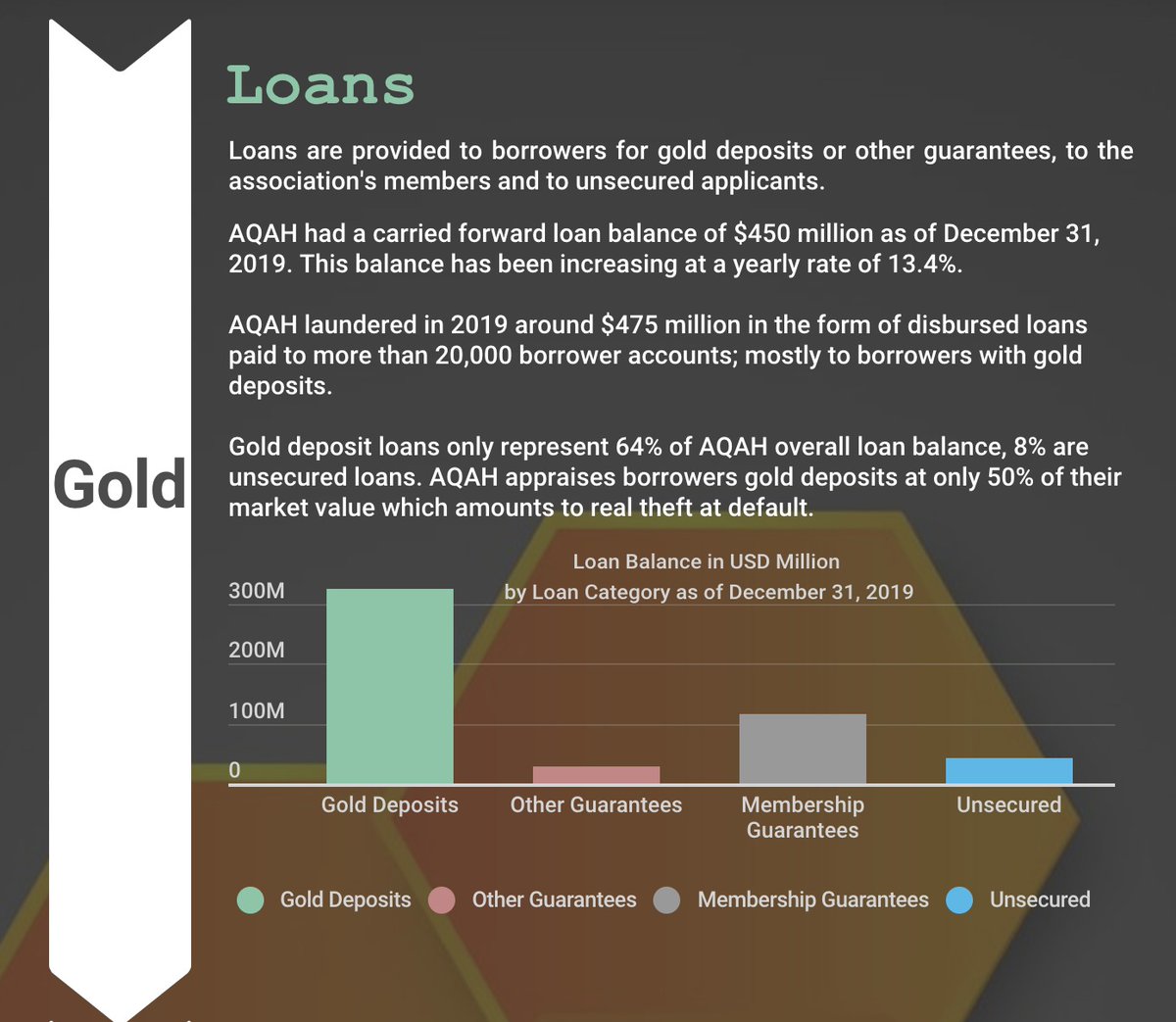
AQAH laundered around $475 million in 2019 in the form of disbursed loans paid to more than 20,000 borrower accounts; mostly to borrowers with gold deposits.
Deposits accounts have been offered to 307,000 members of the association, 83,000 contributors as well as to 600 companies. AQAH closed 2019 with an overall depositors accounts balance of around $500 million.
https://t.co/eGLqvb28o5
Loans are provided to borrowers for gold deposits or other guarantees, to the association's members and to unsecured applicants.
AQAH had a carried forward loan balance of $450 million as of December 31, 2019. This balance has been increasing at a yearly rate of 13.4%.
AQAH laundered around $475 million in 2019 in the form of disbursed loans paid to more than 20,000 borrower accounts; mostly to borrowers with gold deposits.
Deposits accounts have been offered to 307,000 members of the association, 83,000 contributors as well as to 600 companies. AQAH closed 2019 with an overall depositors accounts balance of around $500 million.