APPLYING TO GRAD SCHOOL, POST #18: INTERVIEWS (PART 4)
You've finished your interview(s) and you're tired, but it's not over quite yet! What should you do after interviews?
@OpenAcademics @PhDVoice #AcademicChatter #AcademicTwitter #phdchat #gradschool #firstgen #nontraditional
That was all to say, try to make notes of tough questions so that you can be prepared for similar questions in the future, but don't beat yourself up if you...
Next, I would recommend sending thank-you emails to your interviewers. My best advice is to make them brief but personal. Send an email to each interviewer thanking them for their time and their consideration, and...
If you were introduced to any current students...
I've mentioned previously how important administrative staff are; please remember to thank them for their time too! Their jobs are extremely difficult, especially at this time of year, so please show them some appreciation for their diligent efforts to...
By now, you might have experienced enough of your prospective...
More from Education






You May Also Like


THREAD PART 1.
On Sunday 21st June, 14 year old Noah Donohoe left his home to meet his friends at Cave Hill Belfast to study for school. #RememberMyNoah💙
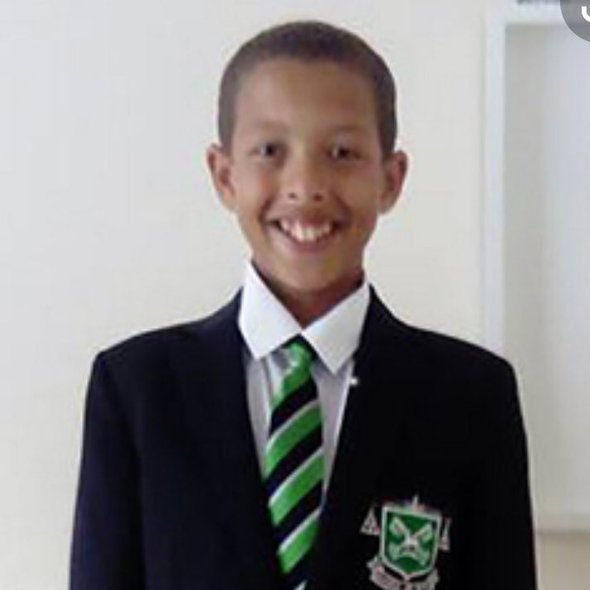
He was on his black Apollo mountain bike, fully dressed, wearing a helmet and carrying a backpack containing his laptop and 2 books with his name on them. He also had his mobile phone with him.
On the 27th of June. Noah's naked body was sadly discovered 950m inside a storm drain, between access points. This storm drain was accessible through an area completely unfamiliar to him, behind houses at Northwood Road. https://t.co/bpz3Rmc0wq
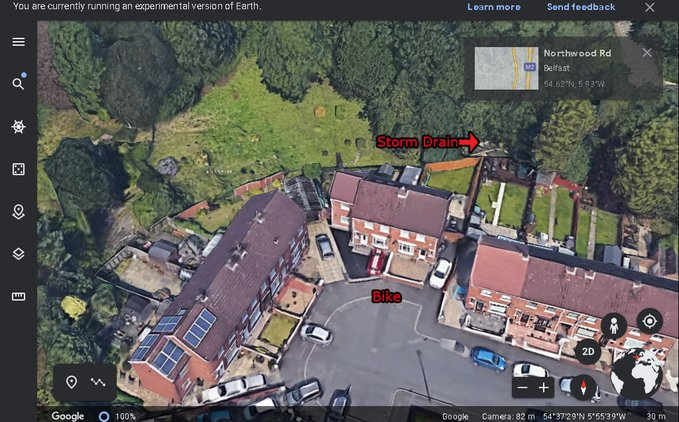
"Noah's body was found by specially trained police officers between two drain access points within a section of the tunnel running under the Translink access road," said Mr McCrisken."
Noah's bike was also found near a house, behind a car, in the same area. It had been there for more than 24 hours before a member of public who lived in the street said she read reports of a missing child and checked the bike and phoned the police.
On Sunday 21st June, 14 year old Noah Donohoe left his home to meet his friends at Cave Hill Belfast to study for school. #RememberMyNoah💙
He was on his black Apollo mountain bike, fully dressed, wearing a helmet and carrying a backpack containing his laptop and 2 books with his name on them. He also had his mobile phone with him.
On the 27th of June. Noah's naked body was sadly discovered 950m inside a storm drain, between access points. This storm drain was accessible through an area completely unfamiliar to him, behind houses at Northwood Road. https://t.co/bpz3Rmc0wq
"Noah's body was found by specially trained police officers between two drain access points within a section of the tunnel running under the Translink access road," said Mr McCrisken."
Noah's bike was also found near a house, behind a car, in the same area. It had been there for more than 24 hours before a member of public who lived in the street said she read reports of a missing child and checked the bike and phoned the police.