"Trauma-informed Pedagogy and How is Your Heart?": https://t.co/dPAqeV9B3w
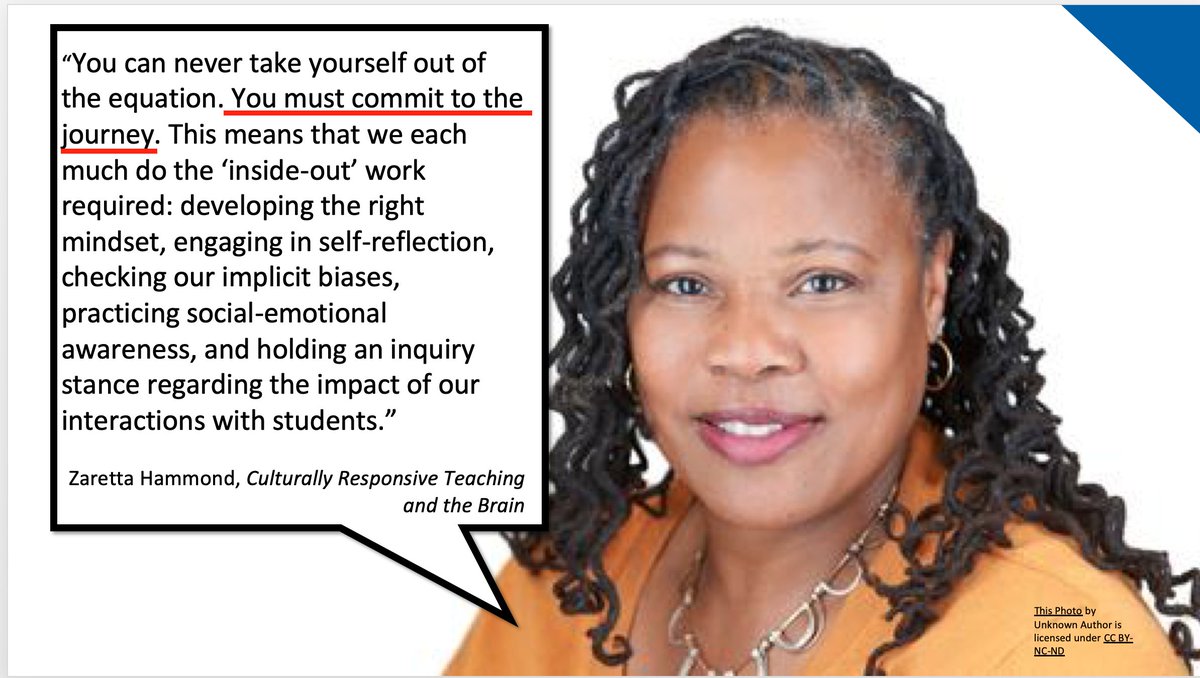
reminding you that, while we didn't cover "how do i work through a coup" in the faculty development workshop (FWIW my answer is "don't", seek breath and togetherness instead), we DO have the gift of trauma-informed pedagogy. here are a few links for the coming days/weeks/months:
"Trauma-informed Pedagogy and How is Your Heart?": https://t.co/dPAqeV9B3w
"Hope can be a passive gesture: “let’s hope it all turns out OK.” But hope can also be active, as a resistive act of defiance, self-empowerment & enduring resilience even in the face of uncertainty."
https://t.co/dsDsBteIaS
https://t.co/Sllyc5meRf
https://t.co/NeaDRH1aKo
Breathe with your students. It is so powerful.
Make time to listen:
https://t.co/aMs0tKWCNF
More from Education


When the university starts sending out teaching evaluation reminders, I tell all my classes about bias in teaching evals, with links to the evidence. Here's a version of the email I send, in case anyone else wants to poach from it.
1/16
When I say "anyone": needless to say, the people who are benefitting from the bias (like me) are the ones who should helping to correct it. Men in math, this is your job! Of course, it should also be dealt with at the institutional level, not just ad hoc.
OK, on to my email:
2/16
"You may have received automated reminders about course evals this fall. I encourage you to fill the evals out. I'd be particularly grateful for written feedback about what worked for you in the class, what was difficult, & how you ultimately spent your time for this class.
3/16
However, I don't feel comfortable just sending you an email saying: "please take the time to evaluate me". I do think student evaluations of teachers can be valuable: I have made changes to my teaching style as a direct result of comments from student teaching evaluations.
4/16
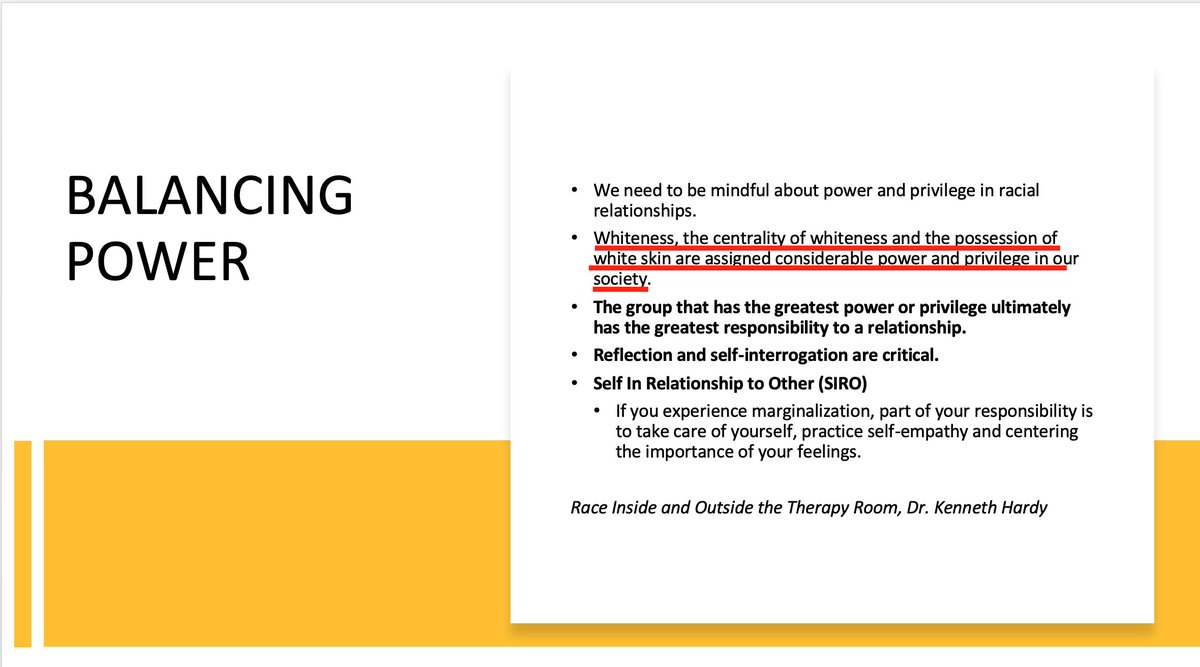
But teaching evaluations have a weakness: they are not an unbiased estimator of teaching quality. There is strong evidence that teaching evals tend to favour men over women, and that teaching evals tend to favour white instructors over non-white instructors.
5/16
1/16
When a teaching award is based solely on teaching evals and then only men get it. pic.twitter.com/szIBkCvTe9
— Dr. Marissa Kawehi (@MarissaKawehi) February 12, 2021
When I say "anyone": needless to say, the people who are benefitting from the bias (like me) are the ones who should helping to correct it. Men in math, this is your job! Of course, it should also be dealt with at the institutional level, not just ad hoc.
OK, on to my email:
2/16
"You may have received automated reminders about course evals this fall. I encourage you to fill the evals out. I'd be particularly grateful for written feedback about what worked for you in the class, what was difficult, & how you ultimately spent your time for this class.
3/16
However, I don't feel comfortable just sending you an email saying: "please take the time to evaluate me". I do think student evaluations of teachers can be valuable: I have made changes to my teaching style as a direct result of comments from student teaching evaluations.
4/16
But teaching evaluations have a weakness: they are not an unbiased estimator of teaching quality. There is strong evidence that teaching evals tend to favour men over women, and that teaching evals tend to favour white instructors over non-white instructors.
5/16


I get asked a lot how you can improve your skills and chances of getting a job as a developer. Best way is to work on a real-world project, deploy it, make it open-source, get feedback from others, share your knowledge, rinse, repeat.
Here are my top 7 project ideas. Thread 👇
1. 📊 Build an embeddable user feedback form (clone of https://t.co/xFHvT7iFEf) . Have a top notch design, fully working, minimal bugs, open-source, deploy it free on Heroku / Netlify / Vercel. If you can spare $11, buy a domain. Share with the whole world when done.
2. 🚀 Build a product roadmap SAAS.(https://t.co/Rq9DBeCMlh) Users can create new projects, create different stages for their projects. The community can submit project ideas, vote on existing ideas. Project owners pay a monthly fee per project.
3. ⛈️ Build a digital marketplace. (https://t.co/BWd1aeWMt5) Sellers can upload digital products for sale. Customers can purchase digital products and securely download. Sellers are paid out at the end of every month. Don't make it complicated, implement a great design.
4. 👨🏭 Build a job board software (https://t.co/EjWoMyqi9H). Companies can post jobs for a price, providing a link to the job application form. Jobs can be highlighted as urgent for an additional price.
Here are my top 7 project ideas. Thread 👇
1. 📊 Build an embeddable user feedback form (clone of https://t.co/xFHvT7iFEf) . Have a top notch design, fully working, minimal bugs, open-source, deploy it free on Heroku / Netlify / Vercel. If you can spare $11, buy a domain. Share with the whole world when done.
2. 🚀 Build a product roadmap SAAS.(https://t.co/Rq9DBeCMlh) Users can create new projects, create different stages for their projects. The community can submit project ideas, vote on existing ideas. Project owners pay a monthly fee per project.
3. ⛈️ Build a digital marketplace. (https://t.co/BWd1aeWMt5) Sellers can upload digital products for sale. Customers can purchase digital products and securely download. Sellers are paid out at the end of every month. Don't make it complicated, implement a great design.
4. 👨🏭 Build a job board software (https://t.co/EjWoMyqi9H). Companies can post jobs for a price, providing a link to the job application form. Jobs can be highlighted as urgent for an additional price.