https://t.co/zt5PKT06Xr
How we got here, a thread (1/25)

https://t.co/zt5PKT06Xr
https://t.co/F0msj2r7HL
https://t.co/YOPeRqFzPj
https://t.co/z5AGSjhn1c
https://t.co/NrFTWrHeVC
https://t.co/yJSnNpHohi
https://t.co/66wpriA4Pk
https://t.co/u2pRzhiWFb
https://t.co/bas8TdwxK8
https://t.co/TOs1tppQkU
https://t.co/l5WwaC1glH
https://t.co/Zwm2H7fLfE
https://t.co/yeYDz0KRcy
https://t.co/AEUXPZGxff
https://t.co/boQDtUPyFW
https://t.co/pMTsY0cQN2
https://t.co/Rx6lzCntc1
https://t.co/aczChktDlk
https://t.co/zLEc4W4rxo
https://t.co/8I0Jt9nwzk
More from Education


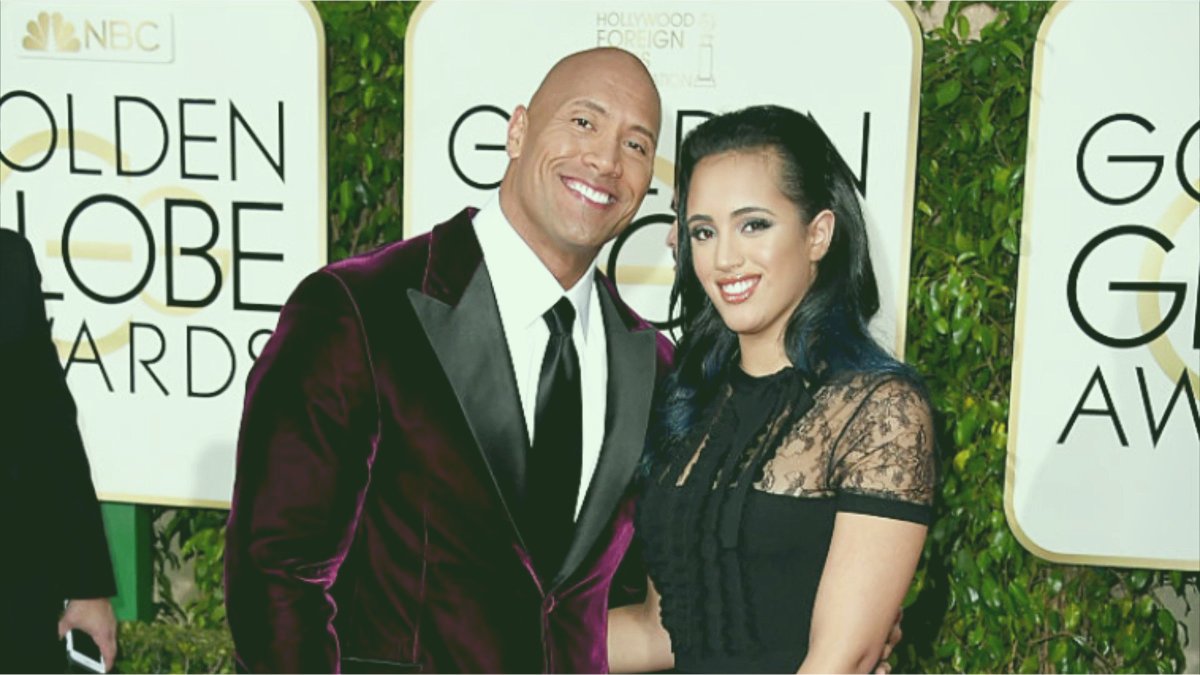
Trending news of The Rock's daughter Simone Johnson's announcing her new Stage Name is breaking our Versus tool because "Wrestling Name" isn't in our database!
Here's the most useful #Factualist comparison pages #Thread 🧵
What is the difference between “pseudonym” and “stage name?”
Pseudonym means “a fictitious name (more literally, a false name), as those used by writers and movie stars,” while stage name is “the pseudonym of an entertainer.”
https://t.co/hT5XPkTepy #english #wiki #wikidiff
People also found this comparison helpful:
Alias #versus Stage Name: What’s the difference?
Alias means “another name; an assumed name,” while stage name means “the pseudonym of an entertainer.”
https://t.co/Kf7uVKekMd #Etymology #words
Another common #question:
What is the difference between “alias” and “pseudonym?”
As nouns alias means “another name; an assumed name,” while pseudonym means “a fictitious name (more literally, a false name), as those used by writers and movie
Here is a very basic #comparison: "Name versus Stage Name"
As #nouns, the difference is that name means “any nounal word or phrase which indicates a particular person, place, class, or thing,” but stage name means “the pseudonym of an
Here's the most useful #Factualist comparison pages #Thread 🧵
What is the difference between “pseudonym” and “stage name?”
Pseudonym means “a fictitious name (more literally, a false name), as those used by writers and movie stars,” while stage name is “the pseudonym of an entertainer.”
https://t.co/hT5XPkTepy #english #wiki #wikidiff
People also found this comparison helpful:
Alias #versus Stage Name: What’s the difference?
Alias means “another name; an assumed name,” while stage name means “the pseudonym of an entertainer.”
https://t.co/Kf7uVKekMd #Etymology #words
Another common #question:
What is the difference between “alias” and “pseudonym?”
As nouns alias means “another name; an assumed name,” while pseudonym means “a fictitious name (more literally, a false name), as those used by writers and movie
Here is a very basic #comparison: "Name versus Stage Name"
As #nouns, the difference is that name means “any nounal word or phrase which indicates a particular person, place, class, or thing,” but stage name means “the pseudonym of an

Time for some thoughts on schools given the revised SickKids document and the fact that ON decided to leave most schools closed. ON is not the only jurisdiction to do so, but important to note that many jurisdictions would not have done so -even with higher incidence rates.
As outlined in the tweet by @NishaOttawa yesterday, the situation is complex, and not a simple right or wrong https://t.co/DO0v3j9wzr. And no one needs to list all the potential risks and downsides of prolonged school closures.
On the other hand: while school closures do not directly protect our most vulnerable in long-term care at all, one cannot deny that any factor potentially increasing community transmission may have an indirect effect on the risk to these institutions, and on healthcare.
The question is: to what extend do schools contribute to transmission, and how to balance this against the risk of prolonged school closures. The leaked data from yesterday shows a mixed picture -schools are neither unicorns (ie COVID free) nor infernos.
Assuming this data is largely correct -while waiting for an official publication of the data, it shows first and foremost the known high case numbers at Thorncliff, while other schools had been doing very well -are safe- reiterating the impact of socioeconomics on the COVID risk.
A group of Ontario experts led by SickKids has updated its guidance for school operation during the COVID-19 pandemic. The living document, COVID-19: Updated Guidance for School Operation During the Pandemic, can be read here: https://t.co/rotLqDqkQh pic.twitter.com/q7kVezAPoG
— SickKids_TheHospital (@SickKidsNews) January 21, 2021
As outlined in the tweet by @NishaOttawa yesterday, the situation is complex, and not a simple right or wrong https://t.co/DO0v3j9wzr. And no one needs to list all the potential risks and downsides of prolonged school closures.
1/It's the eve of provincial announcements on schools reopening for in-person instruction.
— Nisha Thampi (@NishaOttawa) January 20, 2021
Households are under stress and experts are divided on whether schools are unicorns or infernos.
Everyone wants to do right by kids, who have borne so much throughout this pandemic.
On the other hand: while school closures do not directly protect our most vulnerable in long-term care at all, one cannot deny that any factor potentially increasing community transmission may have an indirect effect on the risk to these institutions, and on healthcare.
The question is: to what extend do schools contribute to transmission, and how to balance this against the risk of prolonged school closures. The leaked data from yesterday shows a mixed picture -schools are neither unicorns (ie COVID free) nor infernos.
Assuming this data is largely correct -while waiting for an official publication of the data, it shows first and foremost the known high case numbers at Thorncliff, while other schools had been doing very well -are safe- reiterating the impact of socioeconomics on the COVID risk.


You May Also Like

The UN just voted to condemn Israel 9 times, and the rest of the world 0.
View the resolutions and voting results here:
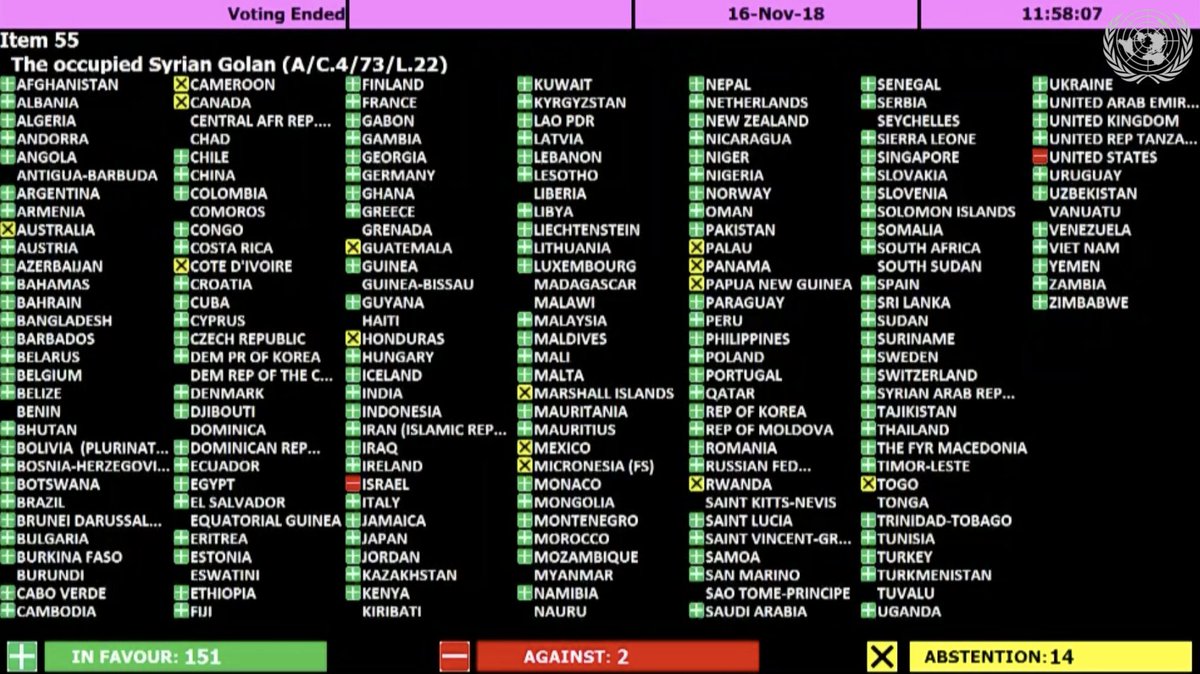
The resolution titled "The occupied Syrian Golan," which condemns Israel for "repressive measures" against Syrian citizens in the Golan Heights, was adopted by a vote of 151 - 2 - 14.
Israel and the U.S. voted 'No' https://t.co/HoO7oz0dwr
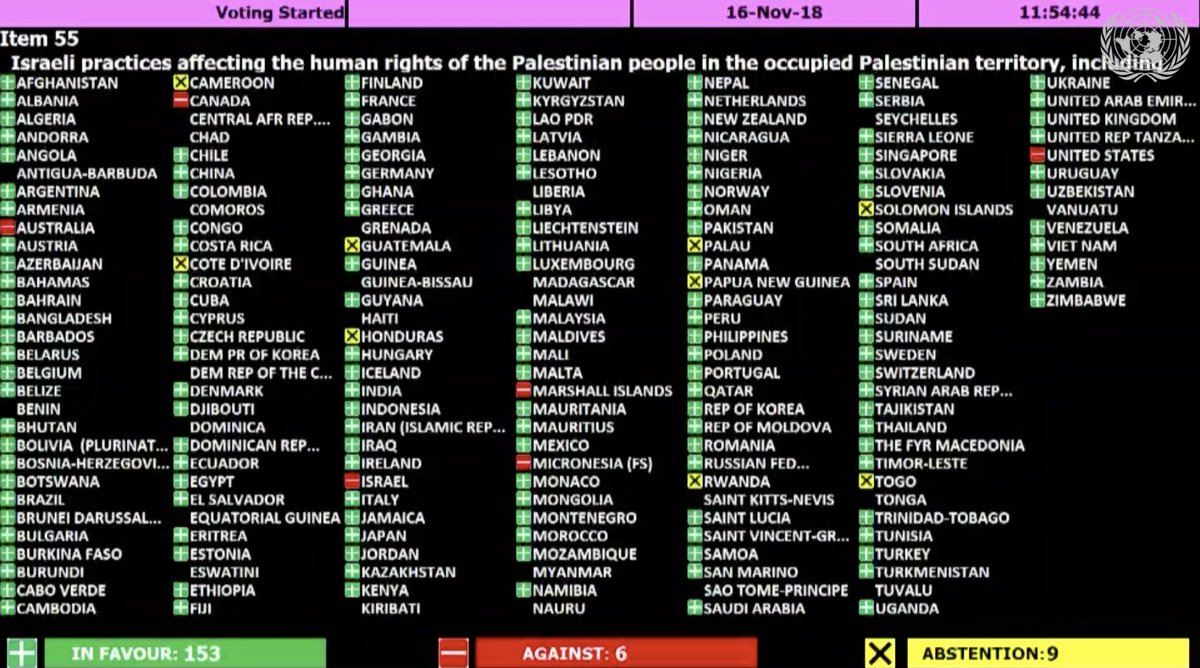
The resolution titled "Israeli practices affecting the human rights of the Palestinian people..." was adopted by a vote of 153 - 6 - 9.
Australia, Canada, Israel, Marshall Islands, Micronesia, and the U.S. voted 'No' https://t.co/1Ntpi7Vqab
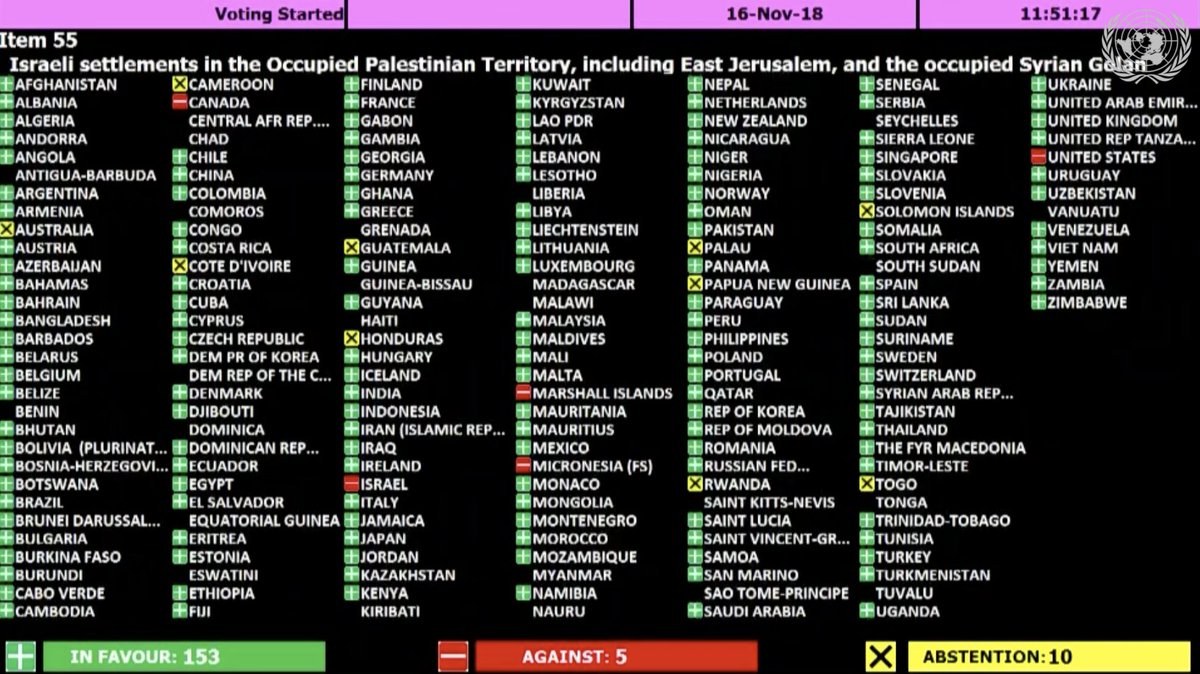
The resolution titled "Israeli settlements in the Occupied Palestinian Territory, including East Jerusalem, and the occupied Syrian Golan" was adopted by a vote of 153 – 5 – 10.
Canada, Israel, Marshall Islands, Micronesia, and the U.S. voted 'No'
https://t.co/REumYgyRuF
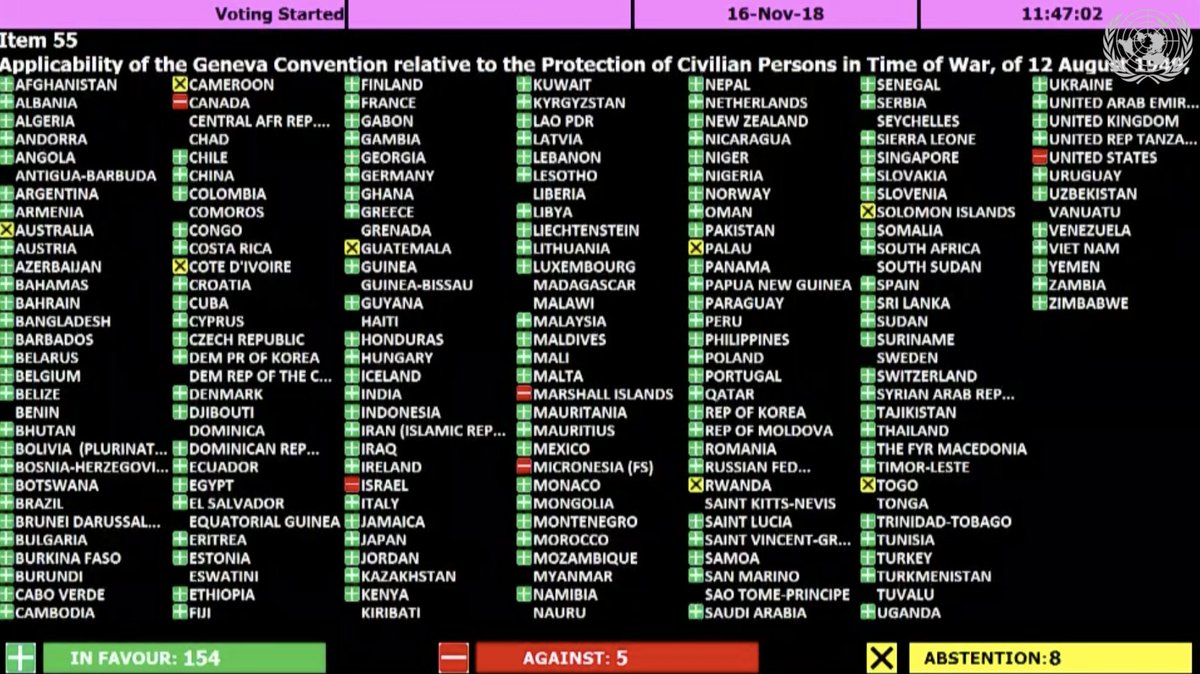
The resolution titled "Applicability of the Geneva Convention... to the
Occupied Palestinian Territory..." was adopted by a vote of 154 - 5 - 8.
Canada, Israel, Marshall Islands, Micronesia, and the U.S. voted 'No'
https://t.co/xDAeS9K1kW
View the resolutions and voting results here:
The resolution titled "The occupied Syrian Golan," which condemns Israel for "repressive measures" against Syrian citizens in the Golan Heights, was adopted by a vote of 151 - 2 - 14.
Israel and the U.S. voted 'No' https://t.co/HoO7oz0dwr
The resolution titled "Israeli practices affecting the human rights of the Palestinian people..." was adopted by a vote of 153 - 6 - 9.
Australia, Canada, Israel, Marshall Islands, Micronesia, and the U.S. voted 'No' https://t.co/1Ntpi7Vqab
The resolution titled "Israeli settlements in the Occupied Palestinian Territory, including East Jerusalem, and the occupied Syrian Golan" was adopted by a vote of 153 – 5 – 10.
Canada, Israel, Marshall Islands, Micronesia, and the U.S. voted 'No'
https://t.co/REumYgyRuF
The resolution titled "Applicability of the Geneva Convention... to the
Occupied Palestinian Territory..." was adopted by a vote of 154 - 5 - 8.
Canada, Israel, Marshall Islands, Micronesia, and the U.S. voted 'No'
https://t.co/xDAeS9K1kW




Tip from the Monkey
Pangolins, September 2019 and PLA are the key to this mystery
Stay Tuned!
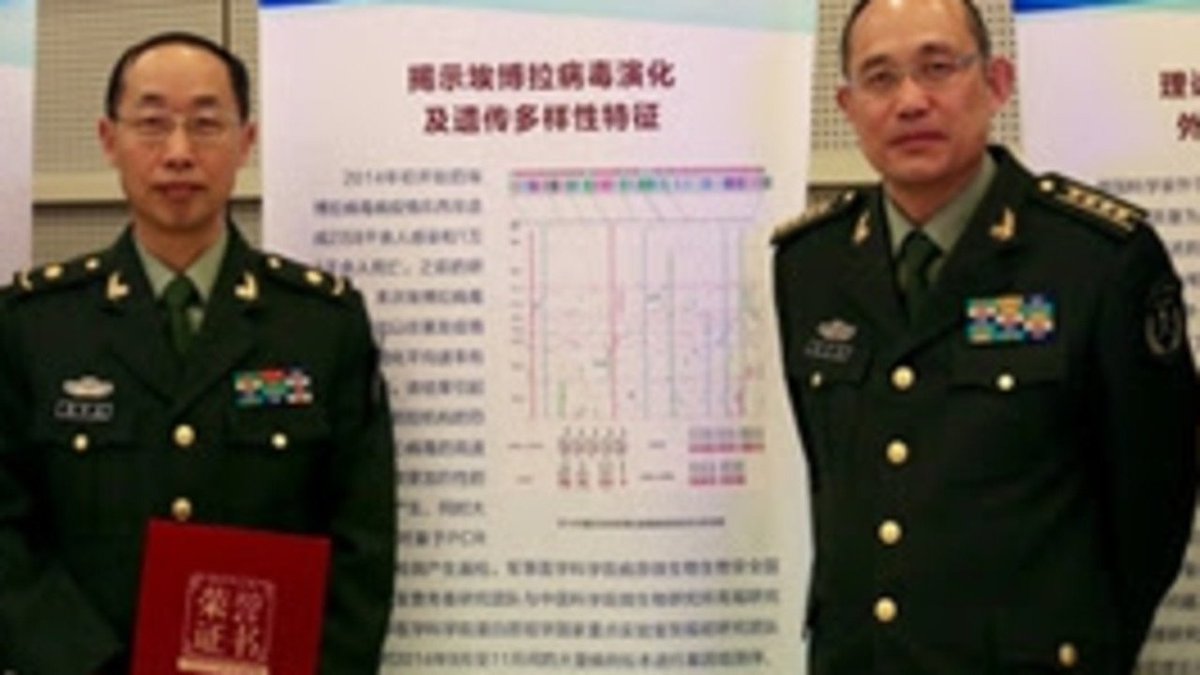
1. Yang
2. A jacobin capuchin dangling a flagellin pangolin on a javelin while playing a mandolin and strangling a mannequin on a paladin's palanquin, said Saladin
More to come tomorrow!

3. Yigang Tong
https://t.co/CYtqYorhzH
Archived: https://t.co/ncz5ruwE2W
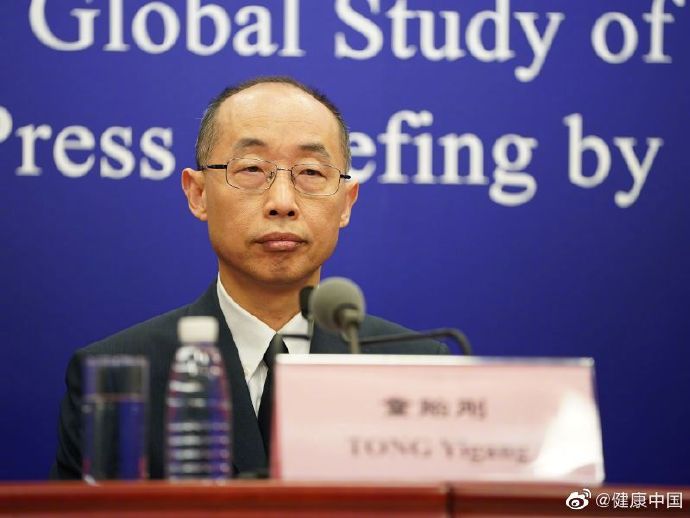
4. YT Interview
Some bats & pangolins carry viruses related with SARS-CoV-2, found in SE Asia and in Yunnan, & the pangolins carrying SARS-CoV-2 related viruses were smuggled from SE Asia, so there is a possibility that SARS-CoV-2 were coming from
Pangolins, September 2019 and PLA are the key to this mystery
Stay Tuned!
1. Yang
Meet Yang Ruifu, CCP's biological weapons expert https://t.co/JjB9TLEO95 via @Gnews202064
— Billy Bostickson \U0001f3f4\U0001f441&\U0001f441 \U0001f193 (@BillyBostickson) October 11, 2020
Interesting expose of China's top bioweapons expert who oversaw fake pangolin research
Paper 1: https://t.co/TrXESKLYmJ
Paper 2:https://t.co/9LSJTNCn3l
Pangolinhttps://t.co/2FUAzWyOcv pic.twitter.com/I2QMXgnkBJ
2. A jacobin capuchin dangling a flagellin pangolin on a javelin while playing a mandolin and strangling a mannequin on a paladin's palanquin, said Saladin
More to come tomorrow!
3. Yigang Tong
https://t.co/CYtqYorhzH
Archived: https://t.co/ncz5ruwE2W
4. YT Interview
Some bats & pangolins carry viruses related with SARS-CoV-2, found in SE Asia and in Yunnan, & the pangolins carrying SARS-CoV-2 related viruses were smuggled from SE Asia, so there is a possibility that SARS-CoV-2 were coming from